Six inches is exactly half a foot, or 15.24 centimeters. It sits at a comfortable mid-range on the ruler: longer than your finger, shorter than your forearm, and surprisingly close to many everyday objects you reach for without giving the length a second thought.
Visualizing 6 inches without a ruler can be tricky. It’s roughly the span from the base of your palm to the tip of your middle finger on an average adult hand, though hand size varies enough that this works only as a rough guide. A more reliable method is to use two standard credit cards placed end to end, since each card is about 3.37 inches long, getting you to just over 6 inches total.
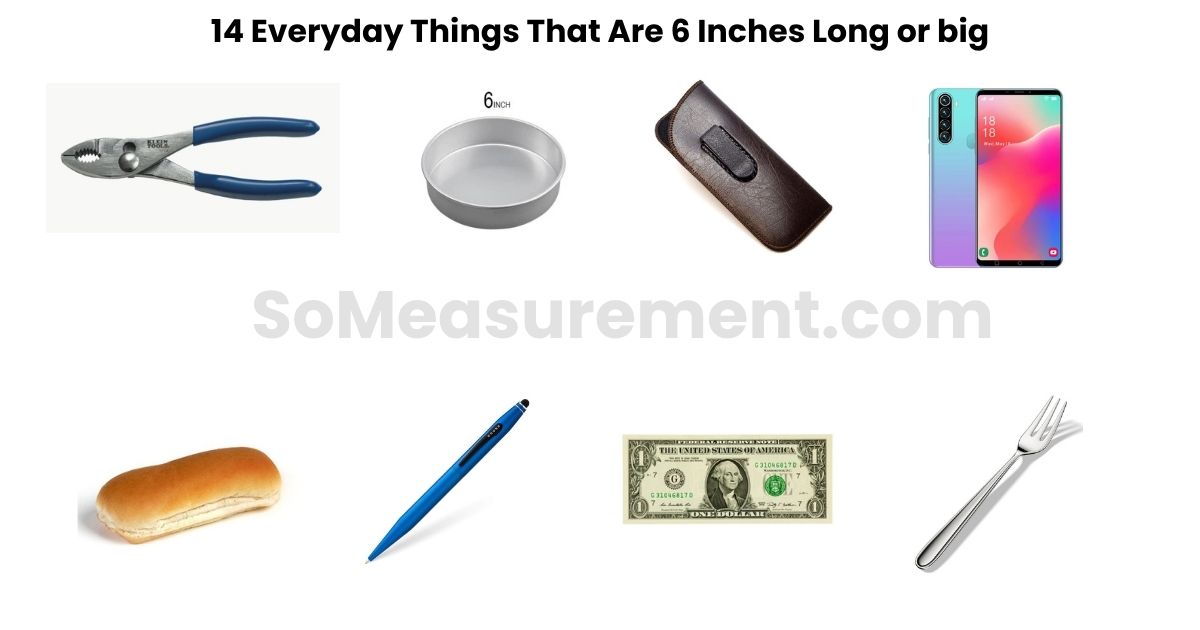
To help fix this length in your mind, here are 14 real-world things that come close to or sit right at 6 inches long.
14 Things Measuring Right Around 6 Inches
| Object | Approximate Length | What the 6 Inches Refers To |
|---|---|---|
| US Dollar Bill | 6.14 inches | Overall length of the bill |
| Standard Ballpoint Pen with Cap | ~5.9 inches | Total length when capped |
| Paperback Book Width | ~6 inches | Width of a trade paperback |
| Soup Spoon | 6 to 8 inches | Overall utensil length |
| Dessert Fork | ~6 to 7 inches | Overall utensil length |
| Butter Knife Blade | 5 to 6 inches | Blade portion only |
| 6-Inch Round Cake Pan | Exactly 6 inches | Diameter across the top |
| Smartphone Screen | ~6.1 inches (common size) | Diagonal screen measurement |
| Eyeglass Case | ~6 to 6.5 inches | Length of the case |
| Pocket Hair Comb | ~6 inches | Overall comb length |
| Hot Dog Bun | ~6 inches | Standard bun length |
| Medium Zip Tie | 6 inches is a standard size | Overall flat length |
| Pocket Pliers | ~6 inches | Total closed length |
| Pocket Ruler | Exactly 6 inches | Full measuring length |
1. US Dollar Bill
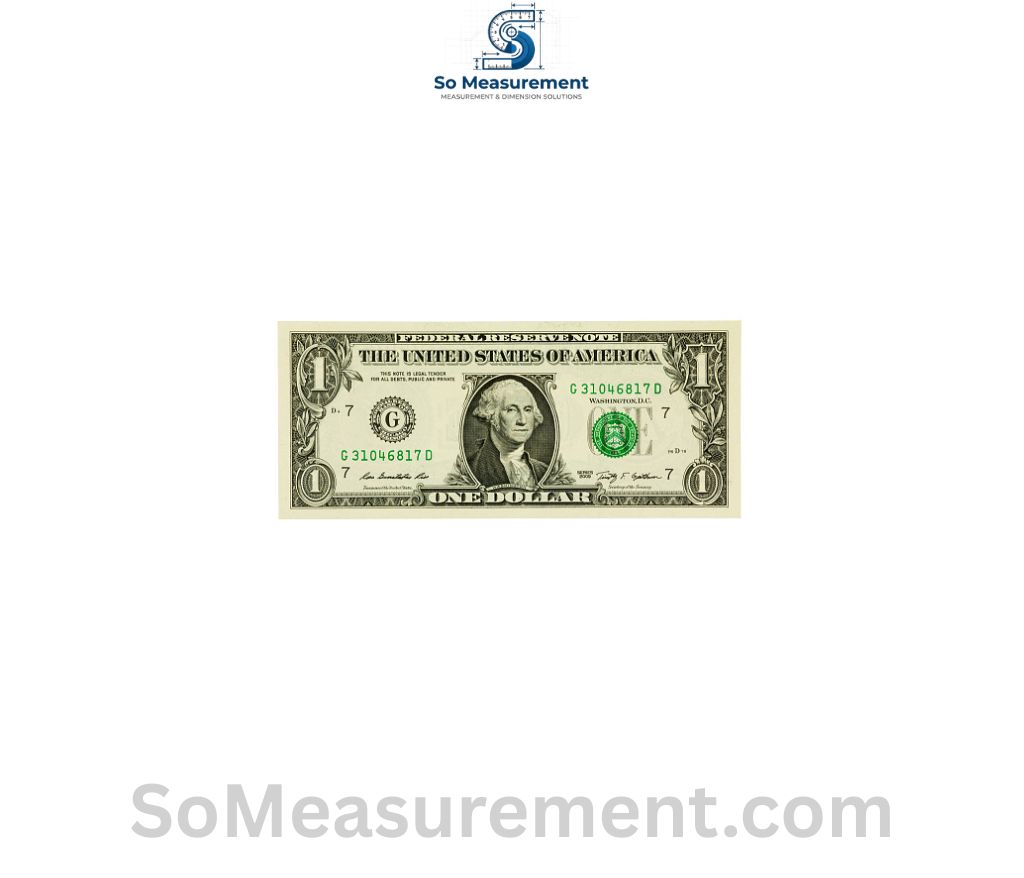
A US dollar bill measures 6.14 inches long, making it one of the most accurate pocket-sized references for this length. Every denomination of US paper currency shares this same measurement, from the $1 to the $100 bill, so any bill in your wallet will do the job.
The key nuance is that 6.14 inches is not exactly 6 inches. If you hold a bill against a ruler, you’ll see it slightly overhangs the 6-inch mark. That small 0.14-inch difference is real but minor enough that a dollar bill works well as a rough 6-inch reference in everyday situations.
2. Standard Ballpoint Pen With Cap
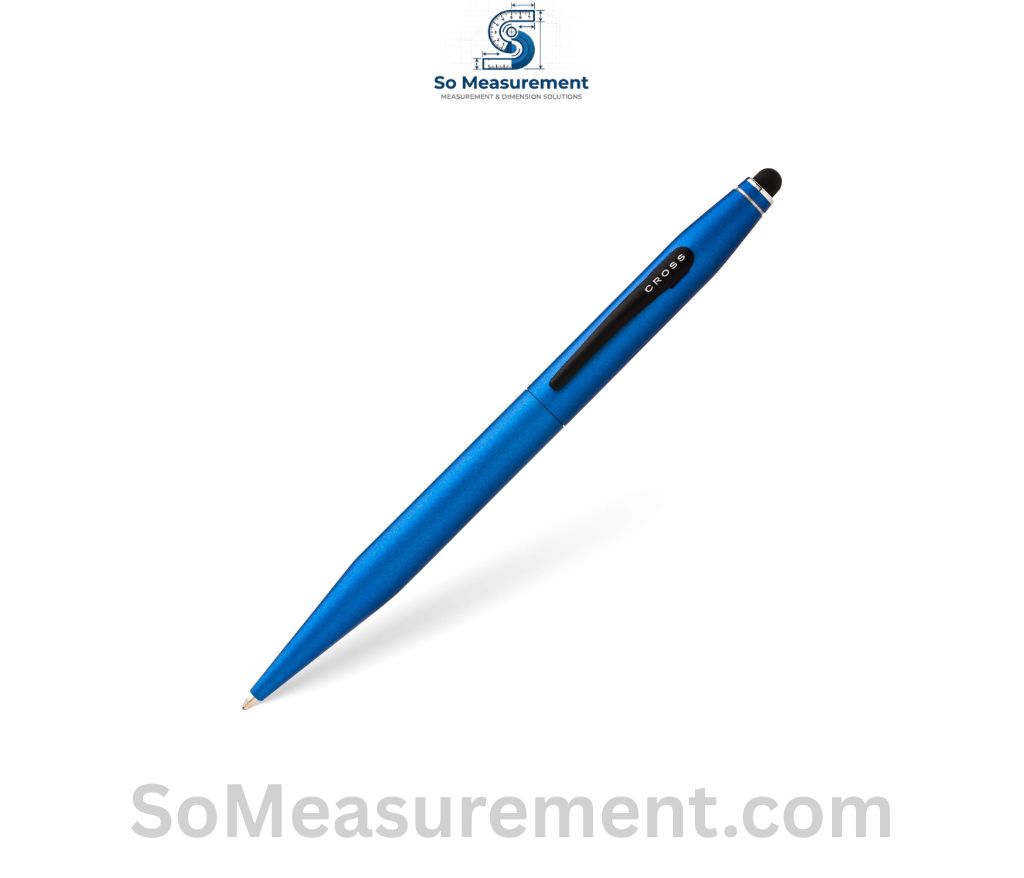
A classic ballpoint pen with its cap on typically comes in around 5.7 to 6 inches in total length. The iconic BIC Cristal, one of the most recognizable pens in the world, measures about 5.87 inches (14.9 cm) with its cap attached, putting it just under the 6-inch mark.
What makes pens a useful reference is that many people carry one daily and can hold it up for an immediate comparison. The variation between brands means some capped pens come in right at 6 inches while others fall slightly below, so treat this as an approximate comparison rather than an exact match.
3. Paperback Book Width
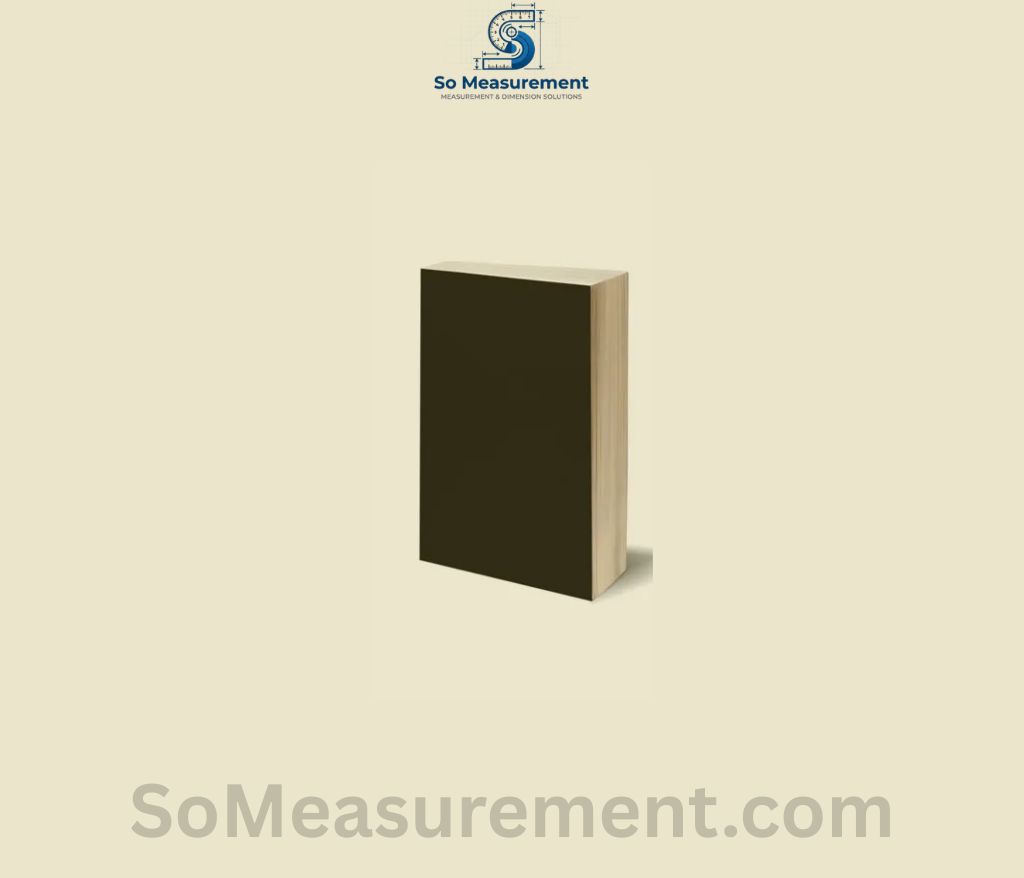
Trade paperbacks, the larger-format novels you find at most bookstores, are commonly published at 6 x 9 inches in size. That 6-inch dimension is the width, meaning the shorter side of the book when held upright.
If you pick up a standard novel from a shelf and measure across its cover from left to right, you’ll frequently land right at 6 inches. This is a publishing standard adopted by many independent and traditional publishers alike, making it a dependable real-world reference.
4. Soup Spoon
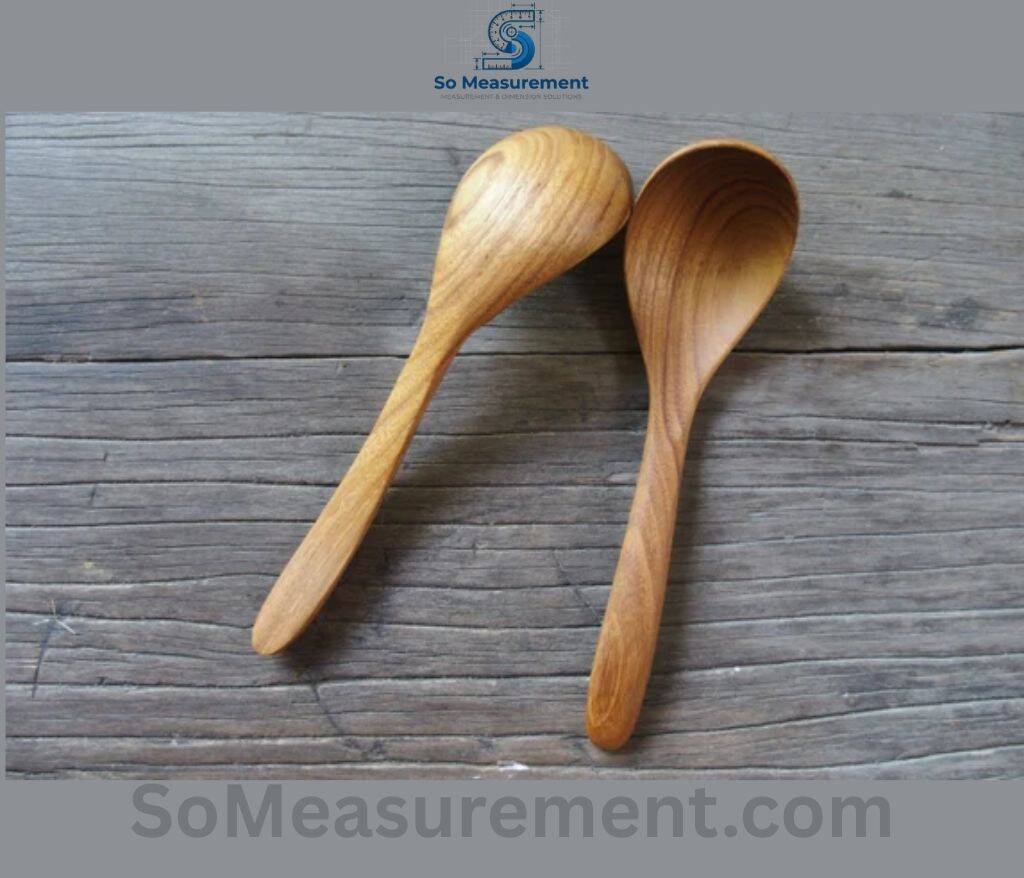
A standard soup spoon typically falls somewhere between 6 and 8 inches in total length, depending on the style and the manufacturer. The round, deep bowl that gives the soup spoon its shape sits at one end of a handle long enough to reach comfortably into a bowl.
The 6-inch end of that range usually describes shorter, more casual flatware, while formal dining sets tend to run longer. If you’re reaching for a quick reference, a soup spoon from most everyday cutlery sets gives a reasonable approximation of this length, though checking against the short end of the range is the most reliable approach.
5. Dessert Fork
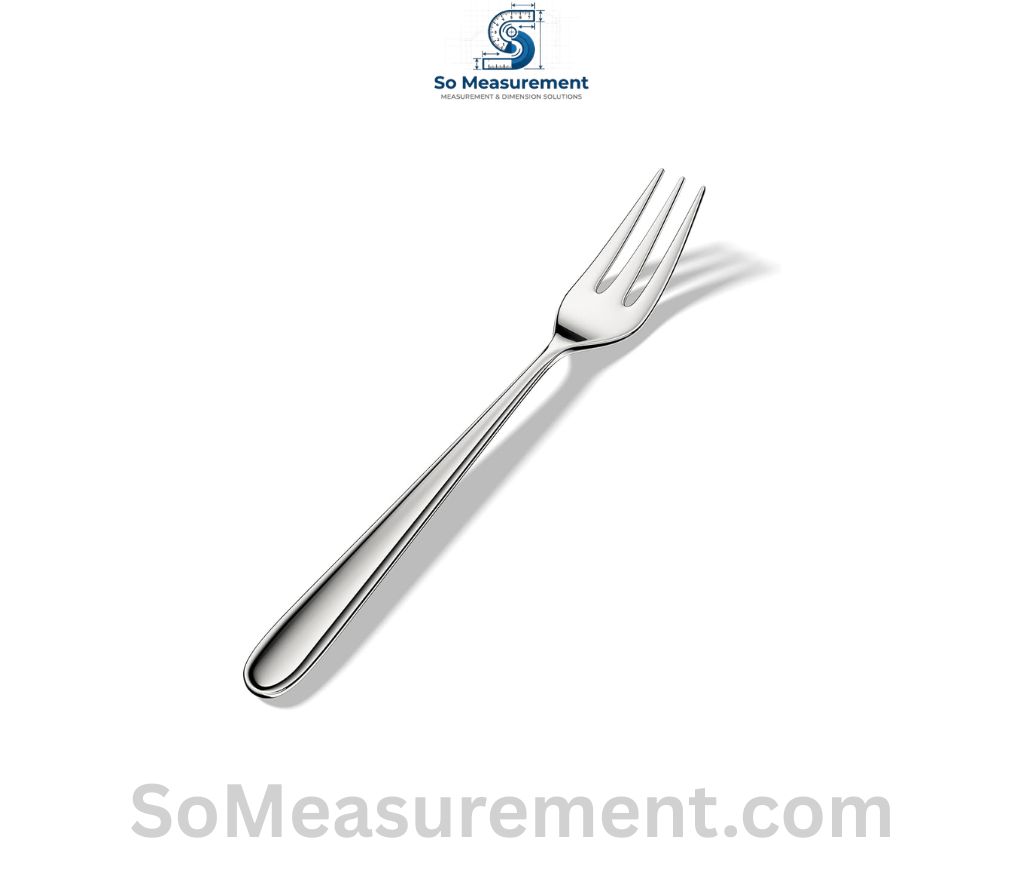
A dessert fork is the smaller fork placed above or beside the plate in a standard table setting, and it commonly measures around 6 to 7 inches in total length. It’s noticeably shorter than a dinner fork, which typically runs 8 inches or more.
The dessert fork lands in a practical middle ground: short enough to feel dainty beside a small plate of cake or pastry, long enough to reach into a bowl. If you’re setting a table and need to eyeball a 6-inch reference, this piece of flatware is one of the most readily available options in most homes.
6. Butter Knife Blade
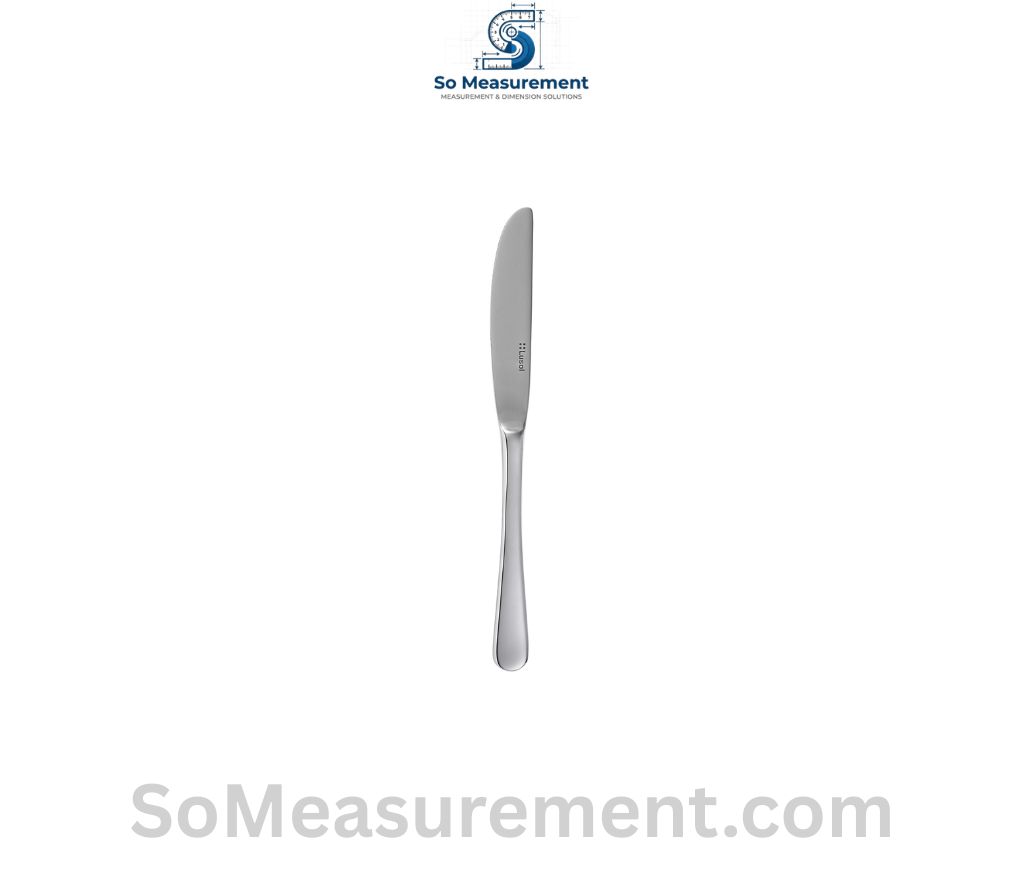
The blade of a standard individual butter knife runs approximately 5 to 6 inches in length. It’s worth being specific here: the full butter knife, including its handle, is typically around 7 inches in total, but the blade alone is the part that lands closer to the 6-inch mark.
The blade is the spreading portion with its characteristic rounded tip, designed to glide across bread without tearing it. Holding just the blade section next to a ruler in most flatware sets confirms it sits right in that 5-to-6-inch range, making it a useful close-enough comparison for this measurement.
7. 6-Inch Round Cake Pan
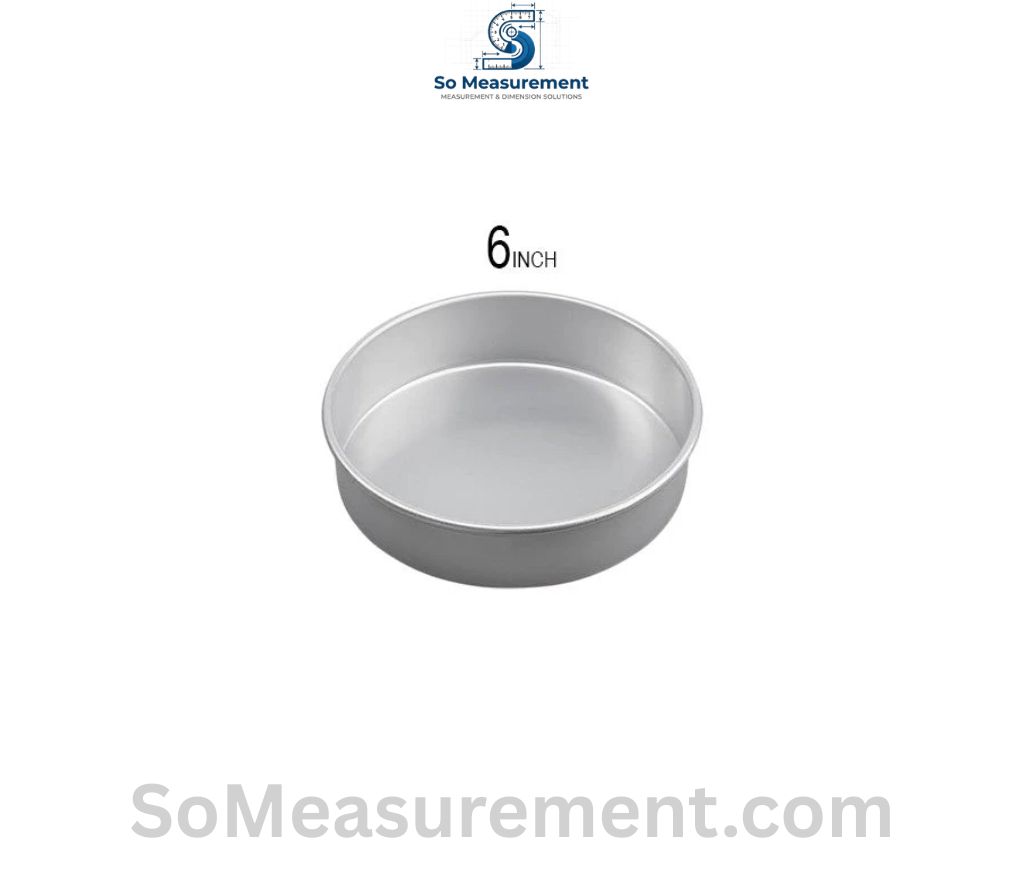
This one is exactly 6 inches by design. A 6-inch round cake pan is measured by its inner diameter across the top opening, and the standard version is precisely 6 inches wide, which is about 15.24 centimeters.
Bakers use this pan frequently for smaller layer cakes, personal-sized cakes, and cake testing. It’s one of the clearest physical embodiments of exactly 6 inches you can hold in your hands, since the measurement is the defining specification of the product. If you own one, it’s a reliable calibration tool for visualizing this length.
8. Smartphone Screen
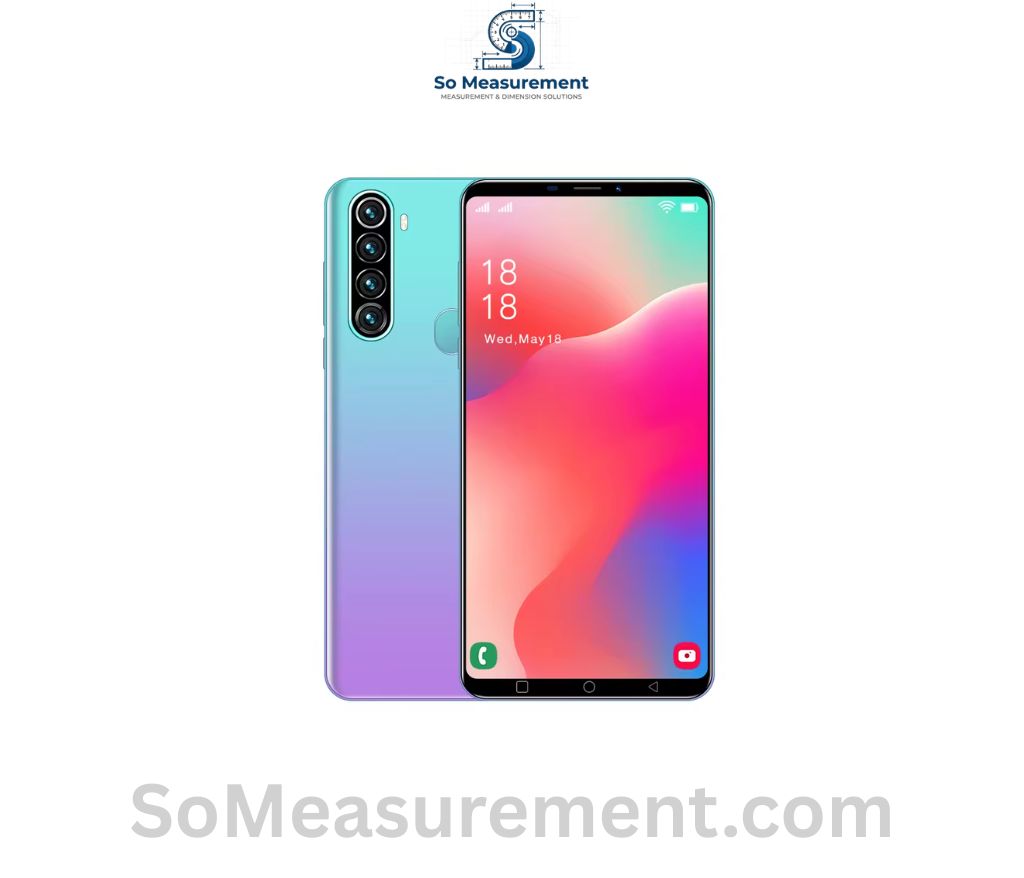
A 6-inch smartphone screen refers to the diagonal measurement of the display, not its width or height. This is an important distinction: the phone’s physical body is taller, and the screen’s height is greater than its width because modern phones use a tall, narrow aspect ratio.
The 6-inch diagonal is one of the most common screen sizes in current smartphone manufacturing. Models like the Apple iPhone 16e (6.1 inches) and Google Pixel 8a (6.1 inches) fall right in this range. If you hold your phone with the screen facing you and imagine a straight line from the bottom-left corner to the top-right corner of the display, that diagonal line is roughly what 6 inches looks like on a slim rectangle.
9. Eyeglass Case
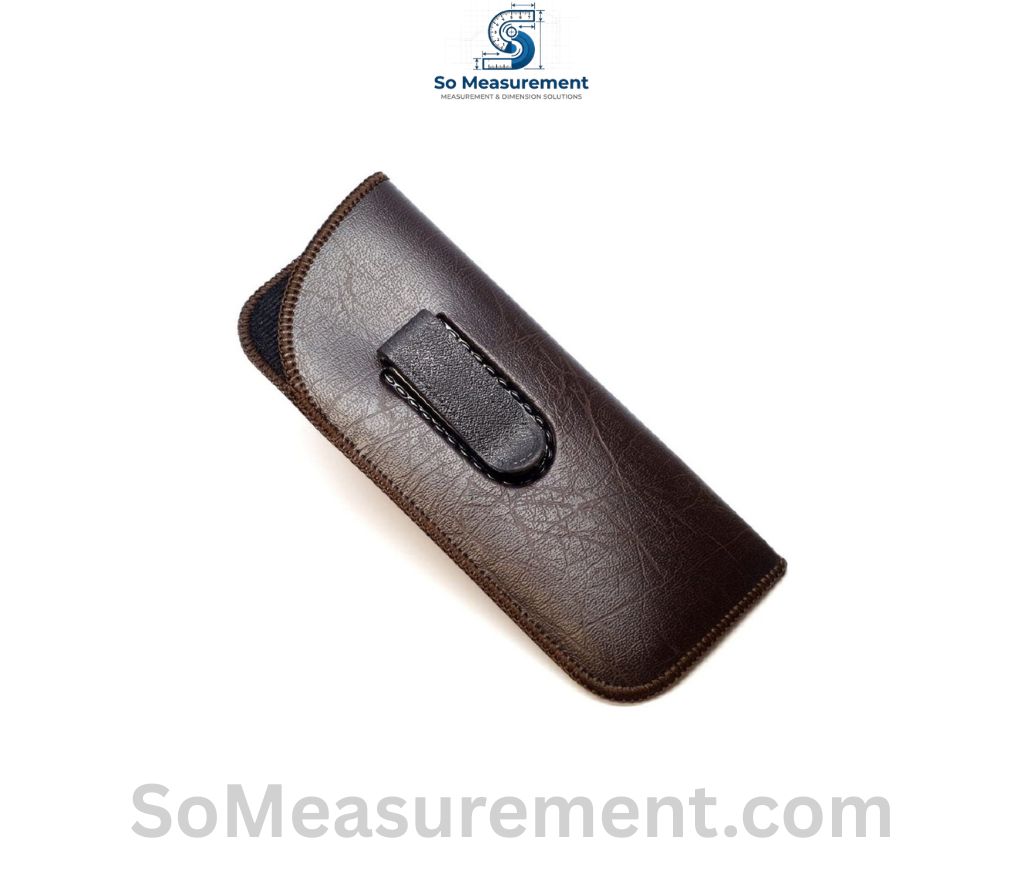
A standard hard-shell eyeglass case typically measures around 6 to 6.5 inches in length, sized to hold most adult prescription frames, sunglasses, and reading glasses comfortably. The case just barely fits into a jacket pocket lengthwise, which helps explain why so many manufacturers land in this dimension.
The length of the case matches the approximate span of the glasses it holds, since most adult eyeglass frames measure roughly 5 to 6 inches across. If you wear glasses and carry a hard case, holding it up gives a quick and personally familiar reference for this measurement.
10. Pocket Hair Comb
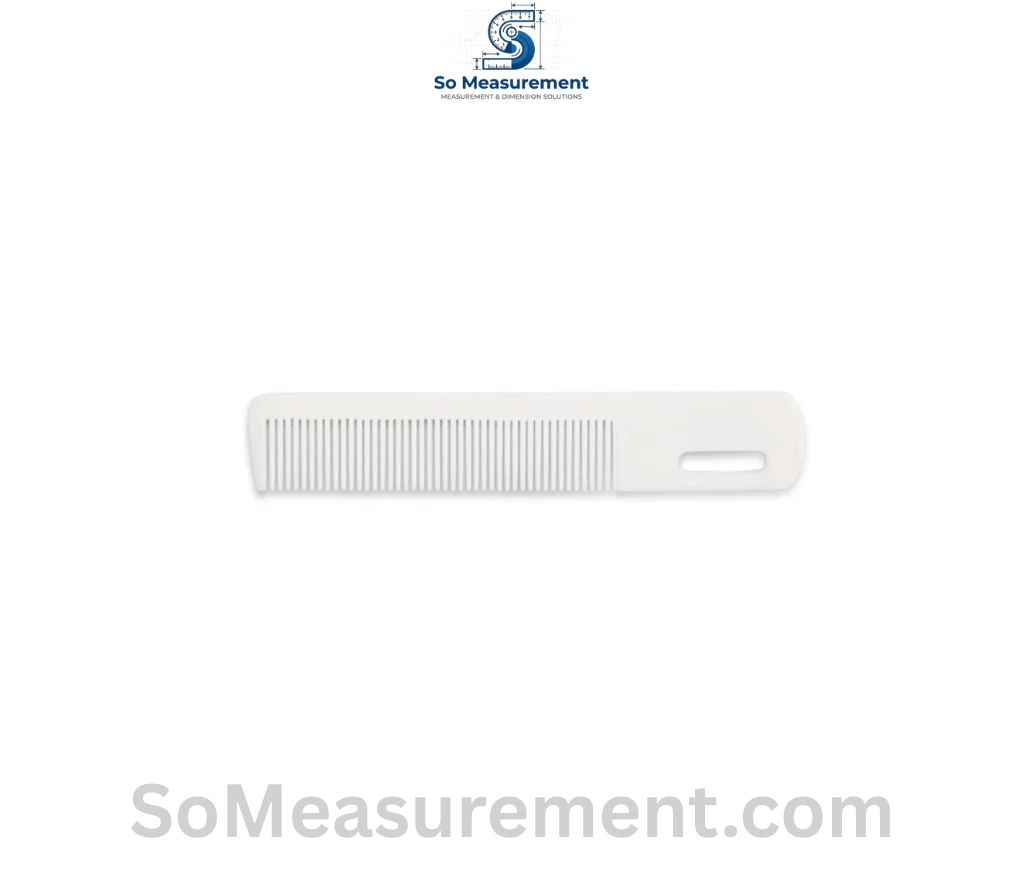
A pocket or purse comb is specifically designed to be compact enough to carry in a pocket or small bag, and many common versions measure right around 6 inches in length. This distinguishes them from full-sized salon combs, which typically run 7 to 8 inches or longer.
The 6-inch pocket comb is long enough to handle most hair-combing tasks while remaining genuinely pocketable. It’s a surprisingly good everyday carry reference for this measurement precisely because it was engineered with a compact length in mind rather than arriving at 6 inches by coincidence.
11. Hot Dog Bun
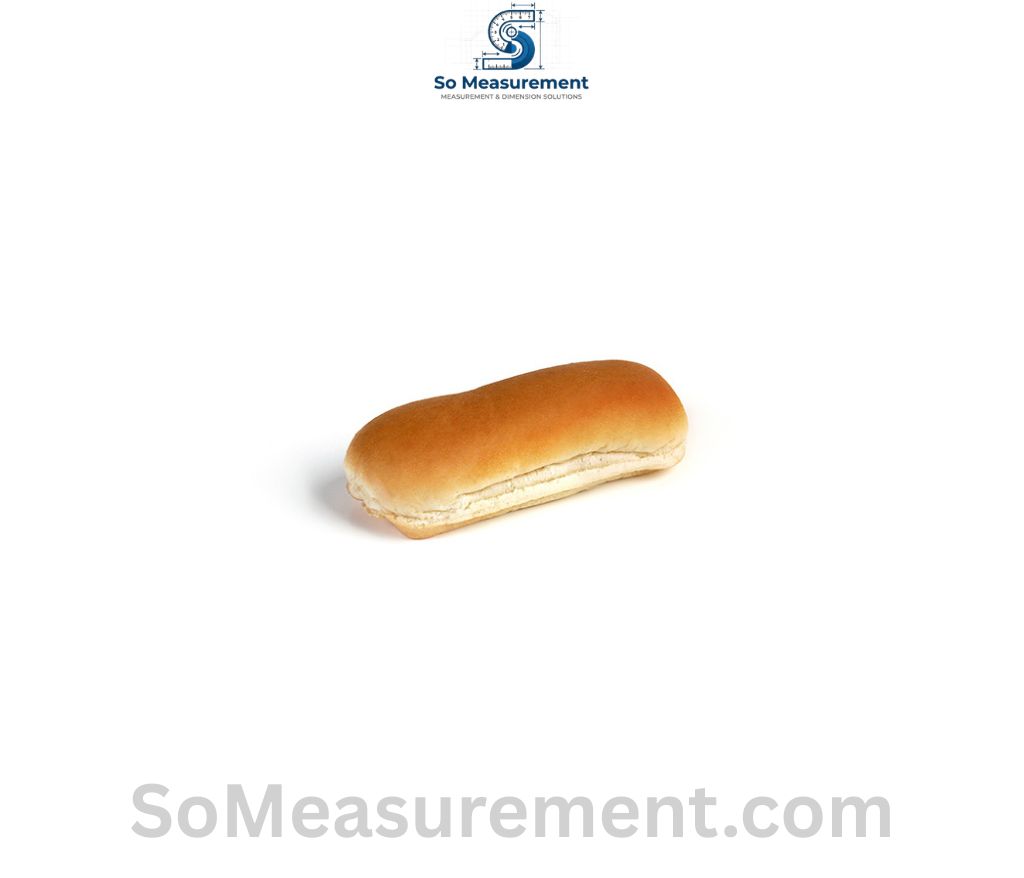
The standard hot dog bun sold in most grocery stores is approximately 6 inches long, designed to cradle a standard frank with a little room on each end for toppings. This has been the practical benchmark length for decades in American supermarkets.
There’s some natural variation between brands, with some buns coming in just under 6 inches and others closer to 6.5 inches. The 6-inch figure is the widely accepted standard length that most manufacturers target. Next time you open a pack before a cookout, set one down on the counter next to a ruler for a surprisingly accurate visual confirmation of this measurement.
12. Medium Zip Tie
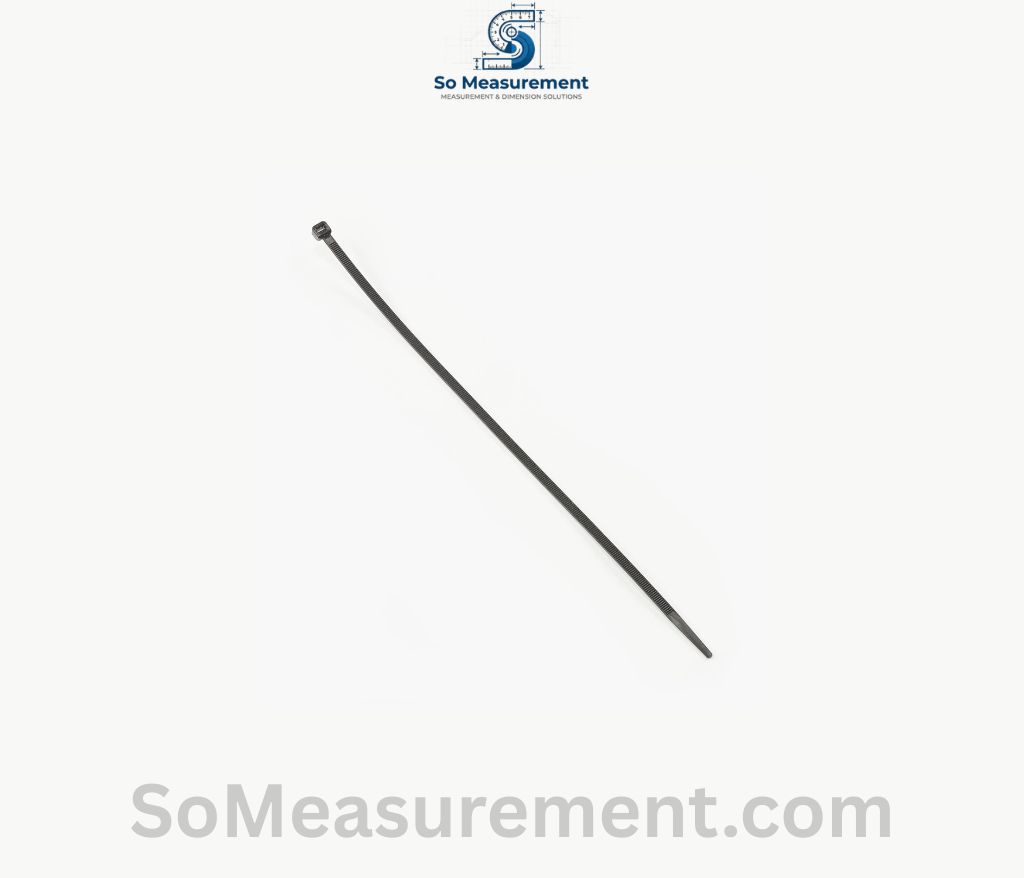
Among the various lengths zip ties are manufactured in, 6 inches is a recognized standard size. A 6-inch zip tie measured flat from the head to the tip of the tail lands right at this mark, and it’s commonly available at hardware stores alongside 4-inch, 8-inch, and 12-inch versions.
This size is generally used for lightweight bundling tasks like organizing a small cluster of cables or securing a thin bundle of items. Laying a 6-inch zip tie straight before cinching it gives a clear linear reference for the measurement, unambiguous because this length is built into the product specification.
13. Pocket Pliers
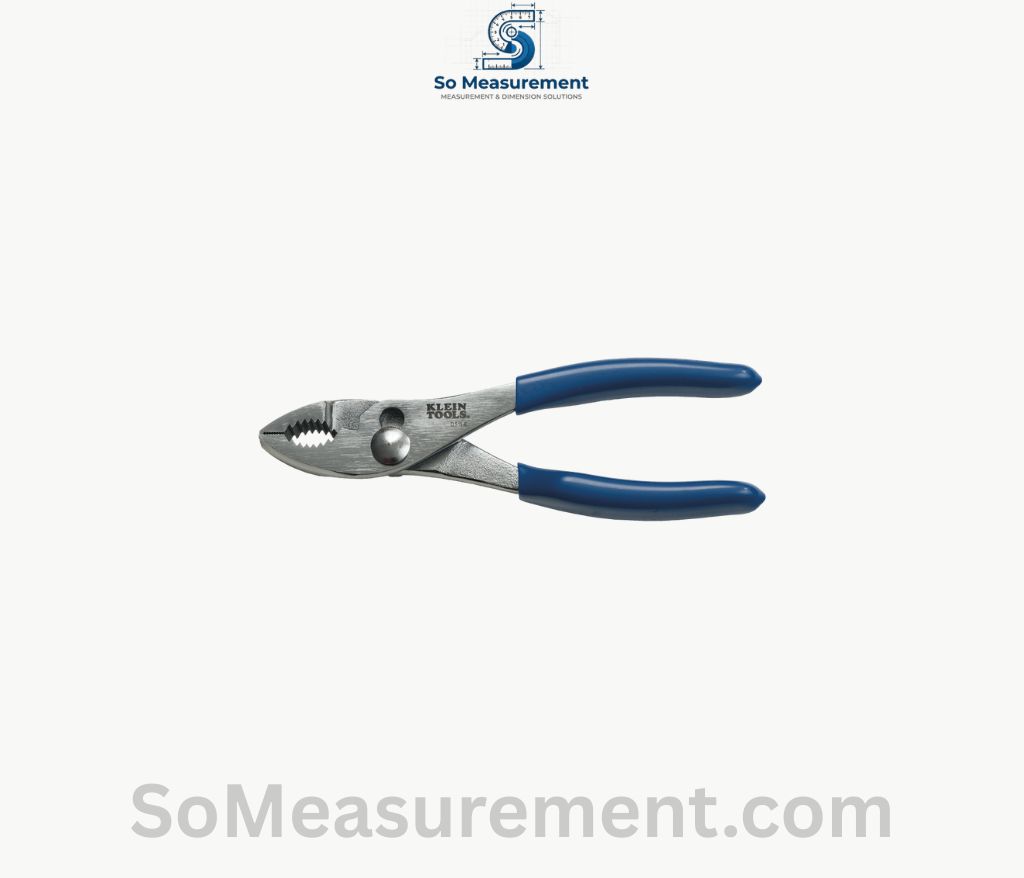
Compact pliers designed for everyday carry or tool pouches often fall in the 5.5 to 6.5-inch range when closed, with many marketed specifically as “6-inch” models. A common example is the long-nose or needle-nose style meant for reaching into tight spaces, which pairs portability with genuine utility.
The 6-inch plier sits at a practical sweet spot: substantial enough to generate real grip force on a nut or wire, compact enough to slip into a jacket pocket without significant bulk. If you own a small pair and haven’t checked the tag, measuring them closed from jaw tip to handle end often surprises people with how closely they land at 6 inches.
14. Pocket Ruler (6-Inch)
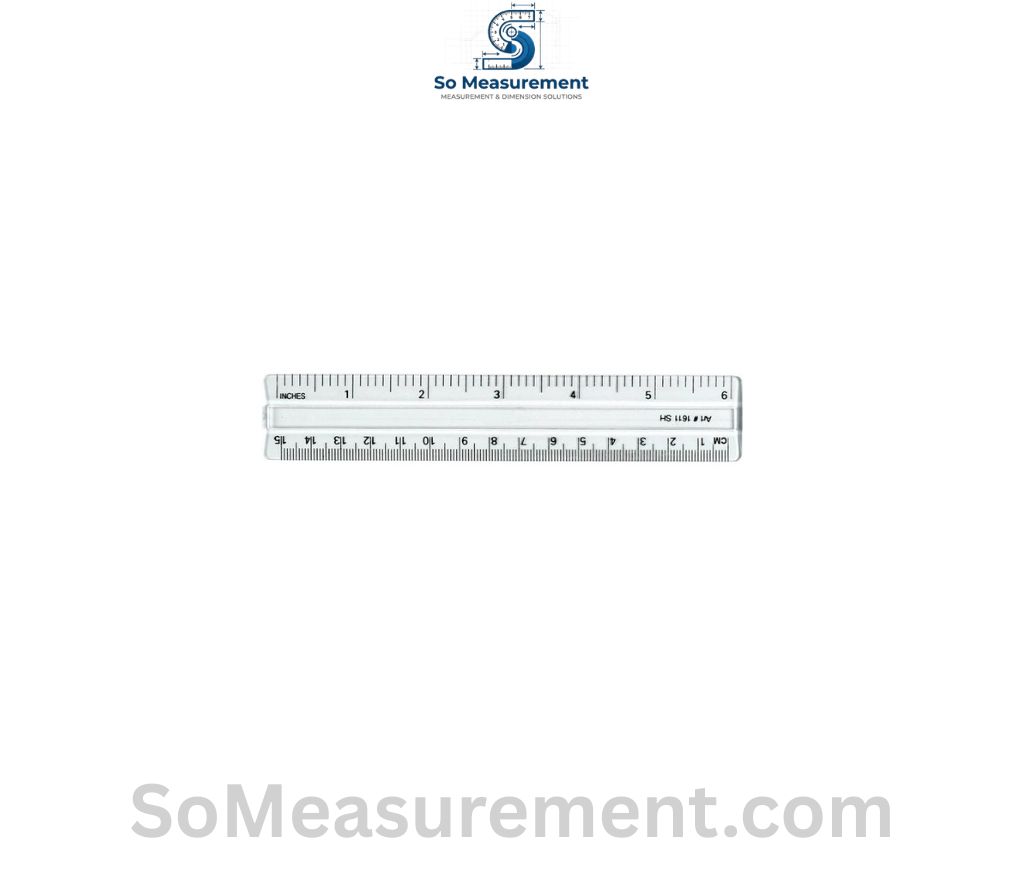
This one is definitionally exact. A 6-inch pocket ruler is manufactured to measure precisely 6 inches in length, which is why stationery stores, schools, and office supply shops carry it as a standard product distinct from 12-inch or 18-inch rulers.
Beyond the obvious point that a pocket ruler proves the length by being it, there’s a practical reason this size exists: 6 inches is long enough to measure most common small tasks, from margins on a page to the width of a component, while fitting easily into a pencil case or shirt pocket. It’s the most literal object on this list, and the most reliable tool if you want to confirm whether anything else here genuinely matches the measurement.
A Quick Note on Approximations
Several items on this list vary in practice. Flatware dimensions differ between manufacturers and styles. Smartphone screen sizes cluster around 6 inches but seldom hit exactly 6.00 inches on the diagonal. Hot dog buns shift slightly by brand. Where an object is labeled as exactly 6 inches, such as the cake pan, the zip tie, and the pocket ruler, the measurement is intentional and consistent. Where it’s described as approximate, use those objects for rough visualization rather than precision work.
If you ever need a precise 6-inch reference without a ruler nearby, a US dollar bill (6.14 inches) is your most reliable everyday option.
Read also:
14 Daily-Use Things That Measure 16 Inches Long or big
14 Daily Use Things That Are 2 Inches Long

Lev is passionate about helping readers understand sizes and dimensions of everyday objects. With a focus on clarity and practical examples, Lev shares accurate, trustworthy insights that make measurements relatable, useful, and easy to visualize for everyone.