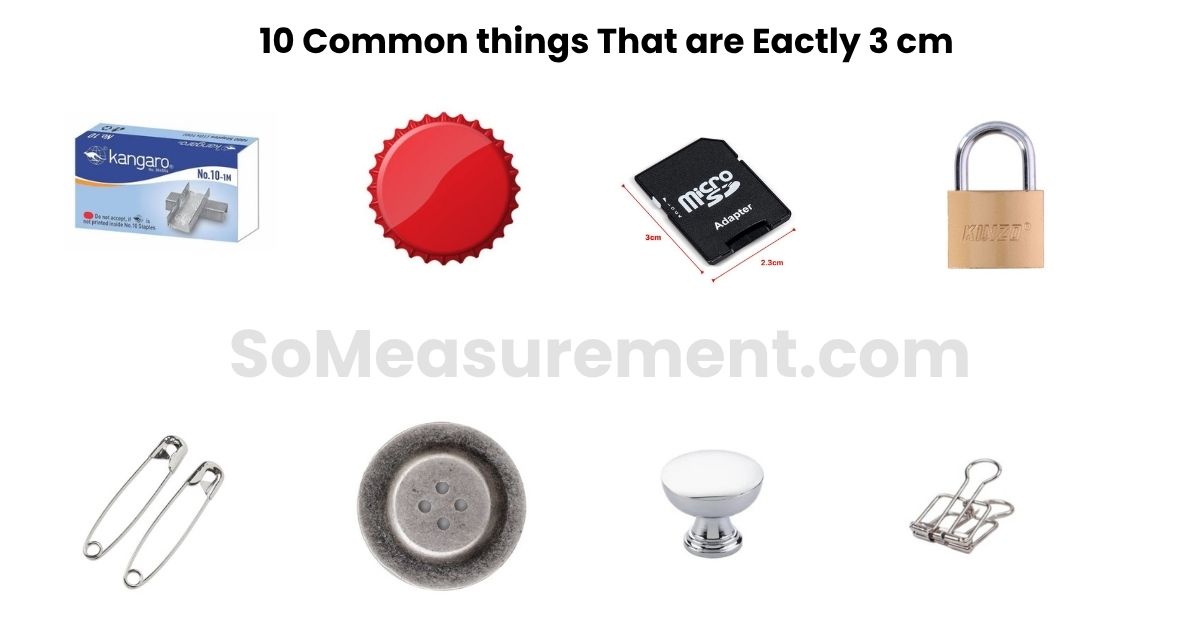
Three centimeters is exactly 30 millimeters, or about 1.18 inches. It’s smaller than you might first picture — roughly the width of a typical adult’s two index fingers pressed together. At this scale, the world of small hardware, stationery, and everyday pocket items becomes very useful for comparison. Here are 14 real objects that sit at or near that 3 cm mark, each explained for why it helps you picture the size.
Daily-Use Things That Are 3 cm Big
| Object | Approximate Dimension Near 3 cm | Notes |
|---|---|---|
| Soda Bottle Cap | ~28–32 mm diameter | Varies by bottle type |
| Metal Paperclip (No. 1) | ~28–32 mm length | Standard office size |
| Heavy Coat Button | ~28–36 mm diameter | Size depends on coat style |
| Medium Safety Pin (Size 2) | ~32–38 mm length | Slightly over 3 cm when closed |
| Cabinet Drawer Knob | ~25–32 mm diameter | Standard residential size |
| Large Binder Clip | ~30 mm body height | Height of clip body, not width |
| SD Memory Card | ~32 mm × 24 mm | Full-size SD card |
| Small Padlock Body | ~28–32 mm wide | Mini/luggage lock category |
| Masonry Wall Plug (Rawlplug) | ~25–30 mm length | Common small/medium plug |
| Staple Box (Height) | ~24–28 mm tall | Standard 5,000-staple box |
These are objects you touch, open, or walk past regularly. Not textbook examples — actual things sitting in your home or pocket right now.
A Soda Bottle Cap
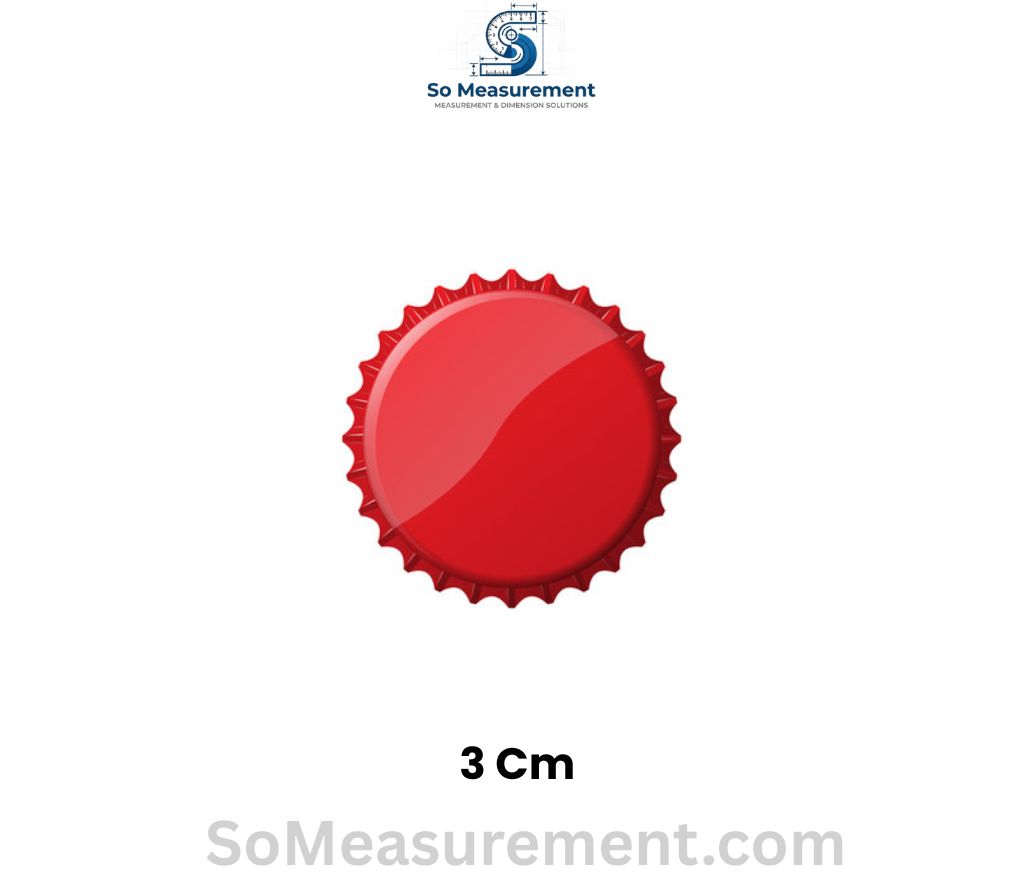
The plastic screw cap on a standard carbonated drink bottle typically measures around 28 to 32 mm in diameter, putting it squarely near the 3 cm mark. The cap’s diameter varies slightly depending on the bottle manufacturer and drink category — soft drink bottles generally use a 28 mm neck finish, while some larger or carbonated formats go up to 32 mm.
What makes this comparison particularly useful is that bottle caps are everywhere. The moment you pick one up and hold it flat against a ruler, the roughly 3 cm width becomes immediately tangible. The height of the cap itself is much smaller — only around 14 to 17 mm — so when using this as a reference, it’s the flat circular face you’re measuring across.
A Metal Paperclip
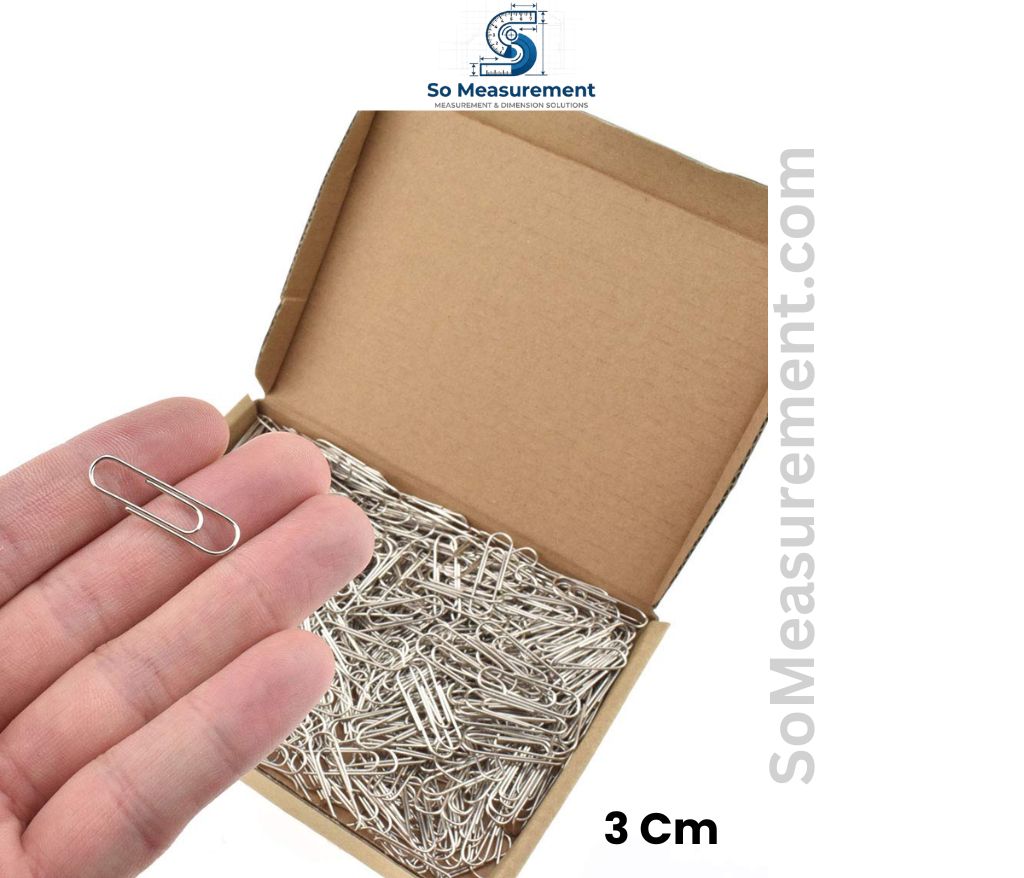
The standard No. 1 office paperclip, the one you’ll find in almost every desk drawer worldwide, measures approximately 28 to 32 mm in length. Some sources cite 32 mm specifically for the most common gem-style clip used in many countries, while the US standard No. 1 is generally described as about 28 mm. Either way, it lands right around the 3 cm region.
This makes the paperclip one of the handiest mental anchors for this size range. It’s also a flat, two-dimensional object, so the 3 cm refers purely to its length from one end to the other when laid straight. The wire itself is very thin, so the clip doesn’t look 3 cm “big” in any volumetric sense — just long.
A Heavy Coat Button
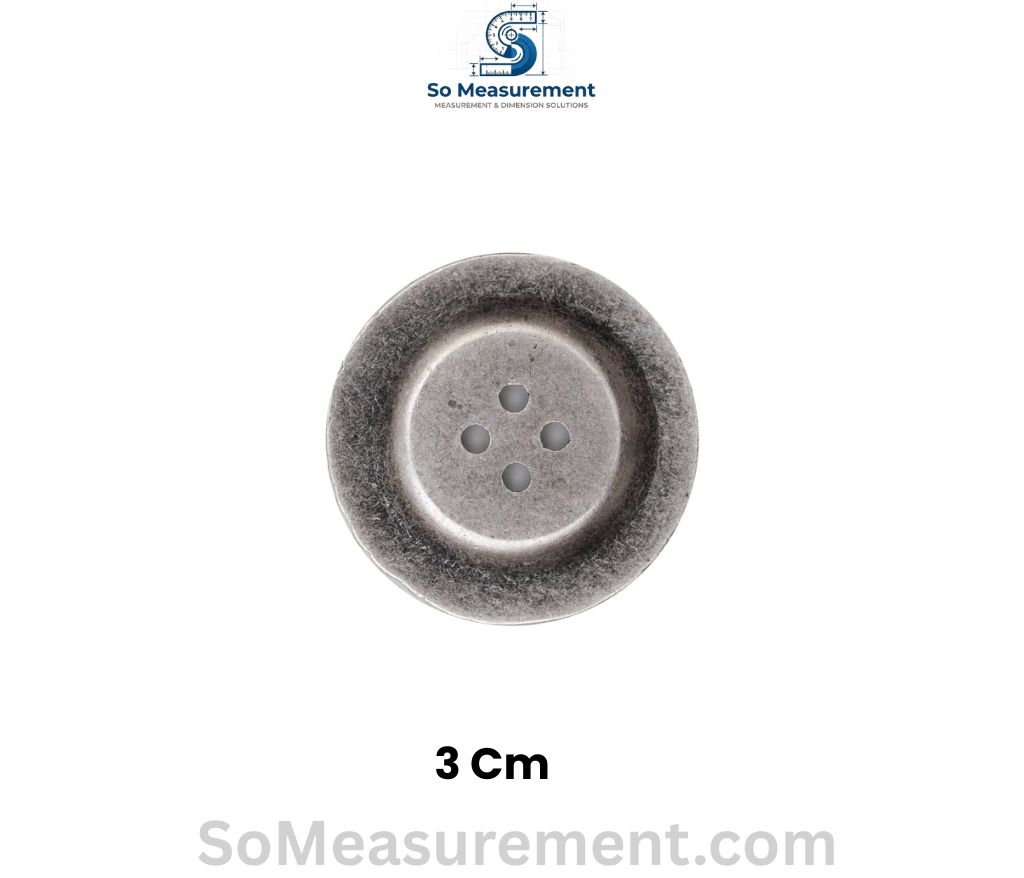
Large buttons used on heavy outerwear, wool coats, and thick jackets typically fall between 28 mm and 36 mm in diameter. In the traditional button measurement system, these correspond roughly to 44L to 56L (“ligne”), which is the trade standard for button sizing. A button in the 28–32 mm range sits comfortably at 3 cm.
These are noticeably larger than shirt buttons (which are usually just 10–12 mm across) and feel substantial in the hand. The 3 cm size is what gives coat buttons their characteristic solidity — they need to be large enough to pass through thick lapel buttonholes and easy to grip with gloved hands in cold weather.
A Medium Safety Pin (Size 2)
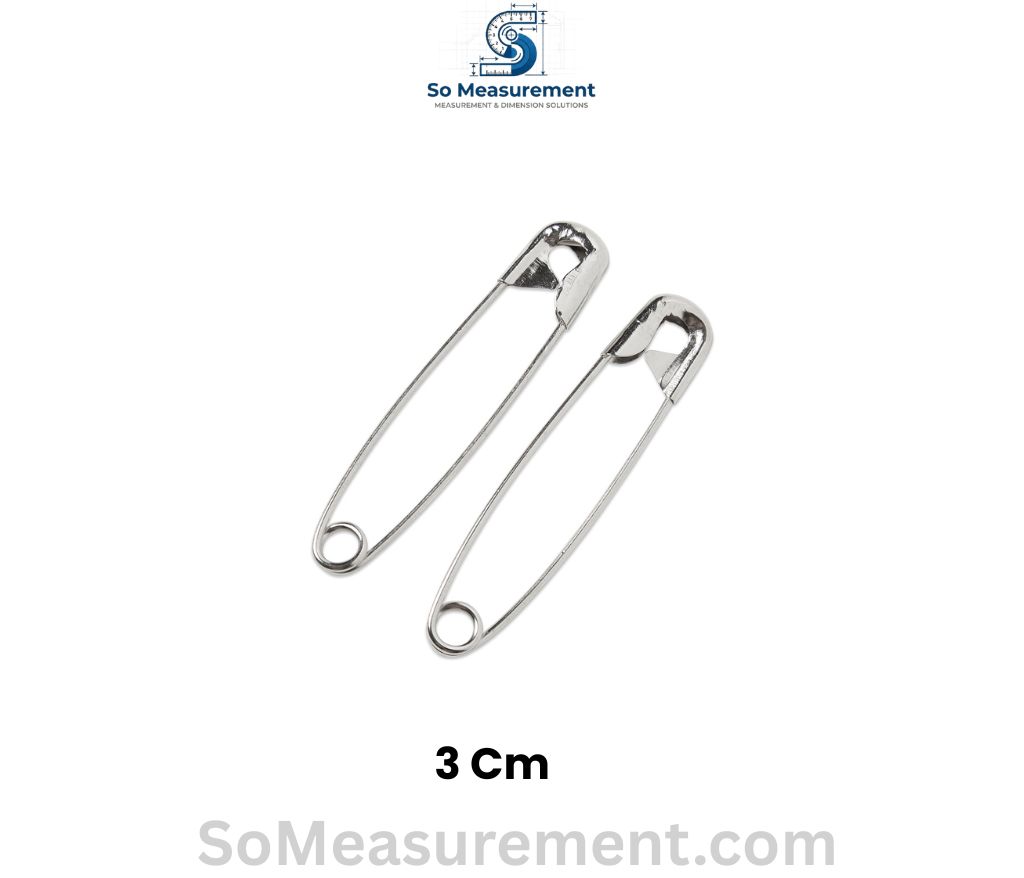
Size 2 safety pins are listed across most manufacturers as measuring approximately 1.5 inches (38 mm) in closed length, which puts them a little over 3 cm. Smaller sizes — the No. 1 pin at around 27 mm — are under 3 cm, and the No. 2 bridges the gap just above it.
If you place a closed size 2 safety pin flat on a ruler, it’s the body of the pin (excluding some of the clasp geometry) that runs close to 3 cm. These pins are commonly used in sewing, tailoring, and marathon race bib attachment because they offer a secure hold without tearing fabric. The size is close enough to make this a useful visual proxy, though it’s worth noting it runs slightly over 3 cm rather than exactly on it.
A Cabinet Drawer Knob
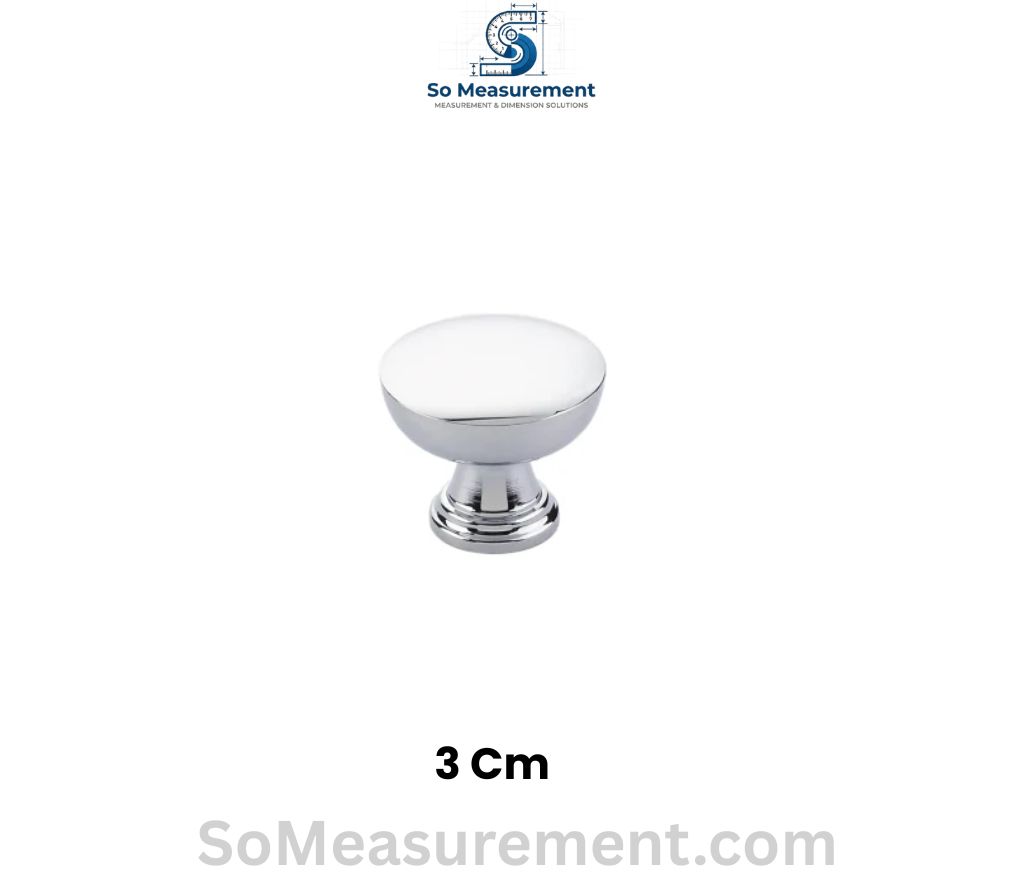
The most common small-to-standard cabinet drawer knob has a face diameter of about 25 to 32 mm. Within that range, the 32 mm (1.25-inch) knob is one of the most widely used sizes in residential kitchens and bathroom vanities. Smaller 25 mm knobs are more common in compact or minimalist cabinetry.
A 30–32 mm knob, when you pull it out of a drawer, is roughly the size of a large marble or a generous shirt button — and that impression of something round, solid, and easily gripped is exactly what 3 cm feels like in the hand. The projection (how far it sticks out from the surface) is a separate measurement and not the one being referenced here.
Read also: How Big Is 1 cm? Everyday Things that are 1 cm Long or Big
A Large Binder Clip
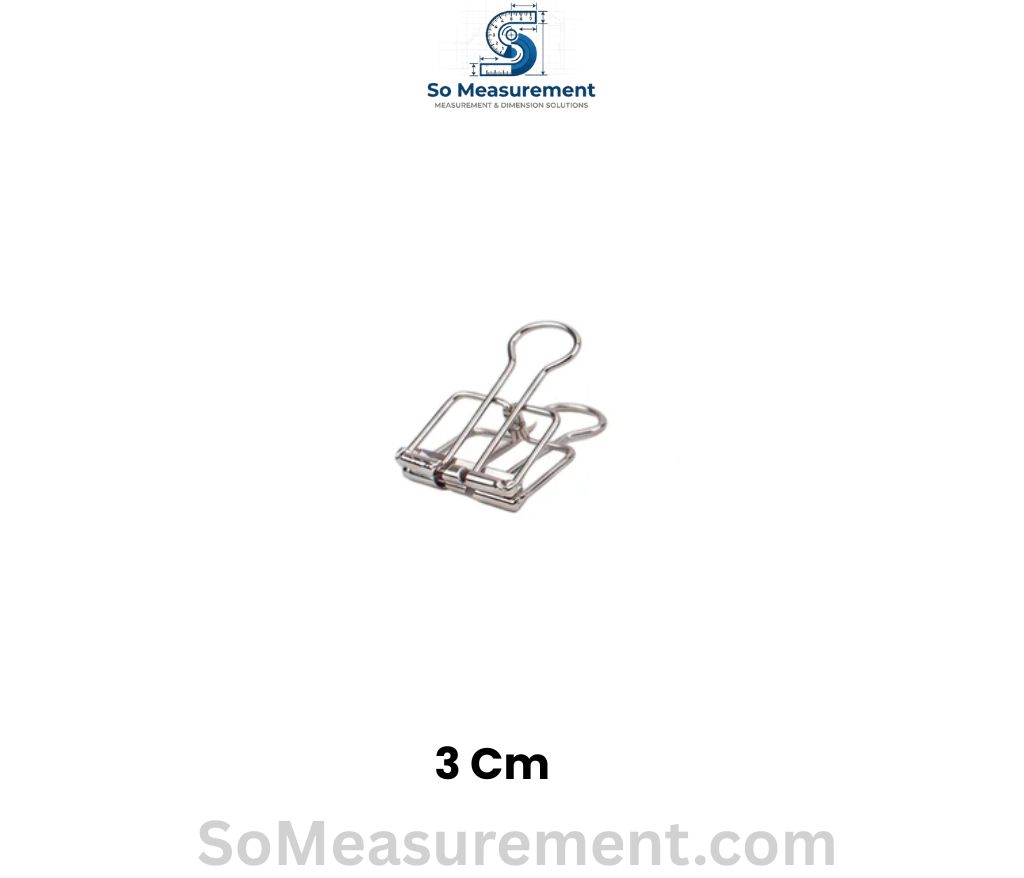
The body height of a large binder clip — measured from the folded base to the top of the triangular metal body (not including the folded wire handles) — comes in at roughly 28 to 33 mm depending on the specific product. The most commonly cited “large” binder clip is designated as 51 mm in width (measured across the mouth of the clip), but the standing height of that same clip body is approximately 28–30 mm.
This distinction matters because 3 cm refers to the vertical height of the clip when it stands upright on a desk, not its gripping width. Standing a large binder clip upright and looking at how tall its black metal body is gives you a solid sense of what 3 cm looks like in a chunky, physical form.
An SD Memory Card
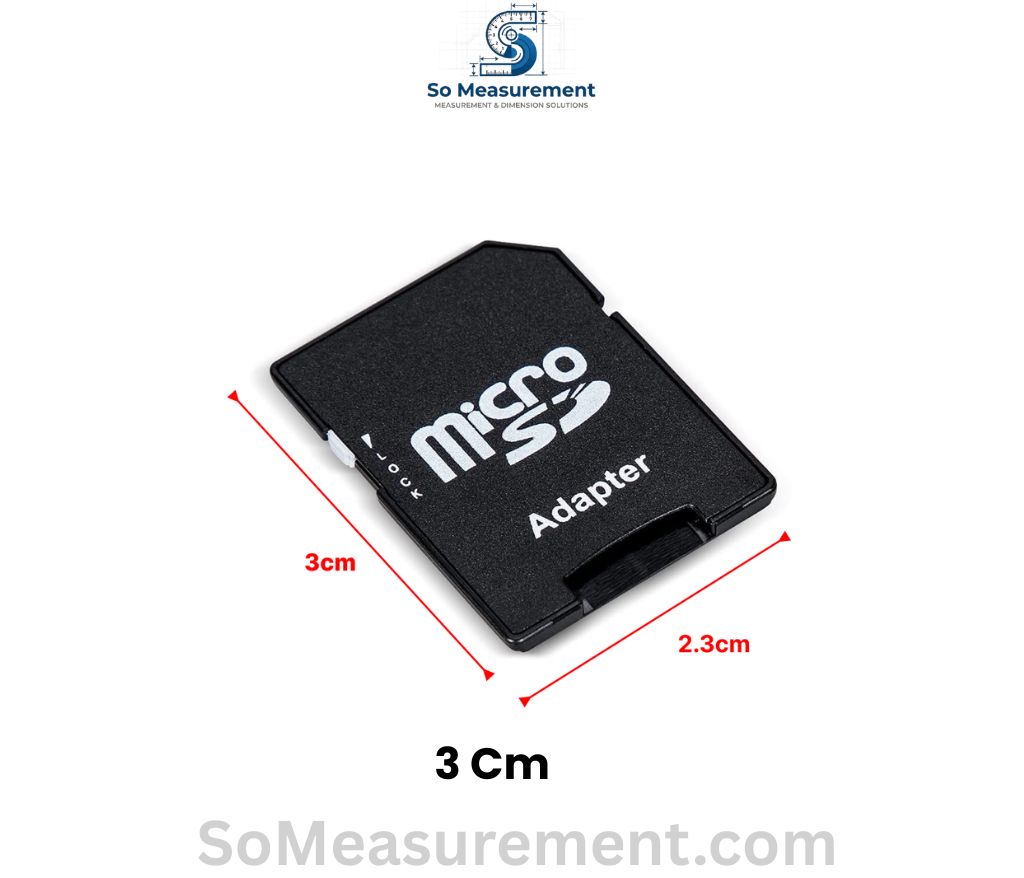
The full-size SD memory card — the standard format used in DSLR cameras, mirrorless cameras, and laptops — has official dimensions of 32 mm × 24 mm × 2.1 mm. Its longer side is 32 mm, which is just over 3 cm, and its shorter side is 24 mm, which is just under 3 cm.
This means an SD card is almost exactly 3 cm in one of its key dimensions depending on which edge you’re measuring. The card is thin, rigid, and has a very recognizable shape, making it a good reference for flat, rectangular 3 cm spans. Its shorter edge at 24 mm shows what slightly under 3 cm looks like, and the longer edge at 32 mm shows slightly over.
Read more: How Big Is 20 cm? See It, Feel It, Use It Without a Ruler
A Small Padlock Body
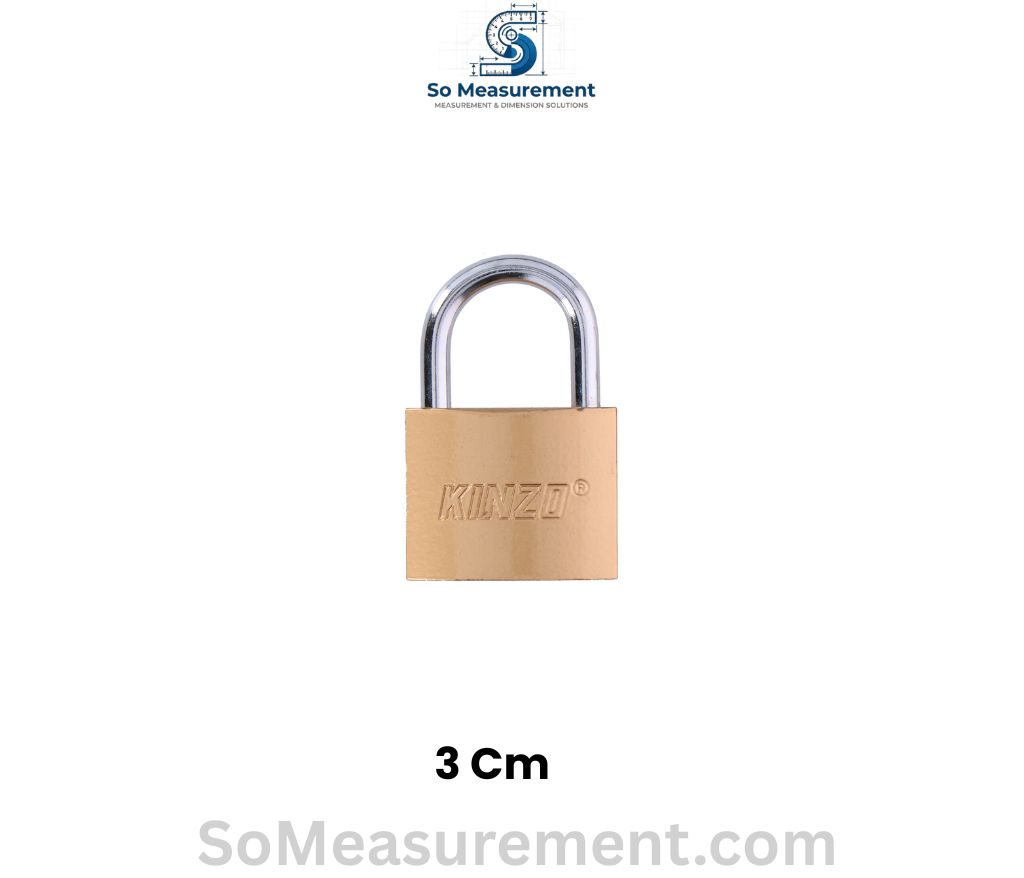
Mini or luggage-style padlocks typically have body widths in the range of 25 to 35 mm, with common small brass padlocks coming in at around 30 mm wide. Padlock sizing is conventionally expressed as the width of the lock body (the solid metal casing), and a 30 mm body width puts these squarely at 3 cm.
These are not heavy-duty security padlocks — those are much larger. The small padlocks used on luggage, diary locks, and small lockers are built to this compact size. Holding one in your palm gives a good sense of 3 cm as a chunky, weighty object rather than something flat or thin.
A Masonry Wall Plug (Rawlplug)
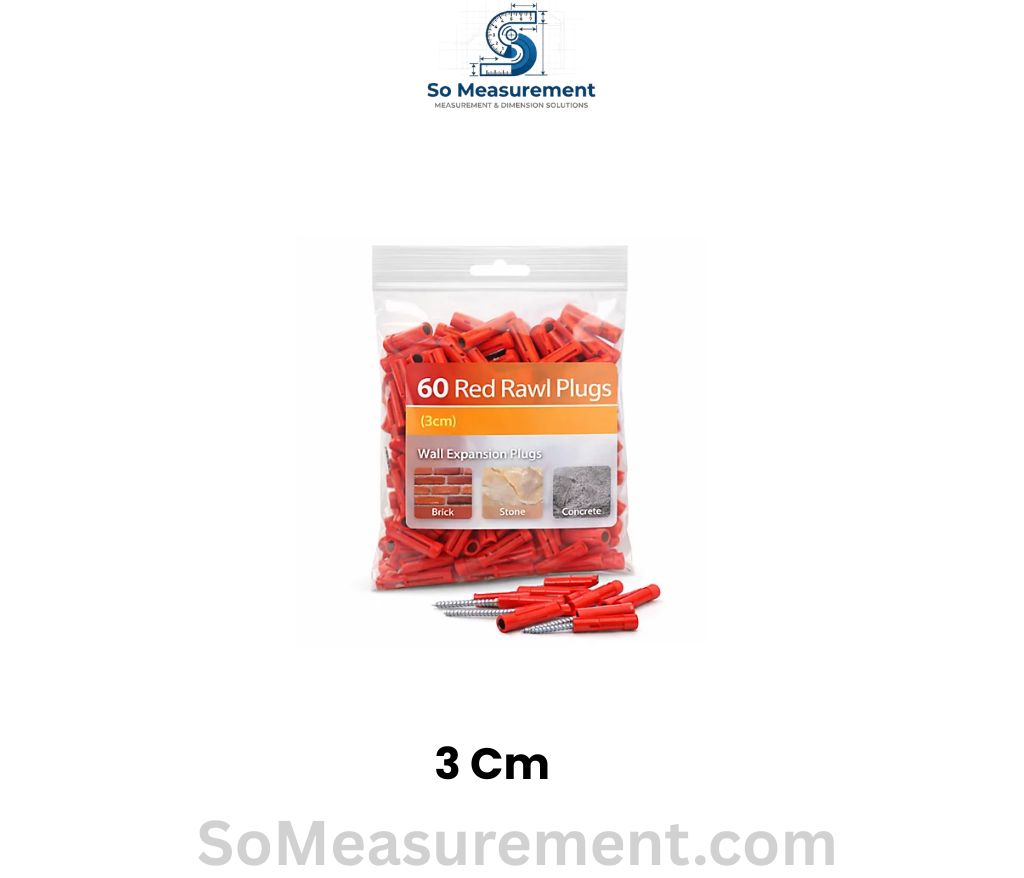
The plastic wall plugs used in everyday home DIY — the kind you tap into a drilled hole before inserting a screw into brick or concrete — come in several common lengths. The 25 mm and 28 mm versions are among the most frequently sold for general household use, representing the smaller end of the range. Some of the medium-duty plugs come in at 30 mm, sitting exactly at 3 cm.
The diameter of these plugs is much smaller (typically 5–7 mm), so the 3 cm measurement refers entirely to their length — how deep they sit into the wall. If you’ve ever tapped one of these into place and watched it flush with the surface, you have a good feel for 3 cm as a depth measurement.
A Staple Box (Height)
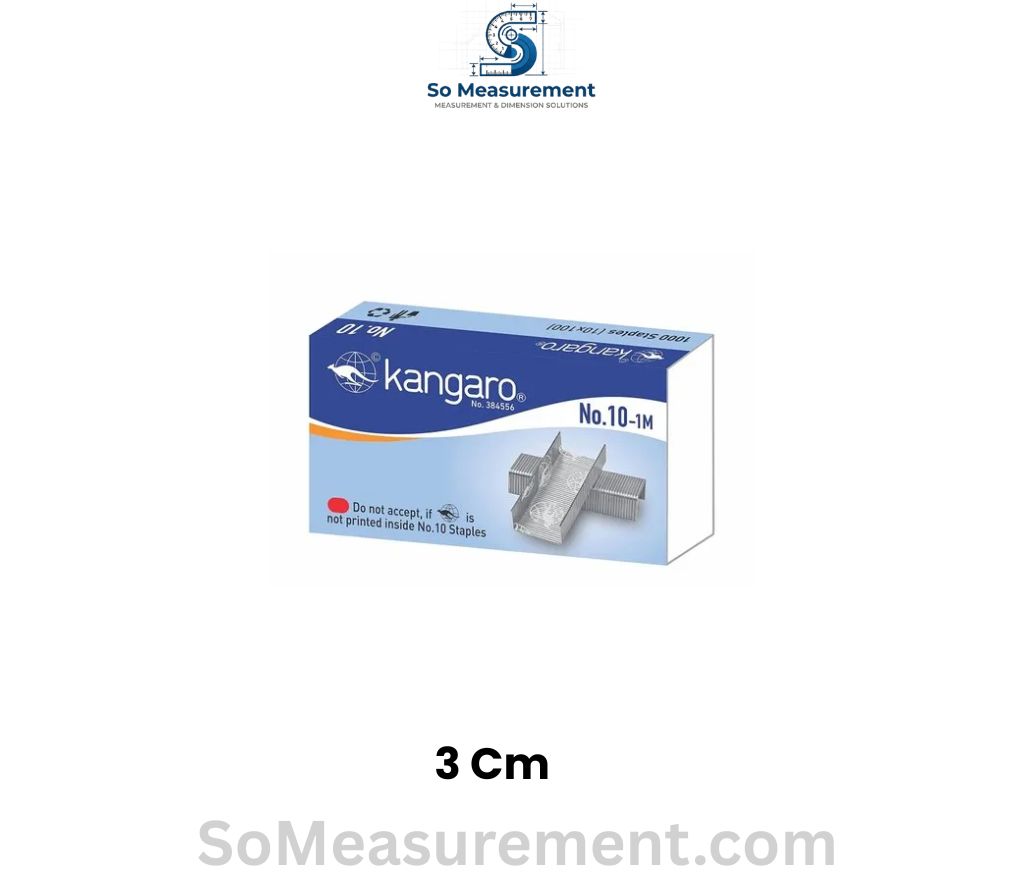
A standard box of 5,000 office staples — the slim, flat rectangular box you’d buy from any office supply store — has a height of roughly 24 mm according to documented product specs, though some brands measure slightly taller depending on their packaging. This puts the height of a staple box just at or slightly under 3 cm in its thinnest dimension.
The box itself is narrow, long, and surprisingly light, and its height is the measurement that falls closest to 3 cm. It’s worth noting this varies slightly between brands, so treat this as an approximate comparison — useful for getting the rough idea of the measurement rather than a precise 30 mm reference.
Putting 3 cm in Context
At 3 cm, you’re in the zone of small hardware, everyday stationery, and compact personal items. It’s smaller than a credit card’s width (85.6 mm) and larger than a standard staple’s leg length (6 mm). Most people can span 3 cm comfortably between their thumb and index finger, though body measurements vary and shouldn’t be treated as precise tools.
If you need to measure 3 cm without a ruler, a standard bottle cap laid flat is one of the more reliable rough references for this size — just be aware that different bottle types use slightly different cap diameters.
Read also:
14 Daily Use Things That Measure 3 Inches Long/Big
13 Daily-Use Things That Measure 4 Inches Long or big

Lev is passionate about helping readers understand sizes and dimensions of everyday objects. With a focus on clarity and practical examples, Lev shares accurate, trustworthy insights that make measurements relatable, useful, and easy to visualize for everyone.