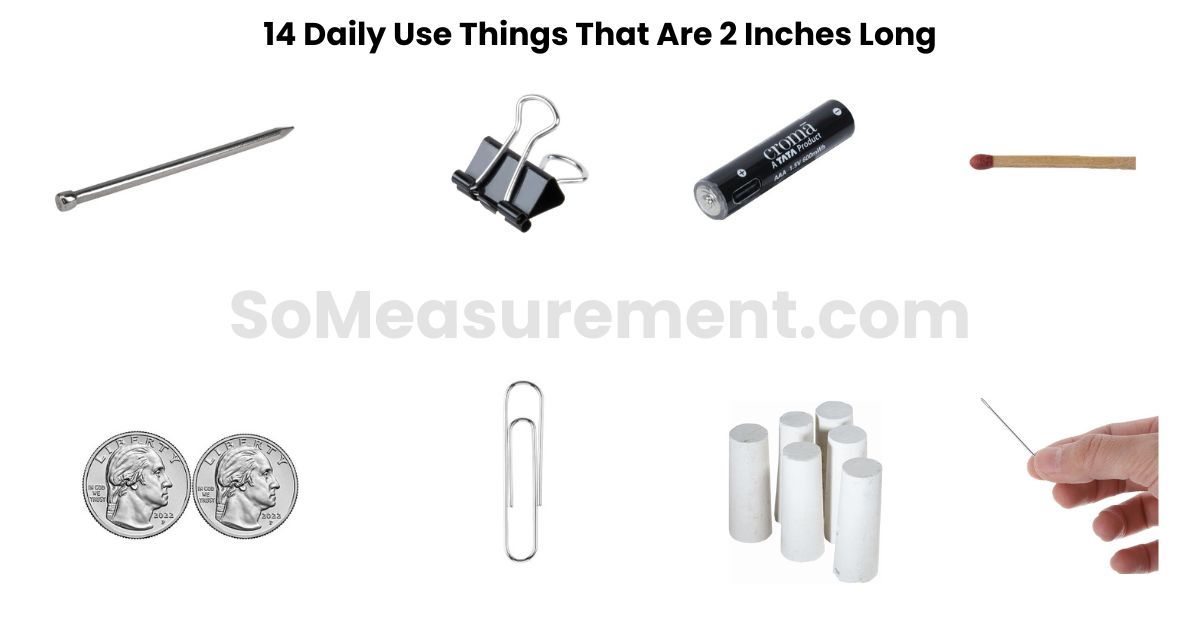
Two inches is exactly 5.08 centimeters, or about 50.8 millimeters. It sits in a peculiar zone: longer than a fingernail, shorter than a credit card, and small enough that most people genuinely struggle to picture it without a reference. The best way to lock the scale in your mind is through objects you already handle daily. Here are 14 things that land right at or very close to 2 inches, with accurate details about what dimension is actually being referenced for each one.
The 14 Objects That Are 2 Inches Long
| Object | Category | Dimension |
| Bobby Pin | Hair & Beauty | 2 in / 5.08 cm |
| Finishing Nail (6d) | Hardware & DIY | 2 in / 5.08 cm |
| Sewing Needle (Size 5 Sharp) | Craft & Sewing | 2 in / 5.08 cm |
| Round Cotton Pad | Skincare & Beauty | 2 in / 5.08 cm |
| Small Binder Clip | Office & Stationery | 2 in / 5.08 cm |
| Standard Matchstick | Household | 2 in / 5.08 cm |
| Small Hair Claw Clip | Hair & Beauty | 2 in / 5.08 cm |
| Lip Liner Pencil (used) | Makeup & Beauty | 2 in / 5.08 cm |
| Stick of Chalk (worn) | Art & Education | 2 in / 5.08 cm |
| Four AAA Batteries (side by side) | Electronics | ~2 in / ~50.8 mm |
| Folded Dollar Bill (one third) | Everyday Carry | ~2 in / ~52 mm |
| Two US Quarters (side by side) | Everyday Carry | ~2 in / ~48.5 mm |
| Jumbo Paper Clip | Office & Stationery | 2 in / 5.08 cm |
| Two Adult Thumbs (side by side) | Body Reference | ~2 in / ~50 mm |
1. Bobby Pin
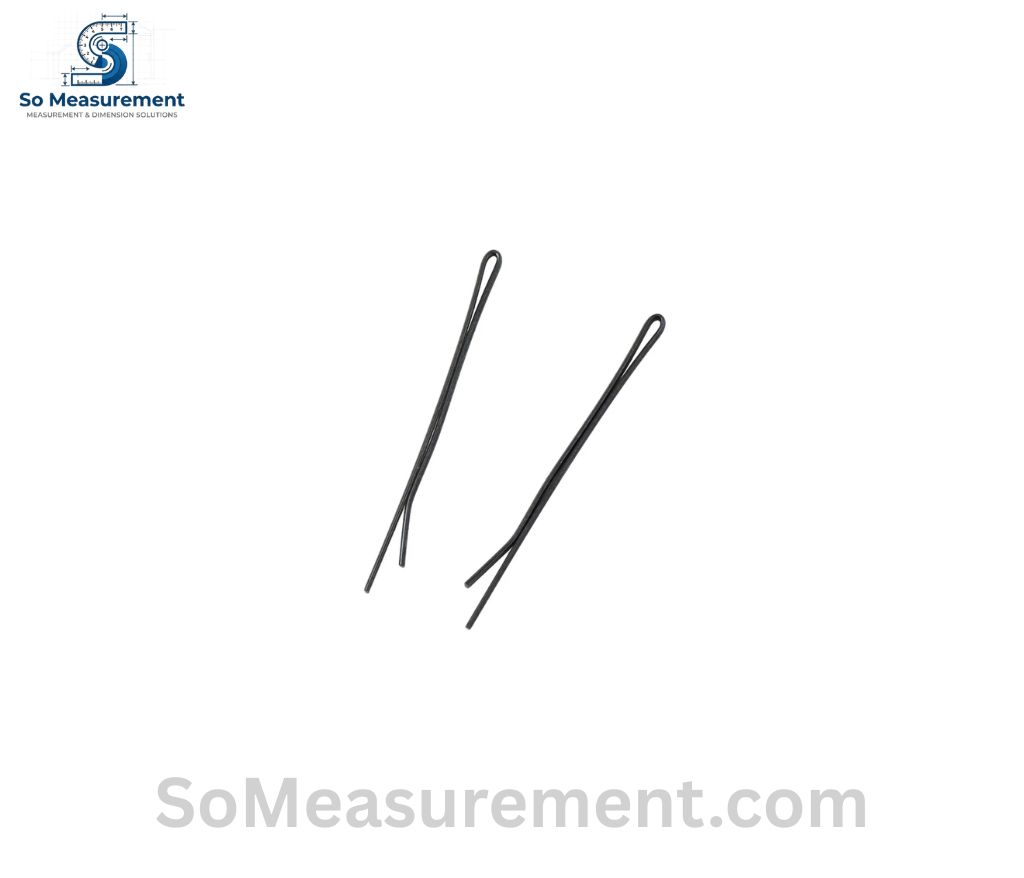
A standard bobby pin measures right around 2 inches from tip to tip, and this is not accidental. The length is long enough to create the tension needed to grip hair against the scalp, but short enough to stay discreet. The two metal legs press together once inserted, and that 2-inch contact area is what prevents the pin from sliding back out.
It is worth knowing that bobby pins come in multiple sizes. Mini versions run around 1.4 to 1.5 inches for fine hair, while jumbo styles stretch to 2.75 inches or more for thick or voluminous styles. The 2-inch version is the one most commonly found on large retail cards at drugstores and grocery stores, and it suits medium-weight hair for everyday styling tasks.
2. Finishing Nail (6d)
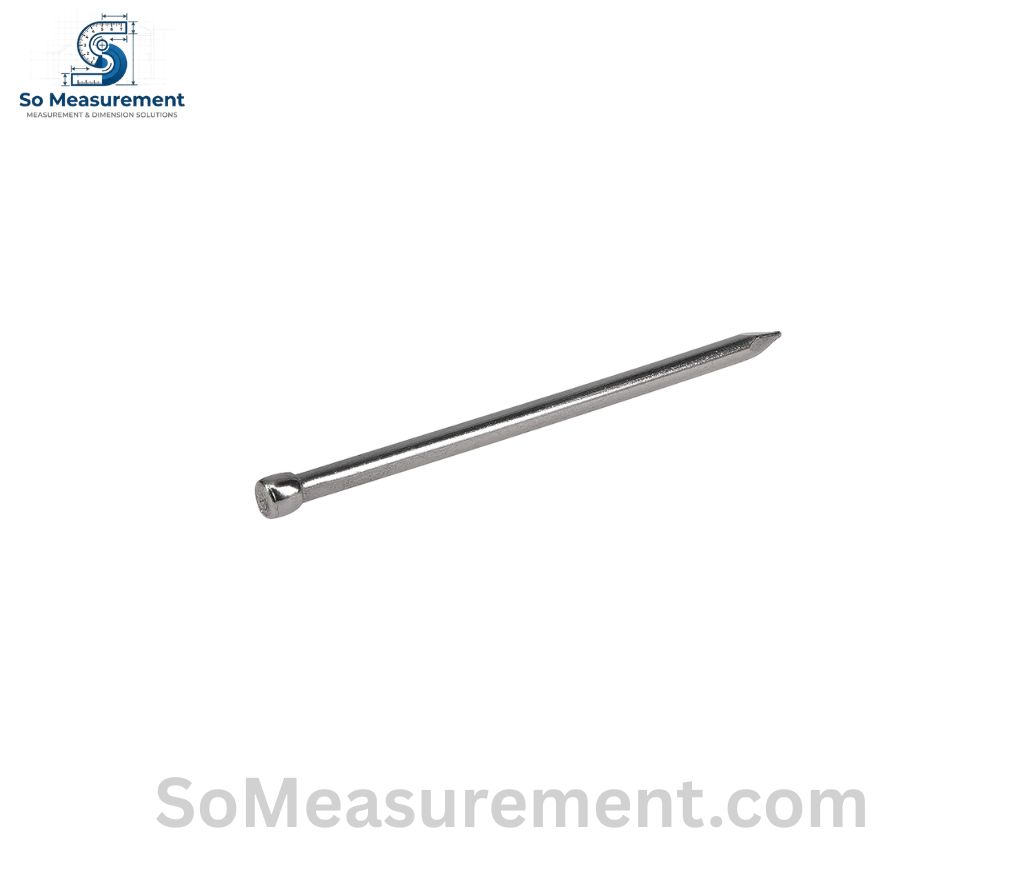
In the traditional nail sizing system, the letter “d” stands for penny, and the number before it tells you the length. A 6d finishing nail is exactly 2 inches long. This is not approximate: the penny system directly encodes length, so a 6d nail is always 2 inches, regardless of the manufacturer.
Finishing nails are thinner than common nails by design. The 6d size typically has a gauge between 11 and 15, translating to a shank diameter of roughly 0.09 to 0.12 inches, thin enough to avoid splitting trim or molding while still holding well. This is the nail most woodworkers reach for when attaching baseboards or door casings to walls, where the hole needs to be small enough to fill and hide with wood putty.
3. Sewing Needle (Size 5 Sharp)
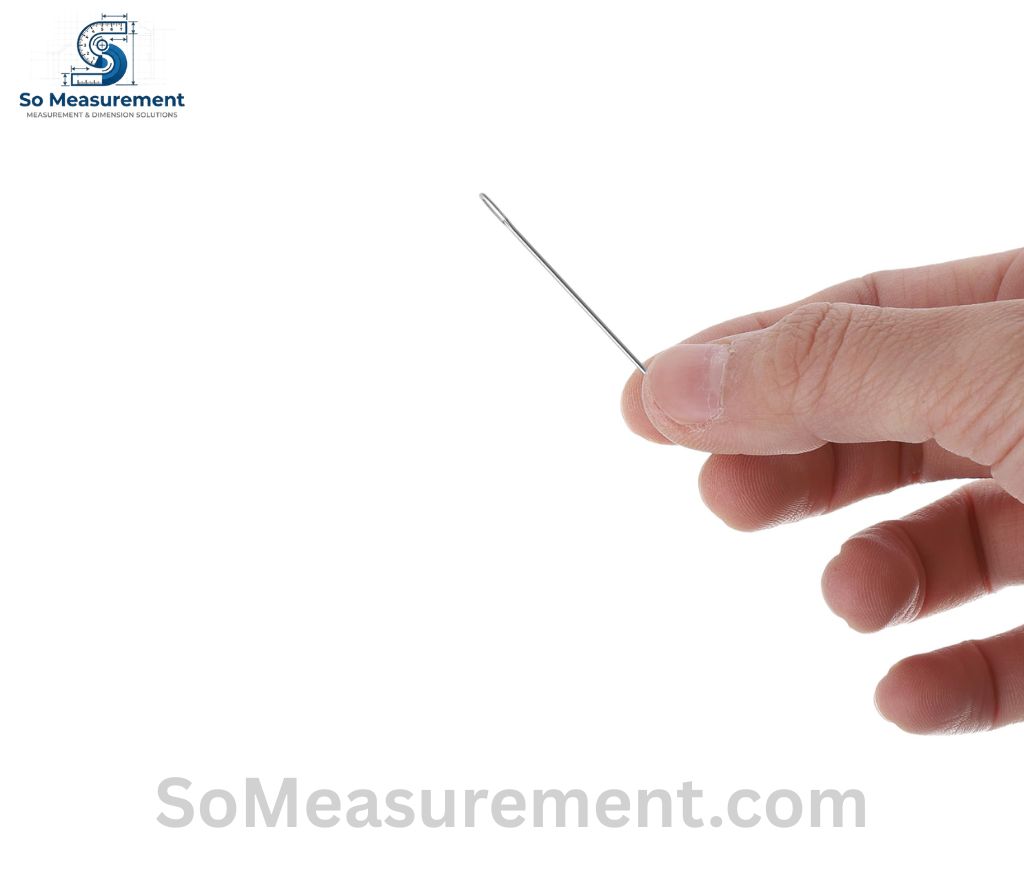
A size 5 Sharp hand-sewing needle sits in the middle of the needle sizing range and measures approximately 2 inches in total length. Needle sizing runs counterintuitively: the larger the number, the shorter and finer the needle. A size 5 falls roughly in the middle of the scale, making it one of the most widely used general-purpose hand-sewing needles.
Sharps are identified by their medium length, round eye, and sharp point, which allows them to pierce most woven fabrics cleanly. At around 2 inches, the size 5 offers enough length for comfortable grip while still allowing precise control. If you pick up a standard needle from a household sewing kit without reading the label, there is a reasonable chance it is close to 2 inches long.
4. Round Cotton Pad
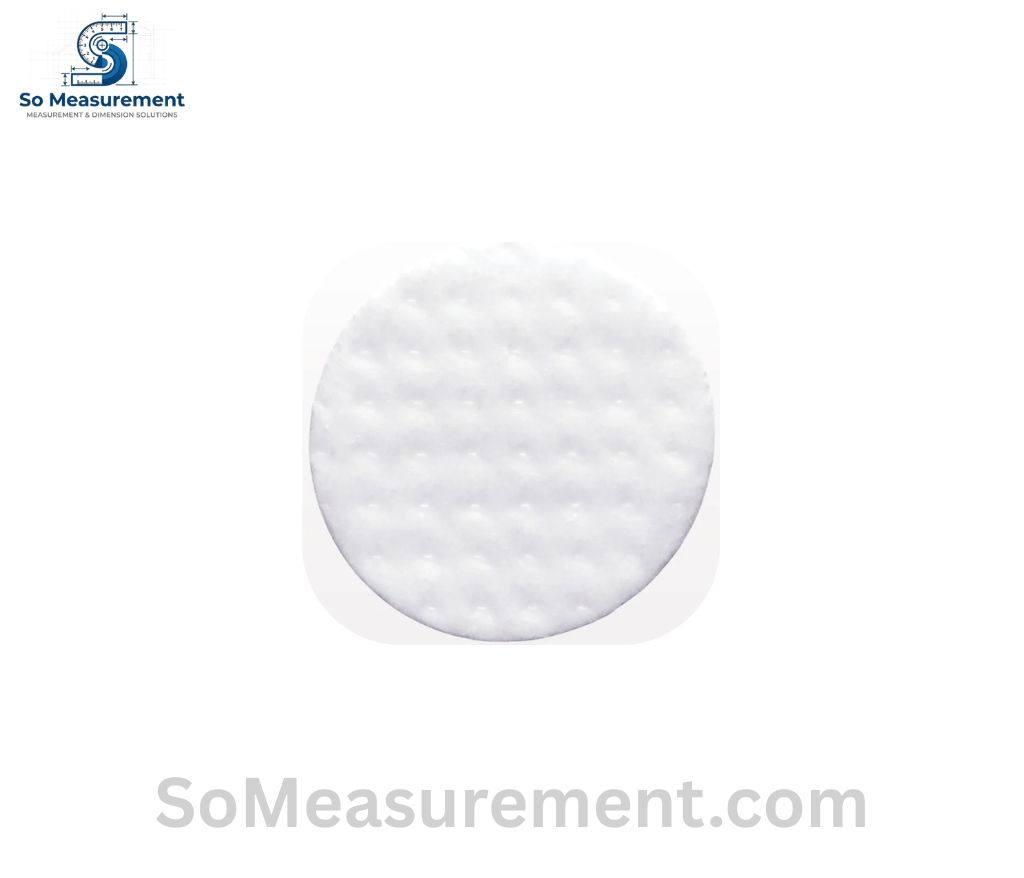
The most common round cotton pad sold at drugstores and beauty supply stores has a diameter of about 2.25 inches. This is close enough to 2 inches that it consistently serves as a useful visual reference, though the measurement here is the diameter across the circle, not a length.
The 2.25-inch size became a near-standard across professional and consumer skincare products because it covers the eye and cheek area comfortably without excess. If you lay one flat, the circular face covers a region that is very close to 2 inches across at its widest point. Many brands list the exact measurement as 57 millimeters, which works out to just over 2.24 inches.
5. Small Binder Clip
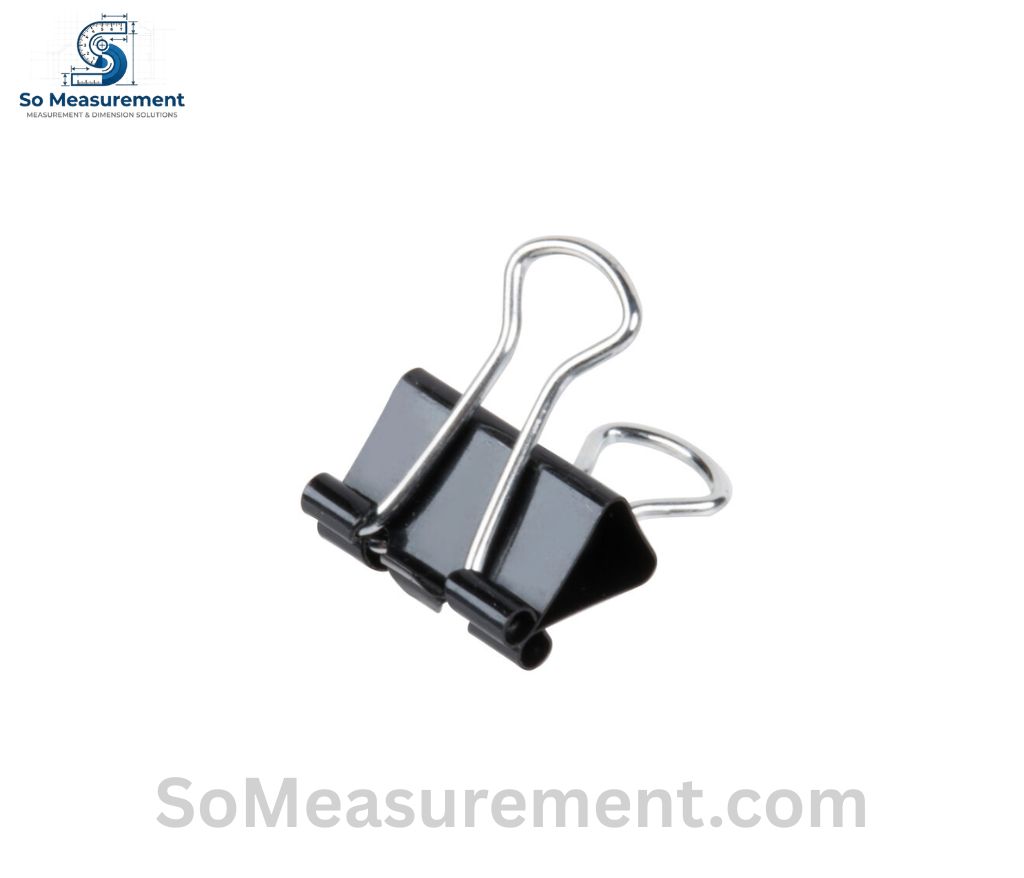
A small binder clip, meaning the standard “small” size that comes in office supply packs, has a jaw width of about 0.75 inches. But it measures approximately 2 inches when you account for the full clip length from the back of the clip body to the front of the jaw. More usefully for visualization, the clip sits comfortably in the fingertips at a scale that feels just under 2 inches long in your hand.
The small size is designed for stacks of about 10 to 20 pages of standard paper, with a gripping capacity of around 0.375 inches. This is the version that usually comes in bulk office packs. Its overall footprint, from one wire handle tip to the other, spans very close to 2 inches across, making it a handy desk-based reference.
6. Standard Matchstick
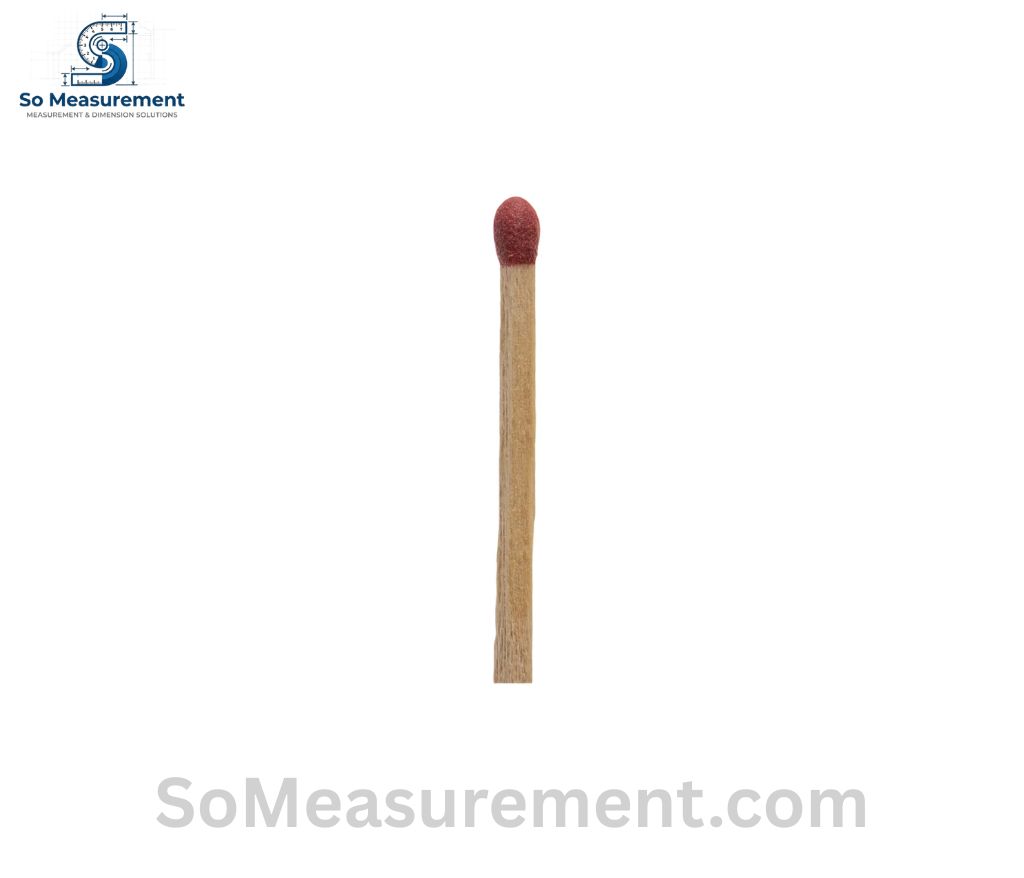
A standard household matchstick, the kind found in small restaurant-style matchboxes, measures about 2 inches in total length from tip to head. This is the length that has become the practical standard for common safety matches: long enough to keep the flame at a safe distance from the fingertips, short enough to fit in a compact box.
The length varies slightly depending on the type. Strike-anywhere matches run close to 2 inches, while longer kitchen or fireplace matches can reach 4 inches or more. The common 2-inch version is the one used in small promotional matchbooks and standard household matchboxes. Its slim wooden handle makes it one of the thinnest objects on this list at that length, which helps when comparing it mentally to a 2-inch ruler segment.
7. Small Hair Claw Clip
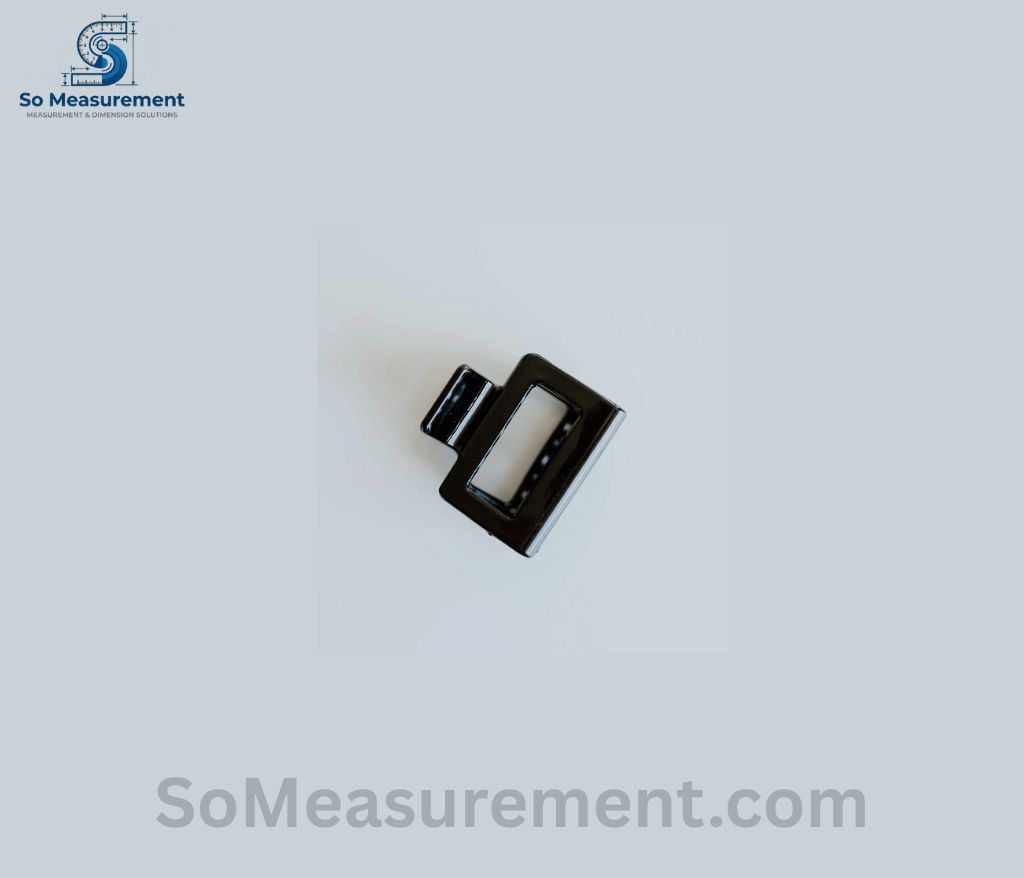
Small hair claw clips are widely sold in a 2-inch size, measured from one end of the jaw to the other when the clip is closed. This is the clip that holds a small section of hair at the crown or clips back a side sweep without the bulk of a larger claw. The 2-inch measurement describes the physical jaw length, not the opening width.
At 2 inches, these clips work well for fine to medium hair when used for half-up styles, keeping bangs off the face, or sectioning hair during styling. They are distinguished from mini clips (which run closer to 1 to 1.5 inches) and medium clips (which start around 2.5 to 3 inches). Several retailers explicitly label this size as their “small” or “2-inch” option.
8. Lip Liner Pencil (Used to Working Length)
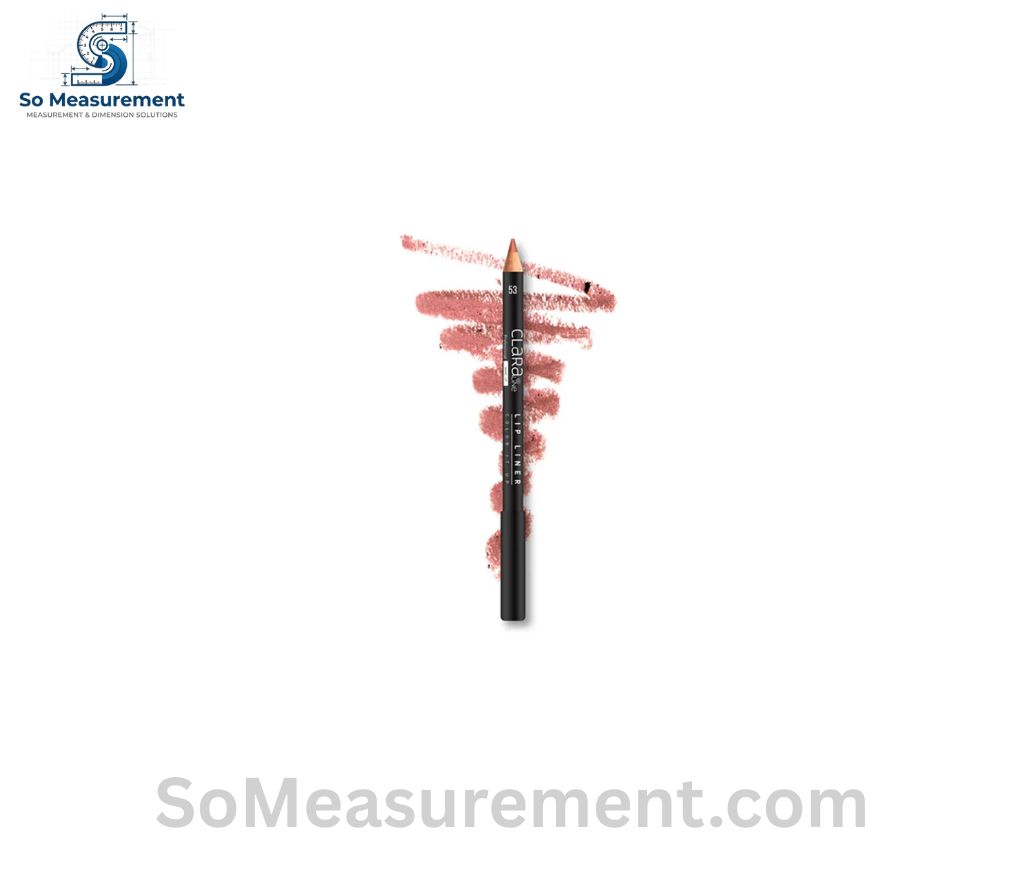
A new lip liner pencil typically comes between 5 and 6 inches long. After regular sharpening and use, the working portion shrinks considerably. By the time a pencil is worn down to what most people consider its practical usable length, the remaining stub plus cap sits around 2 inches. This is the point where many people replace the pencil even though some pigment remains, because holding it becomes awkward.
This makes a well-used lip liner one of the more intuitive everyday references for 2 inches: it is small enough to tuck into a tiny cosmetic pouch, easy to hold between two fingers, and the tapered wooden barrel feels roughly the same scale as a large paper clip or a finishing nail. A fresh pencil is obviously much longer; the 2-inch reference applies only to the well-sharpened, shortened version.
9. Standard Stick of Chalk
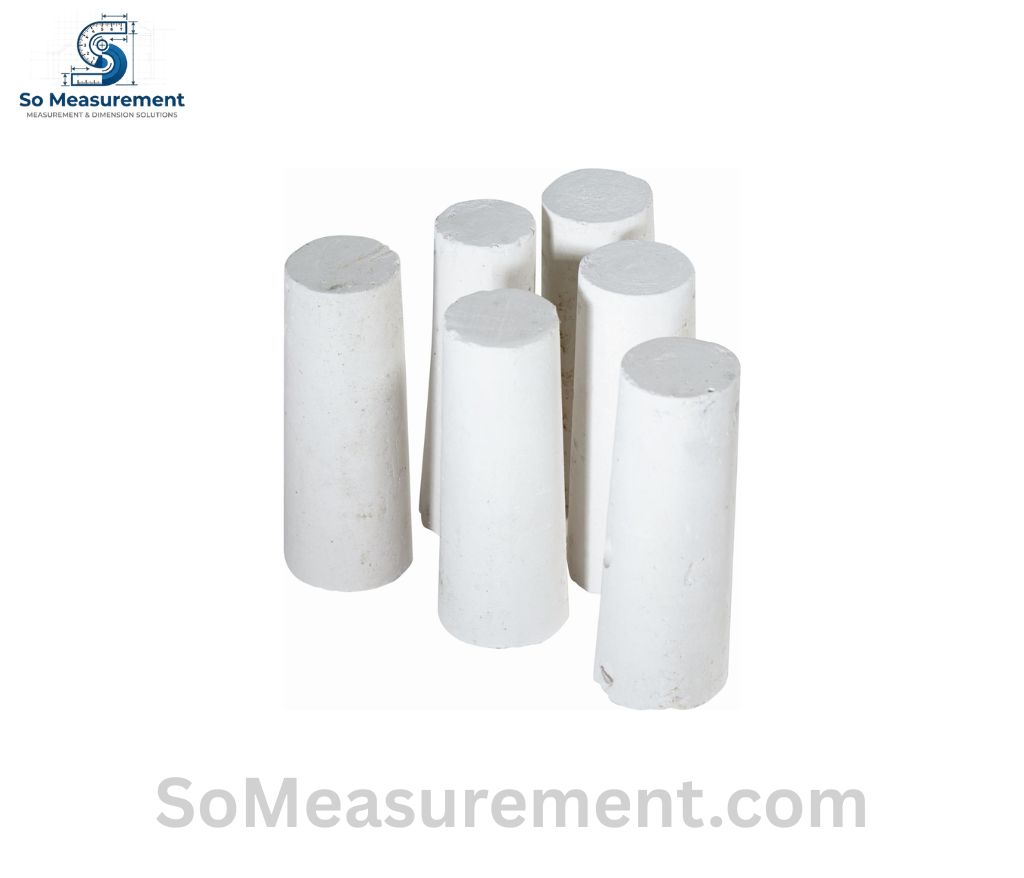
A standard classroom chalk stick measures approximately 3.15 to 3.25 inches when new, with a diameter of about 0.38 inches. That is not 2 inches. However, a chalk stick that has been used down to roughly the halfway point sits at about 1.5 to 2 inches. The chalk stub that teachers and students naturally stop using because it becomes too short to hold comfortably is very close to 2 inches long.
More precisely, many standard chalk sticks are sold at 3.25 inches (per several major brands), which means a half-used chalk is just over 1.6 inches, while a lightly used one still in the upper range could sit around 2.5 to 3 inches. The 2-inch reference works best for a chalk stick that has been in use for several sessions, noticeably shorter than new but still has some life in it.
10. AAA Battery Width (Four Side by Side)
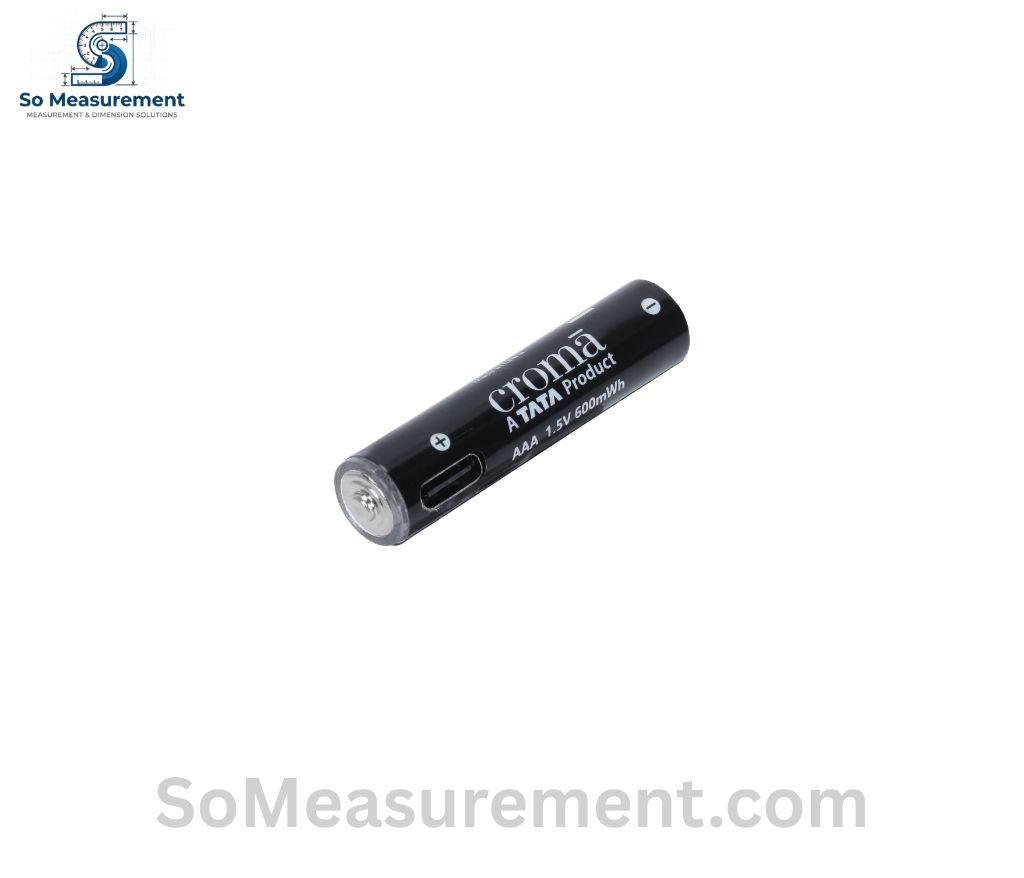
A single AAA battery has a standardized diameter of 10.5 millimeters, which converts to approximately 0.41 inches. Line up four AAA batteries side by side with their flat sides touching and the combined width is about 1.65 inches, close to but not quite 2 inches. To reach 2 inches, you would need closer to five batteries.
Including this as a reference is honest only with that caveat: four AAA batteries get you close, but not exactly to 2 inches. Five sit at roughly 2.05 inches. The single battery’s diameter is about 0.41 inches, making it a useful sub-inch reference on its own. For the 2-inch mark, a row of five AAA batteries side by side is the more accurate demonstration, though four gets you most of the way there.
Read also: How Big Is 1 cm? Everyday Things that are 1 cm Long or Big
11. Folded Dollar Bill (Corner Section)
A US dollar bill measures 6.14 inches long by 2.61 inches wide. If you fold a corner of a dollar bill down toward the center to create a rough right triangle at the corner, the short folded section along the bill’s width sits at approximately 2 inches. The full width of the bill is 2.61 inches, so a partial fold creates a segment very close to 2 inches.
This makes the dollar bill a convenient field reference. If you hold a bill at its short edge and fold it inward by about a third, the folded portion approximates 2 inches well enough to use for casual estimation. The bill’s width is the most accessible 2-inch-scale dimension on a piece of paper almost everyone has in a pocket or wallet.
12. Two Stacked US Quarters (Diameter Reference)
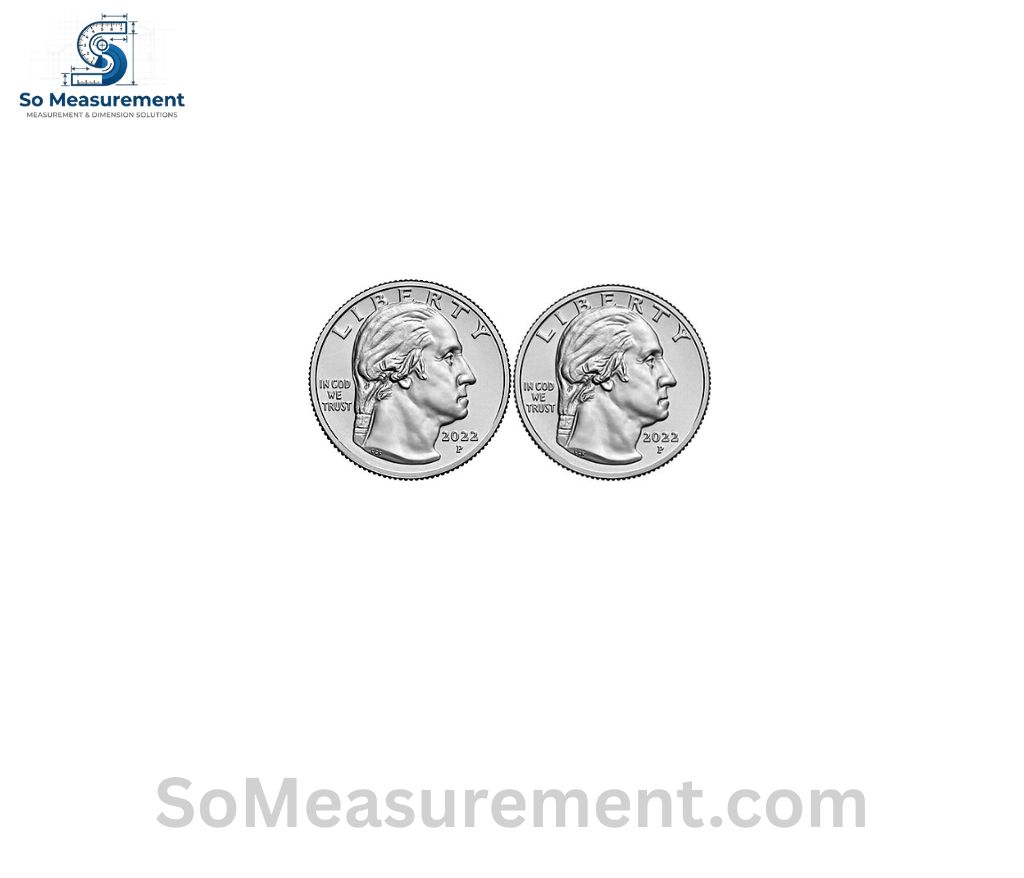
A US quarter has an official diameter of exactly 0.955 inches. Place two quarters side by side so their edges touch, and the total span across both coins is just under 1.91 inches, which is very close to 2 inches. The small gap from exactly 2 inches is less than 0.1 inches, well within casual estimation range.
This is a diameter reference, not a stacking reference: the 2 inches here describes the horizontal width across two coins laid flat side by side, not their combined thickness when stacked. The combined thickness of two stacked quarters would be only about 0.14 inches. The side-by-side comparison is the useful one for visualizing 2 inches as a length.
13. Paper Clip (Large Size)
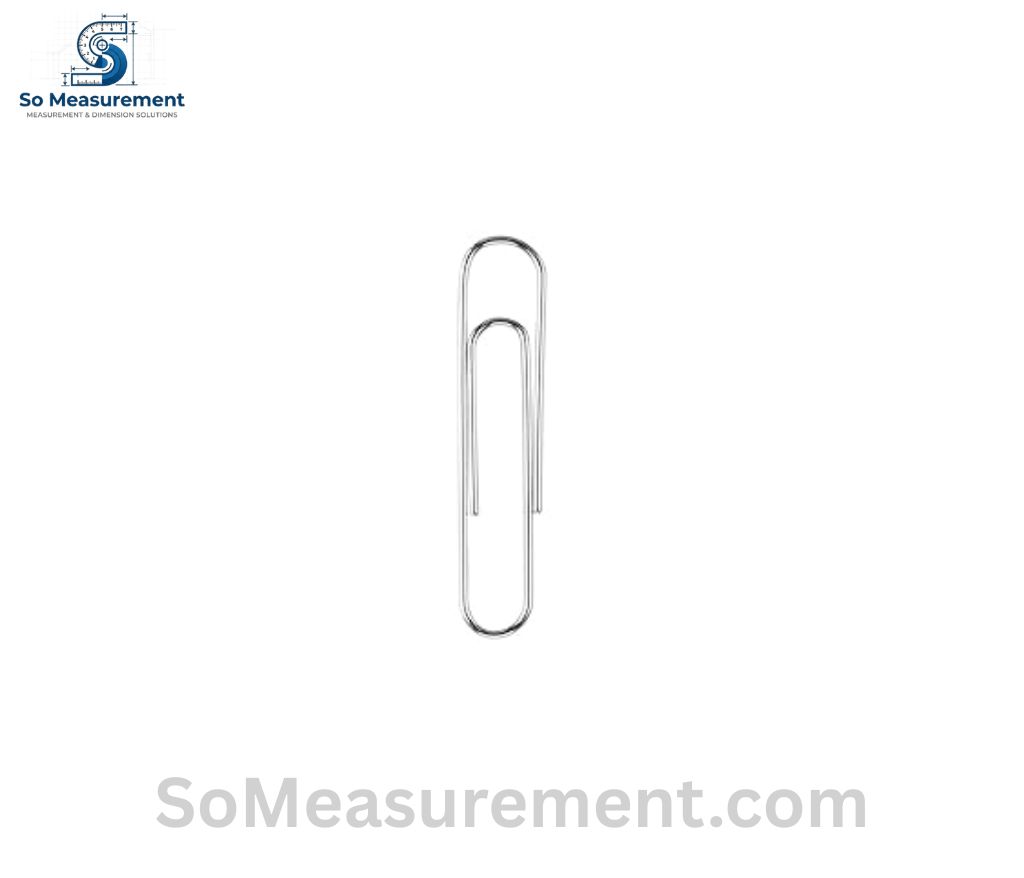
Standard paper clips, meaning the most common #1 GEM clip, measure about 1.38 inches. The large size paper clip, sometimes labeled as the “jumbo” or “large” style in office supply stores, runs from approximately 1.8 to 2 inches in length. This is the clip that holds thicker document stacks and provides noticeably more leverage than the everyday size.
At 2 inches, the large paper clip is about the same length as a standard bobby pin, which makes them a good visual pair to compare side by side. The wire is bent into its characteristic doubled oval shape, so the 2-inch measurement describes the total length of the clip from top loop to bottom end, not the uncoiled wire. It is a familiar and easy object to find on most desks.
14. The Width of Two Adult Thumbs
Place two adult thumbs side by side with their knuckles touching, and the combined width is roughly 2 inches. Average adult thumb width sits around 18 to 22 millimeters depending on sex and hand size, which means two thumbs together span approximately 36 to 44 millimeters, or about 1.4 to 1.7 inches on the lower end and closer to 2 inches for larger hands.
This comparison works best as a rough-and-ready field estimate rather than a precise measurement. A person with wider thumbs will hit 2 inches comfortably with two side by side; someone with narrower thumbs may need to add a finger. The interesting historical footnote here is that the inch itself was originally tied to thumb width, which is where the phrase “rule of thumb” as a rough measurement technique originates. Two thumbs representing two inches is therefore deeply fitting, even if it is not exact.
Keeping the Scale in Mind
Two inches is a short but practical length. It is long enough to hold or grip something with two fingers, short enough to disappear in a pocket or bag without being felt. The objects above cover a wide range of contexts: construction, beauty, office, household, and kitchen. Any one of them can serve as a quick mental anchor the next time you need to judge whether something is close to 2 inches without reaching for a ruler.
The most universally available reference is probably the dollar bill: almost everyone has one nearby, and the width of the short edge gives you a 2.61-inch reference that you can visually trim down to 2 inches by covering about a quarter of it. The bobby pin and the 6d finishing nail are the most precise everyday references if you happen to have either within reach.
Read more:
14 Daily-Use Things That Measure 16 Inches Long or big
14 Everyday Things That Measure 10 Feet Long or Big

Lev is passionate about helping readers understand sizes and dimensions of everyday objects. With a focus on clarity and practical examples, Lev shares accurate, trustworthy insights that make measurements relatable, useful, and easy to visualize for everyone.