13 inches equals exactly 33.02 centimeters, or just over 1 foot. As a length, it sits in a genuinely useful middle zone: longer than most hands, shorter than a standard ruler. If you held two standard pencils end-to-end, you’d be close. It’s the kind of length that shows up constantly in kitchens, offices, bathrooms, and living rooms, yet rarely gets mentioned on the label.
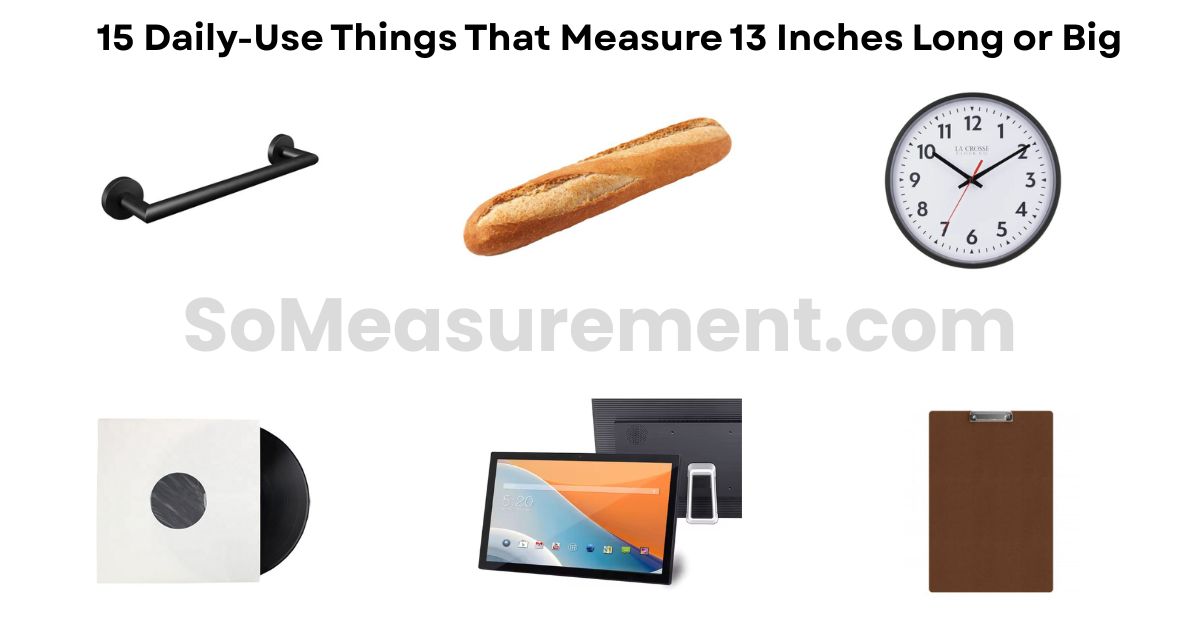
The list below covers 15 real objects that are 13 inches long, or where 13 inches is one of their key dimensions. Each entry explains which measurement applies and why it’s useful to know.
15 Daily-Use Things That Measure 13 Inches
| Object | 13-Inch Dimension | Notes |
|---|---|---|
| Chef’s Knife (large) | Overall length (blade + handle) | Blade itself is typically 8 inches |
| 9×13 Baking Dish | Length (interior) | Width is 9 inches |
| Fabric Storage Cube Bin | Each side (L x W x H) | Standard cube shelf fit |
| Standard Clipboard | Length of board | Width is about 9 inches |
| Vinyl Record Outer Sleeve (gatefold) | Width including spine | Standard LP outer sleeve is ~12.75 inches |
| Compact Cutting Board | Length | Small boards designed for single tasks |
| Wall Clock (medium) | Diameter | Face diameter of a common 13-inch clock |
| Laptop Cooling Pad (13-inch) | Width of pad surface | Sized to match 13-inch laptops |
| Large Tablet (13-inch display) | Screen diagonal | Physical device is slightly smaller |
| Charger Plate | Diameter | Most common charger plate size |
| Paddle Hairbrush | Total length | Handle plus head combined |
| Half Baguette | Length | Half of a standard 26-inch baguette |
| 13-Inch Pizza | Diameter | Between small and medium at most pizzerias |
| Colander (handle to handle) | Total length | Bowl plus one long handle |
| Small Bathroom Towel Bar | Bar length | Compact version, fits hand towels |
1. Chef’s Knife
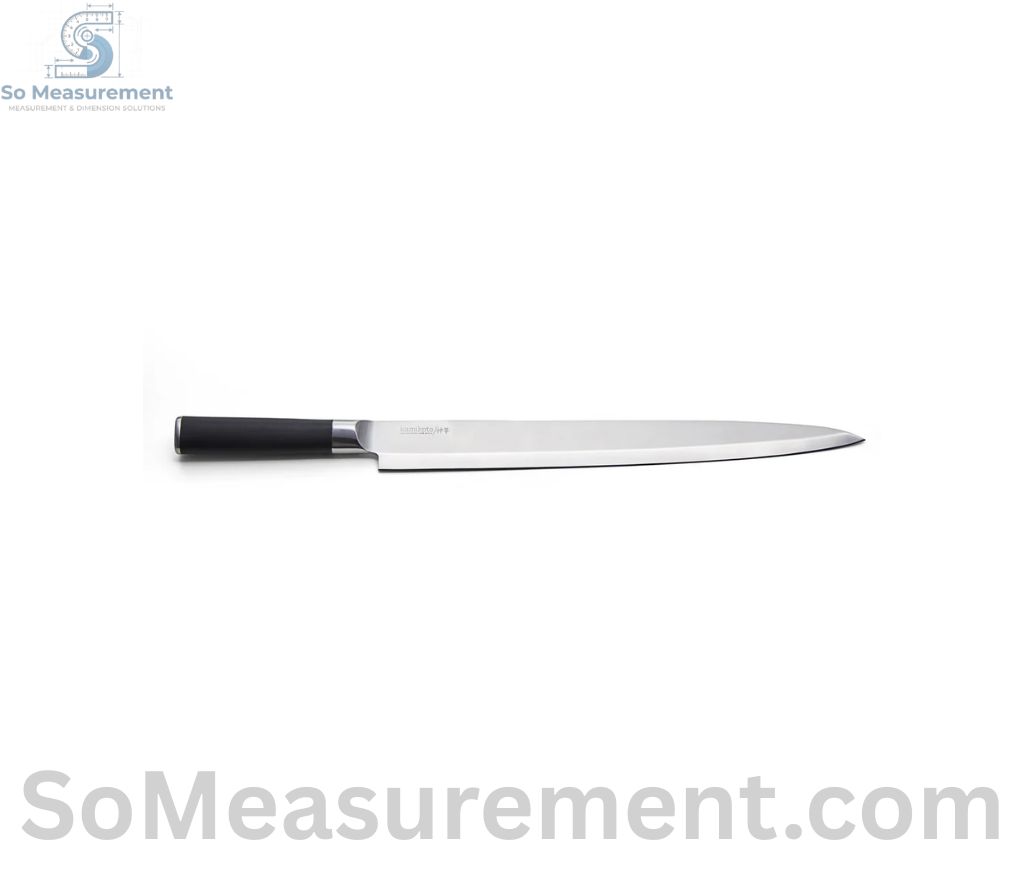
When a knife is labeled by its blade length, the full tool is always longer. An 8-inch chef’s knife, for instance, typically measures around 12 to 13 inches from tip to handle end once the handle is included. That’s the number that matters when storing it in a knife roll, a block, or a drawer. A 13-inch overall length is a realistic total for many popular professional-style knives with a moderate handle.
It’s worth being precise here: the blade itself on a 13-inch-overall chef’s knife is usually around 8 inches, measured from tip to heel, which is the standard way knives are sized in retail. The remaining 4 to 5 inches is the handle. This distinction matters if you’re measuring a knife drawer or travel case, where the full length determines fit.
2. 9×13 Baking Dish
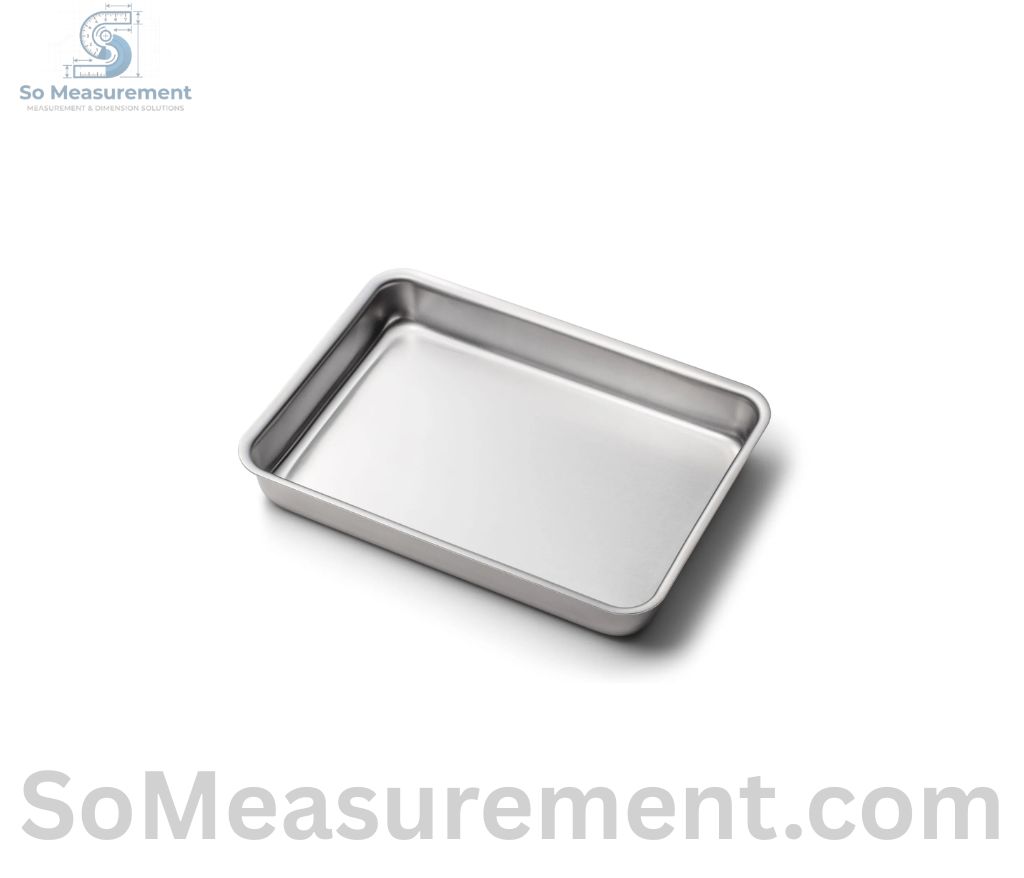
The name says it all: the 9×13 baking dish is exactly 13 inches in interior length and 9 inches in interior width. These are the measurements taken from the inside rim. The exterior dimensions are slightly larger depending on wall thickness and rim design, which is worth remembering when checking whether a dish fits a specific cabinet shelf.
This is one of the most common pan sizes in home kitchens and is called for in an enormous range of recipes, from sheet cakes and brownies to lasagna and casseroles. Standard depth runs about 2 inches, giving a volume of roughly 14 to 15 cups. The 13-inch length is what gives it capacity for family-sized portions while still fitting standard ovens with room to spare.
3. Fabric Storage Cube Bin
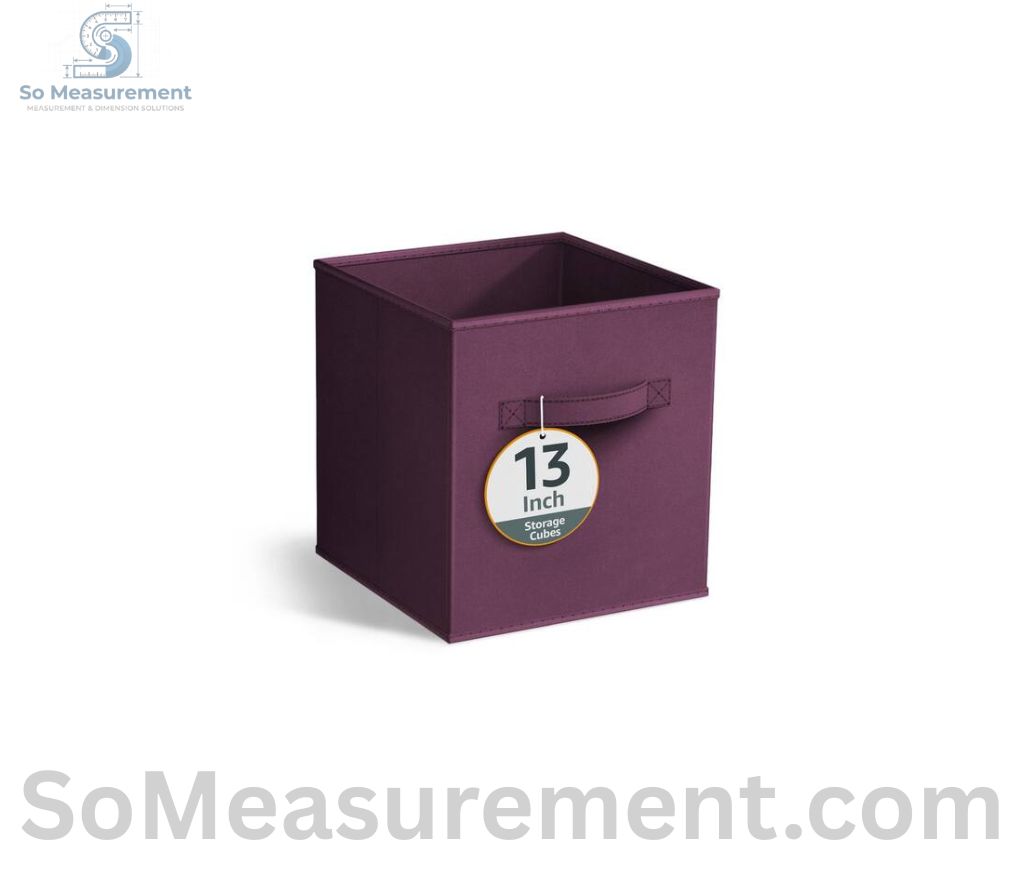
The standard fabric storage cube bin designed for modular cube shelving measures 13 x 13 x 13 inches. This size was established to fit the interior openings of widely sold cube organizers, which typically have inner compartment dimensions around 13 to 13.5 inches on each side. Bins sold as “13-inch” are meant to slide in snugly without wasted space.
These bins collapse flat when not in use, which is handy for seasonal storage. They’re typically made with a fabric exterior over a light internal frame and a reinforced bottom. Because the 13-inch size is the most widely stocked option, it’s the one that fits the broadest range of cube furniture sold by major retailers.
4. Standard Clipboard
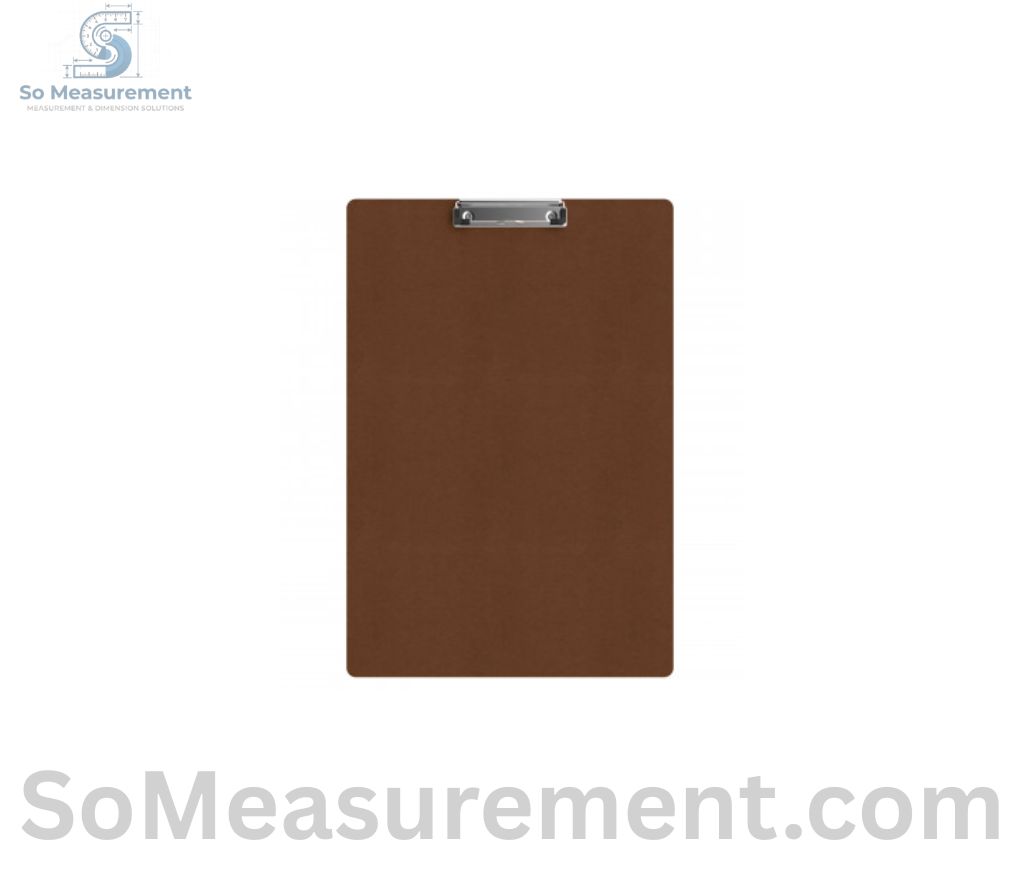
A standard letter-size clipboard in the United States measures approximately 9 by 12.5 inches, which places it just under 13 inches in length. Some models run to 12.75 or even 13 inches including the clip mechanism at the top. The width is consistently around 9 inches to hold 8.5-inch-wide letter paper with a small margin on each side.
The clip itself adds a small amount to the total length beyond the board’s surface. If you’re measuring a clipboard to fit inside a bag or storage compartment, accounting for the full 13 inches is safer than going by the stated paper size. Legal-size clipboards, by contrast, are significantly longer at around 14 to 14.5 inches.
5. Vinyl Record Sleeve
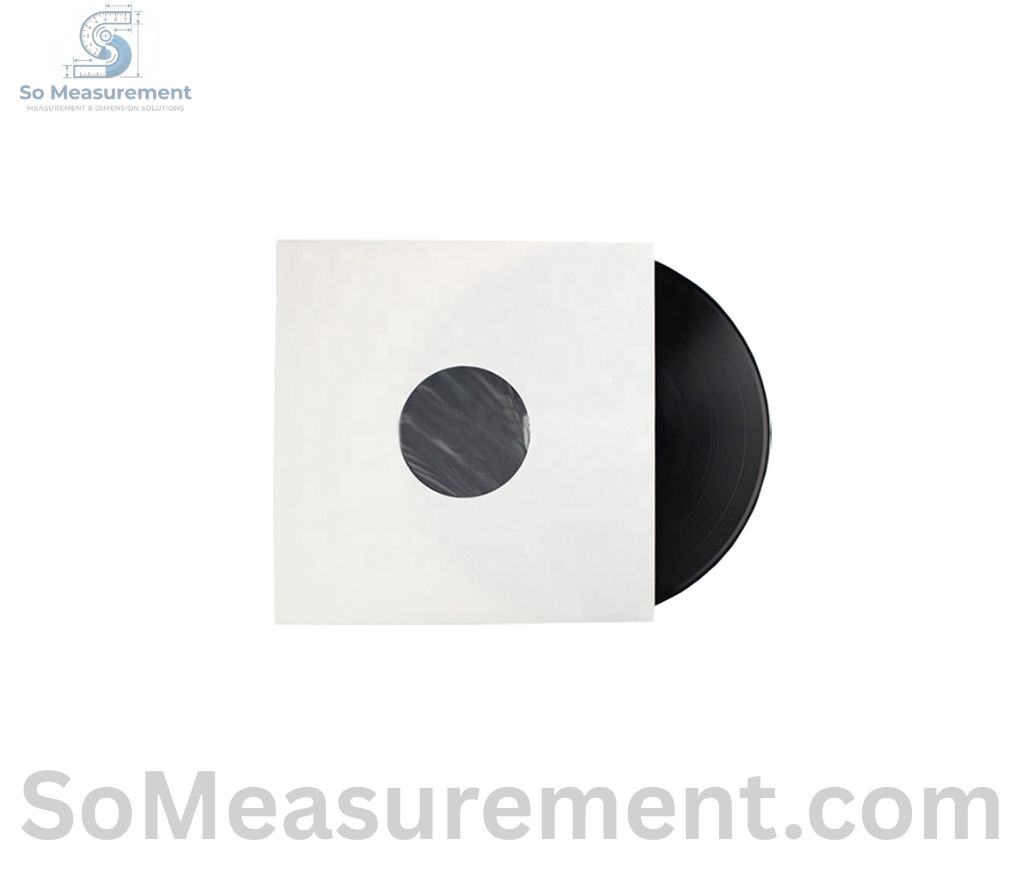
A standard 12-inch LP outer protective sleeve measures approximately 12.75 inches square, putting it right at the edge of 13 inches. Gatefold album covers with thicker spines, or sleeves designed to accommodate thick gatefold jackets, often push into the 13-inch range to allow clearance. Some gatefold-specific outer sleeves are sold at exactly 13 inches wide to accommodate the additional spine width.
The inner sleeve that holds the actual vinyl is smaller, around 12.25 inches square, so the record sits inside with protection on all sides. If you’re building a display or custom storage for records, knowing that outer sleeves approach or reach 13 inches in width is the relevant number for shelf depth and frame sizing.
6. Compact Cutting Board
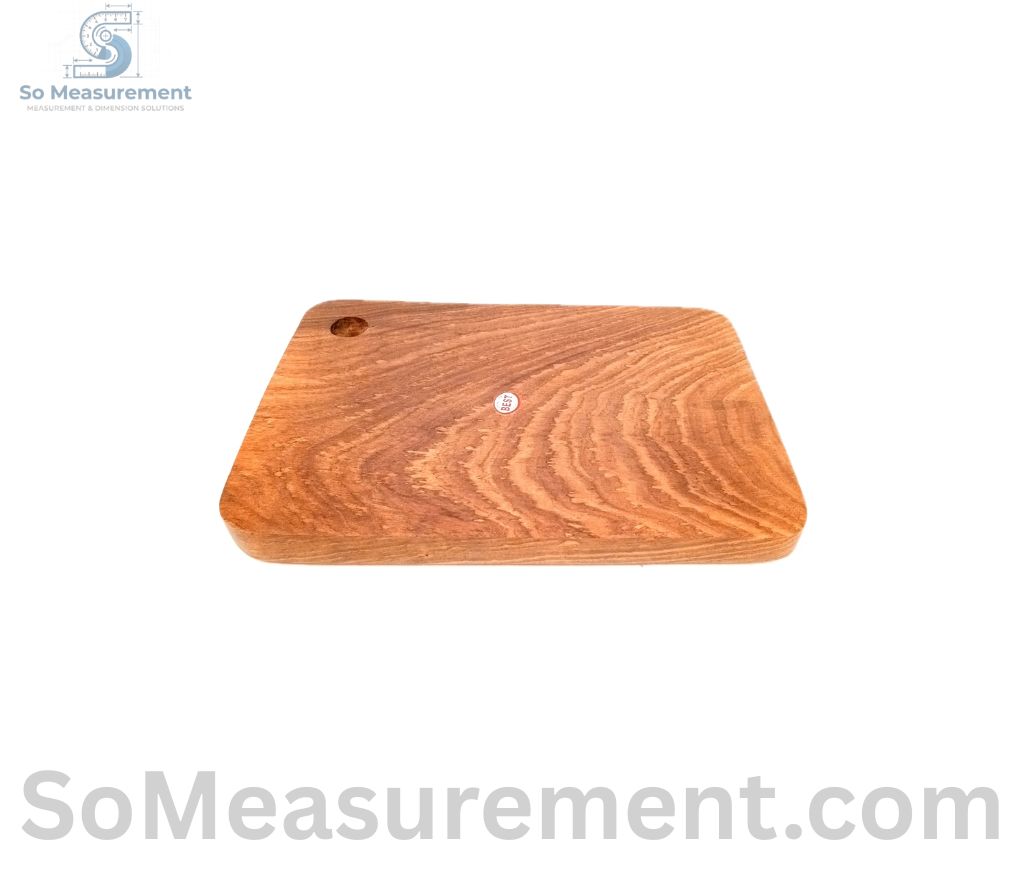
Many cutting boards marketed as small or compact for individual food prep tasks measure around 13 inches in their longest dimension. These are designed for tasks like slicing a single piece of bread, preparing fruit, or cutting herbs, rather than full-scale meal prep. A 13 x 9 inch board is a common proportion for this category.
This size is intentionally practical: large enough to handle most single-ingredient prep, small enough to wash easily by hand and store upright in a cabinet. End-grain and plastic versions both commonly appear at this length, making 13 inches a well-established footprint for the compact cutting board category.
7. Wall Clock (Medium)
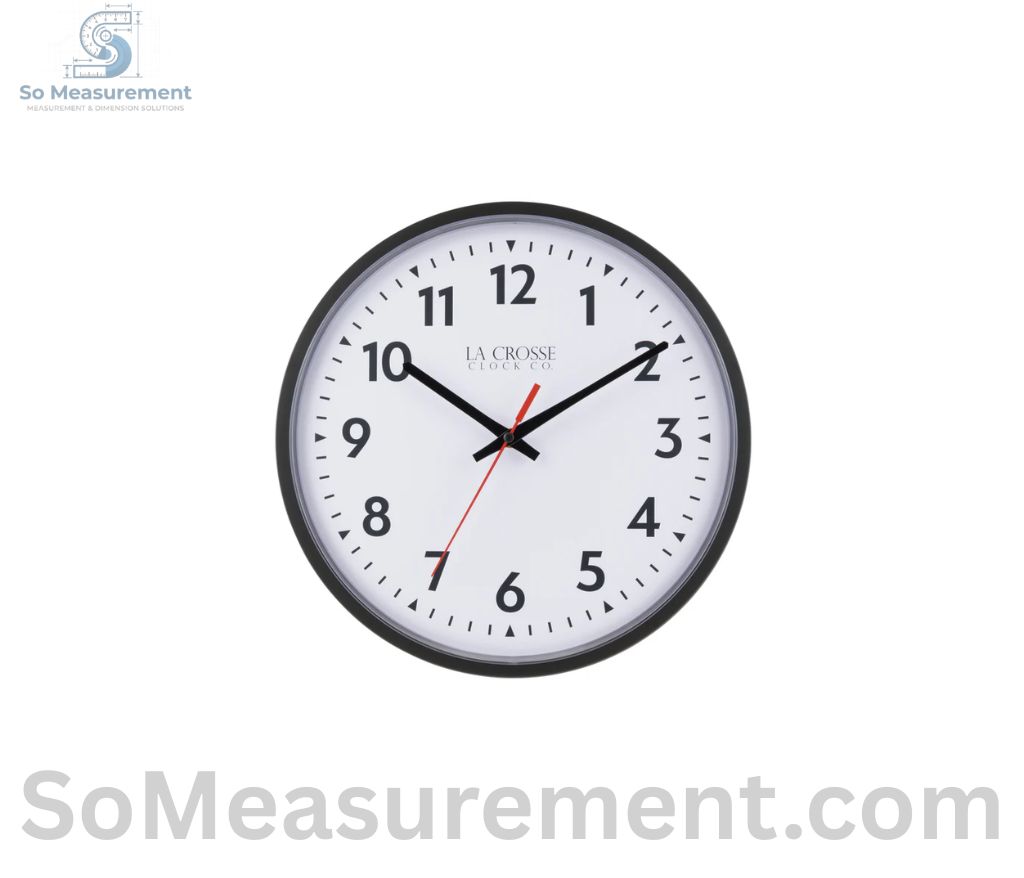
A medium-sized wall clock with a 13-inch face diameter is a popular choice for kitchens, hallways, and office spaces. The face diameter is the number most commonly used when sizing a clock, and 12 to 14 inches covers the range that’s typically called “medium” in retail. A 13-inch clock is a practical middle choice: readable at a distance without dominating a wall.
The outer frame adds to the total mounted size, typically bringing the overall diameter to 13.5 to 14.5 inches depending on frame width and style. When measuring wall space for a clock, it’s the total outer diameter that determines clearance from surrounding decor, not just the face measurement.
8. Laptop Cooling Pad (13-Inch)
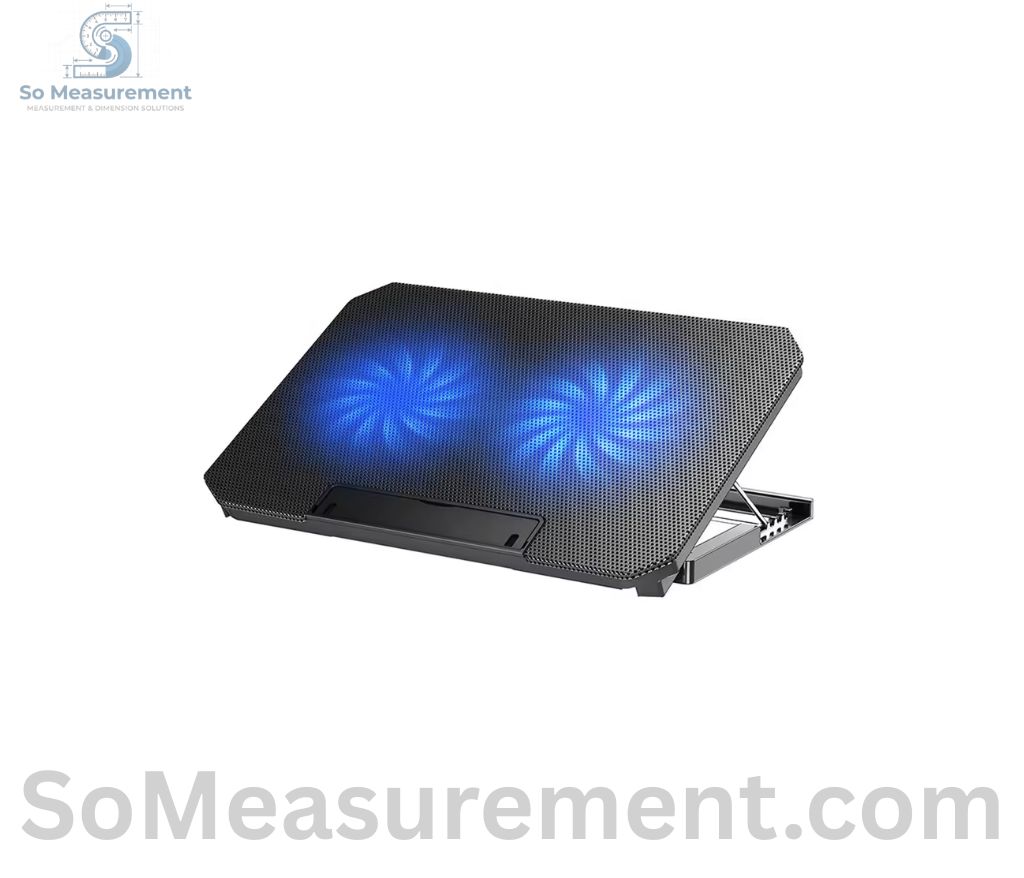
A cooling pad sized for 13-inch laptops is built to match the footprint of those machines. The platform surface is typically around 13 to 13.5 inches wide to accommodate the laptop base without overhang. Most 13-inch pads run slightly longer than they are wide, in the range of 10 to 11 inches in depth, to match the laptop’s rectangular base proportions.
The 13-inch designation on a cooling pad refers to the maximum laptop size it comfortably supports, not the pad’s own dimensions. This means a pad labeled for 13-inch laptops will have a platform at least 13 inches across. Many are marketed for a range up to 15 or 17 inches, with a physically larger platform as a result.
9. Large Tablet (13-Inch Display)
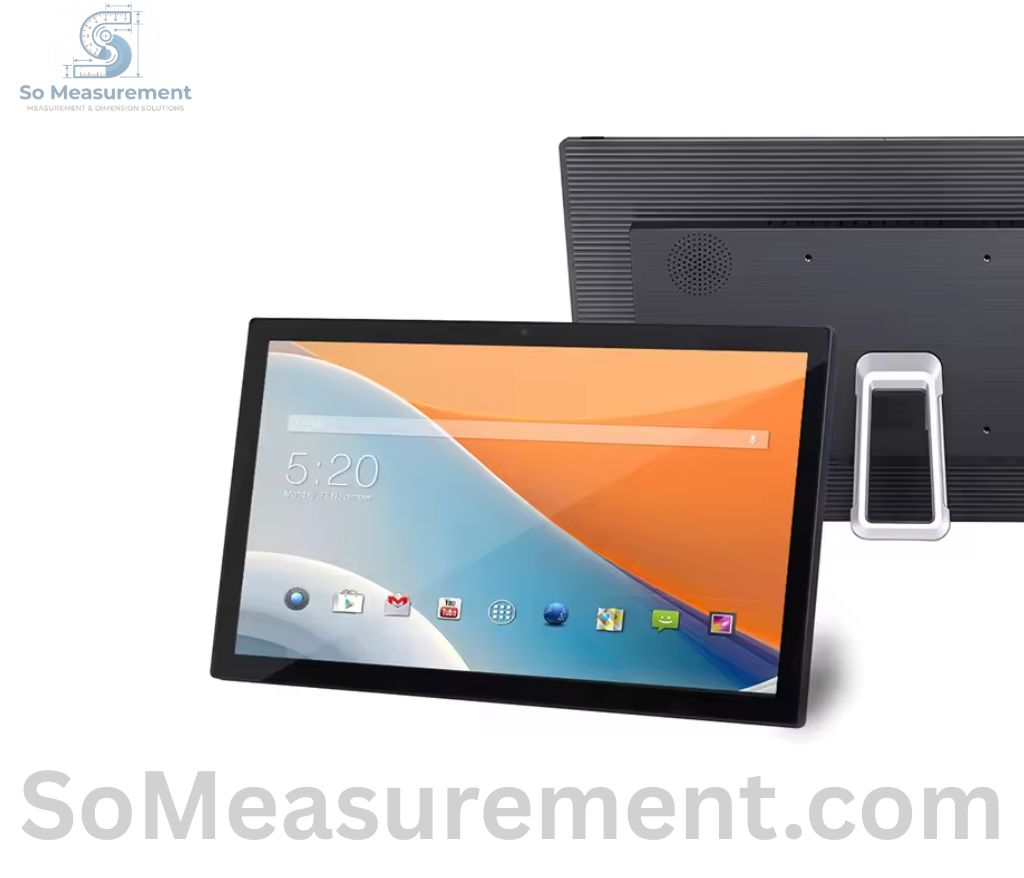
A 13-inch tablet has a screen diagonal of 13 inches, measured corner to corner. This is the standard way tablet screens are sized, and it does not represent the physical width or height of the device. The physical width of a 13-inch tablet typically falls around 10 to 11 inches depending on the aspect ratio, and the height is usually around 7 to 8 inches.
The 13-inch screen size sits at the larger end of the tablet market and is primarily aimed at creative professionals, students taking detailed notes, and anyone who wants near-laptop screen real estate in a portable format. If you’re checking whether a 13-inch tablet fits a sleeve or bag, measuring the device’s physical dimensions rather than the screen diagonal is the right approach.
10. Charger Plate
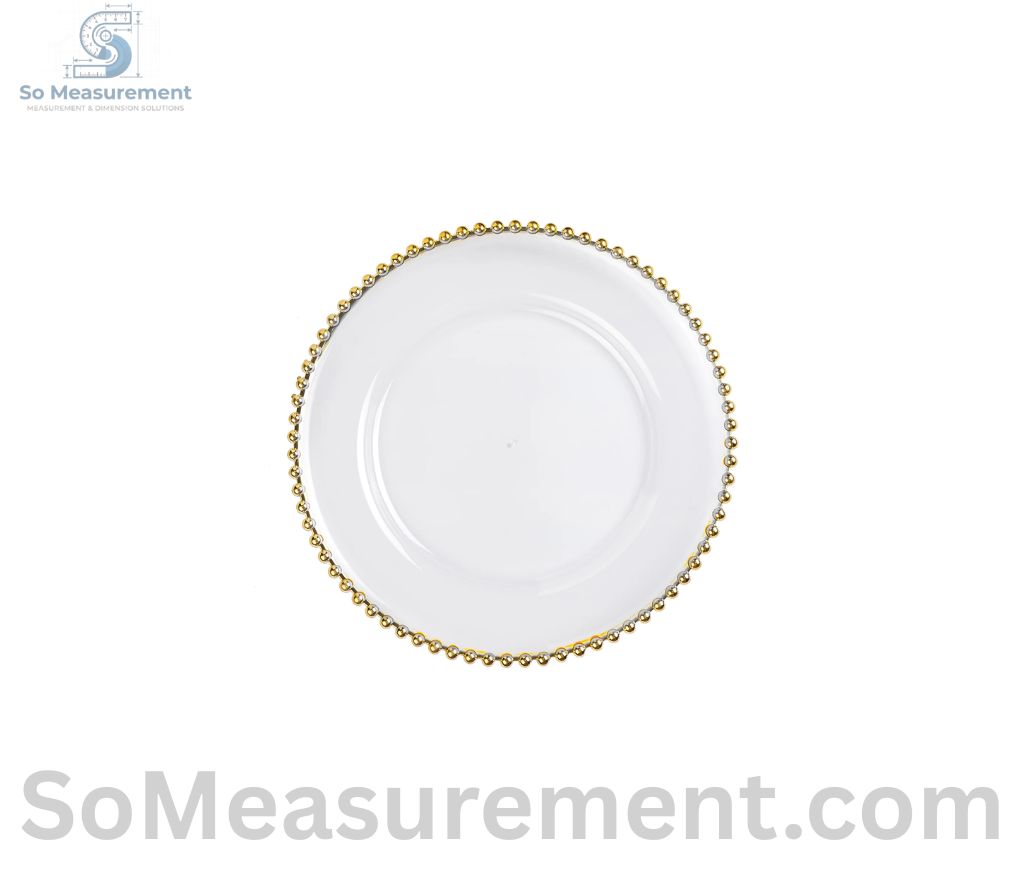
The charger plate, also called an underplate or service plate, is the decorative base plate used in formal table settings beneath dinner plates and bowls. The most common standard size is 13 inches in diameter. This gives enough margin to frame a 10 to 11 inch dinner plate with a visible border all the way around, which is the whole visual point of using a charger.
Charger plates range from 12 to 14 inches in diameter across the market, but 13 inches is consistently cited as the standard and the most stocked size for event rentals, weddings, and retail tableware. They are not used for eating directly; they’re typically removed before the main course is served, leaving the table set for the meal.
11. Paddle Hairbrush

A typical paddle hairbrush measures around 10 to 11 inches in total length from handle end to the top of the brush head, placing it slightly under 13 inches for most standard models. However, larger paddle brushes designed for thick or very long hair, as well as professional-grade tools with extended handles, commonly reach 13 inches in total length.
The paddle shape refers to the wide, flat cushioned head that covers a large surface area with each stroke, making these brushes efficient for detangling and blow-drying. The 13-inch total length represents a brush that’s on the larger end of the paddle category: practical for longer hair types and offering more leverage during blow-dry styling.
12. Half Baguette
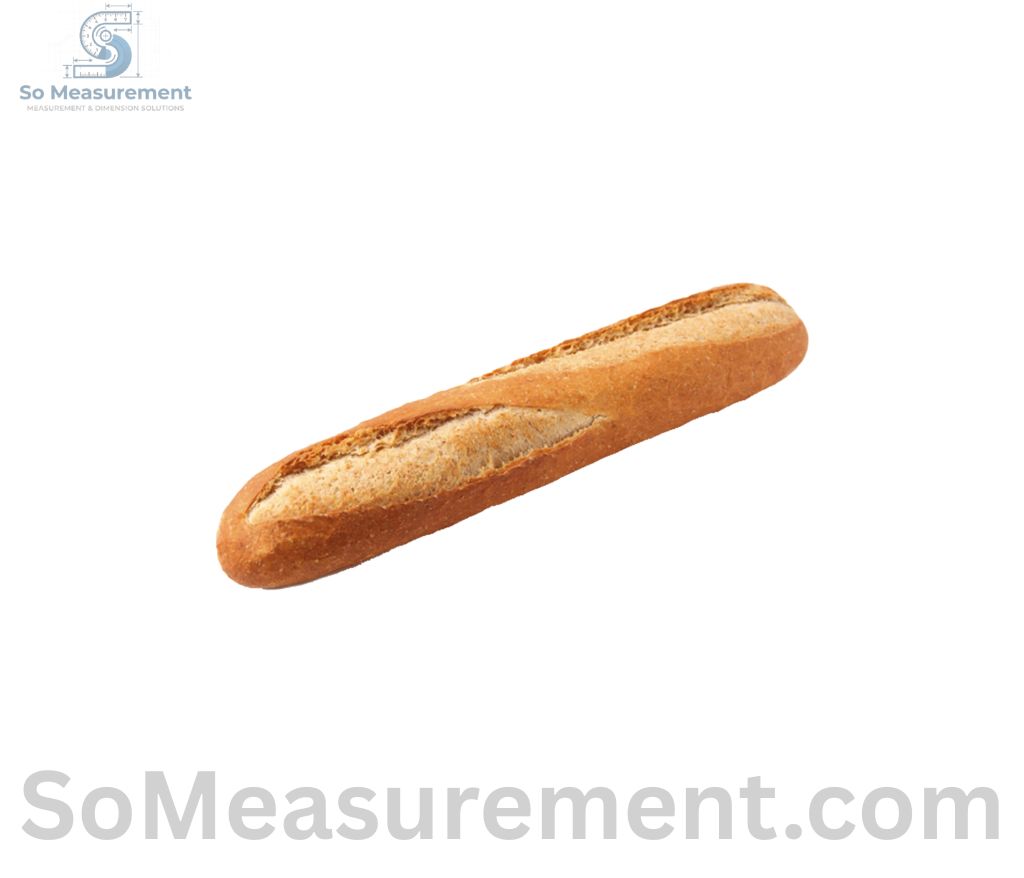
A traditional French baguette follows an established length of around 26 inches (65 to 70 centimeters) from end to end. Cut directly in half, each piece is approximately 13 inches long. This is the portion size used in many cafes and sandwich shops when offering half-baguette sandwiches, and it’s also the length many home bakers target when working with smaller ovens or smaller households.
The half-baguette length is particularly useful as a mental image because it’s so recognizable. At 13 inches, you’re holding a substantial piece of bread but one that fits comfortably in one hand. The diameter of a baguette is much smaller, typically 2 to 3 inches, so 13 inches here refers purely to the lengthwise dimension of the loaf.
13. 13-Inch Pizza

A 13-inch pizza is sized by diameter. It falls between what most pizzerias label as small (10 inches) and medium (12 to 14 inches), placing it in the lower end of the medium category at shops that offer it. At home, a 13-inch pizza stone or pan is a common size that fits comfortably in most standard residential ovens.
The area of a 13-inch pizza is about 133 square inches, which is meaningfully larger than a 12-inch pie despite the modest difference in diameter. Pizza area grows by the square of the radius, so those extra inches carry more weight than they look. A 13-inch pizza comfortably serves 2 adults or 3 people with moderate appetites.
14. Colander (Handle to Handle)
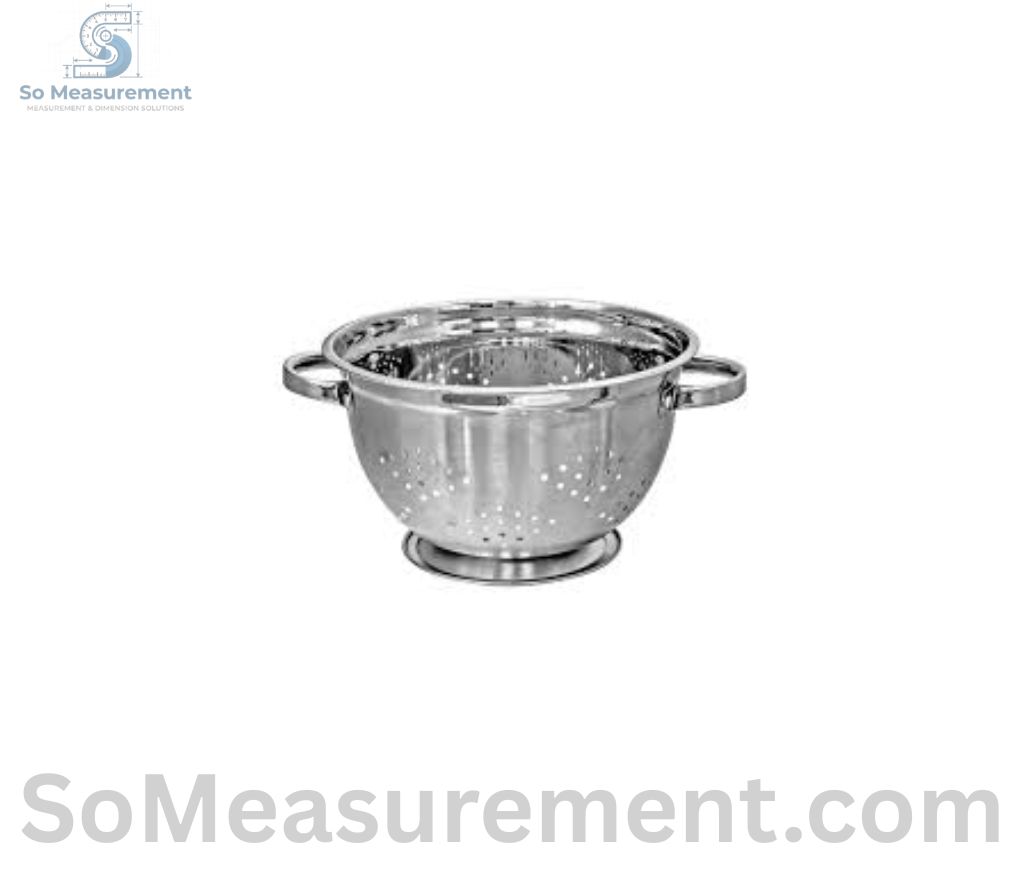
A medium single-handled colander measuring about 7 to 8 inches across the bowl will often reach 13 inches when you include the handle in the total length. The bowl provides the straining capacity, and the handle allows safe pouring of hot contents away from the body. Models with a 5 to 6 inch handle attached to a 7 to 7.5 inch bowl are widely sold and routinely measure around 12.75 to 13.5 inches overall.
This handle-to-bowl combination is important for practical storage. A 13-inch total length means the colander will overhang most standard drawer spaces but fits comfortably in a cabinet when placed flat or stored vertically on a hook. The 13-inch figure is the practical measure to keep in mind when planning kitchen storage rather than the bowl diameter alone.
15. Small Bathroom Towel Bar
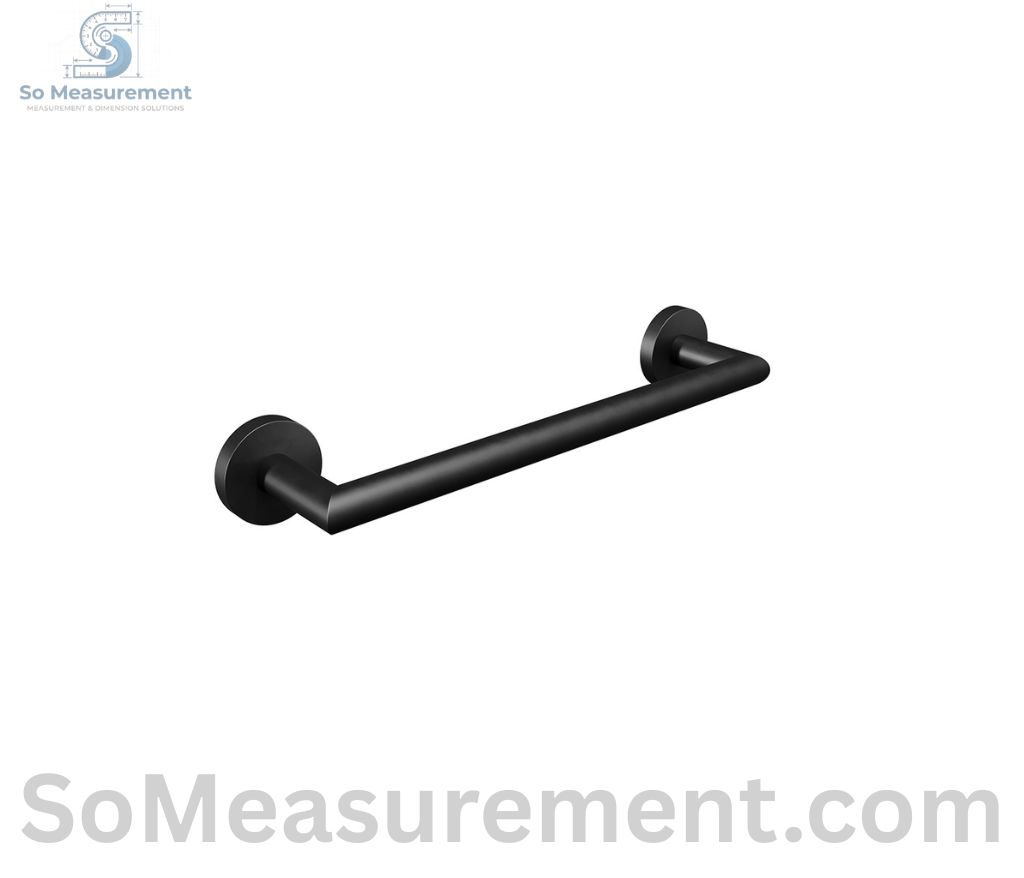
Most towel bars come in three standard lengths: 18 inches, 24 inches, and 30 inches. However, compact versions sized for hand towels or narrow bathroom walls are sold starting at 12 to 13 inches. A 13-inch towel bar is appropriate for holding a single folded washcloth or a narrow hand towel, and it fits wall spaces where a full 18-inch bar would crowd adjacent fixtures or cabinetry.
This shorter format is also found in powder rooms, small guest bathrooms, and RVs where wall space is genuinely limited. At 13 inches, the bar is long enough to hold a hand towel hung open without it folding over, which allows for faster drying. It is not long enough to hang a standard bath towel without significant bunching.
Visualizing 13 Inches Without a Ruler
If you want a quick mental reference for 13 inches without measuring, a few body-based checks are useful, keeping in mind that these vary by person:
The distance from a typical adult’s elbow to their wrist is close to 10 to 11 inches. Adding roughly the length of your index finger to that span brings you close to 13 inches. Alternatively, a standard ruler is 12 inches; 13 inches is just one inch beyond that.
For reference, 13 inches in metric is 33.02 centimeters, or about one-third of a meter.
Read also about:
11 Daily-Use Items That Weigh 500 Grams
11 Everyday Common Things That Weigh 15 Kilograms

Lev is passionate about helping readers understand sizes and dimensions of everyday objects. With a focus on clarity and practical examples, Lev shares accurate, trustworthy insights that make measurements relatable, useful, and easy to visualize for everyone.