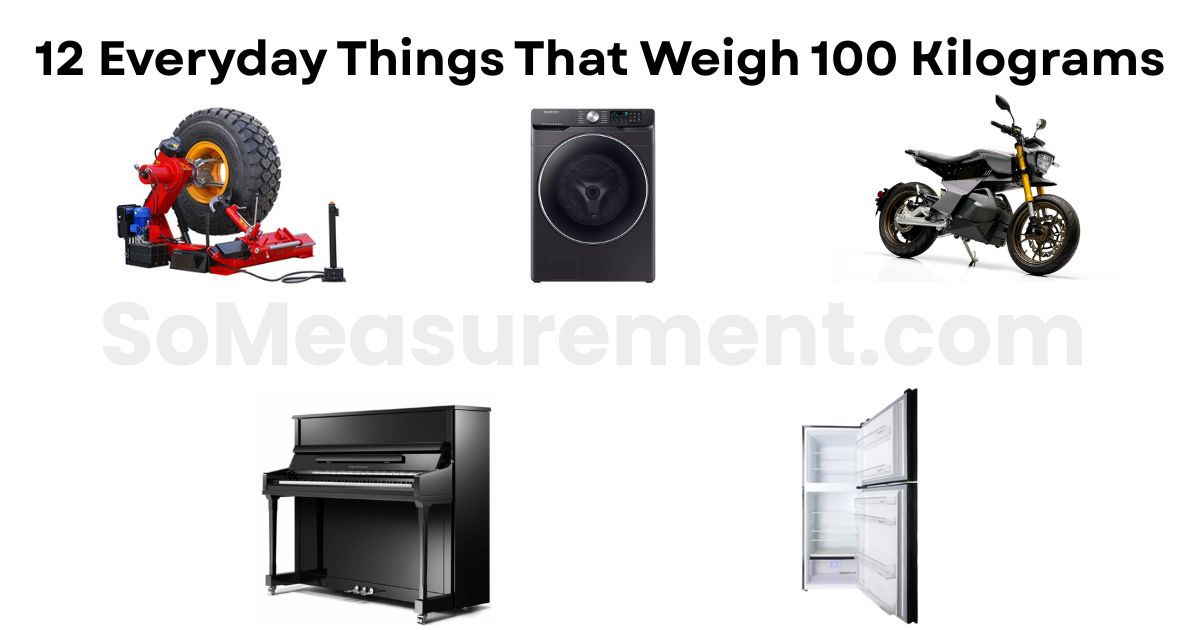
100 Kilograms sounds like just a number, but it becomes real when you compare it to things you can see and touch. It is about the weight of a fridge, a washing machine, or even a small motorcycle.
That is not light—you feel it the moment you try to move it. Understanding 100 Kilograms in simple, real-world ways helps you judge weight better without guessing. Whether you are lifting, buying, or moving something, this guide makes that number clear and easy to picture.
Unit Conversions for 100 kg
All figures follow the International Yard and Pound Agreement of 1959, which established exact conversion ratios between metric and imperial units.
| Unit | Value | Where It’s Used |
| Kilograms | 100 kg | Global standard |
| Pounds | 220.46 lbs | US and international trade |
| Stone and pounds | 15 st 10.5 lbs | UK personal health |
| Grams | 100,000 g | Laboratory and precision work |
| Metric tonnes | 0.1 t | Freight and bulk goods |
| Quintal | 1 quintal | Agriculture, EU and South Asia |
12 Real-World Objects That Weigh Around 100 Kilograms
| Object | Category | Weight (kg) |
| Medium-Sized Refrigerator | Appliance | 95–110 kg |
| Front-Loading Washing Machine | Appliance | ~100 kg |
| 3-Seater Hardwood Sofa | Furniture | 95–105 kg |
| Solid-Wood Dining Table | Furniture | ~100 kg |
| 10 Sacks of Potatoes | Food/Agriculture | 100 kg |
| 5 Olympic Barbells | Fitness | 100 kg |
| 100 Litres of Water | Liquid | 100 kg |
| Lightweight Commuter Motorcycle | Vehicle | 95–110 kg |
| Truck Tyre + Rim Assembly | Industrial | ~100 kg |
| Cast Iron Bathtub | Household | 95–115 kg |
| Newborn Elephant Calf | Animal | 100–150 kg |
| Compact Upright Piano | Musical | 90–110 kg |
1. A Medium-Sized Refrigerator
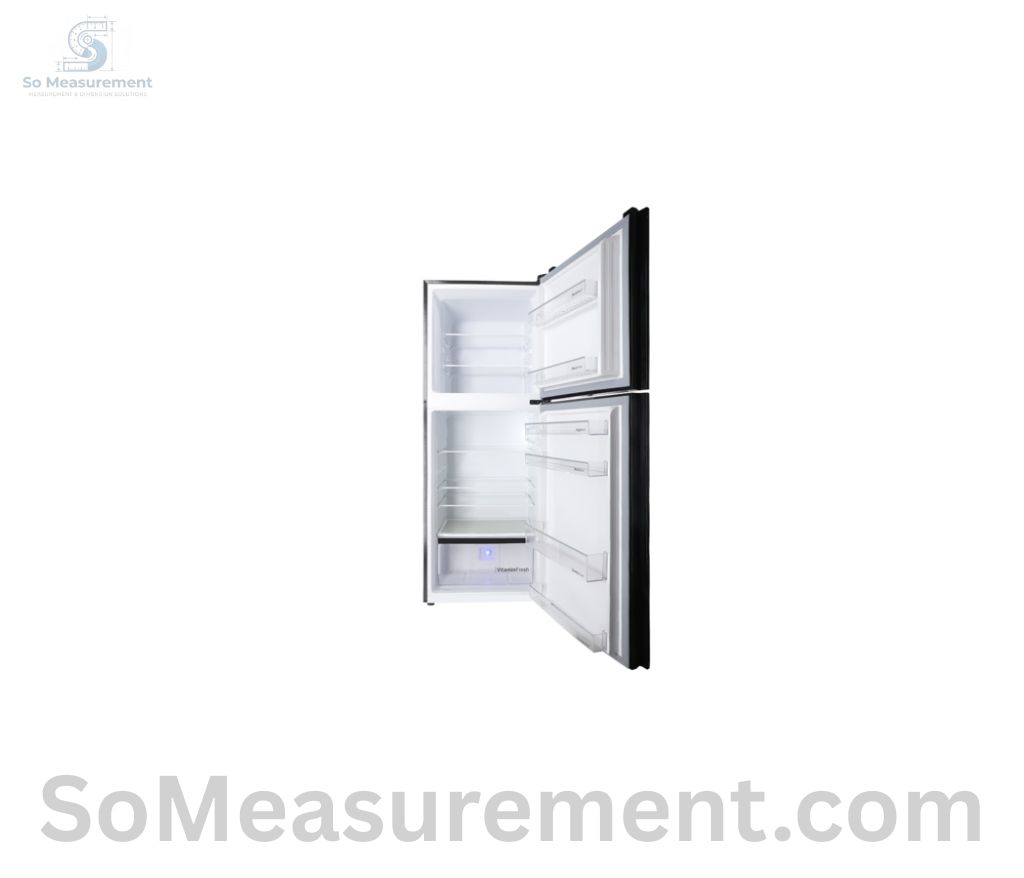
The weight is not the shelves or the door seal. It is the compressor at the base — a dense metal unit weighing 15–20 kg on its own — plus thick insulated walls, steel framing, and internal bracing. A standard bottom-freezer or single-door fridge from any mainstream brand lands between 95 and 110 kg.
This is why two delivery workers arrive with a dolly and moving straps. The centre of gravity sits low and shifts unpredictably when the fridge tilts. People who try moving one alone usually regret it within the first metre.
2. A Front-Loading Washing Machine
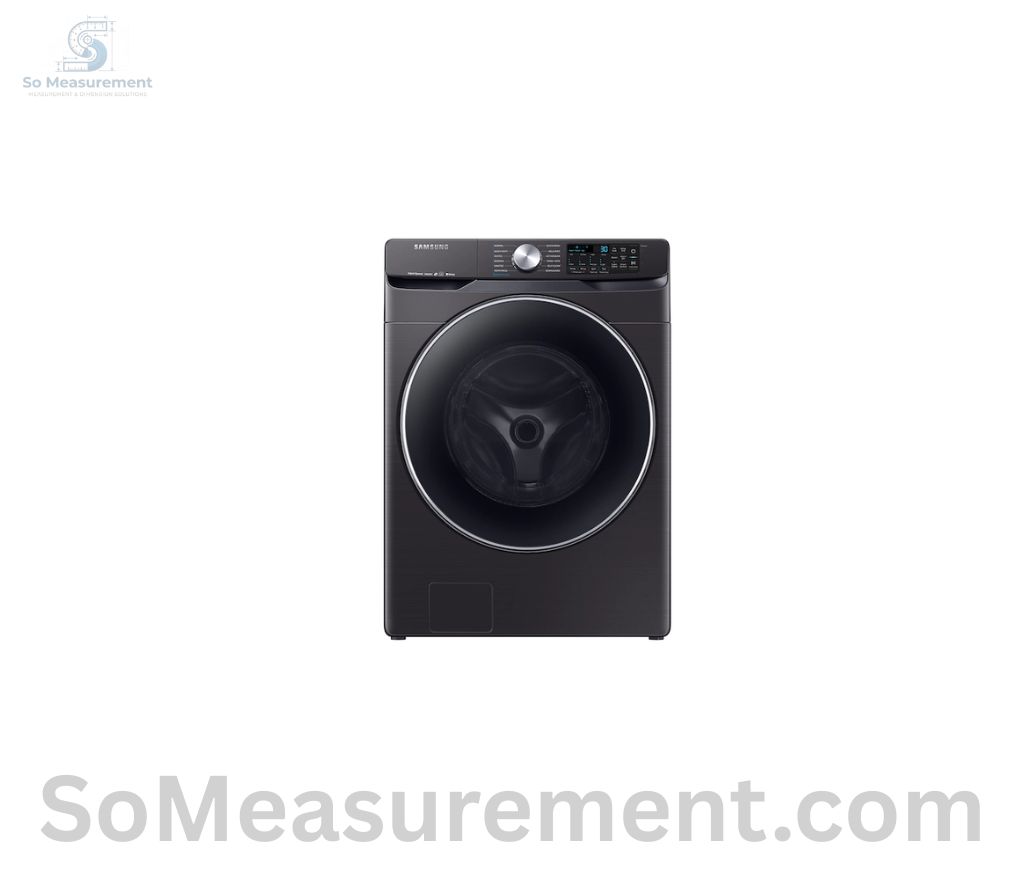
There are concrete blocks bolted inside most front-loading washing machines. Not metaphorical weight — actual cast concrete, installed deliberately. Without it, the drum vibrating at high spin speed would walk the machine across the floor or shake the casing apart within months.
Those blocks add 20–30 kg to the total. Combined with the motor, drum, steel casing, and water pump, a standard front-loader sits right at 100 kg. The next time yours rattles during a spin cycle, that shaking object weighs roughly as much as a large adult.
3. A 3-Seater Sofa with a Hardwood Frame
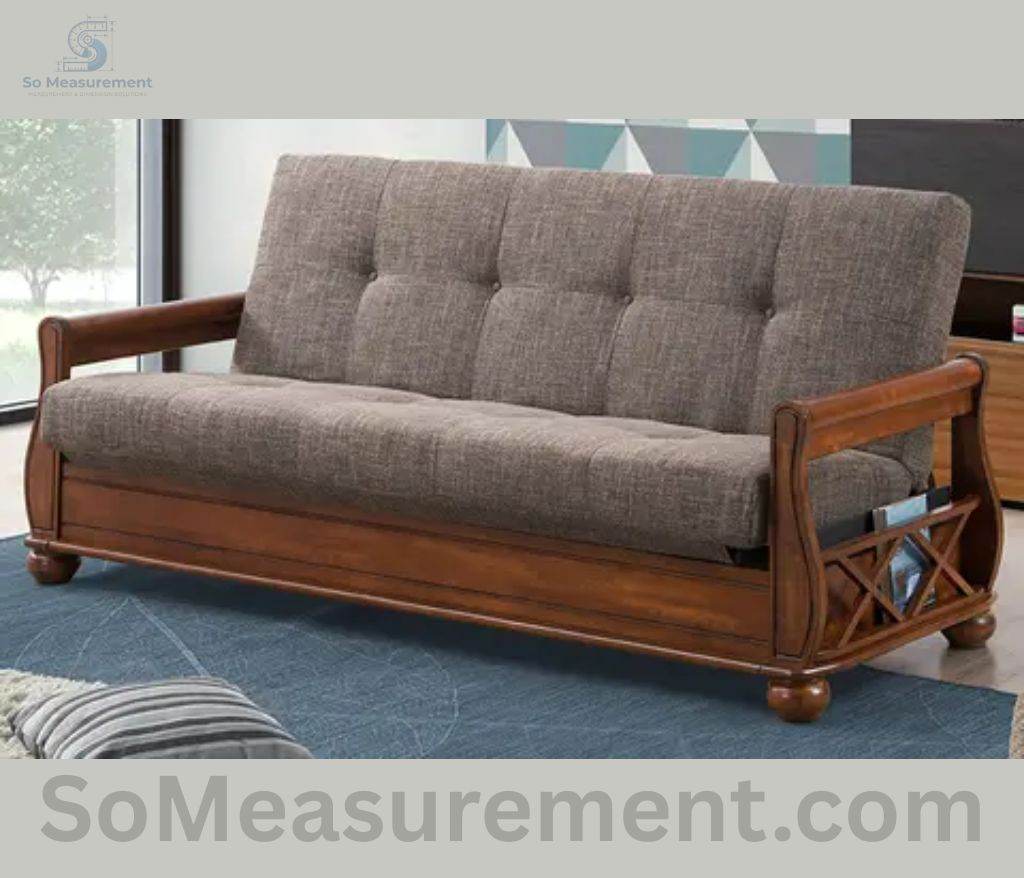
Quality sofas are heavy because they are built from real materials. A solid beech or hardwood frame — before any cushioning is added — can account for 35–40 kg on its own. Add thick foam layers, springs, fabric, and reclining hardware if present, and a three-seater lands at 95–105 kg.
Flat-pack sofas with particleboard frames weigh far less. If a sofa is genuinely difficult to shift, it is usually a sign the frame is solid timber. That is not a flaw — it means the piece was built to last decades, not years.
4. A Large Solid-Wood Dining Table
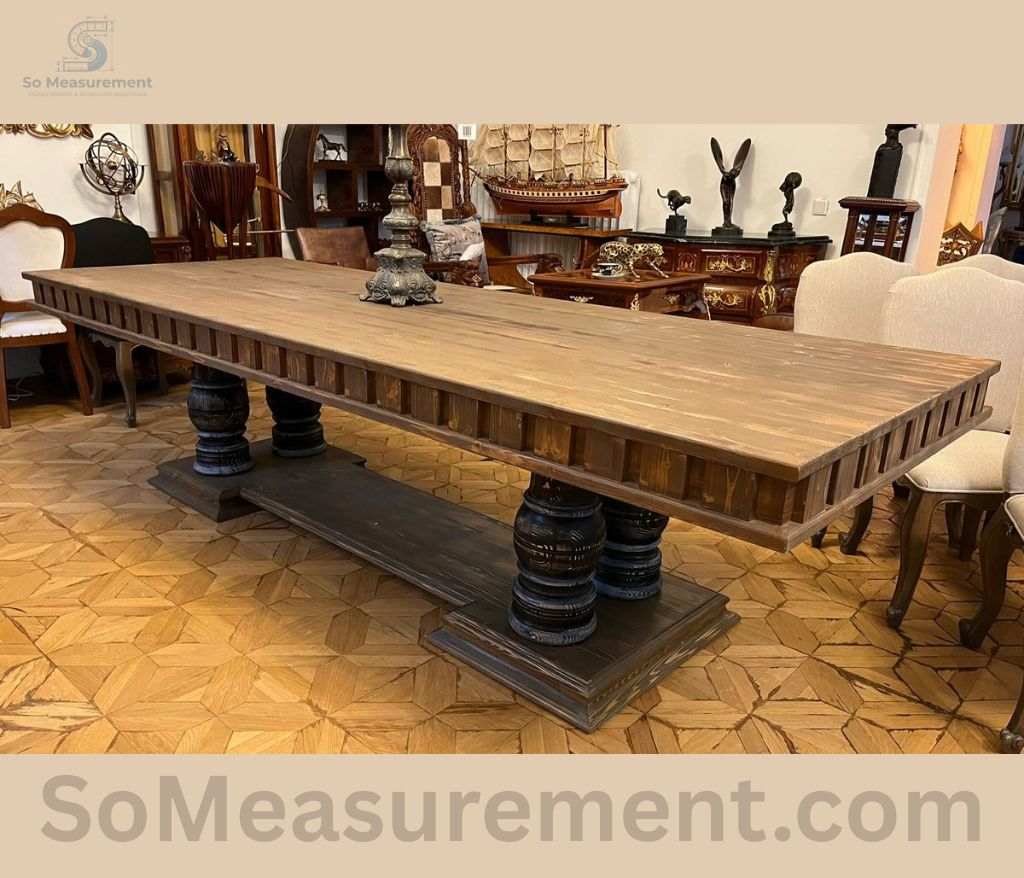
Lift one end of a genuine hardwood dining table and you understand immediately. A thick-plank oak or mahogany top alone — say, 50mm solid wood across a surface that seats eight — carries substantial weight before the legs are attached. Add four or six turned hardwood legs and the joinery hardware, and the total reaches 100 kg without difficulty.
These tables are built to carry generations of daily use without warping, wobbling, or splintering. That longevity comes directly from the material density. The weight is the point.
5. Ten Standard Sacks of Potatoes
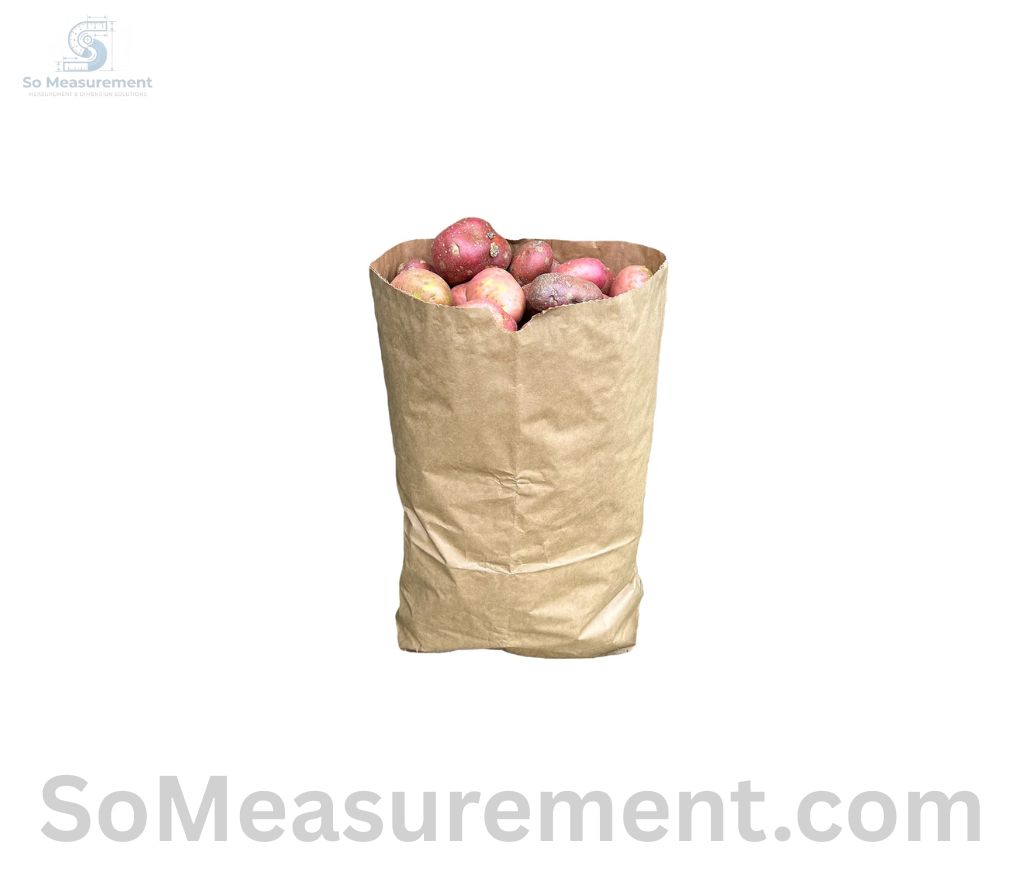
A standard market sack of potatoes weighs 10 kg — roughly the size of a stuffed backpack. Ten of those placed side by side reach mid-thigh height and weigh exactly 100 kg combined.
Potatoes are around 80% water by composition, which explains why they feel so much heavier than their size suggests. They do not compress or shift. Ten sacks is a stubborn, solid pile that resists movement in every direction.
6. Five Olympic Barbells
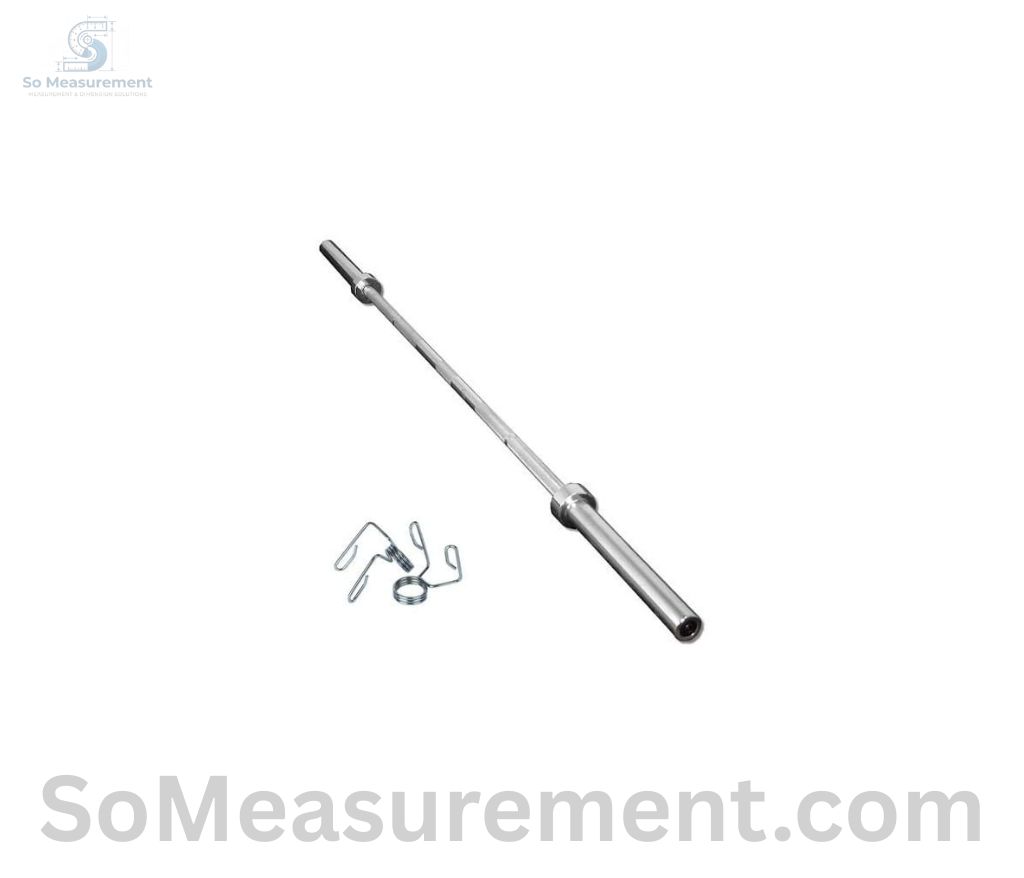
An official men’s Olympic barbell is standardized at exactly 20 kg by the International Weightlifting Federation. Five bars equal precisely 100 kg — no rounding, no approximation.
Anyone who has picked up a barbell in a gym knows a single 20 kg bar already demands grip and posture to control. Multiplying that physical experience by five gives an honest sense of what 100 kg requires from the body.
7. 100 Litres of Water
One litre of pure water weighs exactly one kilogram at standard conditions. That relationship was foundational to how the metric system was originally designed. So 100 litres of water is 100 kg — exactly, by definition.
To picture it: two standard 50-litre storage drums filled to the brim. Roughly one-third of an average bathtub. About 14 standard buckets. Any of those filled completely gives a direct, no-scale 100 kg reference.
8. A Lightweight Commuter Motorcycle
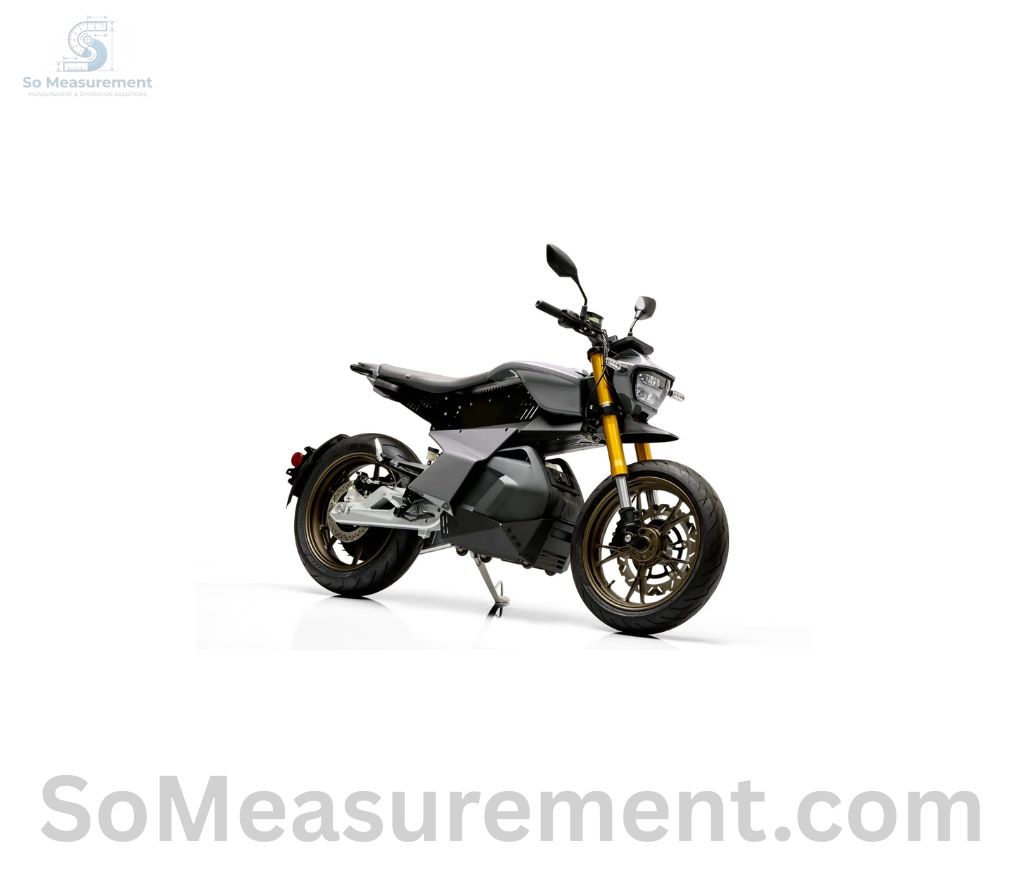
Check the specification sheet of a 125cc commuter bike or entry-level naked motorcycle and look for “dry weight” — the bike with no fuel, no fluids, just the frame, engine, and components. Many list figures between 95 and 110 kg.
This is why knocking one over in a car park and lifting it back upright is a genuine struggle, even for fit people. 100 kg at knee height, laid on its side at an awkward angle, requires technique and leverage — not just strength.
9. A Commercial Truck Tyre and Rim Assembly
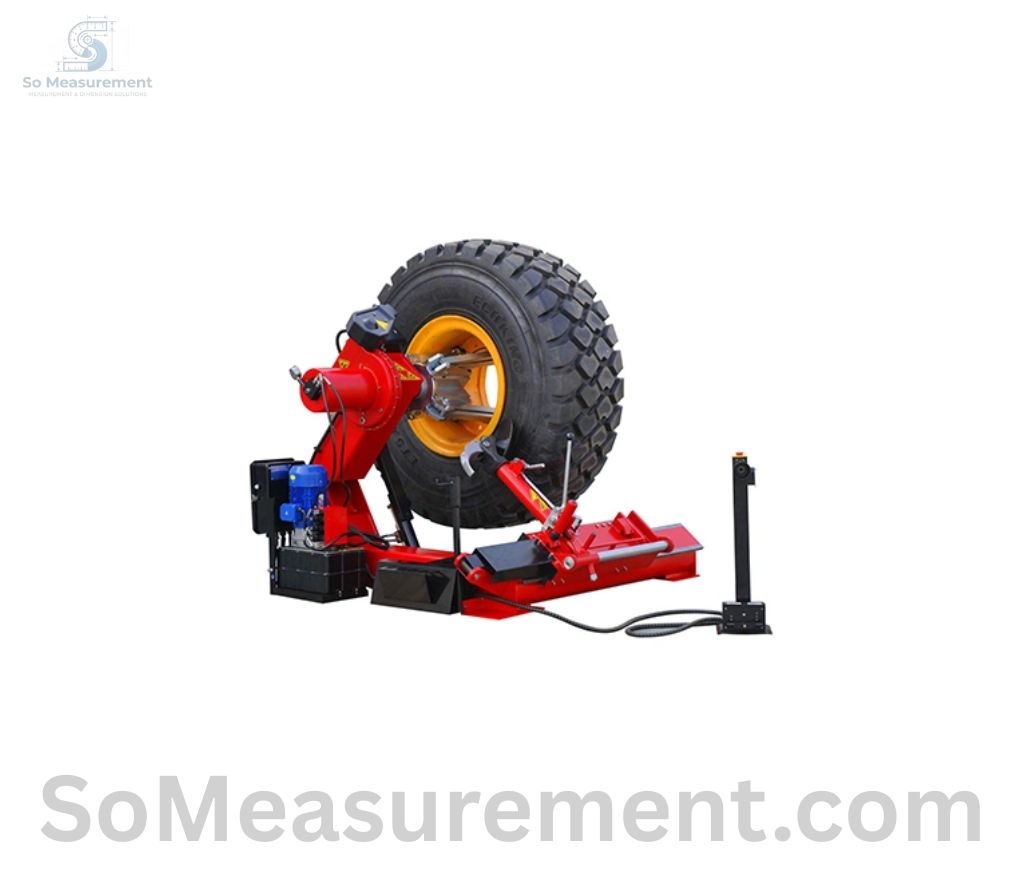
A car tyre weighs 8–12 kg. A commercial lorry tyre, before the rim is attached, already weighs 50–60 kg on its own. Mount it on a steel rim built for heavy load-bearing and the combined assembly reaches roughly 100 kg.
Tyre technicians on commercial vehicles use mechanical lifts as standard — not to avoid effort, but because handling these assemblies repeatedly by hand causes injury. The tyre is large but not dramatically so, and the weight surprises everyone who has only worked with passenger tyres.
10. A Cast Iron Bathtub

Cast iron is dense — around 7,200 kg per cubic metre. Even a modest residential tub in standard alcove size requires enough metal that the finished product weighs between 95 and 115 kg empty. That weight is entirely the material, not any internal mechanism.
This matters structurally. Older home floors were not always engineered for that kind of load concentrated on a small footprint. Builders occasionally reinforce floor joists before installation — not because the building is weak, but because 100 kg on half a square metre is a meaningful point load.
11. A Newborn Elephant Calf

An elephant calf at birth weighs 100–150 kg. Within hours, it stands, walks, and keeps pace with a moving herd. The muscular and skeletal development required to do that — present from birth — is genuinely remarkable.
Adult African elephants reach 4,000–6,000 kg, so a 100 kg newborn represents roughly 2% of eventual body weight. By that measure, calves are born proportionally small. It just does not feel that way once you know what 100 kg actually is.
12. A Compact Upright Piano
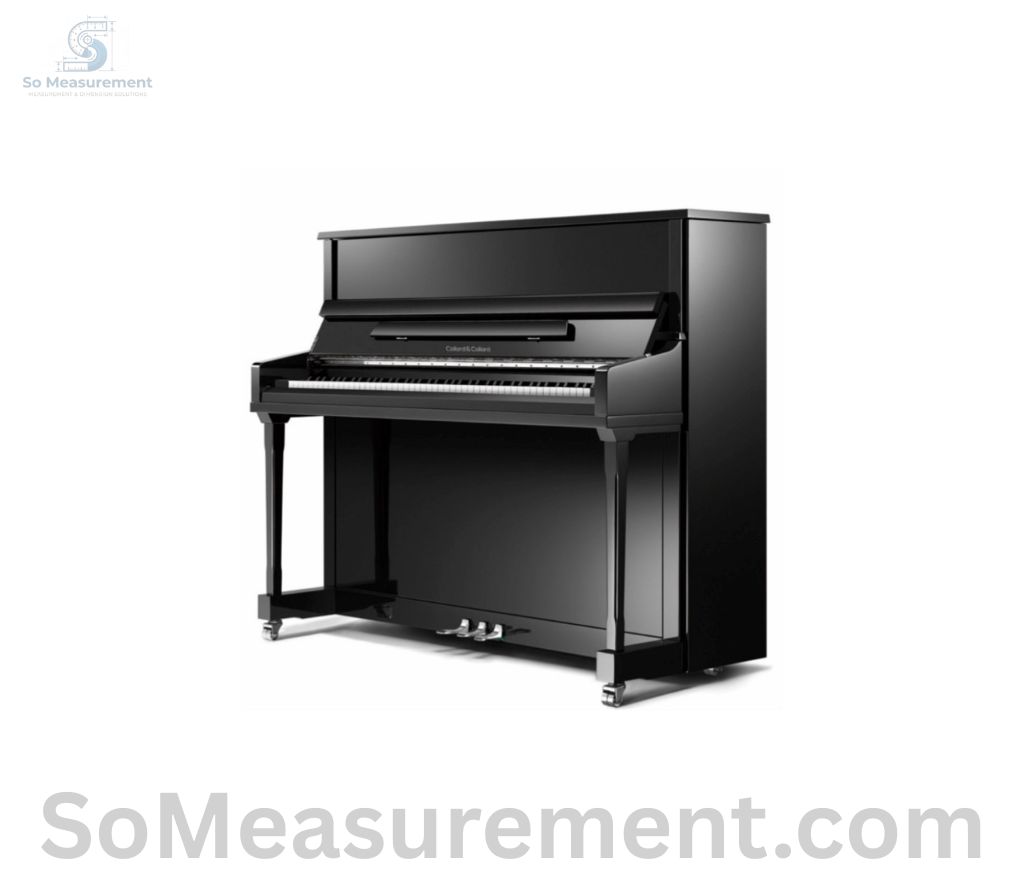
A full-size studio upright piano weighs 180–250 kg. But the shorter residential version — the spinet or compact upright found in living rooms and practice spaces — typically comes in between 90 and 110 kg. That puts it squarely here.
The weight comes from a cast iron plate inside the casing that holds the string tension, plus the wooden soundboard, hammer mechanism, keys, pedal assembly, and outer cabinet. No single part is extreme. Together they make something that looks like furniture and moves like a safe.
Is 100 kg Heavy for a Person?
Height decides this more than the number does.
At 6 feet 3 inches (190 cm), 100 kg gives a BMI of around 27.7 — technically overweight by clinical definition, but within the normal range for athletes with significant muscle mass. Many competitive rowers, rugby players, and combat sport athletes sit here.
At 5 feet 9 inches (175 cm), the same weight produces a BMI of around 32.7, which falls in the obese category clinically.
The deeper variable is body composition. Muscle is roughly 15–18% denser than fat. Two people at 100 kg can look completely different and face different health outcomes depending on what those kilograms are made of. The number alone tells you less than most people assume.
Three Ways to Estimate 100 kg Without a Scale
Bathroom scale subtraction — Weigh yourself. Pick up the object and weigh again. The difference is the object’s mass. Accurate to within 1–2 kg for items you can hold steadily. Stops being practical above about 40 kg.
Two-person floor lift test — Two averagely fit adults attempting a controlled lift: if both are near maximum effort and just managing, you are likely in the 90–115 kg range. One person managing comfortably suggests below 70 kg. Neither person shifting it points above 120 kg.
Water drum reference — Fill a 100-litre drum with tap water. One litre equals one kilogram. Full drum equals 100 kg exactly — no scale, no estimation, no error.
Read also these:
13 Common Things That Weigh 30 KG
15 Everyday Things That Weigh 50 Pounds
FAQ’s on 100 kg
1. Is 100 Kilograms heavy for daily life tasks?
Yes, for most people it is heavy. You cannot lift it safely alone without training. Even pushing or dragging that weight takes effort and balance.
2. Can two people easily carry 100 Kilograms?
Two average adults can manage it, but it still feels heavy. They need good grip and coordination. Awkward shapes make it harder than the number suggests.
3. How can I quickly guess if something is close to 100 kg?
Compare it to familiar items like a washing machine or a full water drum. If it feels similar in effort, you are likely near that range.
4. Does 100 kg feel different depending on the object?
Yes. A compact object feels heavier because it is harder to grip. A large object spreads the weight, but becomes harder to control.
Final Words
100 Kilograms is not just a figure—it is a level of weight most people respect once they experience it. From furniture to machines, it sits right at the point where effort, balance, and technique all matter. When you understand 100 Kilograms through real objects, you stop guessing and start knowing. That makes everyday tasks safer, smarter, and easier to handle.

Lev is passionate about helping readers understand sizes and dimensions of everyday objects. With a focus on clarity and practical examples, Lev shares accurate, trustworthy insights that make measurements relatable, useful, and easy to visualize for everyone.