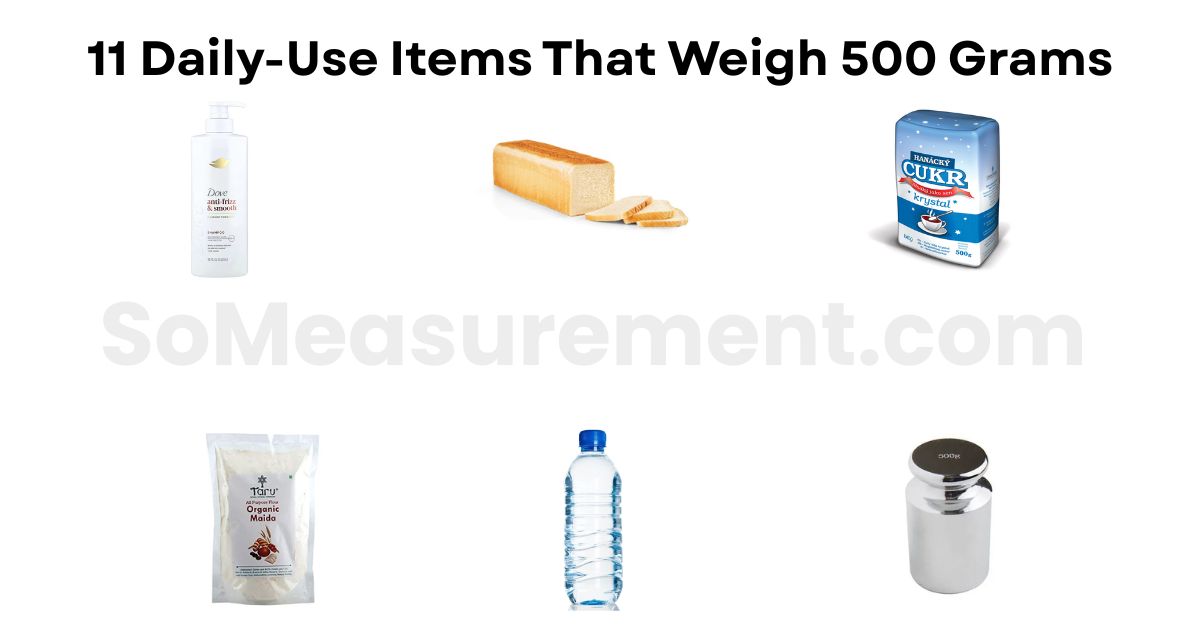
Half a kilo may sound simple, but most people don’t really know what 500 Grams feels like in real life. Numbers alone don’t help much when you’re holding something in your hand or trying to measure without a scale.
This guide keeps things practical. You’ll see familiar items—things already in your kitchen, office, or bathroom—that come close to or exactly match 500 Grams. It’s quick, clear, and easy to use in daily life.
500 Grams Conversions to other Units
| Unit | Value |
| Kilograms | 0.5 kg |
| Pounds | 1.102 lbs |
| Ounces | 17.64 oz |
| Milligrams | 500,000 mg |
500 grams is ½ kilo. That one relationship covers most everyday situations.
What Weighs 500 Grams — 11 Real Objects
| Object | Category | Measure |
| 100 US Nickels | Coins | 100 × 5.000g = 500g exactly |
| 500ml of Water | Kitchen | 1g per ml = 500g exactly |
| European Butter Block | Kitchen | 500g net (standard pack) |
| Dried Pasta Package | Kitchen | 500g net (standard box) |
| 100 Sheets A4 Paper | Office | 100 × 5.0g = 500g exactly |
| Bag of Granulated Sugar | Kitchen | 500g net (half-kilo bag) |
| Sandwich Loaf of Bread | Kitchen | ~500g net (commercial loaf) |
| 18 oz Shampoo Bottle | Bathroom | ~500g total (bottle + liquid) |
| Large Can of Soup | Kitchen | ~500g net (family-size can) |
| Bag of All-Purpose Flour | Kitchen | 500g net (standard bag) |
| 500g Calibration Weight | Lab / Scale | 500g exact (OIML certified) |
1. 100 US Nickels
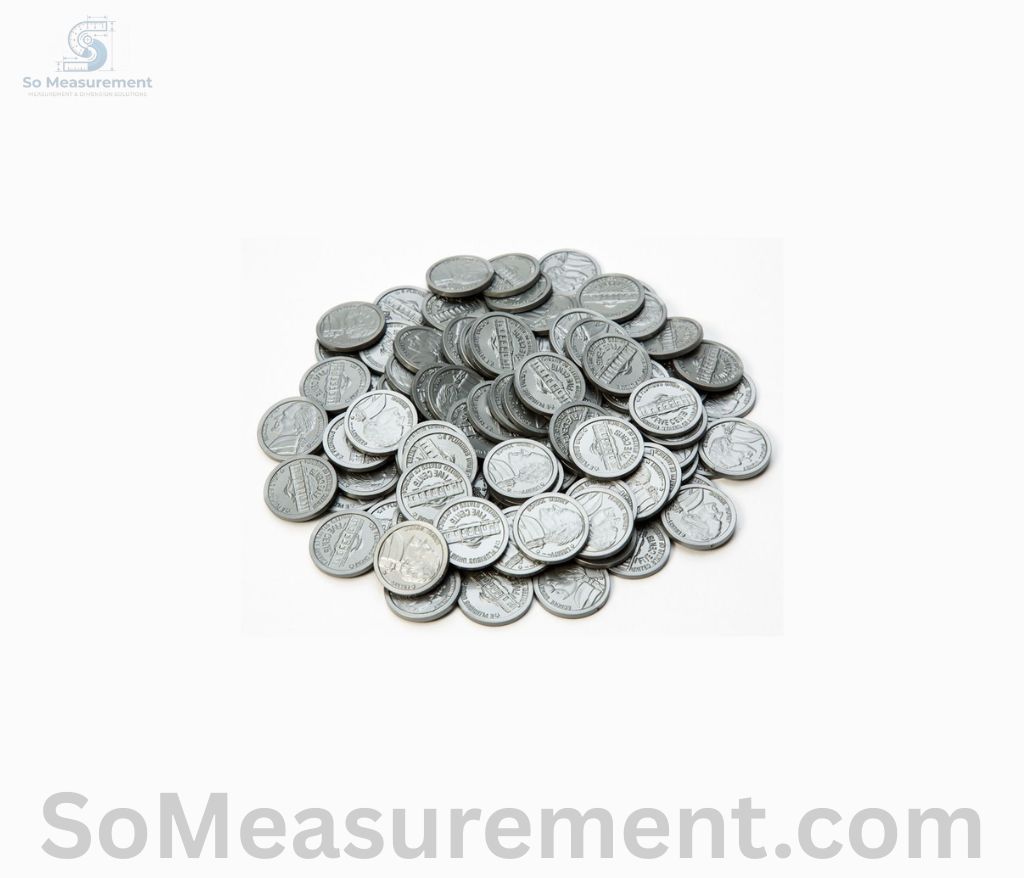
The US Mint strikes every nickel to exactly 5.000 grams — a federal specification, not an estimate. Stack 100 and you have a verified 500g reference. Jewelers and bakers both use this trick to spot-check digital scales.
Use newer coins if accuracy matters. Circulated nickels wear down slightly and can read a gram or two light.
2. 500ml of Water
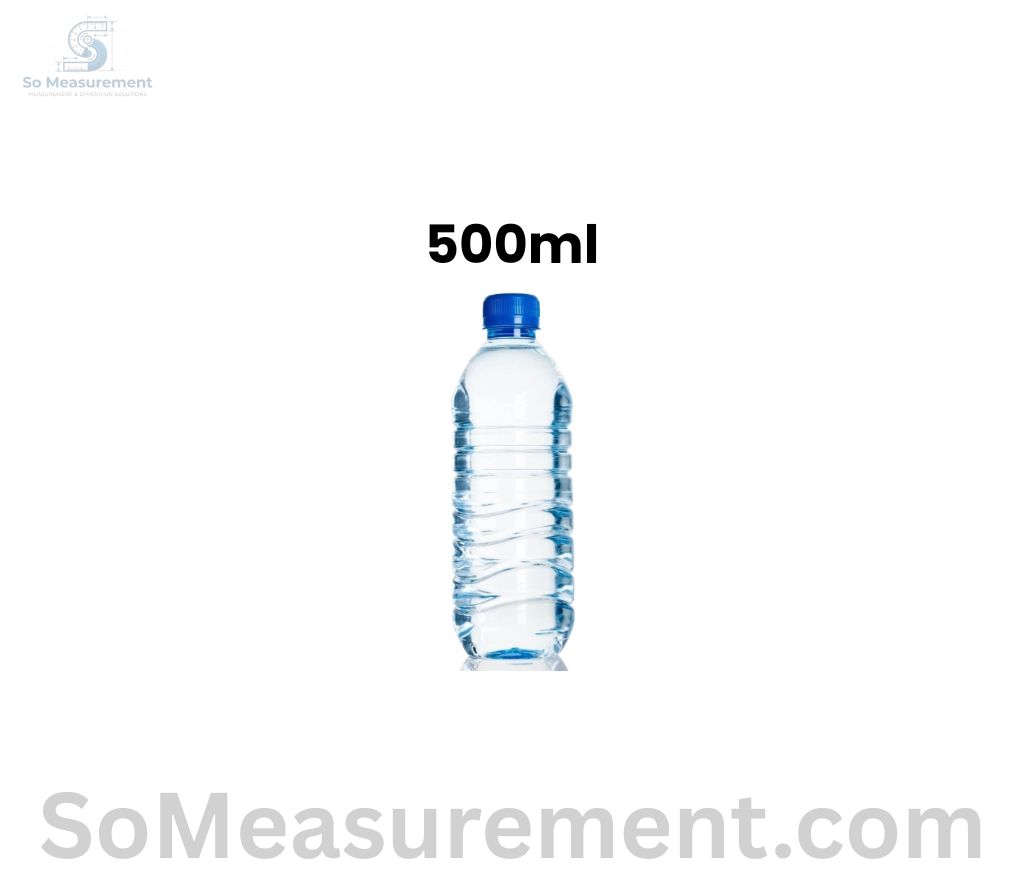
Water has a density of exactly 1 gram per milliliter. Measure 500ml in a kitchen cup, pour it into a bowl — that liquid alone is exactly 500g. Simple physics, works every time.
The mistake people make is weighing the container too. A standard plastic bottle adds 20–30 grams on top of the water. Weigh only the water.
3. A Block of European Butter
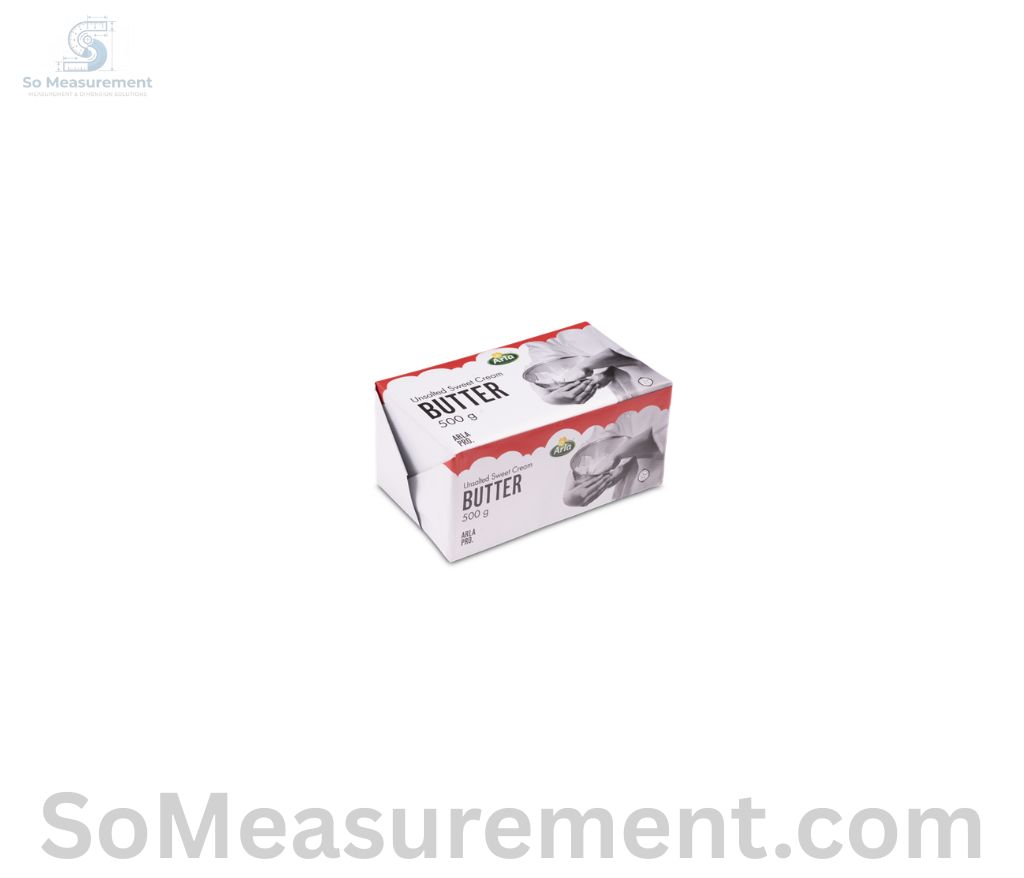
In most of Europe, butter is sold in 500g blocks rather than sticks. Kerrygold is a common example. That format exists because metric baking recipes are built around half-kilo portions.
It fits naturally in one hand — cold, slightly firm, denser than it looks. If you bake with European-style butter, you handle a 500g object regularly without thinking about it.
4. A Standard Package of Dried Pasta
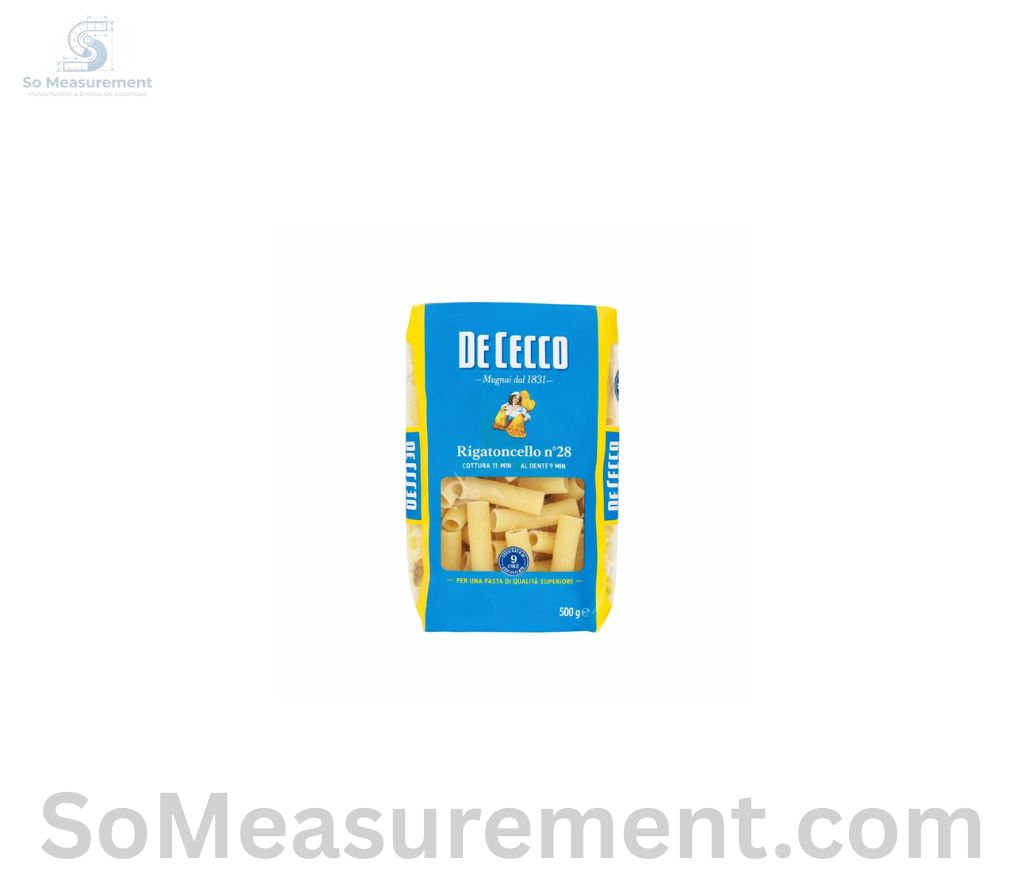
Barilla, De Cecco, most major brands worldwide — the standard box is 500g. It is a deliberate calibration to the half-kilo retail standard across metric markets.
The box feels almost casual in one hand. Shift your grip to the bottom and the weight settles noticeably. That slight top-heavy feel is typical of 500g in a tall, narrow package.
5. 100 Sheets of 80gsm A4 Paper
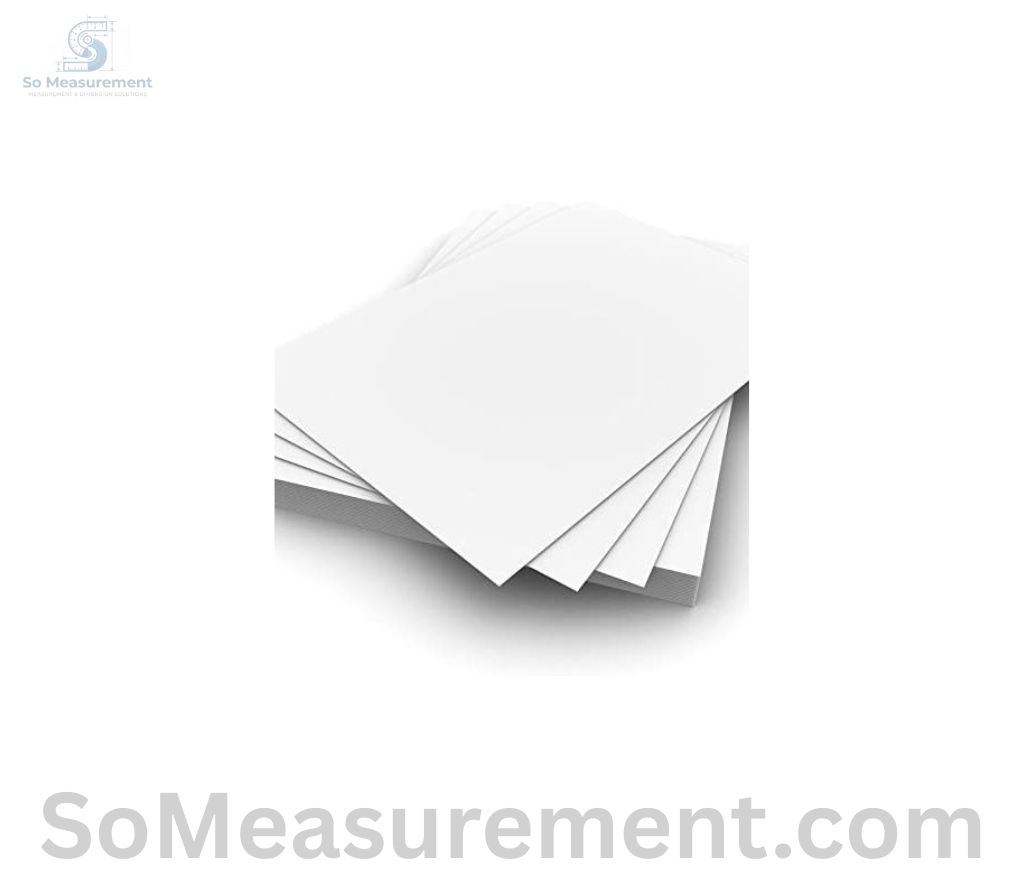
Standard 80gsm A4 printer paper is manufactured so each sheet weighs exactly 5 grams, per the ISO 216 specification. Count 100 sheets from a fresh ream and you have a flat, firm 500g stack.
Useful in offices where a scale is nowhere nearby but printer paper is everywhere.
6. A Small Bag of Granulated Sugar
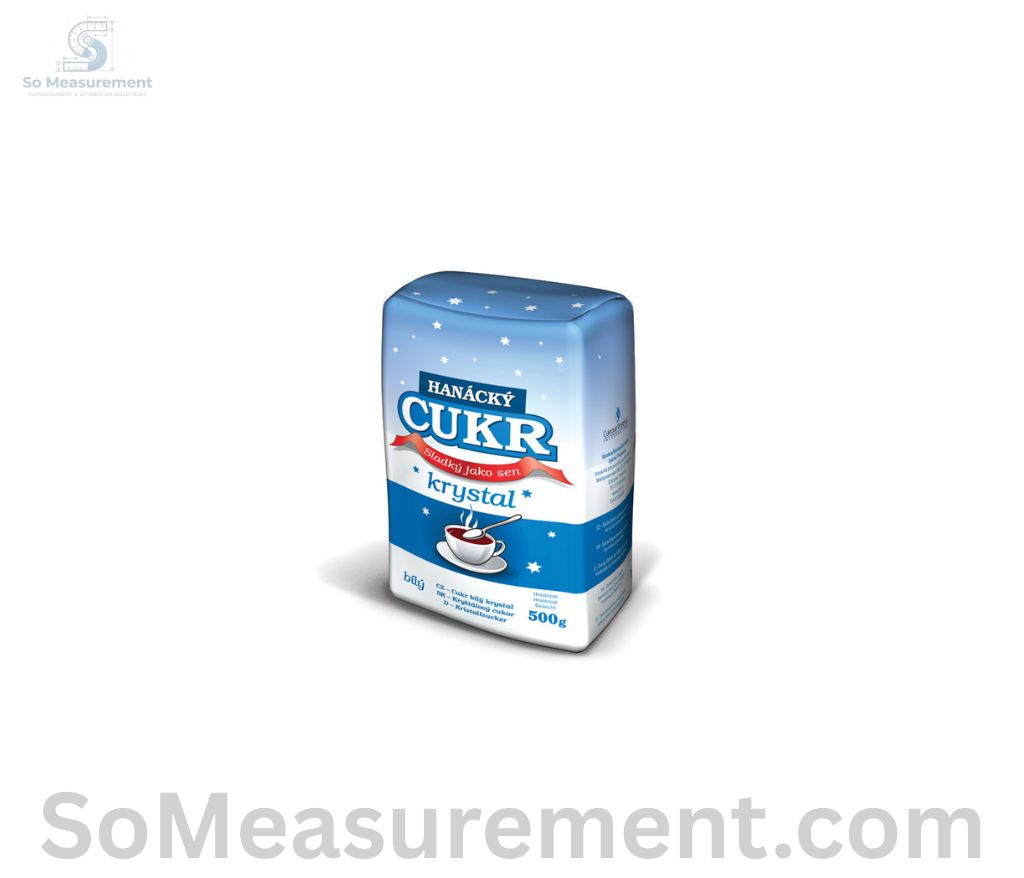
Sugar is routinely sold in 500g bags across metric-system countries — a standard retail portion that has been consistent for decades.
The bag shifts and conforms to your grip. It feels heavier than its volume suggests because sugar is reasonably dense. A good reference for what 500g of a loose, pourable material actually looks like.
7. A Standard Loaf of Sandwich Bread
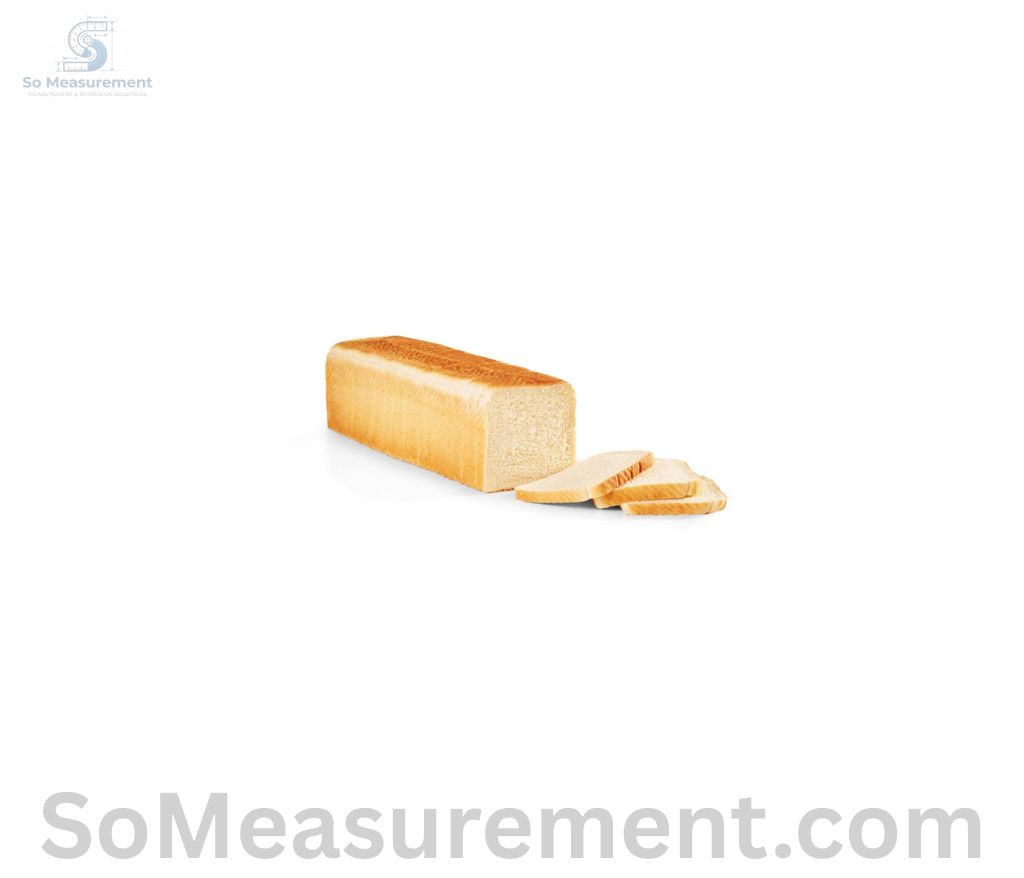
Most commercial sandwich loaves are produced to a net weight target of around 500g. Packaging regulations require consistency, so manufacturers hit this mark reliably.
The loaf feels deceptively light for its size because bread is mostly air. The weight is real — it is just spread across a large, soft volume. This is a good example of why two objects at the same weight can feel completely different.
8. An 18 oz Bottle of Shampoo
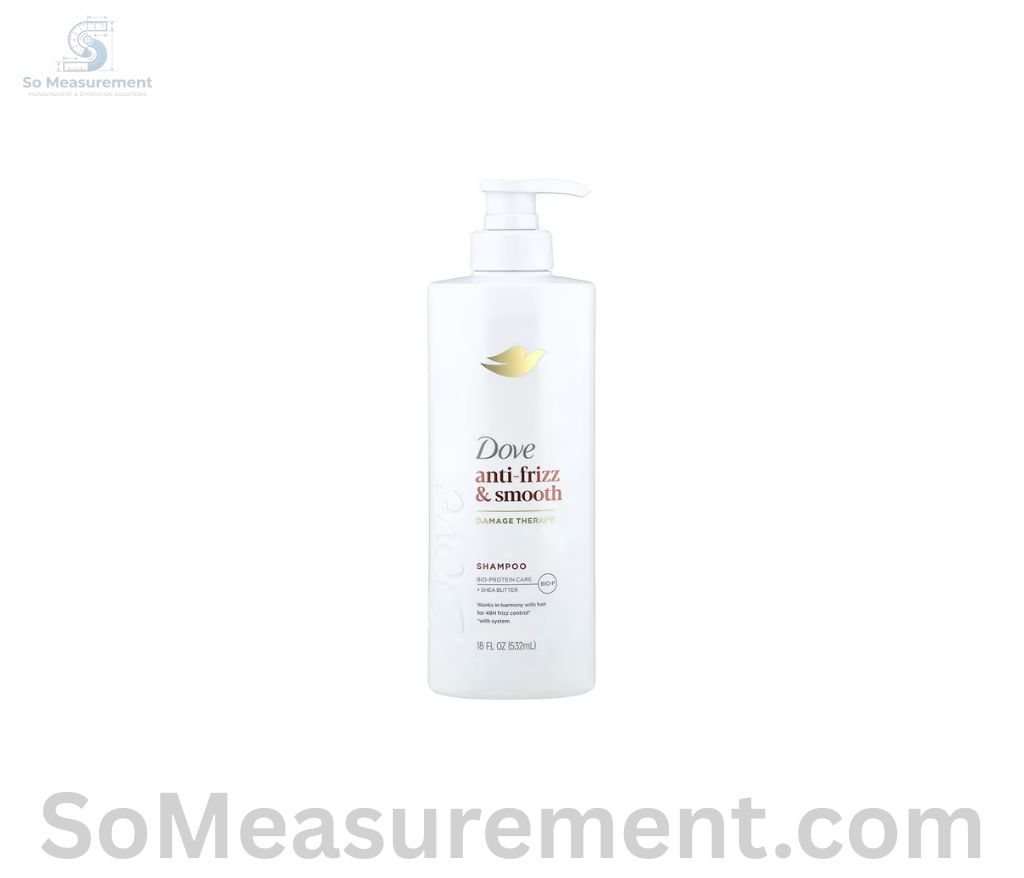
An 18-ounce bottle of shampoo or liquid soap — bottle included — lands close to 500g total. The plastic adds roughly 30–40 grams; the liquid fills the rest.
It sits in hand like a medium grip — not straining, but present. Most people have one in the bathroom right now without realizing it is a useful weight reference.
9. A Large Can of Soup
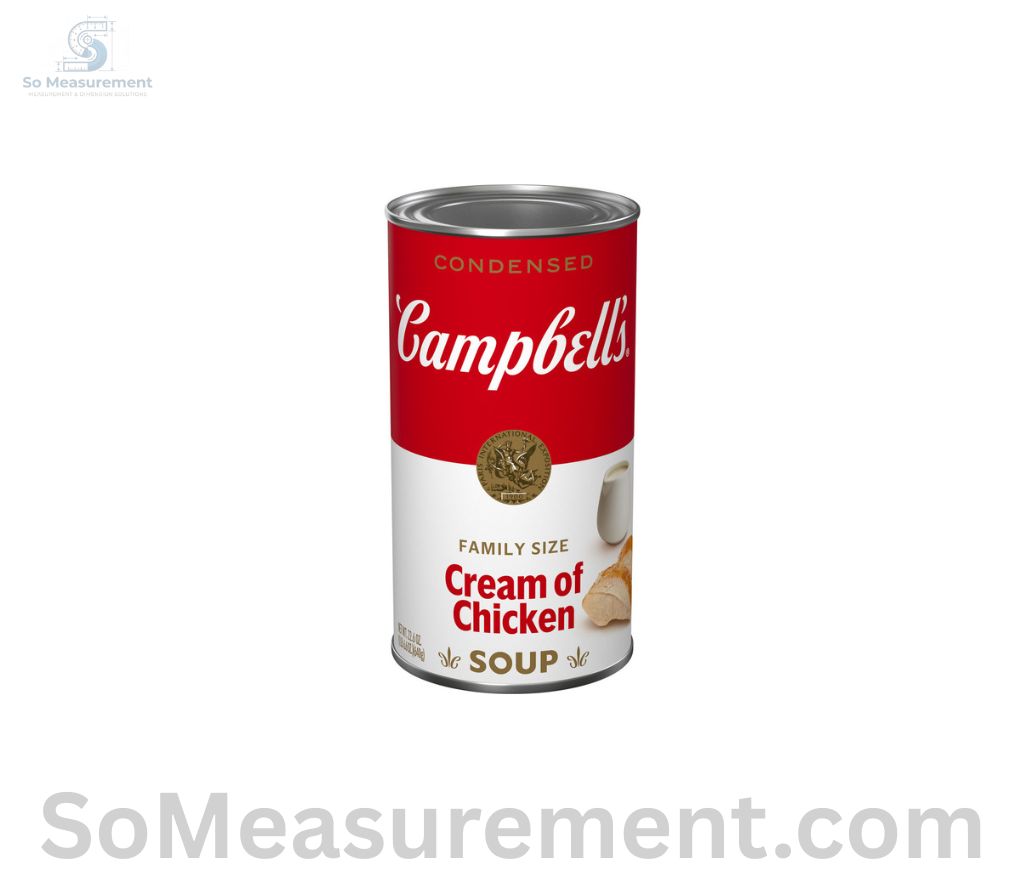
Family-size soup cans, like certain Campbell’s Chunky varieties, come close to 500g net. The can is rigid, compact, and cold — and that compactness makes it feel heavier than a pasta box at the same weight.
It is a useful reminder that weight and size are completely separate. Same grams, very different experience in hand.
10. A Small Bag of All-Purpose Flour
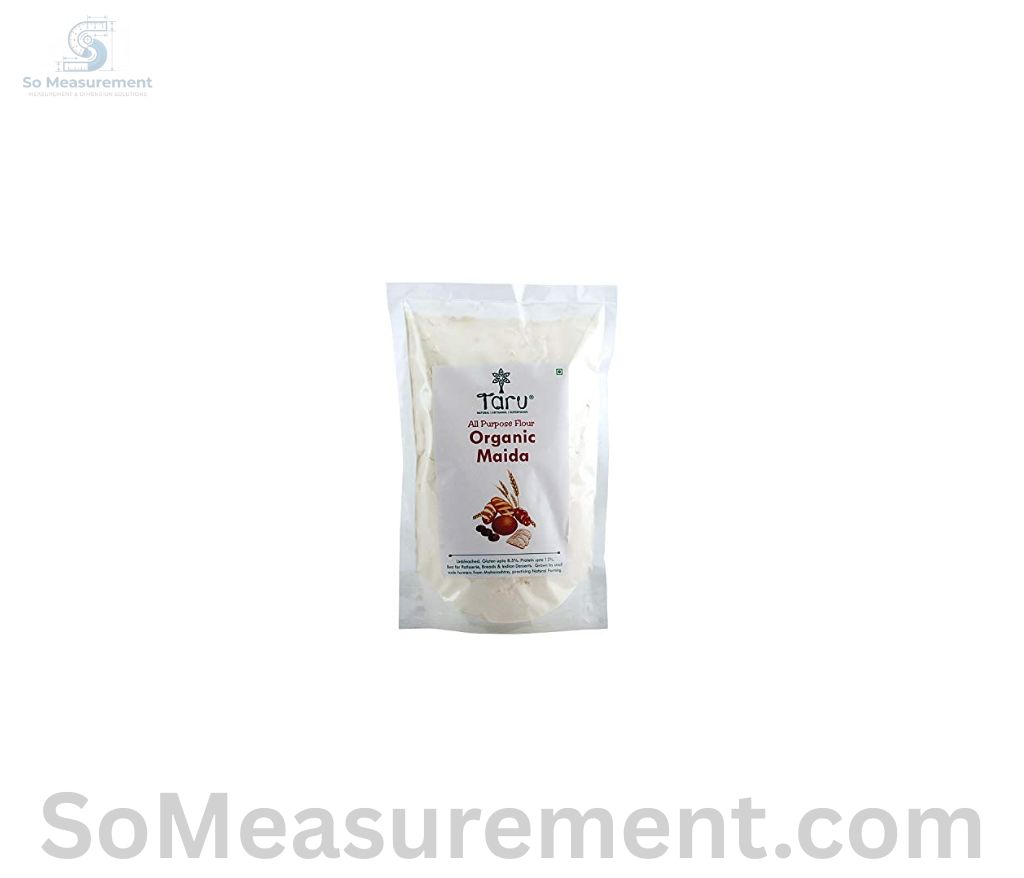
Flour is sold in 500g increments across most international markets. But 500g of flour takes up far more space than 500g of sugar — roughly 3.5 to 4 cups — because flour is much less dense per volume.
The bag feels soft and pillowy. It gives when you press it. The weight is real but the texture makes it hard to sense the actual mass, which is why bakers always weigh flour rather than scoop it.
11. A 500g Calibration Weight
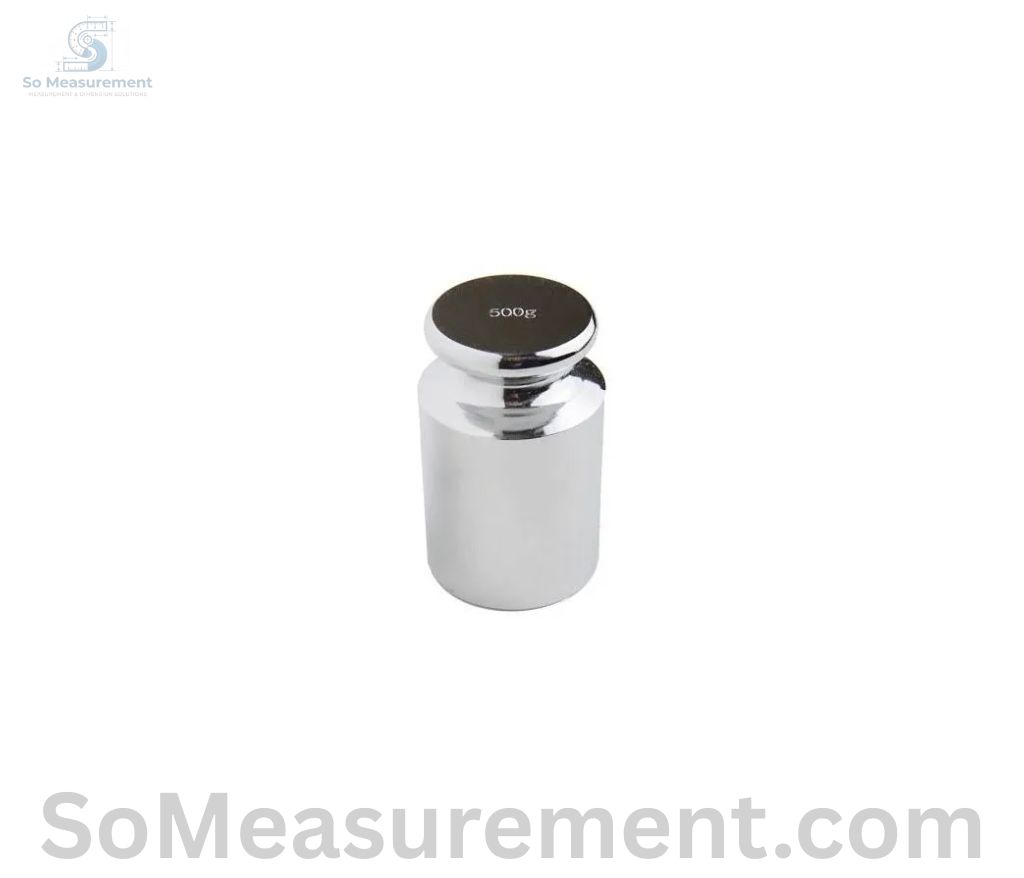
Stainless steel or chrome-plated, built to OIML international standards. These exist for one purpose — to weigh exactly 500g with legal-grade precision. Labs, pharmacies, and post offices use them to verify scales.
Small, extremely dense, cold to the touch. Holding one makes the weight feel more concentrated than anything else on this list. If you want to know what 500g truly feels like with no variables, this is it.
Three Ways to Measure 500g Without a Scale
Nickel Stack: 100 US nickels, minted to 5.000g each. Stack them — that is your 500g.
Paper Count: 100 sheets of 80gsm printer paper. Each sheet is 5g by ISO spec. Flat, portable, accurate.
Water Method: 500ml of water in a measuring cup. The water alone — not the container — weighs exactly 500g.
Three Mistakes Worth Knowing about 500 Grams
Weighing packaging with the ingredient. A recipe calling for 500g of flour means 500g of flour only. Tare the bowl first.
Using worn coins. Old nickels lose metal from circulation. For scale verification, newer coins give more accurate results.
Assuming 500ml always equals 500g. Only true for water. Oil, honey, and milk have different densities — same volume, different weight.
You may also like:
12 Everyday Things That Weigh 100 Kilograms
15 Everyday Things That Weigh 50 Pounds
Conversions follow the International Yard and Pound Agreement (1959). Object weights verified against US Mint coin specifications, ISO 216 paper standards, and OIML calibration guidelines.

Lev is passionate about helping readers understand sizes and dimensions of everyday objects. With a focus on clarity and practical examples, Lev shares accurate, trustworthy insights that make measurements relatable, useful, and easy to visualize for everyone.