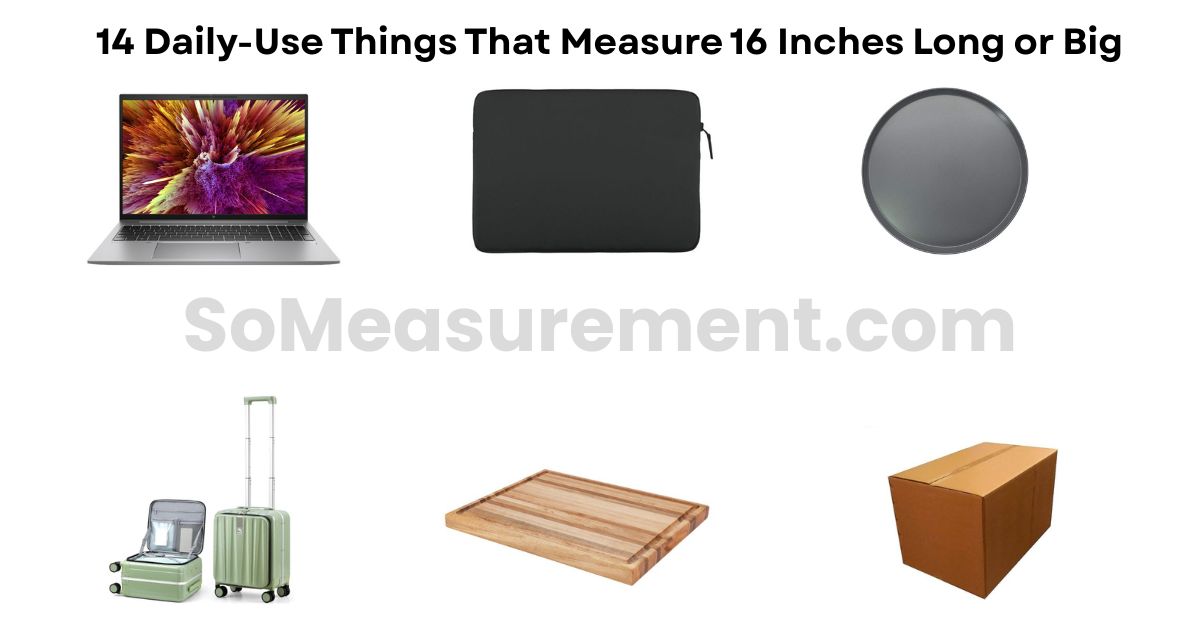
Sixteen inches is 40.64 centimeters, or exactly one foot and four inches. It sits in a genuinely useful middle ground: long enough to be a significant measurement in furniture, tools, and kitchen equipment, yet short enough to fit comfortably in a backpack, on a wall, or across a countertop.
When you need to picture 16 inches without a ruler nearby, think of it this way: it is roughly the distance from the tip of your outstretched middle finger to a point about four inches past your elbow. That image alone puts the length in perspective before any of the objects below do.
14 Objects That Are 16 Inches
| # | Object | Relevant Dimension |
|---|---|---|
| 1 | Laptop Screen | Diagonal screen size |
| 2 | Laptop Sleeve | Length (fits 16″ laptops) |
| 3 | Medium Wall Clock | Diameter |
| 4 | Floating Wall Shelf | Depth or width |
| 5 | Square Throw Pillow | Width and height (16×16 in) |
| 6 | Large Pizza Pan | Diameter |
| 7 | Kitchen Cutting Board | Length |
| 8 | Children’s Bicycle Wheel | Diameter |
| 9 | Long Basting Spoon | Total length |
| 10 | Homeowner Chainsaw Bar | Bar (guide) length |
| 11 | Mechanics’ Pry Bar | Total length |
| 12 | Mini Carry-On Suitcase | Height |
| 13 | Decorative Plate Hanger | Wire span length |
| 14 | Industrial Shipping Box | Width dimension |
1. Laptop Screen
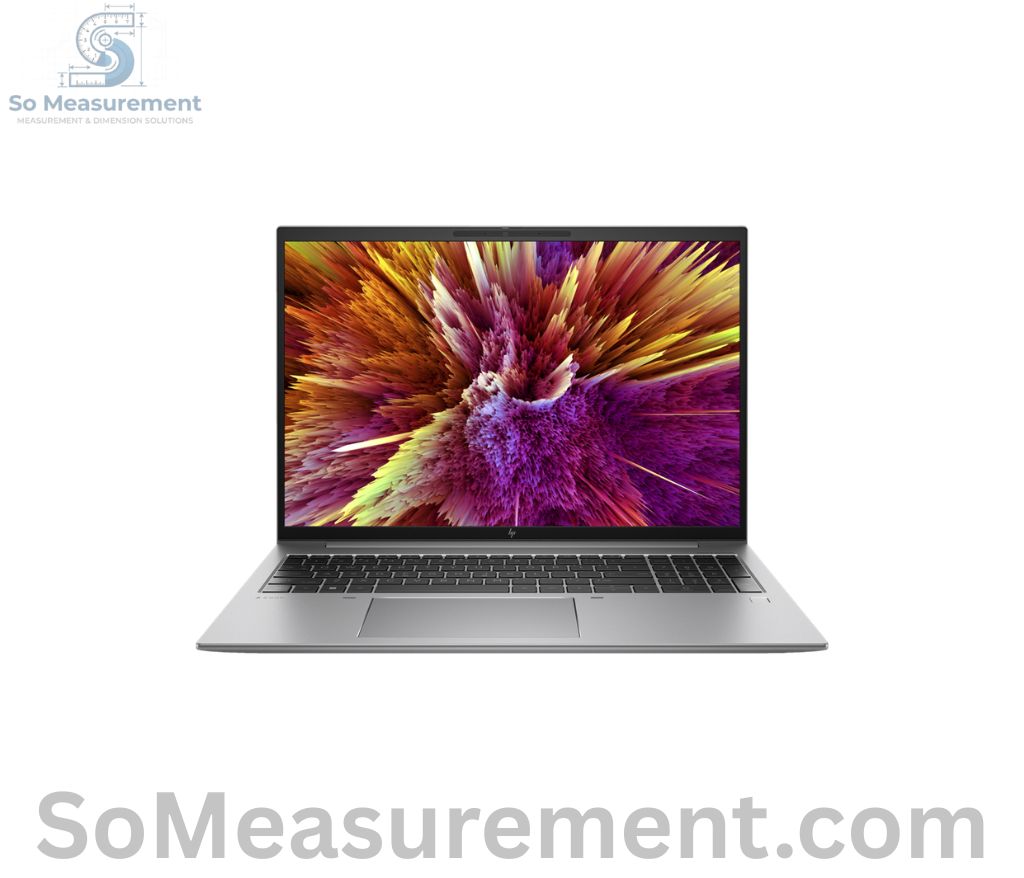
When a laptop is described as a “16-inch” model, that measurement refers to the diagonal of the screen, not its width. At the common 16:10 aspect ratio used by most modern laptops, the screen itself is approximately 13.6 inches wide and 8.5 inches tall, making the diagonal exactly 16 inches.
This distinction matters practically. The physical device is wider than the screen diagonal suggests, typically measuring around 14 to 14.5 inches across the chassis once the bezel and frame are included. If you are choosing a bag or desk setup, always check the full chassis dimensions rather than relying on the “16-inch” label alone.
2. Laptop Sleeve
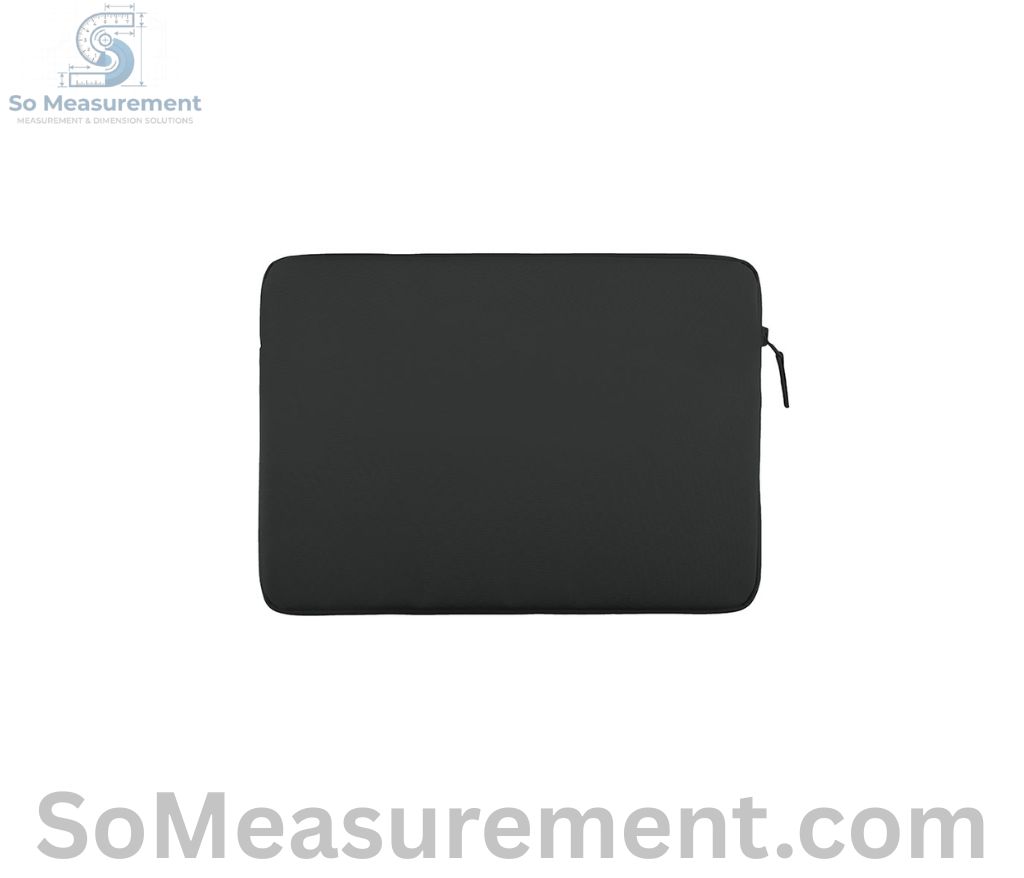
A sleeve designed for a 16-inch laptop typically measures around 16 inches along its interior length to snugly accept the machine. This is the measurement that actually corresponds to the sleeve’s opening, not the diagonal of the screen it’s protecting.
Sleeves in this size range usually add an inch or two to the outer dimensions to allow for padding. So the sleeve itself may appear to be 17 or 18 inches on the outside while the usable interior sits right at 16 inches. When shopping, check the stated interior dimension or the listed compatibility, since a 16-inch sleeve labeled for “16-inch laptops” is confirmed to fit that chassis size.
3. Medium Wall Clock
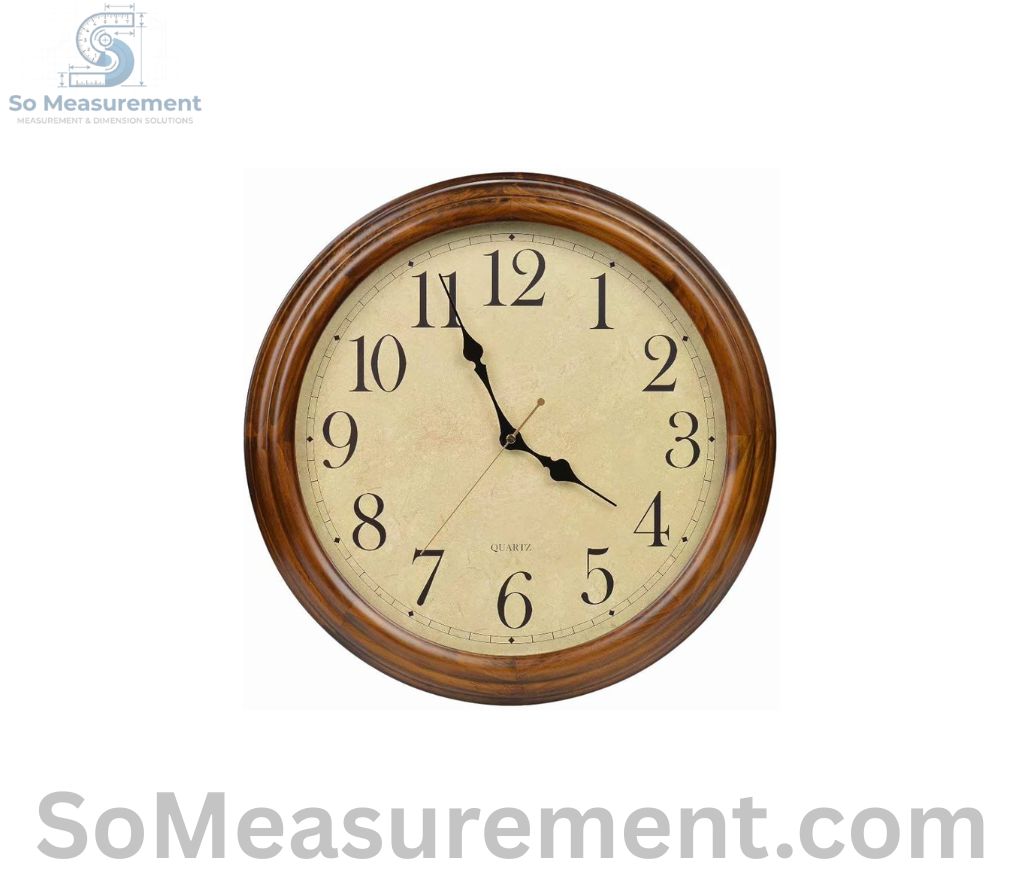
Wall clocks in the 12- to 18-inch diameter range are classified as medium-sized, and 16 inches falls squarely within that category. A 16-inch clock reads as substantial on a wall without dominating a room the way a 24-inch statement piece would.
The 16-inch measurement here is the outer diameter, measured from the outermost edge of the frame on one side to the opposite edge. This is different from the clock face diameter, which is the dial area inside the frame and always slightly smaller. When hanging a 16-inch clock, interior designers generally recommend about 57 to 60 inches from the floor to the center of the clock, which places it at natural eye level.
4. Floating Wall Shelf
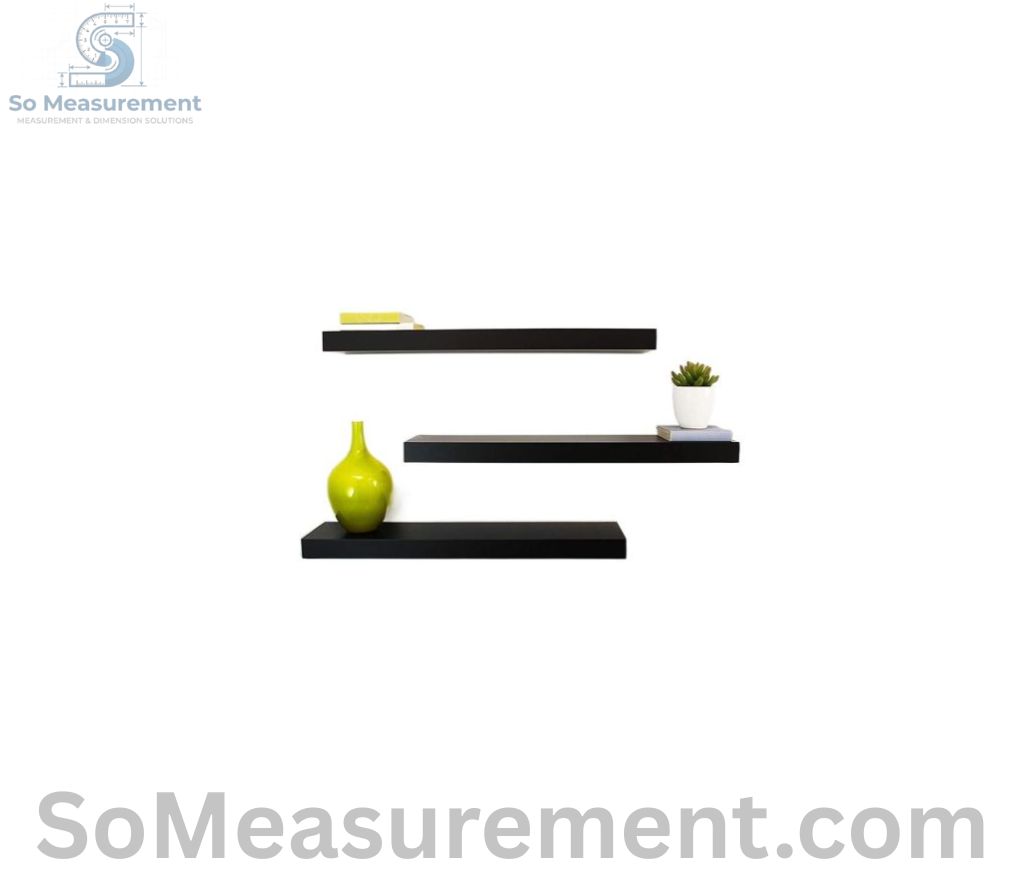
Floating shelves marketed as 16-inch models are referring to their length, meaning how far they extend horizontally across the wall. A 16-inch shelf is one of the most common compact shelf sizes, practical for a bathroom, entryway, or bedroom without requiring a wide run of wall space.
The depth and thickness of these shelves vary by manufacturer, commonly around 4 to 9 inches deep and 1.5 to 2 inches thick. The 16 inches refers only to the horizontal span. That is enough room for a small plant, a few paperback books, a candle, or a row of small framed photos, but not enough for wide storage baskets or large decor pieces.
5. Square Throw Pillow (16×16)
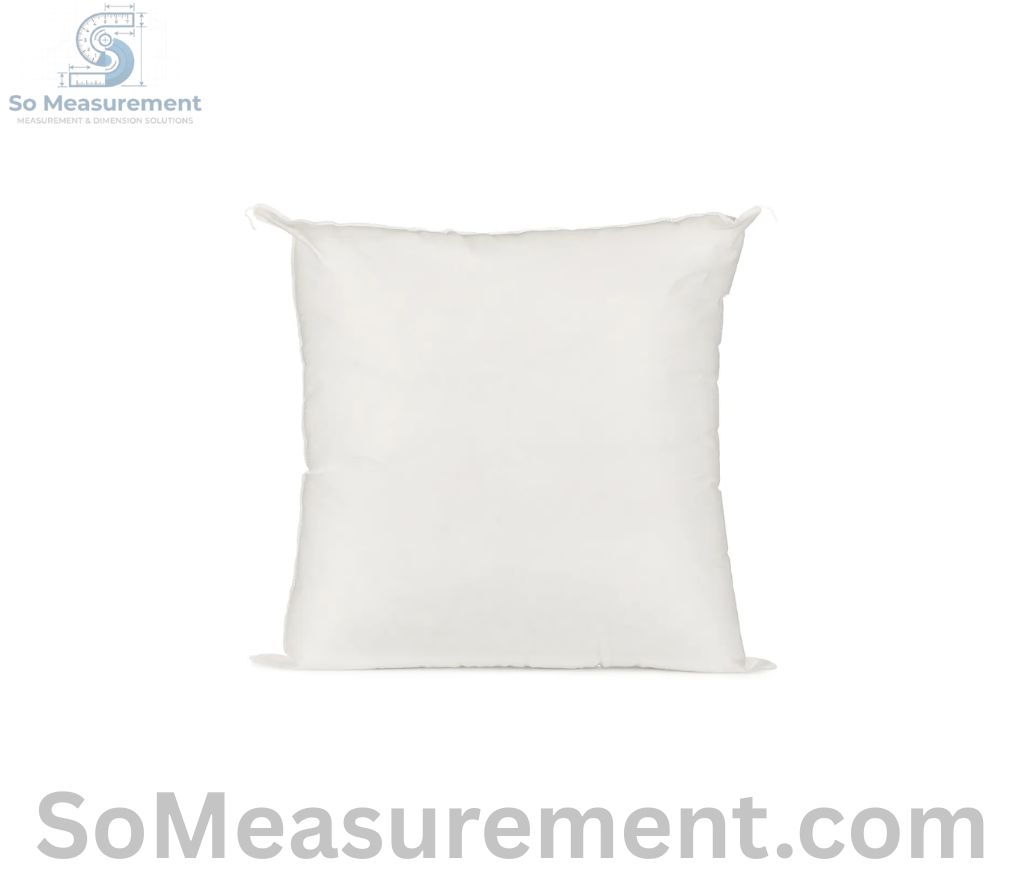
A 16×16-inch throw pillow is one of the most widely available standard pillow sizes, commonly found on sofas, chairs, and beds as an accent. Both the width and the height measure 16 inches, making it a true square. It is smaller than the popular 18×18 size and noticeably more compact than a 20×20 floor pillow.
The insert inside the cover is usually sold at 17 or 18 inches for a 16-inch cover, because pillow covers are cut to finished dimensions and need a slightly larger insert to achieve a full, non-saggy appearance. When you see “16-inch pillow” on a product listing, that refers to the cover size, not the insert.
Read also: How Big Is 6 cm? Here’s What It Actually Looks Like
6. Large Pizza Pan
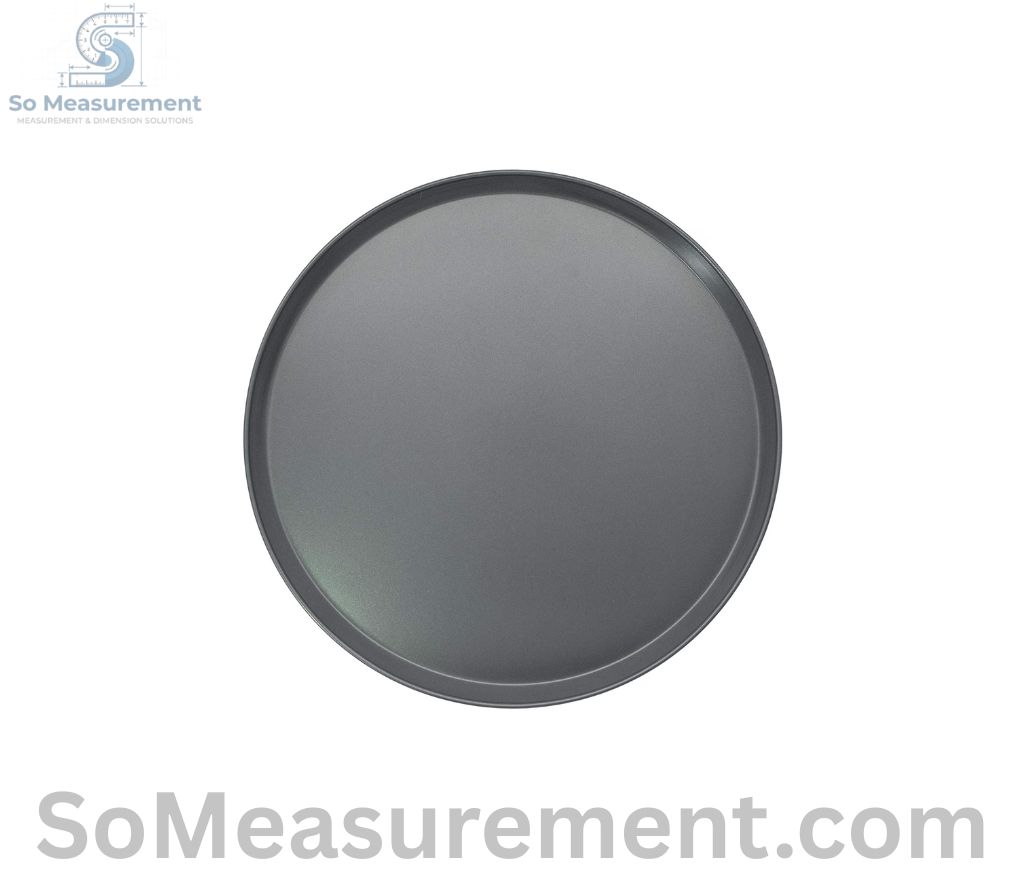
A 16-inch pizza pan measures 16 inches in outer diameter. This is a generous, family-sized baking surface capable of holding a pizza that serves six to eight people comfortably. Pizzerias and home bakers both use this size, and it is sold widely as an “extra-large” or “family size” category.
One practical note: on some wide-rim commercial pans, the outer diameter is 16 inches while the usable interior baking surface measures about 14 inches due to the rim taking up an inch on each side. When the label says 16 inches for a home pan with no wide rim, the baking surface is essentially the full 16-inch diameter.
Read also: What Does 20 Pounds Feel Like? 14 Everyday Things That Weigh That
7. Kitchen Cutting Board
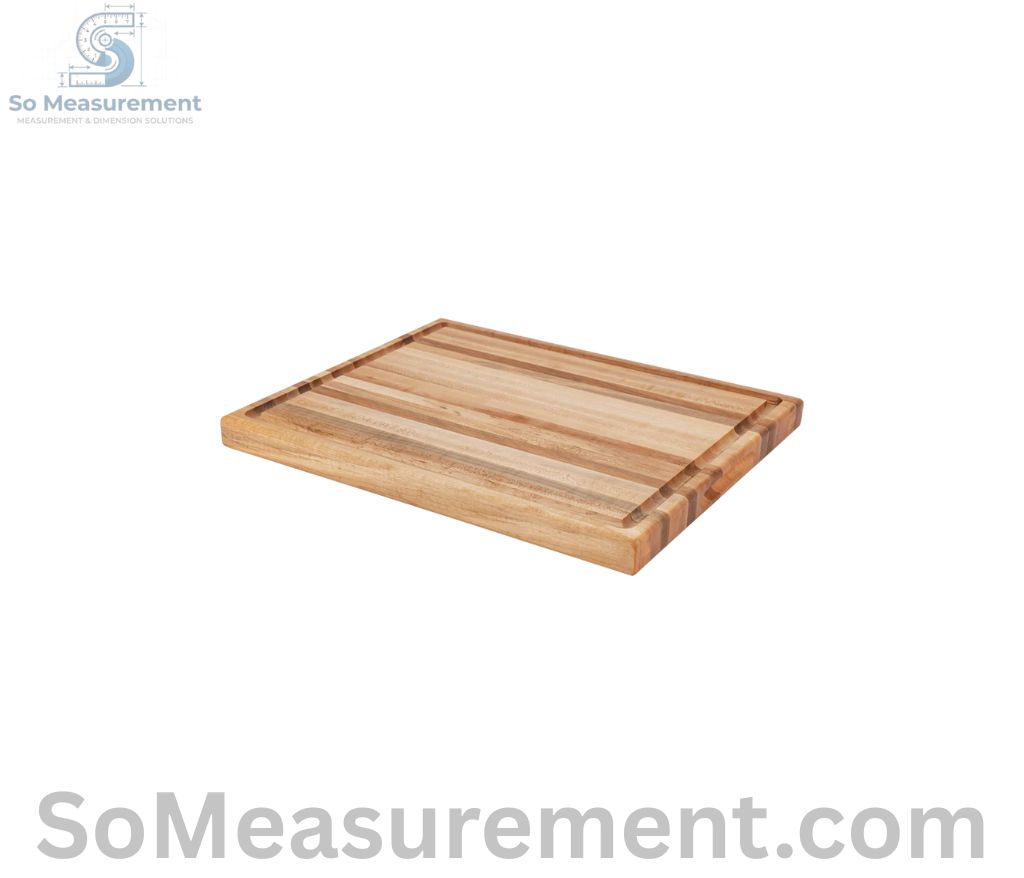
A cutting board sold as 16×12 inches has 16 inches along its longer dimension and 12 inches along the shorter one. This falls in the medium size range, which is among the most common configurations for home kitchens. It provides enough room for chopping vegetables, portioning chicken breasts, or slicing a loaf of bread without being so large that it overwhelms a standard countertop.
The 16-inch measurement runs along the board’s length. If you set it horizontally in front of you, 16 inches is roughly the span from front to back. Boards in this size are also sold as 16×10 or 16×8 for narrower configurations, so always check both dimensions before buying, since “16-inch cutting board” on its own does not tell the whole story.
8. Children’s Bicycle Wheel
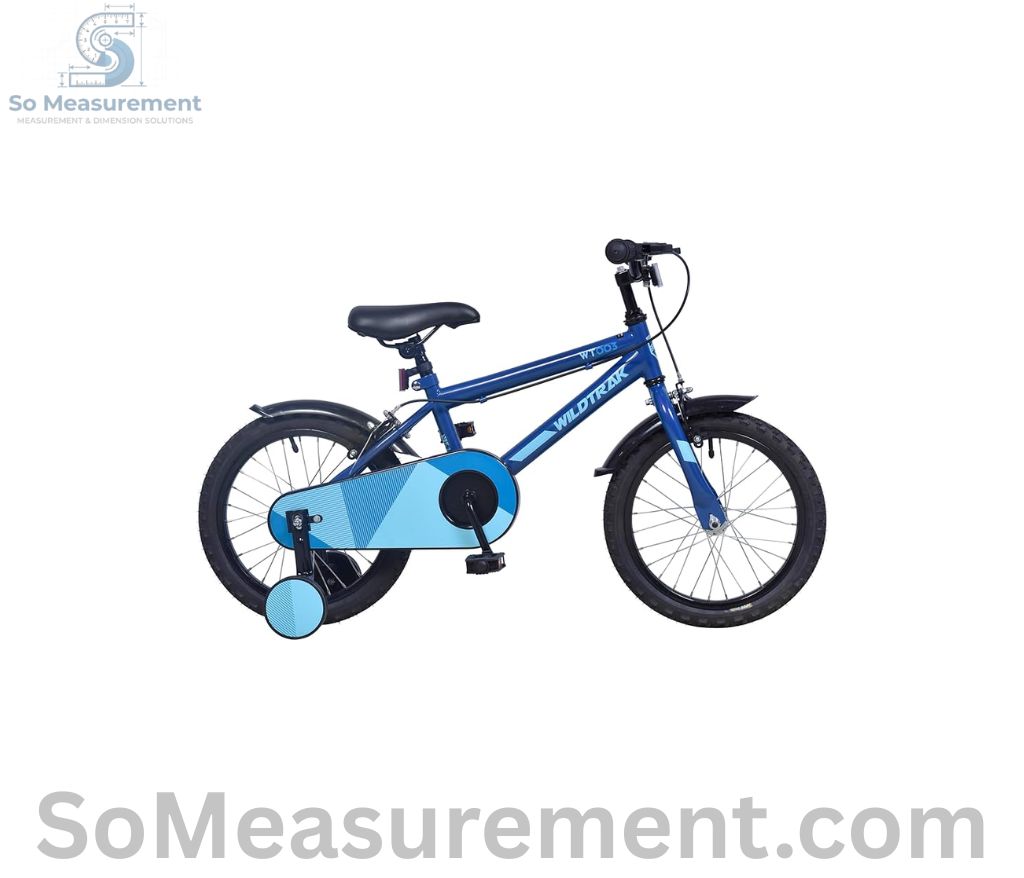
A 16-inch bicycle wheel is one of the most common sizes for children’s bikes designed for kids roughly 3 to 7 years old, typically those between 38 and 48 inches tall. The 16-inch figure refers to the wheel diameter, measured from one outer edge of the tire through the center to the opposite outer edge.
This is the wheel as a complete unit with the tire inflated, not just the rim. The rim itself is smaller. Bikes with 16-inch wheels are usually the first pedal bikes children ride after transitioning from a balance bike, and they are typically compatible with training wheels until the rider builds confidence.
9. Long Basting Spoon
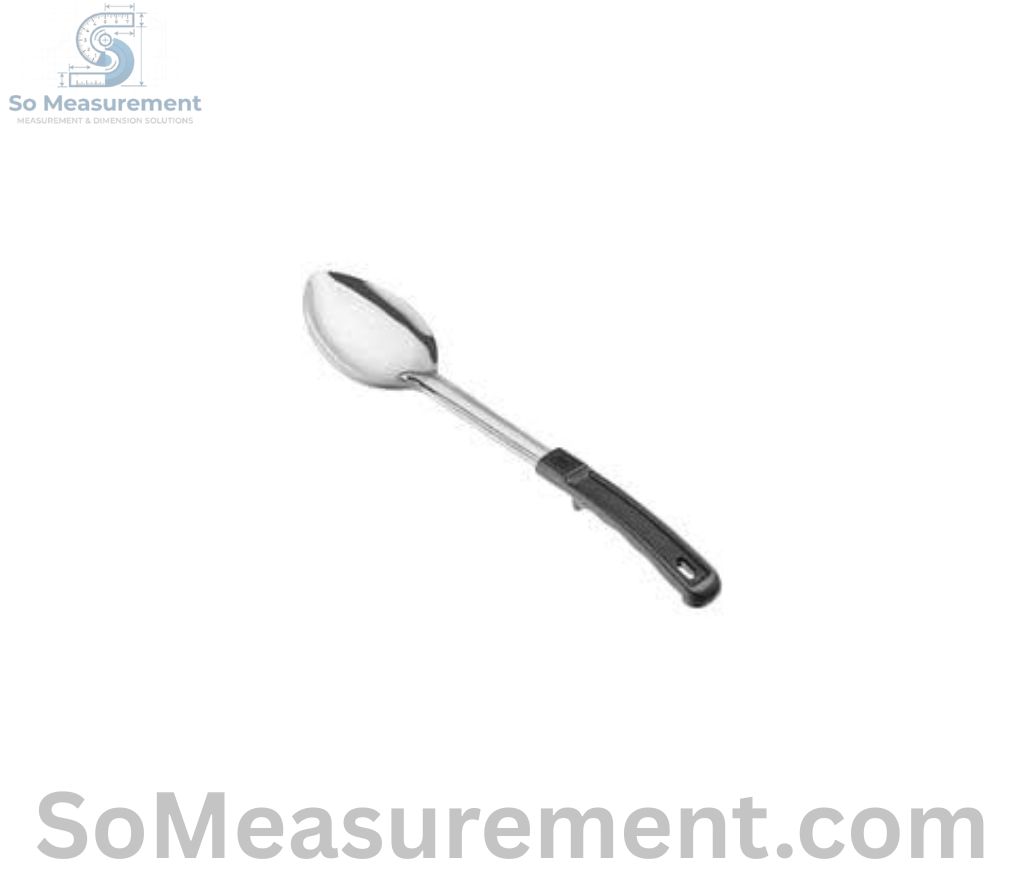
Kitchen basting spoons commonly come in 15- to 16-inch lengths, and 16 inches is a standard size across both wooden and stainless steel versions sold for home and commercial use. This measurement covers the full length of the utensil from the tip of the handle to the far edge of the bowl.
The reason this length matters practically: a 16-inch spoon gives enough distance between your hand and the surface of a simmering pot or hot oven to protect against heat and steam. It is notably longer than a standard dinner spoon (around 8 to 9 inches) but shorter than a dedicated candy-making spoon or a long serving ladle designed for deep commercial stockpots.
10. Homeowner Chainsaw Bar
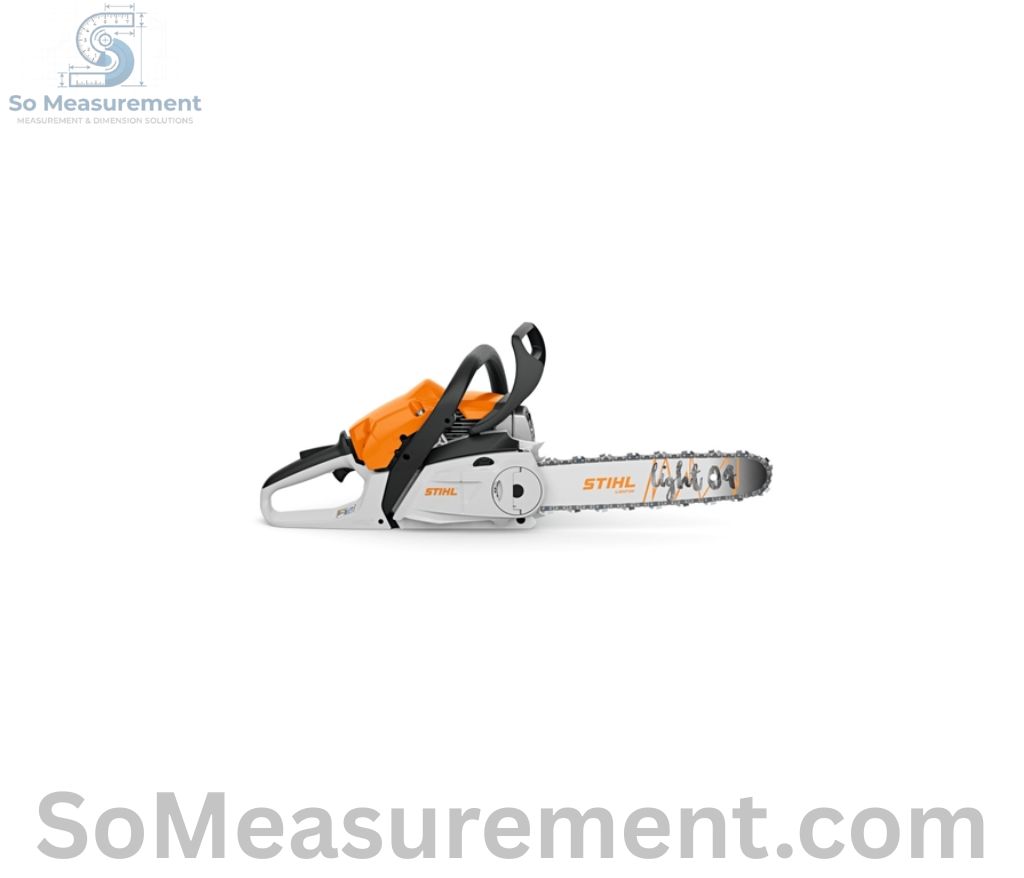
A 16-inch chainsaw bar refers to the usable cutting length, measured from the tip of the blade to the point where the bar enters the saw’s housing. This is one of the most popular sizes for homeowners because it strikes a balance between cutting reach and manageable weight.
A 16-inch bar can cut cleanly through a log or tree trunk up to about 14 inches in diameter in a single pass, following the practical guideline that the bar should be at least 2 inches longer than the wood you are cutting. It handles common residential tasks such as firewood processing, storm cleanup, felling small to medium trees, and limbing branches without the heft and handling demands of a 20-inch or longer professional bar.
11. Mechanics’ Pry Bar
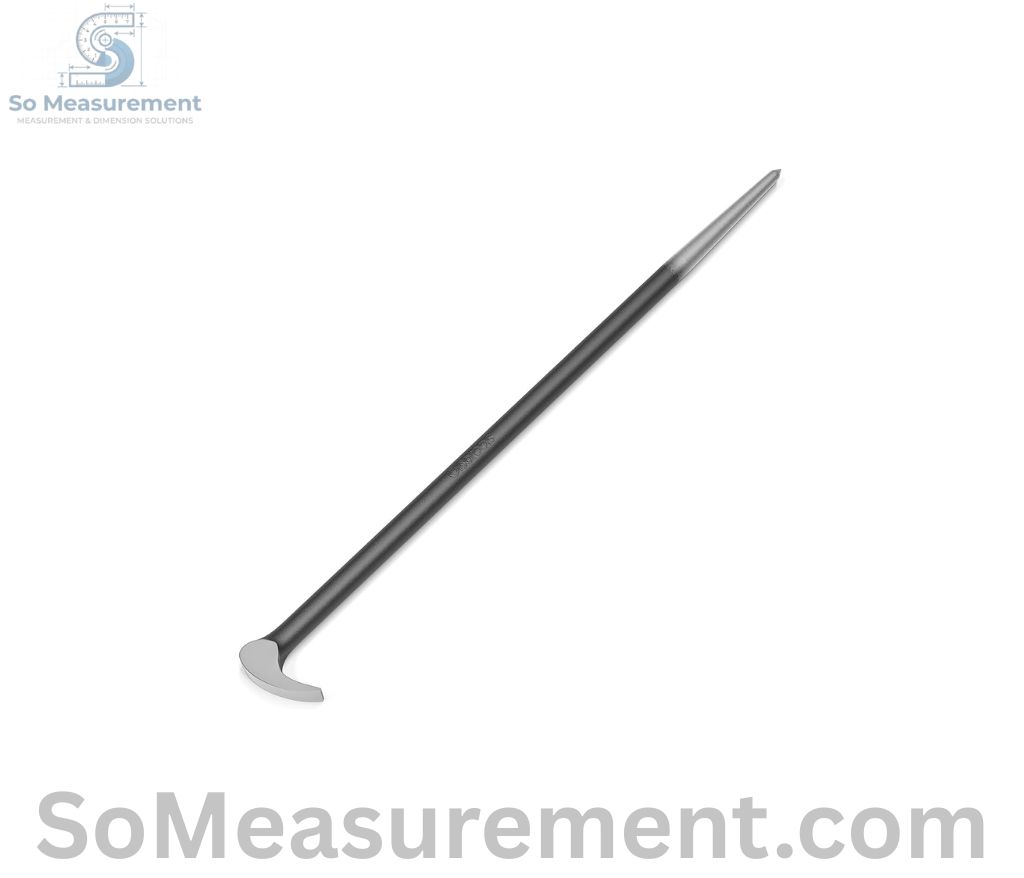
A 16-inch pry bar is a mid-length tool in the pry bar family, shorter than the 24-inch bars used for demolition and longer than the compact 7- to 10-inch trim bars used for finish carpentry. In automotive and mechanical contexts, this length provides enough leverage for repositioning engine components, removing drive seals, aligning steel parts, and accessing areas inside an engine bay or under a vehicle frame.
The 16 inches is the total length of the bar, not just the working end. Indexing pry bars at this length often feature a rotating head with multiple locking positions, which extends their usefulness in tight spaces where a fixed-angle tool would not reach properly.
12. Mini Carry-On Suitcase
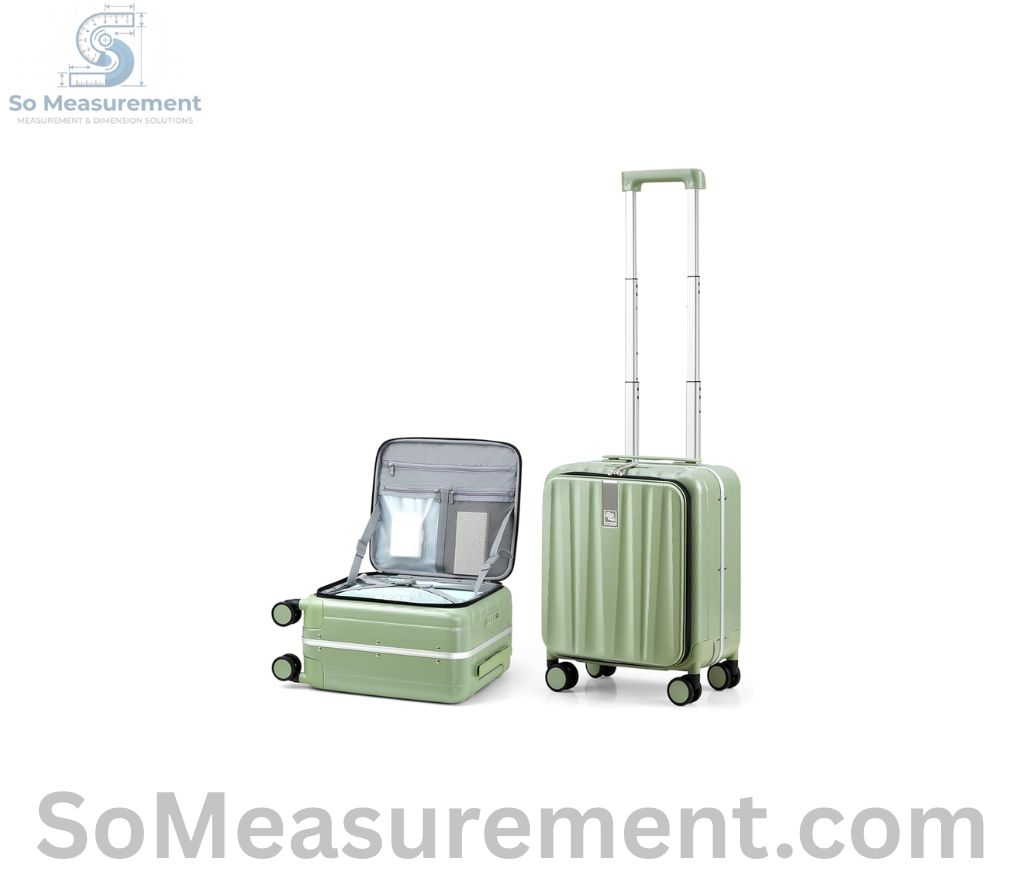
Mini carry-on suitcases marketed as 16-inch models are referring to the height of the bag, measured from the bottom of the shell to the top of the body, not including wheels or the extended handle. At 16 inches tall, these bags are smaller than a standard 22-inch carry-on and are designed to fit under airplane seats rather than in overhead bins.
This size is popular for very short trips of one to three days, for passengers on airlines with strict personal item sizers, and for travelers who want to avoid any checked bag fees entirely. The width and depth on a 16-inch mini carry-on typically run around 11 to 12 inches wide and 7 to 8 inches deep, making the total volume noticeably smaller than a standard carry-on.
13. Decorative Plate Hanger
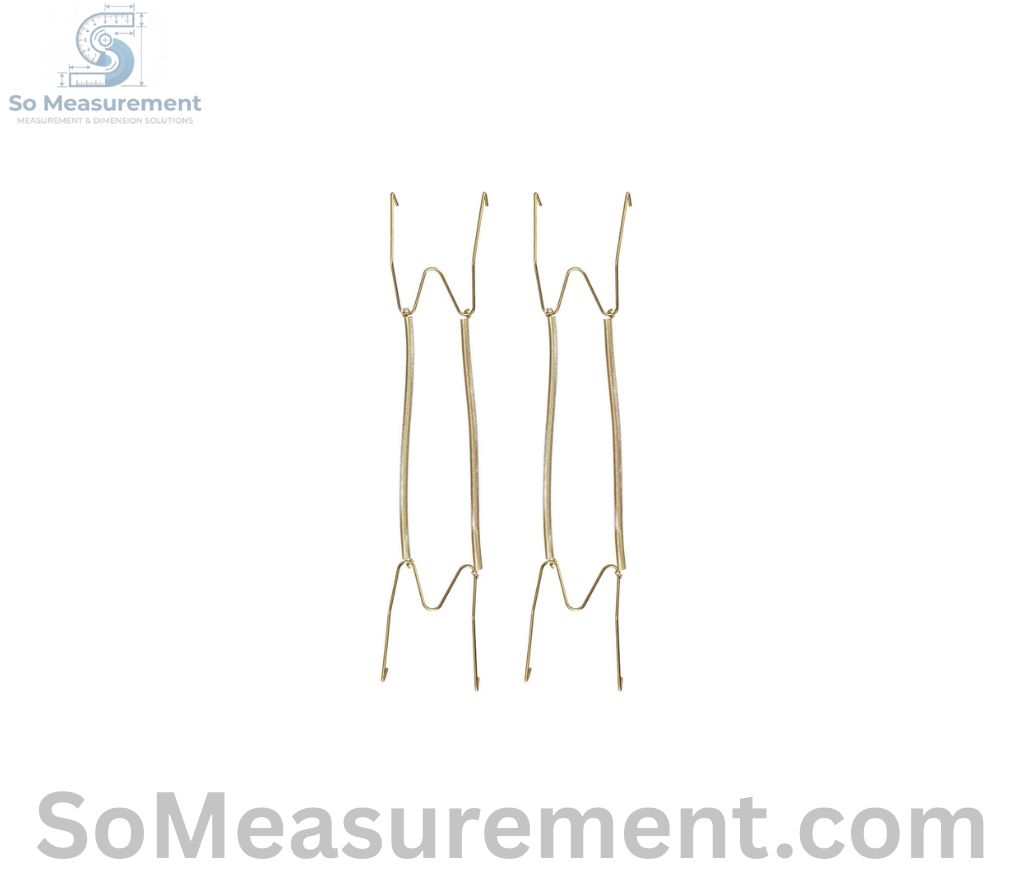
Decorative plate hangers are wire or coiled-spring devices that mount on a wall and hold a display plate without a visible bracket. A hanger sized for 16 inches refers to the maximum plate diameter it can hold, meaning the spring or wire arms are set to grip a plate up to 16 inches across securely.
These hangers adjust within a range, so a hanger rated to 16 inches might accommodate plates anywhere from 12 to 16 inches in diameter. The 16-inch maximum span is the key dimension because it tells you the largest plate that will sit stably without the arms losing their grip. Plates larger than the stated maximum will be too heavy or too wide for the spring tension to hold properly.
14. Industrial Shipping Box Width
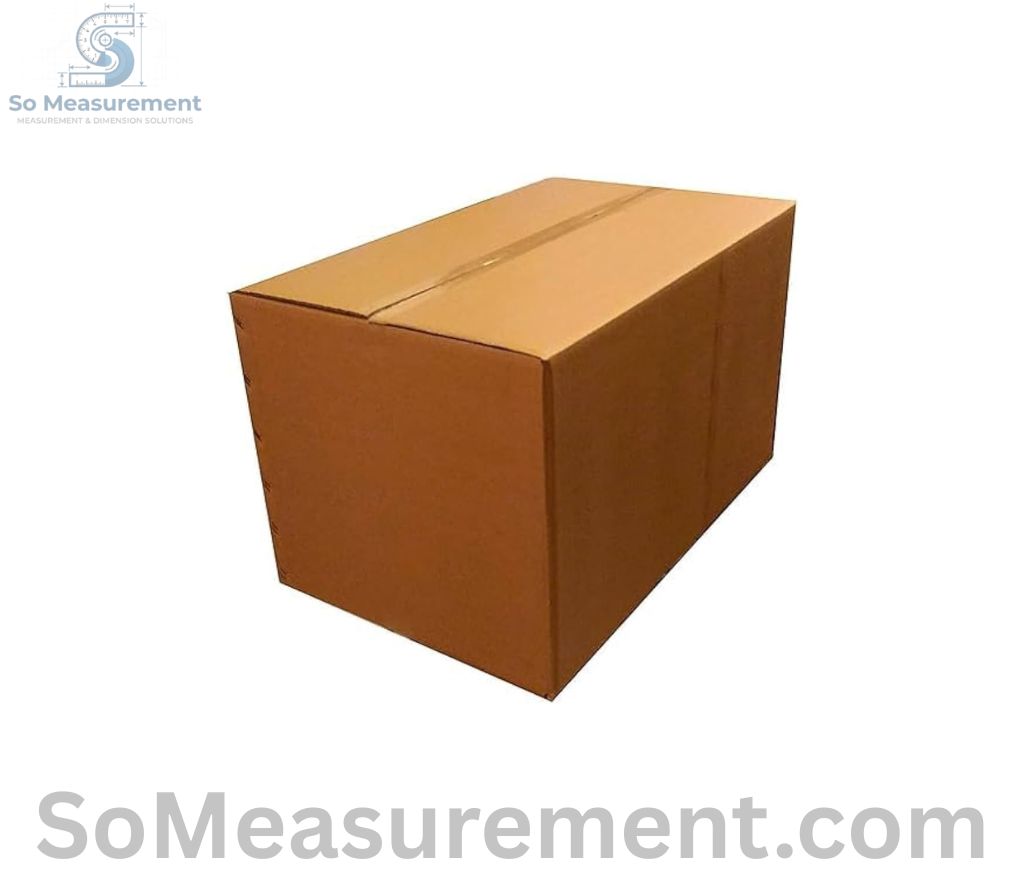
Many common industrial and commercial shipping boxes are manufactured with a 16-inch width dimension. A widely used format, for example, is 16x12x8 inches or the cube format 16x16x16 inches, both of which appear frequently in warehouse and e-commerce fulfillment contexts.
In box notation, width is the shorter side of the opening and length is the longer side. When a box is listed as 26x16x10 inches, the 16 refers to the width of the opening, meaning the shorter span across the top. A 16-inch box width is substantial enough to ship mid-sized consumer products, small appliances, tools, and boxed food items, and it fits within the footprint of most standard pallet configurations without wasted space.
How Long Is 16 Inches, Really?
16 inches converts exactly to 40.64 centimeters. In feet, it is 1 foot and 4 inches. It falls between the length of a standard ruler (12 inches) and the full length of a legal-sized piece of paper (14 inches long), landing it at a size that is clearly longer than a sheet of paper but shorter than most laptop bodies when measured end to end.
If you need to estimate 16 inches without a measuring tool, a useful reference is the length of a standard laptop keyboard from the left edge to the right edge on a 13-inch laptop model, which runs close to 10 to 11 inches. Add a hand-width of about 4 to 5 inches to that, and you are near 16 inches. It is an honest, tangible length that you will find across an impressively wide range of everyday objects.
Related Posts:
15 Daily-Use Things That Measure 13 Inches Long or Big
15 Everyday Things That Weigh 100 Grams

Lev is passionate about helping readers understand sizes and dimensions of everyday objects. With a focus on clarity and practical examples, Lev shares accurate, trustworthy insights that make measurements relatable, useful, and easy to visualize for everyone.