Five inches is a useful, familiar size. It sits somewhere between a business card and a dollar bill, long enough to hold comfortably in your hand but short enough to vanish into a pocket or a kitchen drawer without a trace. In centimeters, it works out to exactly 12.7 cm. On a ruler, it lands at the halfway mark between 4 and 6 inches.
The length comes up more often than you might expect. It shows up in kitchen tools, desk objects, carry gear, and everyday stationery. Here is a grounded look at 14 real things that actually measure right around that mark.
The 14 Objects That Measure 5 Inches
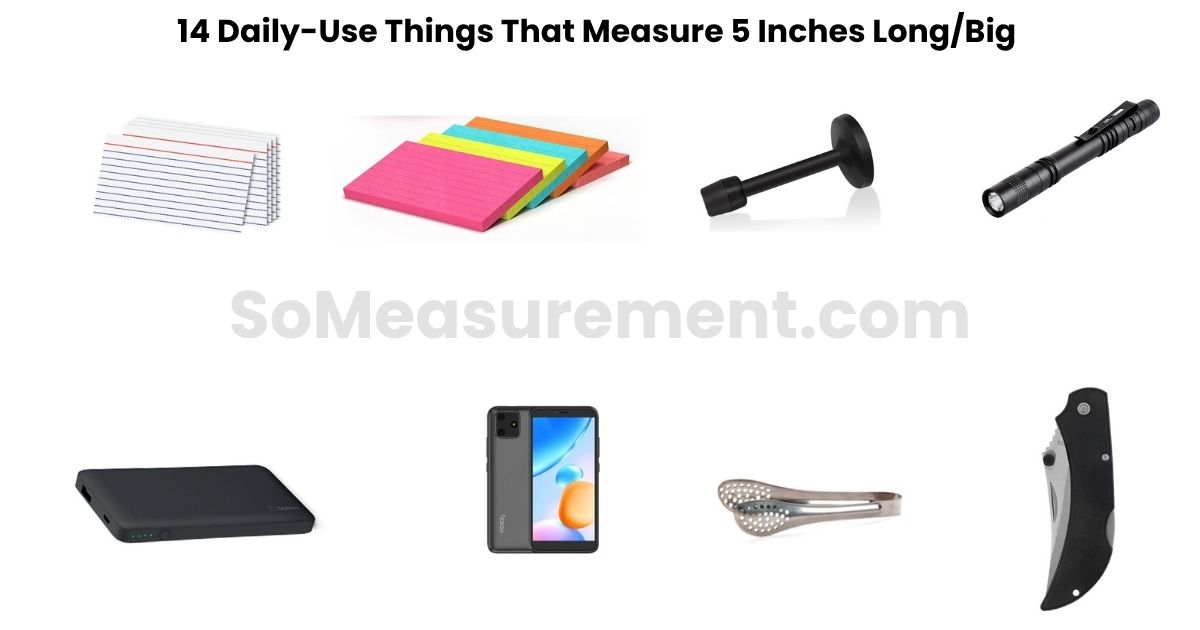
| Object | Measurement | Notes |
|---|---|---|
| 3×5 Index Card | 5 inches (long side) | Exact standardized size |
| Utility Scissors (5-inch) | 5 inches overall length | Common labeled size |
| Lined Large Sticky Note (tall side) | ~5 inches | Approximate; varies by brand |
| Bud Vase | ~5 inches tall | Mid-range size; varies |
| Rubber Doorstop | ~4.5 to 5.4 inches long | Varies by model |
| Compact Smartphone Screen | 5 inches diagonal | Measurement is screen diagonal |
| Slim Pocket Power Bank | ~5 inches long | Varies by model/capacity |
| Tactical Pocket Flashlight | ~5 inches long | Common EDC length |
| Travel Toothbrush (folded) | ~4.5 to 5 inches | Varies by design |
| Short Serving Tongs | ~5 inches | Mini/appetizer size |
| Single-Serve Snack Bag (width) | ~5 inches | Approximate width |
| Folded Pocketknife | ~5 inches closed | Common medium-size closed length |
| Desktop Sand Timer | ~5 inches tall | Common decorative size |
| Kitchen Utility Knife Blade | 5 inches | Standard blade length |
1. 3×5 Index Card
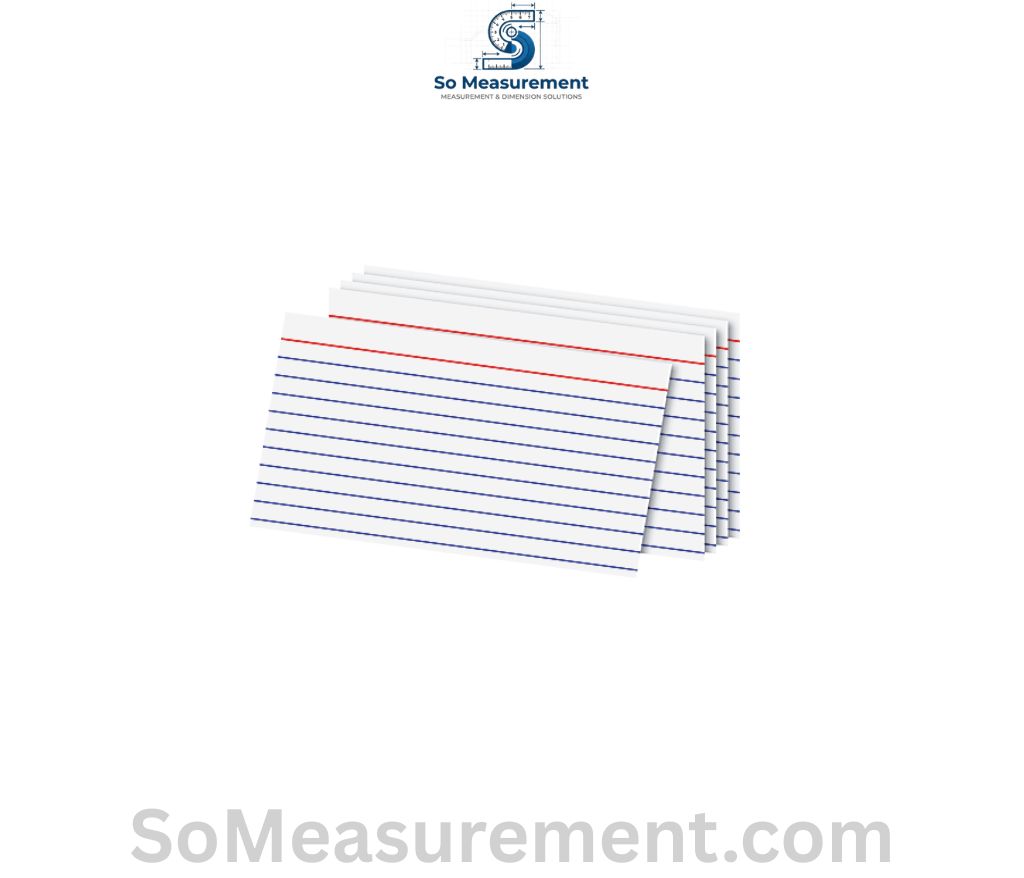
The 3×5 index card is one of the few perfectly standardized small paper items in everyday use. Its long side is exactly 5 inches, and its short side is exactly 3 inches. That is not approximate. It is the named dimension, and manufacturers stick to it.
The card has stayed at this size for well over a century, and it shows in how naturally 5 inches reads to most people who have held one. When you need a quick way to visualize this length, a standard index card laid horizontally is about as exact a reference as you will find outside a ruler.
2. Utility Scissors (5-Inch)
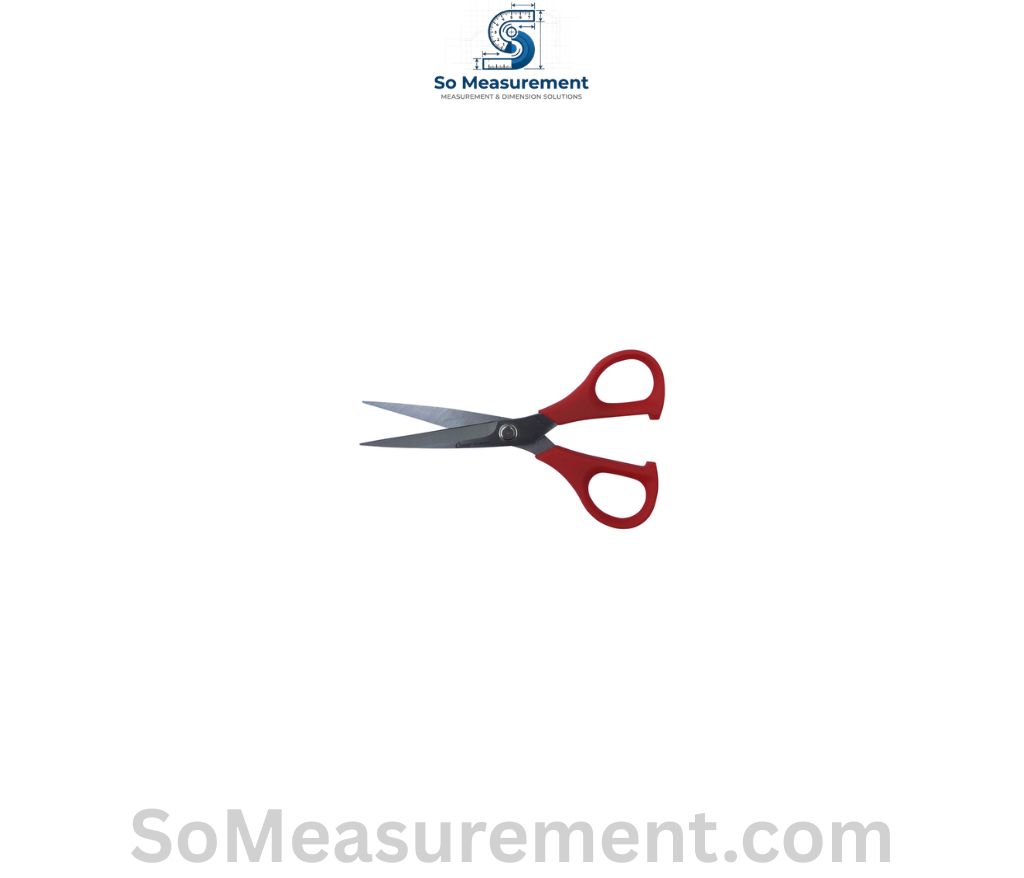
Craft and utility scissors are commonly sold in labeled sizes, and the 5-inch version is one of the most widely available. This refers to the overall length from the tip of the blade to the end of the handle, not just the cutting edge. The blade itself is shorter, typically around 2 inches, with the rest made up by the handle and pivot.
This size is well-suited for detail work, cutting gift wrap, trimming paper, or light crafting. It is small enough for a pencil case but large enough to handle practical tasks where a full-sized pair would feel excessive. Many sewing kits and school supply sets specifically include this size.
3. Lined Large Sticky Note (Tall Side)
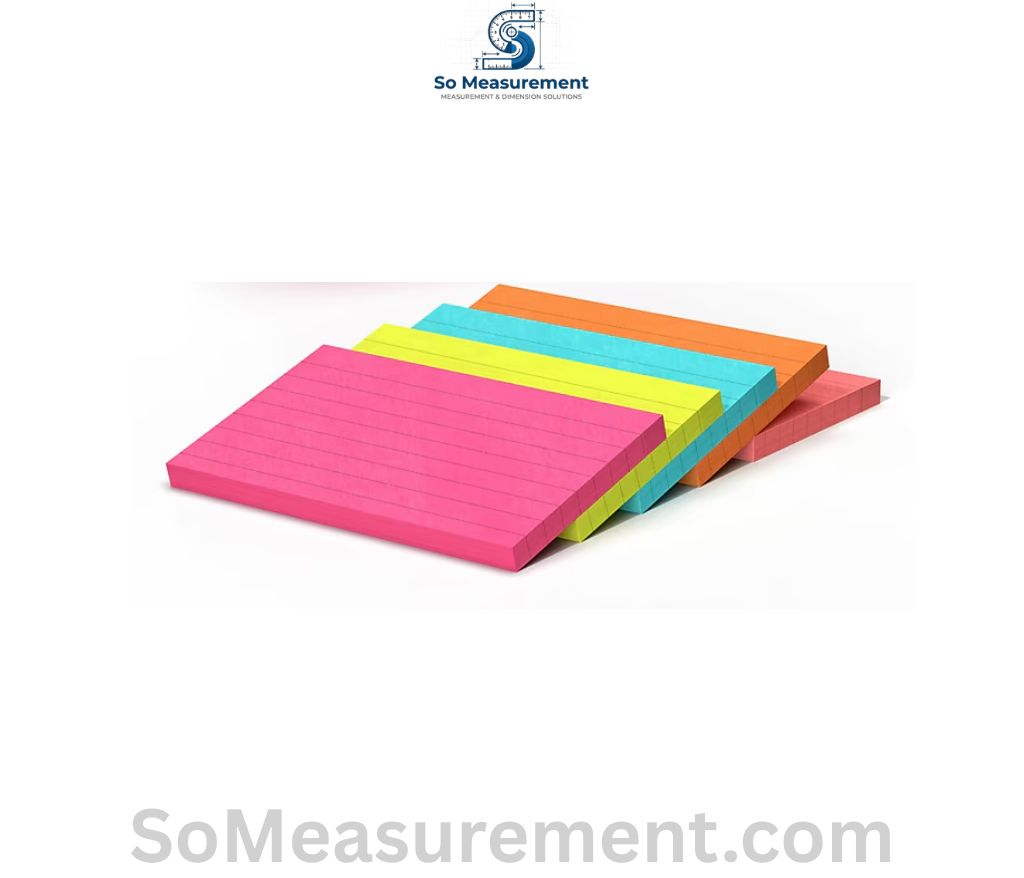
The tall, narrow sticky note pads designed for lined writing tend to measure around 5 inches on the longer dimension. These are wider than the small square notes but narrower than full letter-sized notepad pages, placing them squarely in the range of a single hand width held lengthwise.
The measurement varies a little between brands and product lines, so treat it as approximate rather than exact. That said, the format itself is deliberately sized for short, complete sentences or bullet points, and the roughly 5-inch height fits neatly into that use case without wasted space.
4. Bud Vase
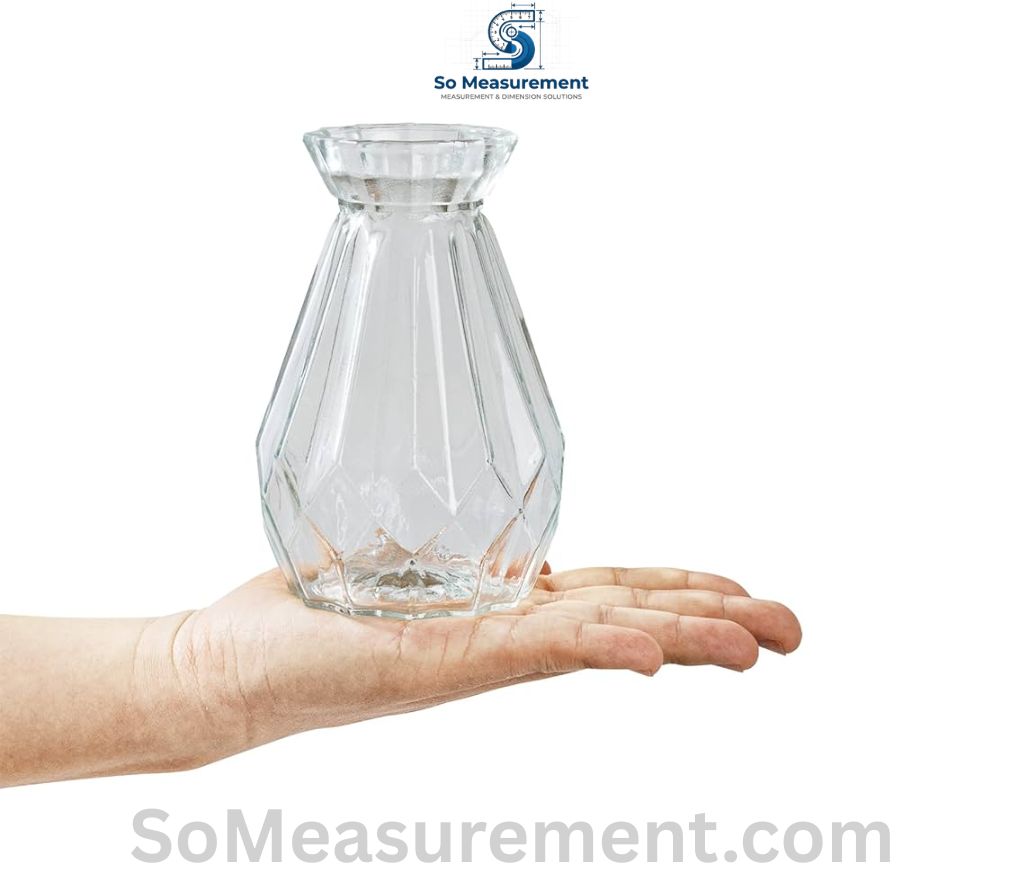
A bud vase is a narrow-necked vessel designed to hold one or just a few stems. The most common height range for this style of vase is 3 to 7 inches, placing a 5-inch bud vase squarely in the middle of what florists and home decorators consider the most versatile size.
At 5 inches tall, a bud vase holds a single stem with about 3 to 5 inches of flower visible above the rim, which works well for roses, tulips, anemones, or dried botanicals. It fits on a nightstand, a bathroom shelf, or in a grouped table centerpiece without dominating the space. The 5-inch version is specifically called out by floral designers as the mid-piece in a classic trio arrangement.
5. Rubber Doorstop
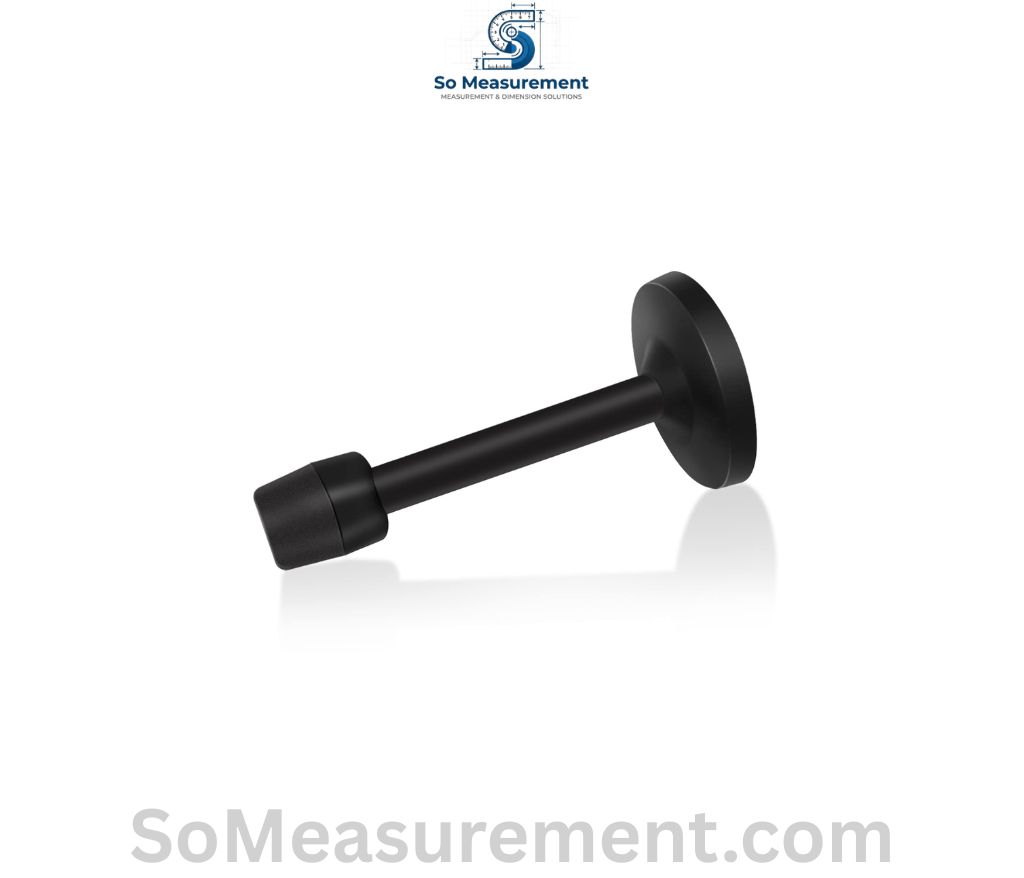
The standard wedge-style rubber doorstop tends to run between 4.5 and 5.4 inches in length, depending on the brand and design. The length here refers to the base of the wedge from the thin front edge to the thick back. Some popular models come in right at the 4.8 to 5-inch range, making this one of the most common objects in a home that sits at approximately 5 inches long.
The wedge shape means the width and height are much smaller, usually around 2 inches wide and 1 to 1.5 inches tall at the back. What matters for door-holding grip is the length of the base pressed against the floor, and that is where the 5-inch figure is most relevant.
6. Compact Smartphone Screen
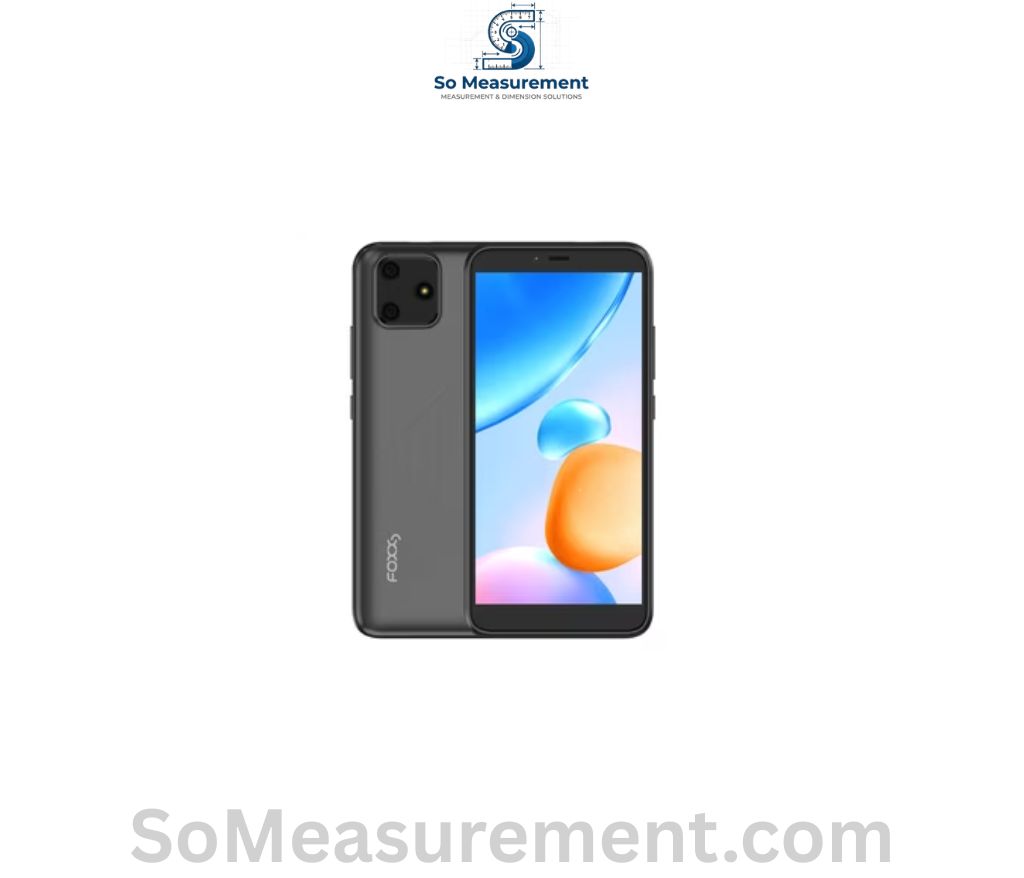
A 5-inch smartphone screen means the diagonal of the display measures 5 inches, corner to corner across the active glass. This was considered a standard mid-size phone screen for much of the 2010s and is now considered genuinely compact by modern standards, where mainstream phones typically run 6 to 6.7 inches diagonally.
The actual physical phone body surrounding a 5-inch screen is typically around 5.4 to 5.7 inches tall and roughly 2.6 inches wide. So the screen diagonal and the phone’s height are close but not the same thing. Models like the iPhone 8 and Sony Xperia X Compact used screens in this size range, giving a good sense of how 5 inches reads as a display.
7. Slim Pocket Power Bank
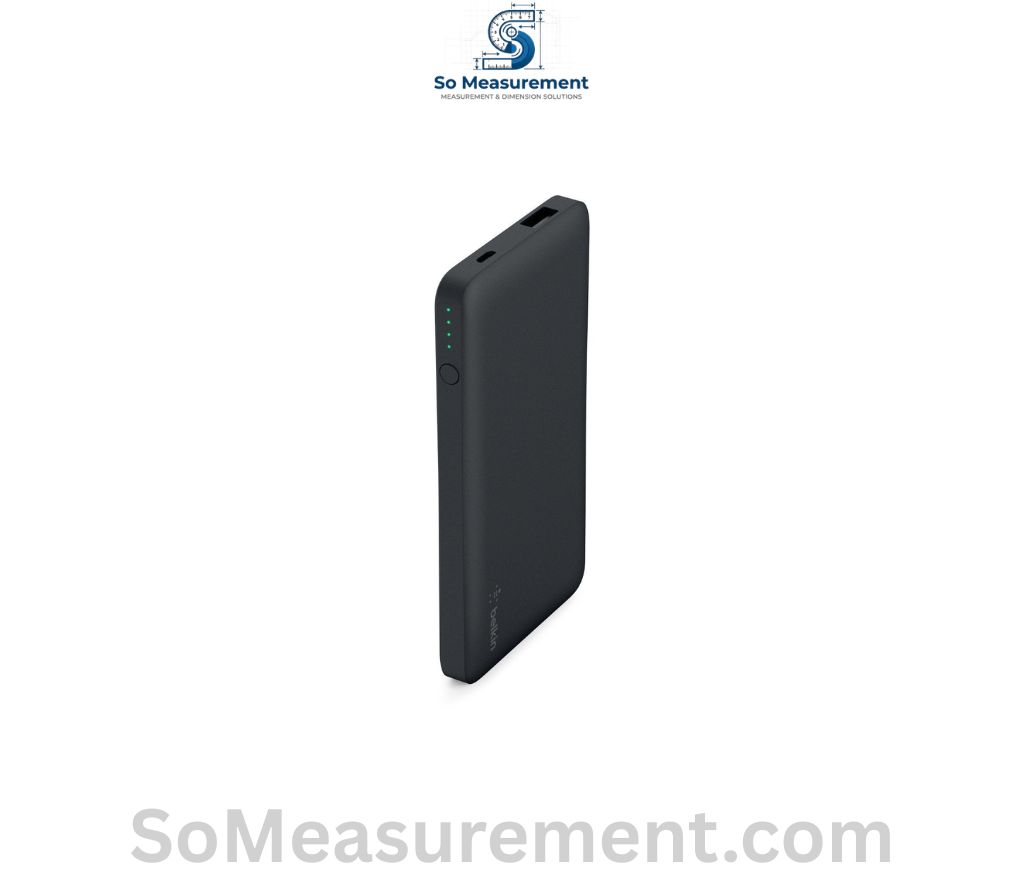
Slim, card-style power banks in the 5,000 mAh range commonly measure around 4.8 to 5.2 inches in length. Their defining feature is thinness, often under half an inch deep, making the 5-inch length feel surprisingly small when you hold one. They are designed to slide into a front pants pocket alongside a phone without creating obvious bulk.
The length is the primary dimension here. Slim models are typically about 2.5 to 3 inches wide and under 0.5 inches thick. At this size, you are getting a charging device that can top off a phone battery once or twice and still fit in a jacket pocket. The 5-inch form factor became standard for this category specifically because it matches the height of a small smartphone.
8. Tactical Pocket Flashlight
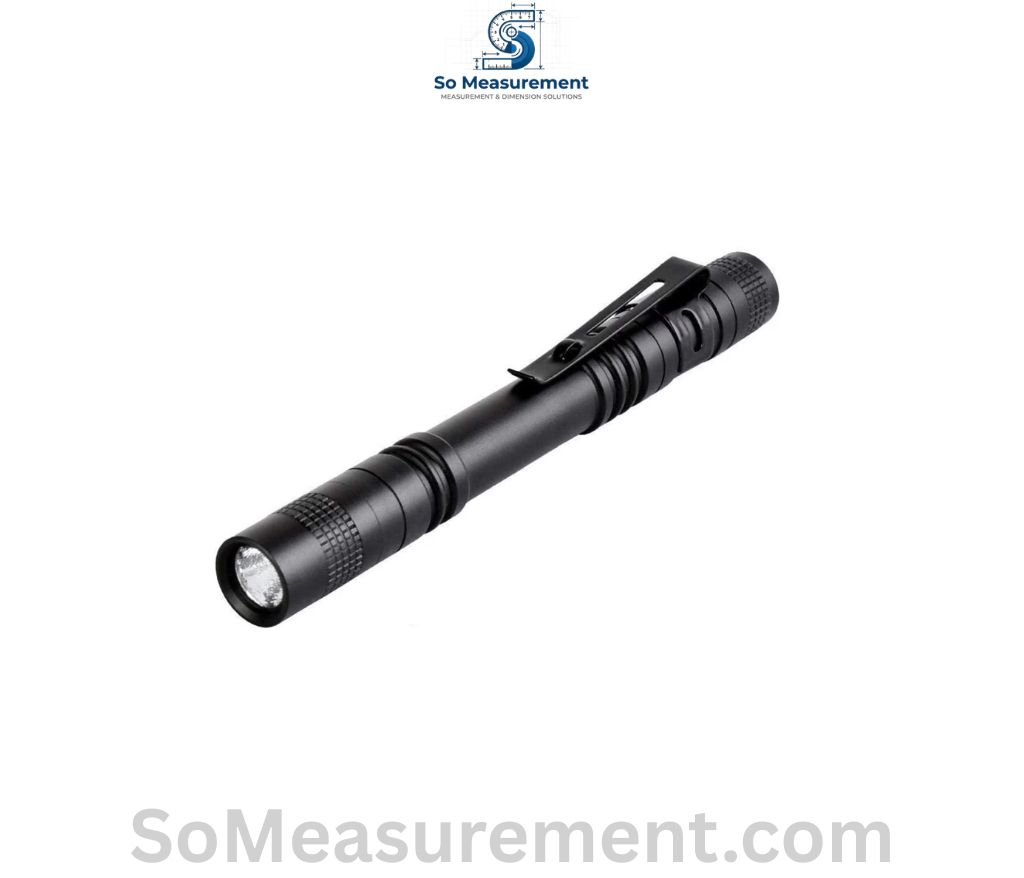
The EDC (everyday carry) flashlight category has produced a clear sweet spot around 4.9 to 5.3 inches in length. This size fits easily in a front pocket, clips to a waistband, and can be gripped in a closed fist for control. Models from brands like Streamlight and Wuben frequently land right in this range.
At 5 inches, a flashlight is long enough to hold securely with your full hand while still short enough to disappear in a jacket or cargo pocket. Most of these lights are also narrow, around 0.7 to 1 inch in diameter, which contributes to that pocket-friendly profile. The 5-inch length is where beam distance, battery size, and portability tend to balance out well for daily use.
9. Travel Toothbrush (Folded)
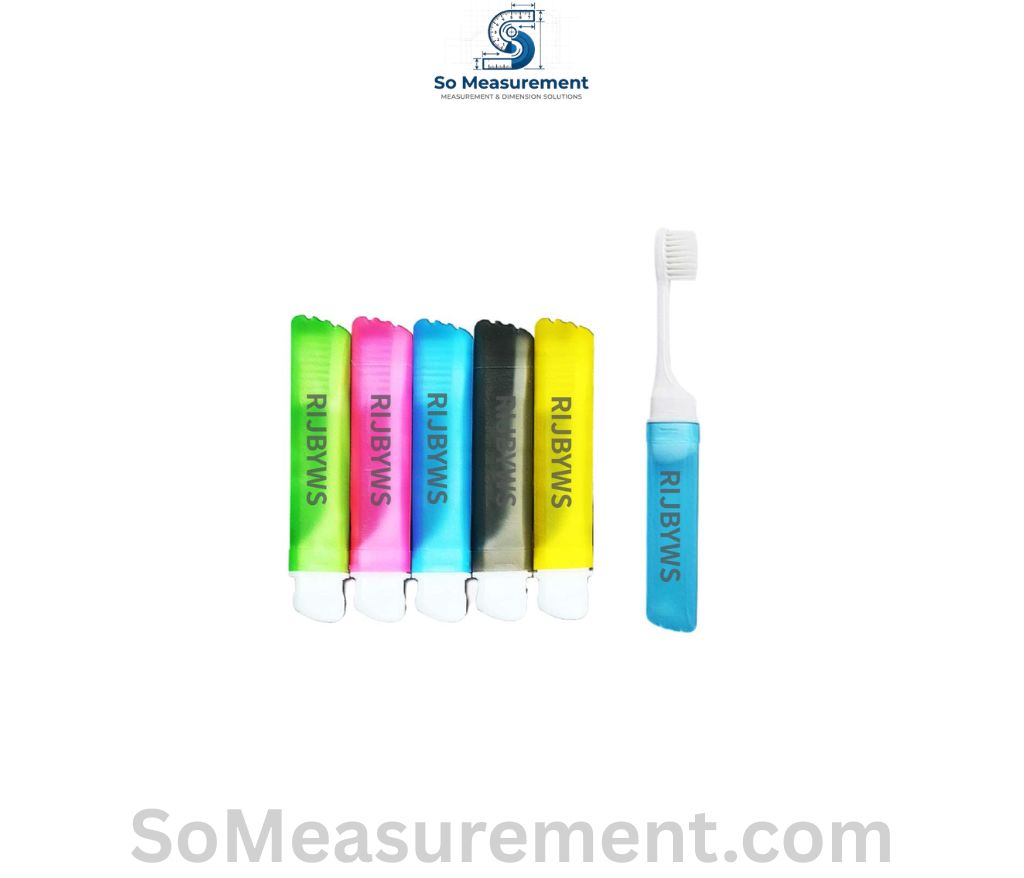
Foldable travel toothbrushes collapse by hinging the handle over the bristle head, typically folding to around 4 to 5 inches in their closed state. The fully open, usable length is usually closer to 7.5 to 8 inches, similar to a regular toothbrush. The folded size is what makes them practical for a travel kit, TSA bag, or gym locker.
Some models fold to 4 inches, others to closer to 5 inches, depending on the hinge design and bristle head length. At the folded 5-inch mark, they fit easily into a toiletry bag side pocket or a rear pants pocket. The folding mechanism keeps the bristles protected from contact with other items, which is the main functional advantage over a capped standard toothbrush.
10. Short Serving Tongs
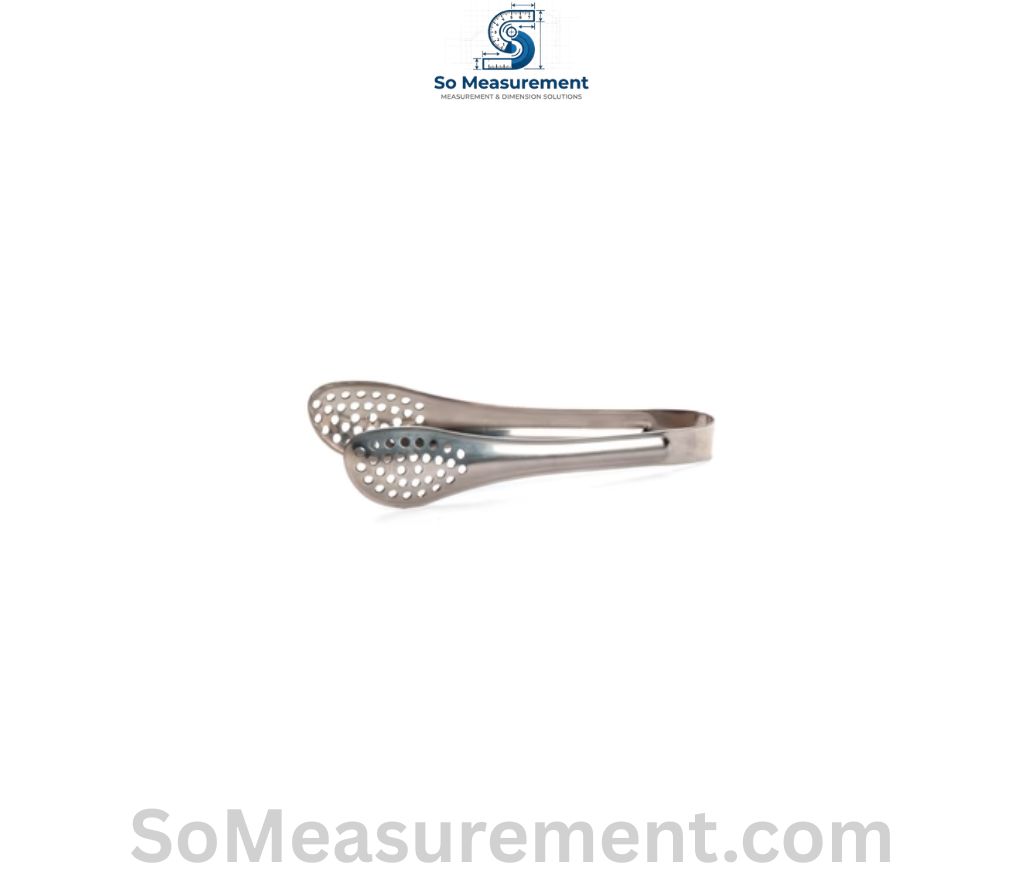
Mini serving tongs designed for appetizers, small snacks, and condiment service are commonly produced in a 5-inch length. At this size, they are meant for single-portion use at the table, small cheese boards, or placing individual crackers or olives rather than turning food in a pan.
Full kitchen tongs typically run 9 to 12 inches, so the 5-inch version is a genuinely different tool. The short arms make them easy to control for placing small items precisely, and they fit comfortably in a napkin holder or a small utensil jar on the table. Serving sets and tapas utensil kits frequently include this size alongside small spoons and forks.
11. Single-Serve Snack Bag (Width)
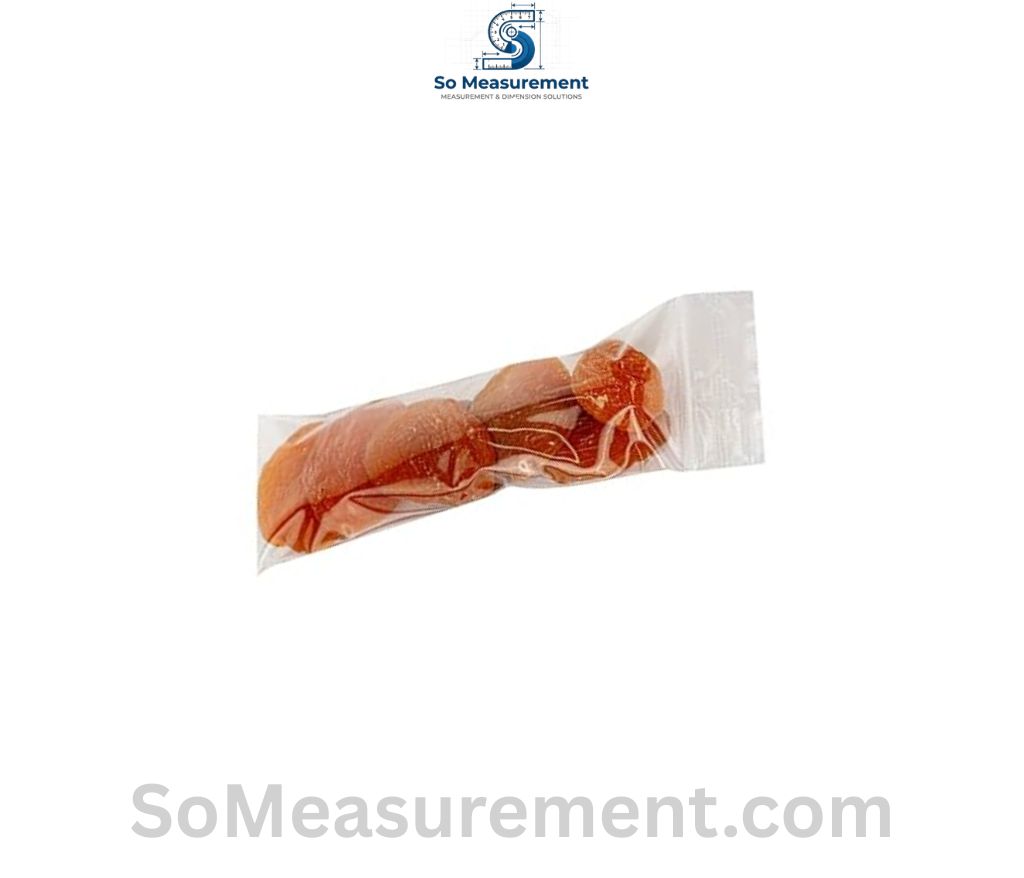
A standard single-serve chip or snack bag, the kind sold individually at checkout or in vending machines, tends to measure approximately 5 inches across at its widest point. This is the horizontal width of the bag when you hold it upright, not its height. The height of this format is usually closer to 7 to 8 inches.
The width dimension is worth knowing because it is what determines how the bag fits in a cup holder, a lunch box side pocket, or a car console. At roughly 5 inches wide, a single-serve bag slides comfortably into a standard 12-ounce cup holder space or fits flat in a jacket pocket when the contents are distributed evenly.
12. Folded Pocketknife
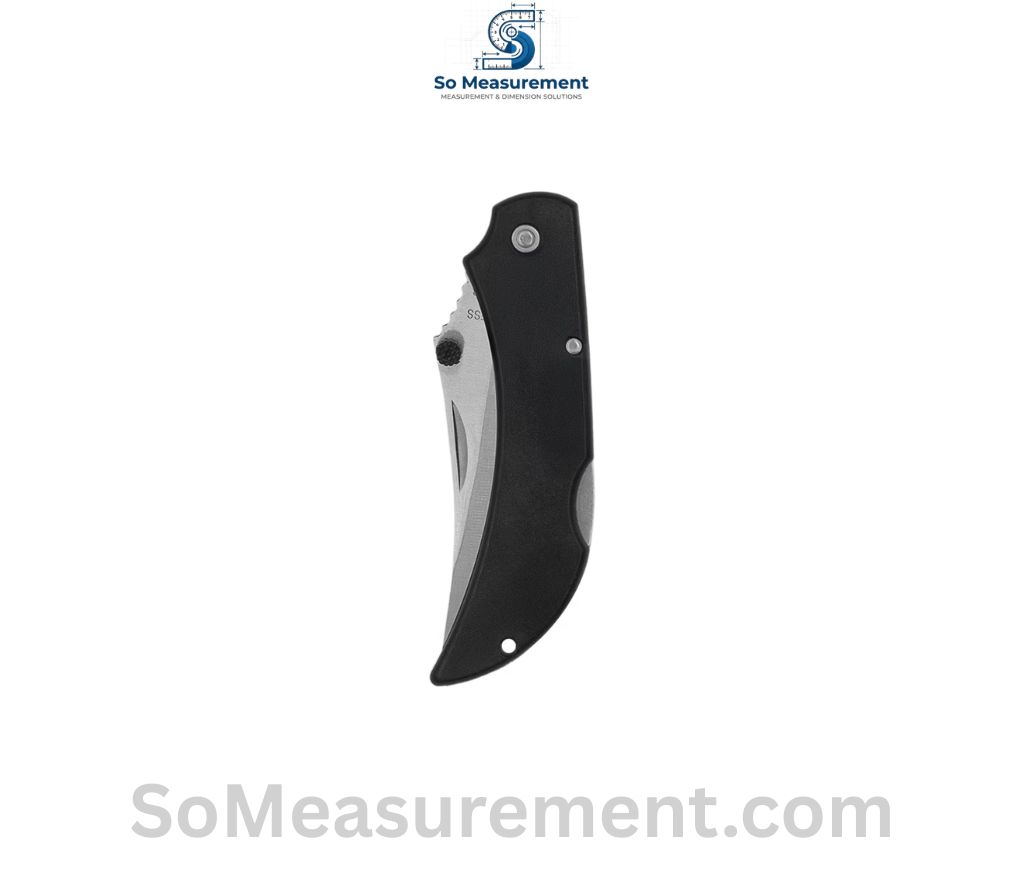
A medium-sized folding knife in its closed position commonly measures around 4.8 to 5.2 inches from tip to handle end. This is the closed length, meaning the blade is folded into the handle and the only measurement being described is the handle itself. The blade when open typically adds another 2.5 to 3.5 inches beyond that.
At a 5-inch closed length, a pocketknife sits at the larger end of what is typically considered a true pocket knife. It occupies most of a front pants pocket and is noticeable but not cumbersome. Many traditional lockback knives and medium tactical folders land in this exact range, as it allows a handle long enough for a full four-finger grip without crossing into belt-carry territory.
13. Desktop Sand Timer
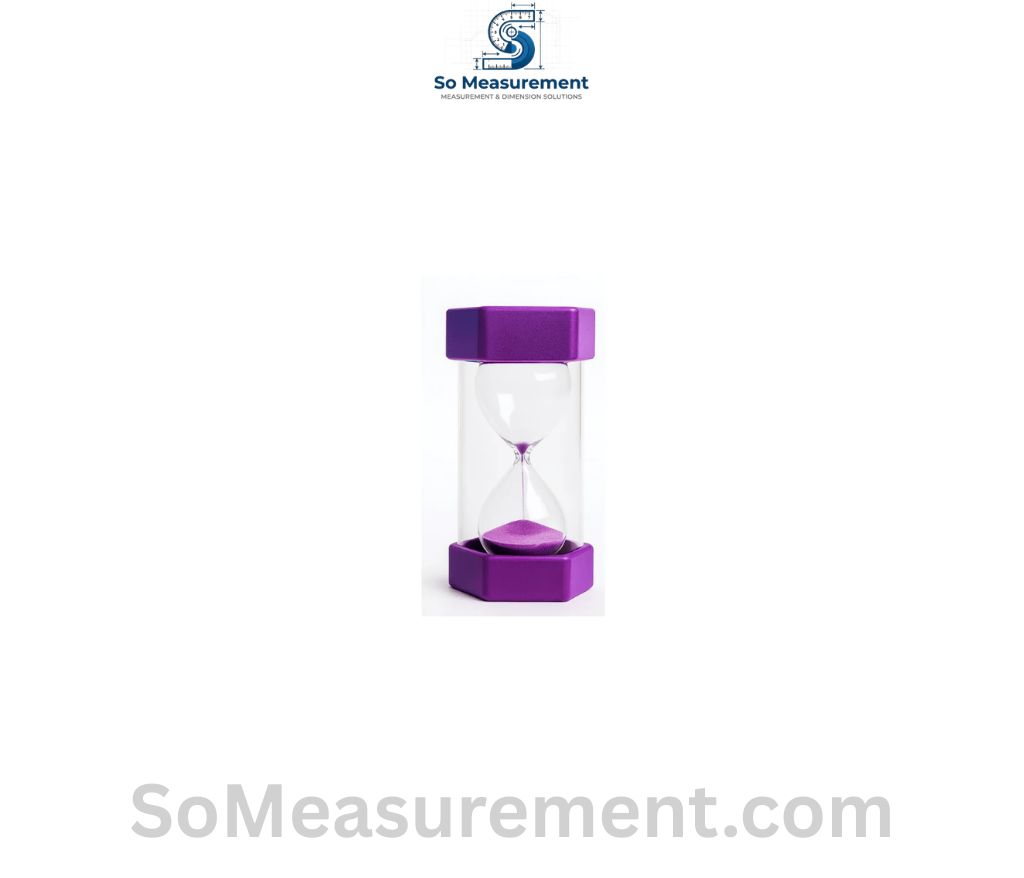
Small decorative hourglasses used for desk timing tend to measure approximately 5 inches in overall height. A 5-minute sand timer in this format is a common product dimension, with the glass bulbs and frame together reaching that mark. The diameter at the widest bulge is typically around 2 inches.
At 5 inches tall, a desktop sand timer is visible from across a workspace without occupying much surface space. This size is frequently used in classrooms, board game sets, and office desks for short timed tasks. The height matters because sand timers are meant to be read at a glance, and the 5-inch scale gives the glass chambers enough volume to show clearly how much time remains.
14. Kitchen Utility Knife Blade
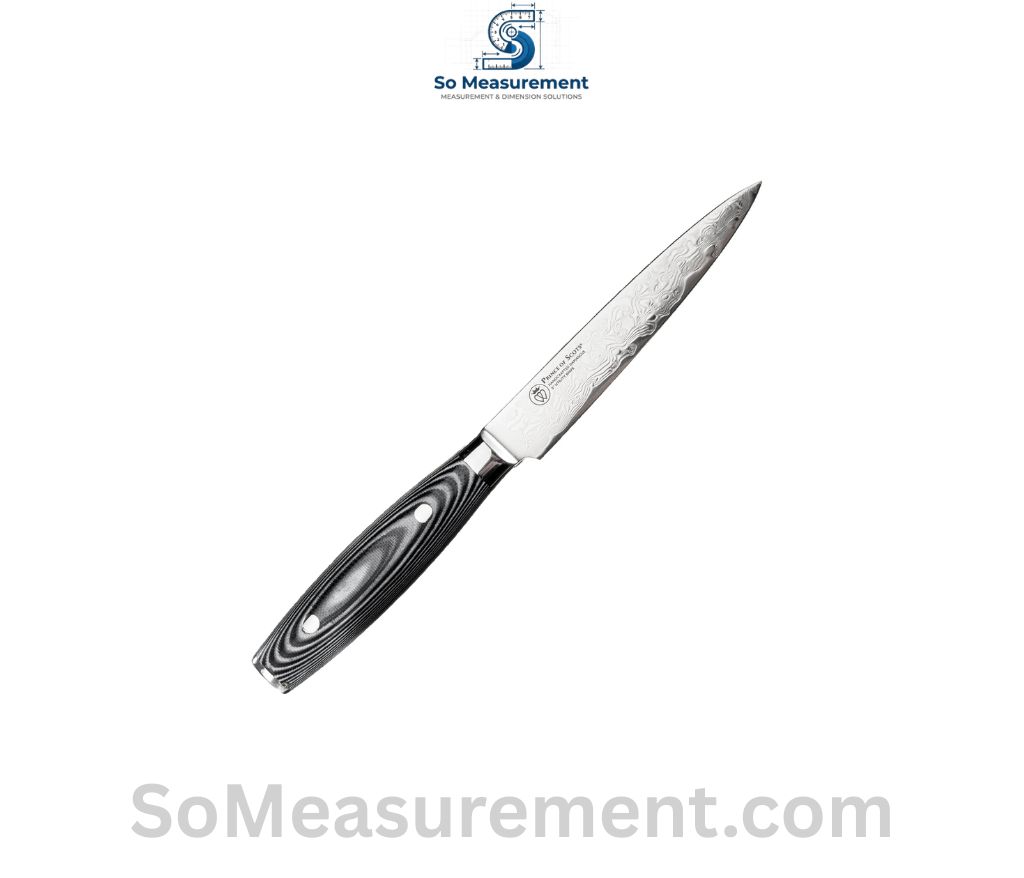
The 5-inch utility knife is a recognized standard blade length in kitchen cutlery. It refers specifically to the blade only, measured from the heel to the tip, not the full knife including handle. The complete knife with handle typically runs 9 to 10 inches overall.
A 5-inch blade sits between a paring knife (3 to 4 inches) and a standard chef’s knife (8 inches). It handles mid-size tasks well: slicing tomatoes, trimming chicken, cutting sandwiches, and working with vegetables that are too large for a paring knife but do not need the full reach of a chef’s knife. Many knife manufacturers treat the 5-inch utility blade as the most versatile single-knife option for someone with limited kitchen storage.
Putting 5 Inches in Perspective
Five inches is 12.7 centimeters exactly, or just over 41% of a foot. It is roughly the distance from the base of your palm to the tip of your middle finger on an average adult hand, though hand size varies enough that this works only as a rough guide.
What these 14 objects share is that 5 inches is their functional length: the measurement that determines how they fit in your hand, in your pocket, in a drawer, or on a desk. Knowing one of them well is enough. Once you can picture a standard index card held lengthwise, you have a reliable mental anchor for 5 inches that works in almost any context.
Read more:
14 Everyday Things That Are 6 Inches Long or big
14 Daily Use Things That Are 2 Inches Long

Lev is passionate about helping readers understand sizes and dimensions of everyday objects. With a focus on clarity and practical examples, Lev shares accurate, trustworthy insights that make measurements relatable, useful, and easy to visualize for everyone.