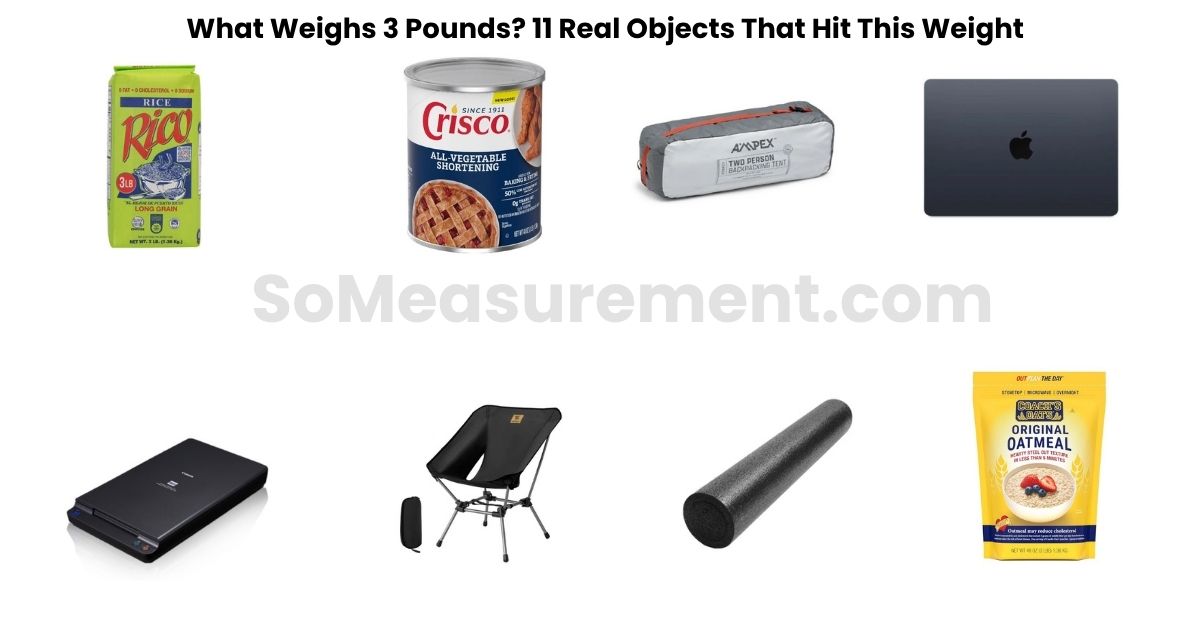
Understanding What Weighs 3 Pounds is easier when you compare it to things you already use. Three pounds is not very heavy, but it is enough to feel noticeable in your hand, backpack, or shopping bag. From kitchen staples to laptops and camping gear, familiar objects can help you quickly visualize this weight without needing a scale.
Quick Reference about 3 Pounds
| Unit | Value |
| Pounds | 3.0 lbs |
| Ounces | 48 oz |
| Kilograms | 1.36 kg |
| Grams | 1,360.8 g |
Based on the International Yard and Pound Agreement (1959), which fixed 1 pound at exactly 0.45359237 kilograms — the same standard every scale manufacturer and shipping carrier uses today.
11 Things That Weigh 3 Pounds
| Object | Category |
| 3-lb bag of long-grain rice | Food & Kitchen |
| 48 oz tub of Crisco shortening | Food & Kitchen |
| 48 oz can of chicken broth | Food & Kitchen |
| 3-lb bulk tub of raw honey | Food & Kitchen |
| 48 oz container of quick oats | Food & Kitchen |
| Apple MacBook Air 13-inch (M1/Intel) | Tech & Electronics |
| 10-inch tablet in rugged case | Tech & Electronics |
| Office flatbed document scanner | Tech & Electronics |
| High-density 36-inch yoga foam roller | Fitness & Outdoor |
| 2-person lightweight backpacking tent | Fitness & Outdoor |
| Lightweight folding aluminum camping chair | Fitness & Outdoor |
1. A Standard 3-Pound Bag of Long-Grain Rice
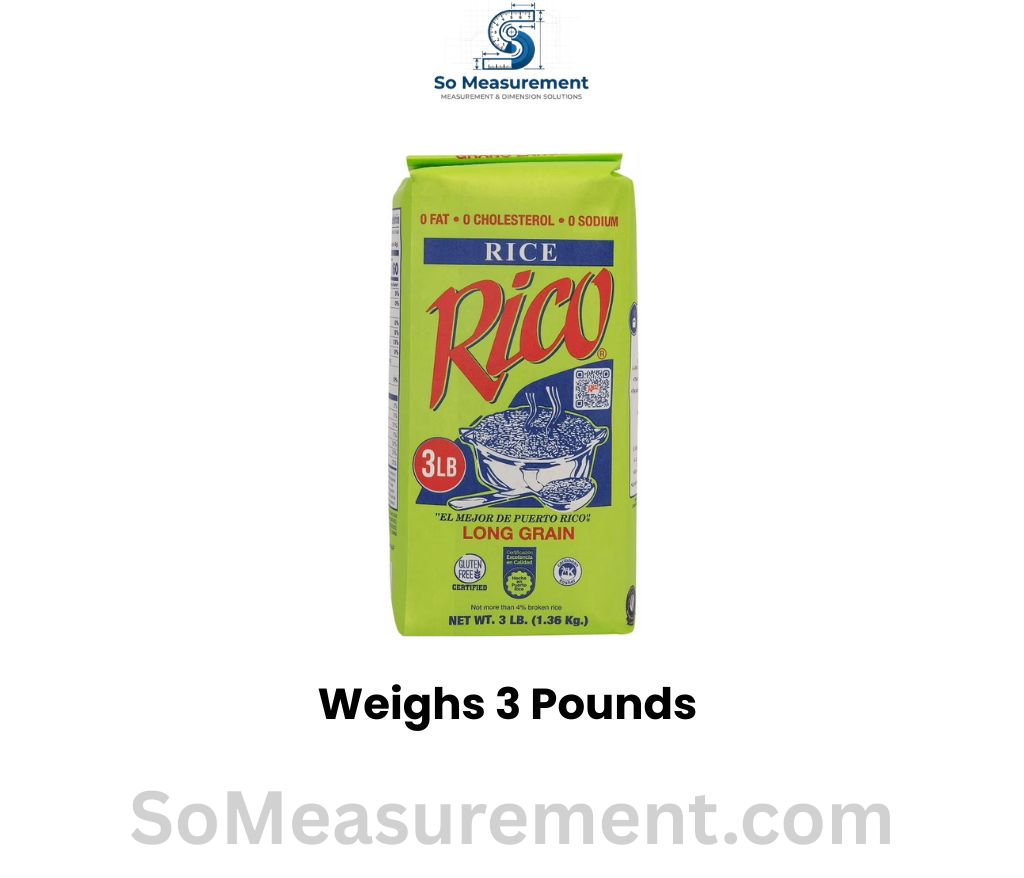
Walk into any grocery store and you’ll find it stacked on a middle shelf. The 3-pound rice bag is firm, slightly grainy through the plastic, and about the height of a large paperback book. It doesn’t flex when you squeeze it — the grains pack together and resist.
This is arguably the most reliable kitchen reference for this weight. Food manufacturers fill these bags to exact commercial standards, so there’s no guessing. Grab one during your next grocery run and hold it for 30 seconds. Your forearm remembers that feeling.
2. A 48 oz Tub of Crisco Shortening
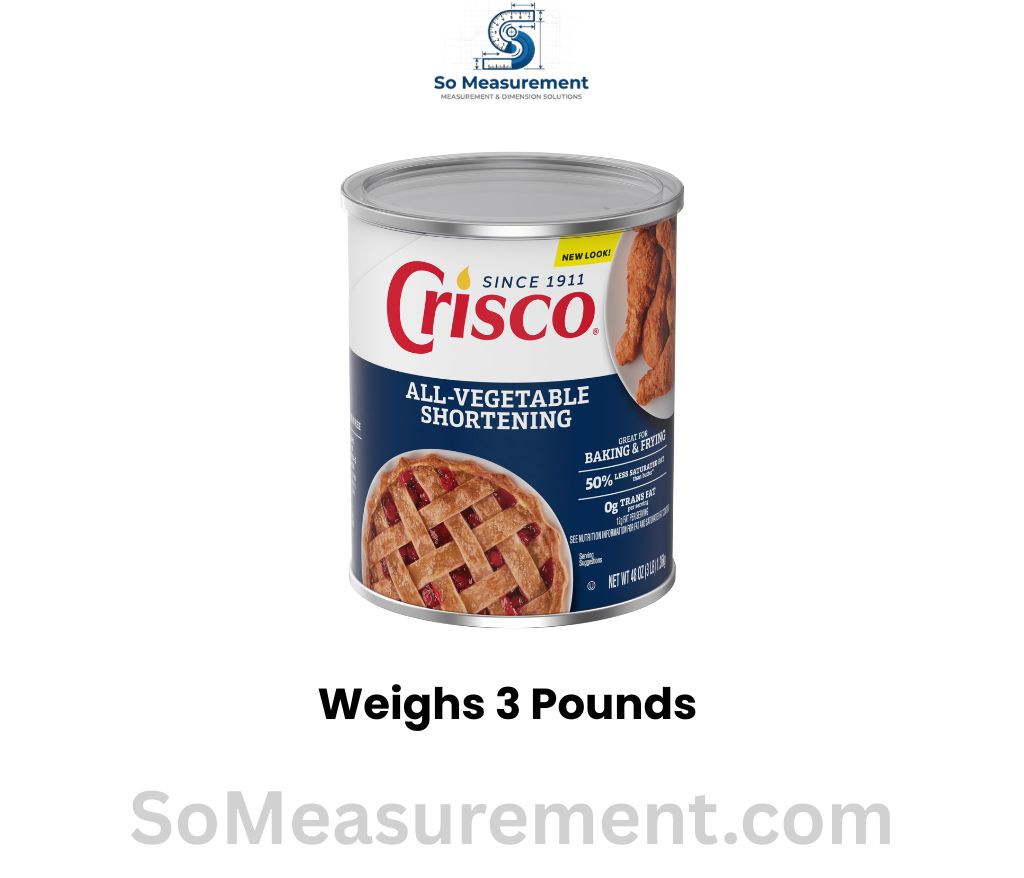
The wide, round tub with the blue lid. At exactly 48 ounces, the shortening itself accounts for almost all the weight — the plastic container adds almost nothing. It’s a compact cylinder that fits comfortably in two hands, slightly cold from refrigeration, with a sealed foil top that makes it feel airtight and dense.
Bakers who make pie crusts from scratch know this tub instinctively. It’s heavier than it looks on the shelf because the fat is packed tightly with no air gaps. First-time buyers are often surprised by the weight when they go to drop it in the cart.
3. A Commercial 48 oz Can of Chicken Broth
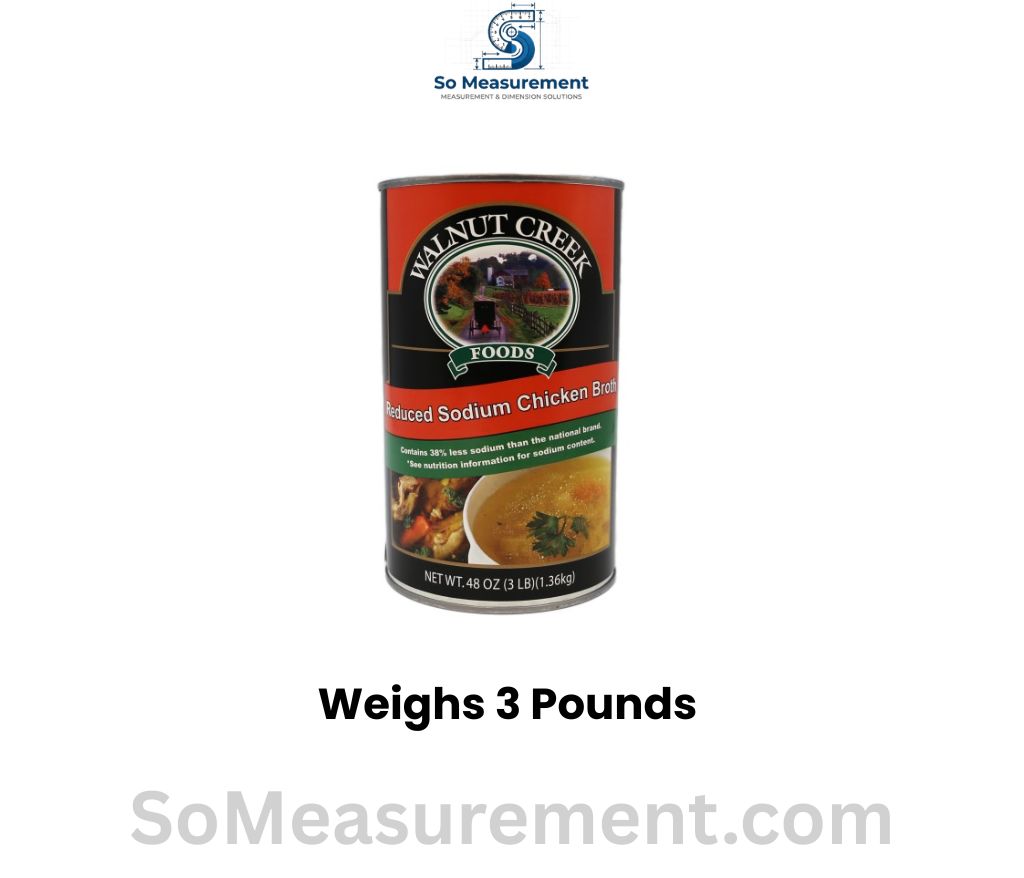
The large pantry can — the kind sold at wholesale clubs for batch cooking. Cold, rigid, completely unyielding. Unlike the rice bag or shortening tub, there’s no softness to grip. The weight feels uniform from top to bottom because liquid distributes evenly inside the sealed metal.
Soup cooks and meal preppers buy these regularly. If you’ve ever made a large pot of soup and used one of these, you’ve held 3 pounds without thinking about it. The metal surface makes it feel denser than the rice bag, even though the scale would read the same.
4. A 3-Pound Bulk Tub of Raw Honey
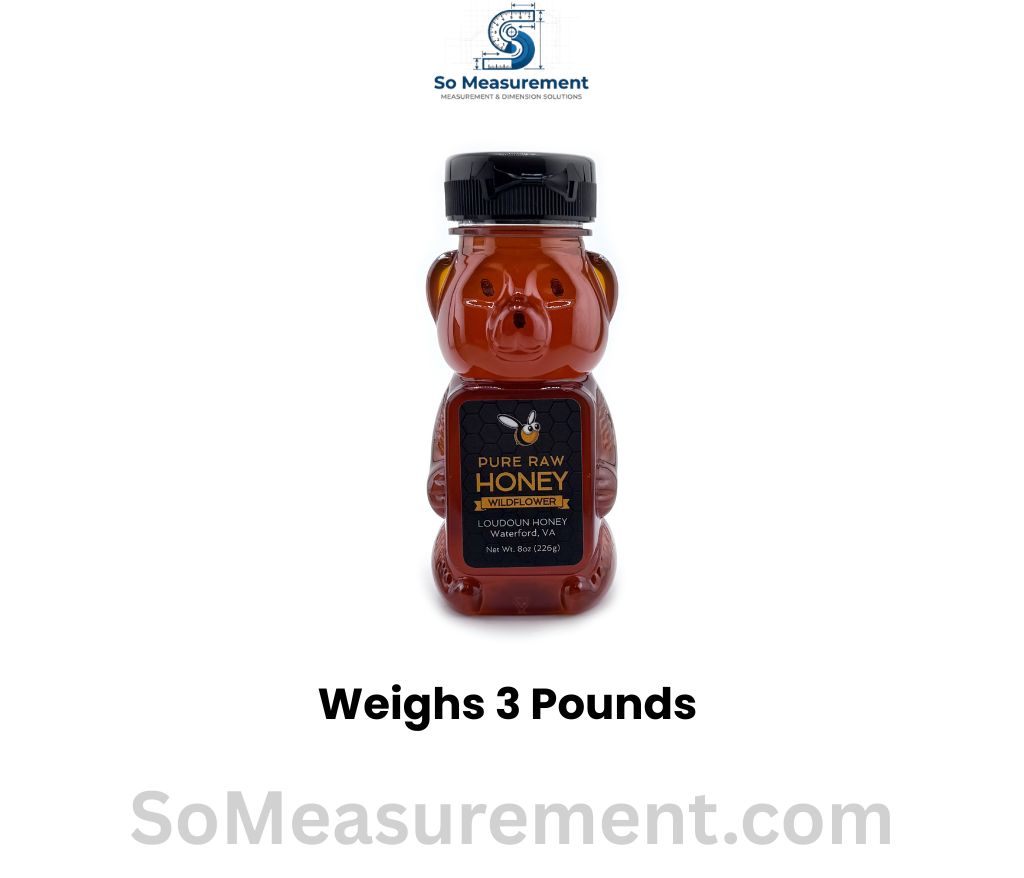
Same weight as the oatmeal container two entries down — but roughly one-quarter the size. That’s what makes honey such a useful reference point. The jar is compact, sometimes no bigger than a large coffee mug, yet it pulls down on your wrist with surprising force.
Raw honey tubs at farmers’ markets are commonly sold at exactly this weight. The glass or thick plastic container feels almost jewel-like — heavy for its footprint. Tip it sideways and the contents shift slowly, adding a subtle dynamic weight that you feel rather than see.
5. A 48 oz Container of Quick Oats
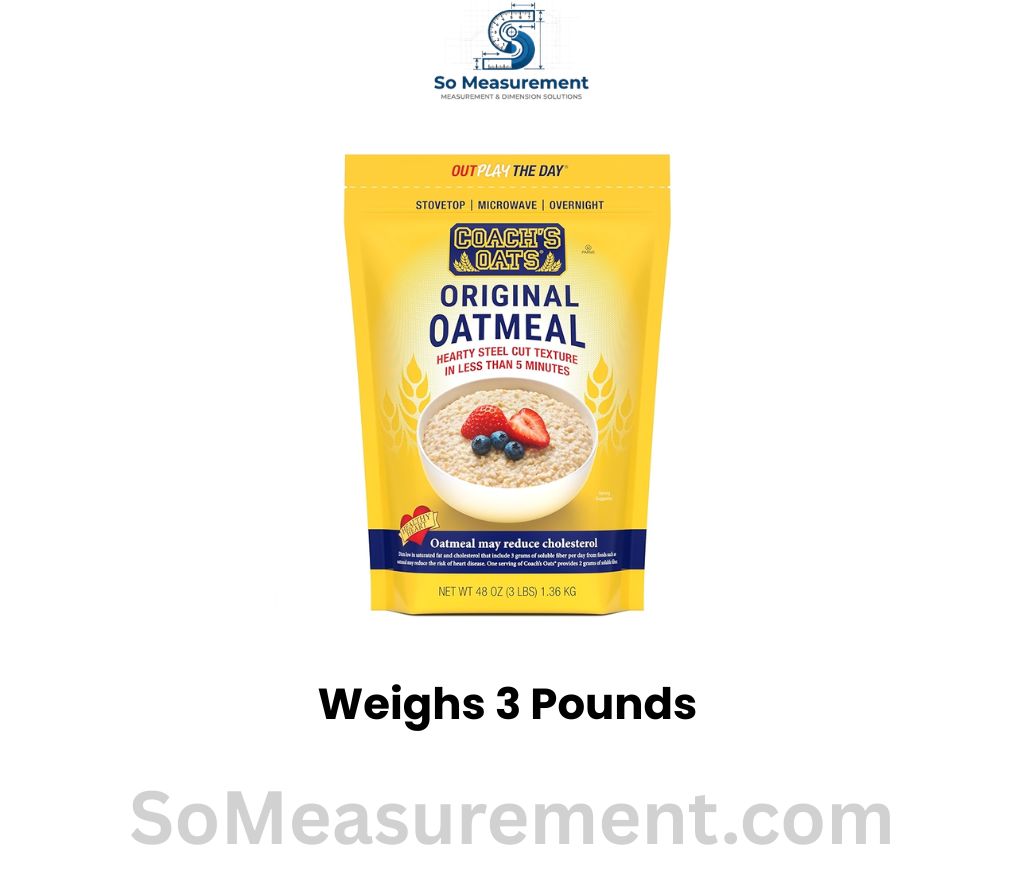
This is where weight and volume start to diverge in an interesting way. The oatmeal container is tall, cylindrical, and takes up real shelf space — noticeably larger than the honey jar. Yet both weigh exactly 3 pounds. Oats are light and airy; honey is dense and compact.
Pick up both back to back. The oat container feels almost like it should weigh more because you’re carrying more physical space. The honey jar feels like it shouldn’t weigh as much because it’s so small. Neither feeling is accurate — the scale settles the argument.
6. An Apple MacBook Air 13-Inch (M1 / Early Intel)
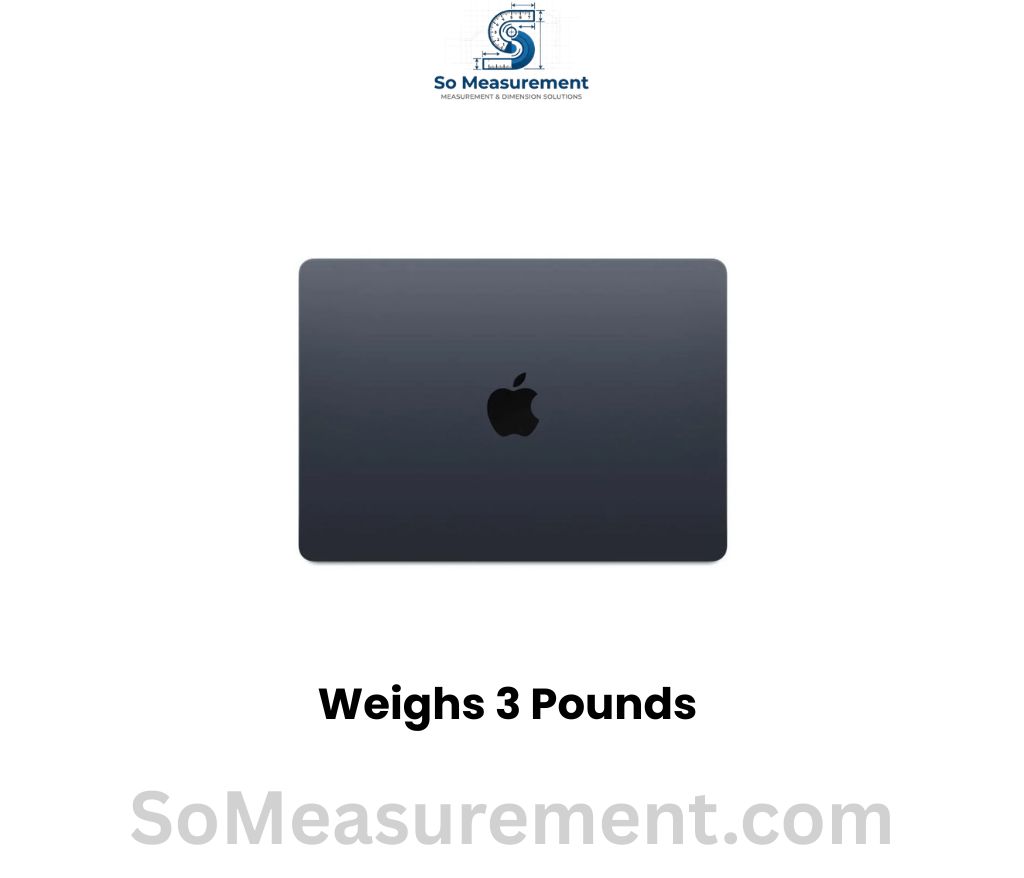
The 13-inch MacBook Air in M1 and early Intel configurations lands between 2.8 and 3.0 pounds depending on the exact production year. Apple engineered this machine to feel lighter than it is — the wide, flat aluminum body distributes the weight across a large surface area, so it rests on your lap without announcing itself.
Hold it by one edge with one hand for two minutes. That’s when the weight becomes real. The geometry of the laptop creates a leverage effect that makes 3 pounds feel heavier than the same mass in a compact shape. Same number on the scale, genuinely different felt experience.
7. A 10-Inch Tablet in a Rugged Protective Case
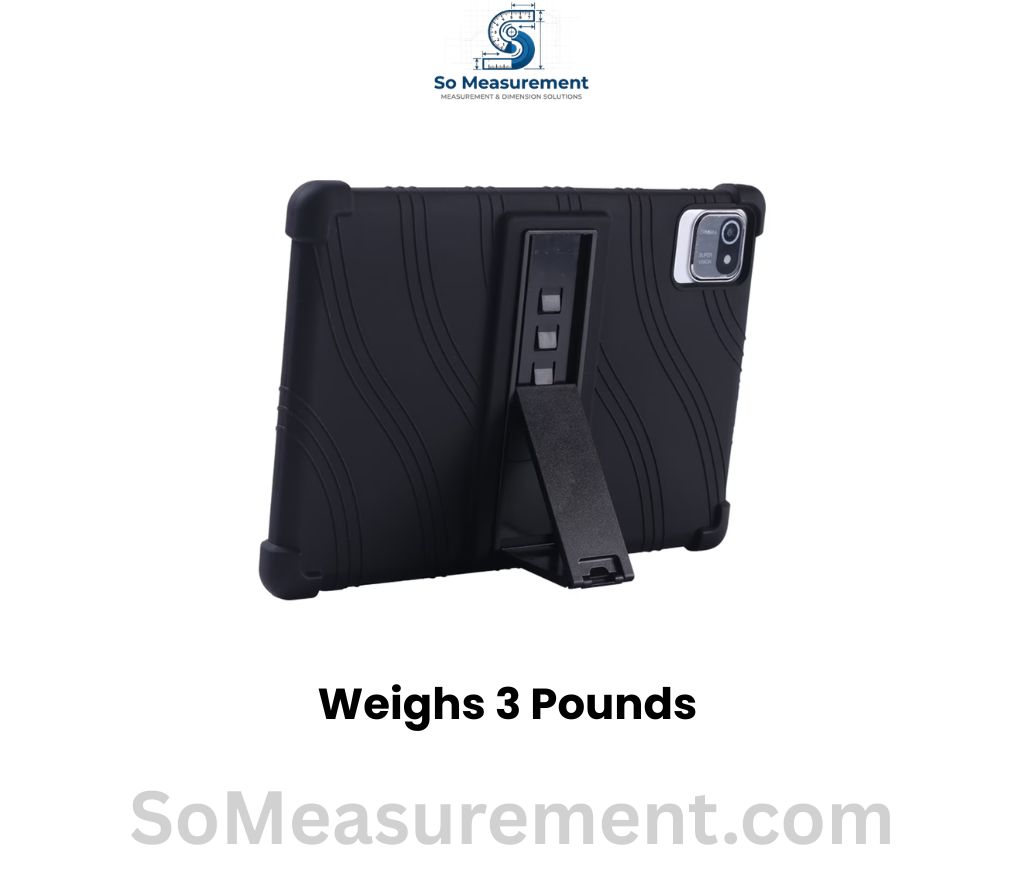
A standard 10-inch tablet weighs around 1.1 to 1.3 pounds alone. Add a full childproof or rugged case — the thick rubber-and-hard-plastic kind made for classrooms or job sites — and the combined unit climbs to roughly 3 pounds. The case alone can add close to 1.8 pounds of protective material.
The resulting object is chunky, grippy, and designed to survive a drop. Parents handing these to young children, or contractors mounting them on equipment, are working with a 3-pound tool that feels intentionally solid. Nothing flimsy about it.
8. A Standard Office Flatbed Document Scanner
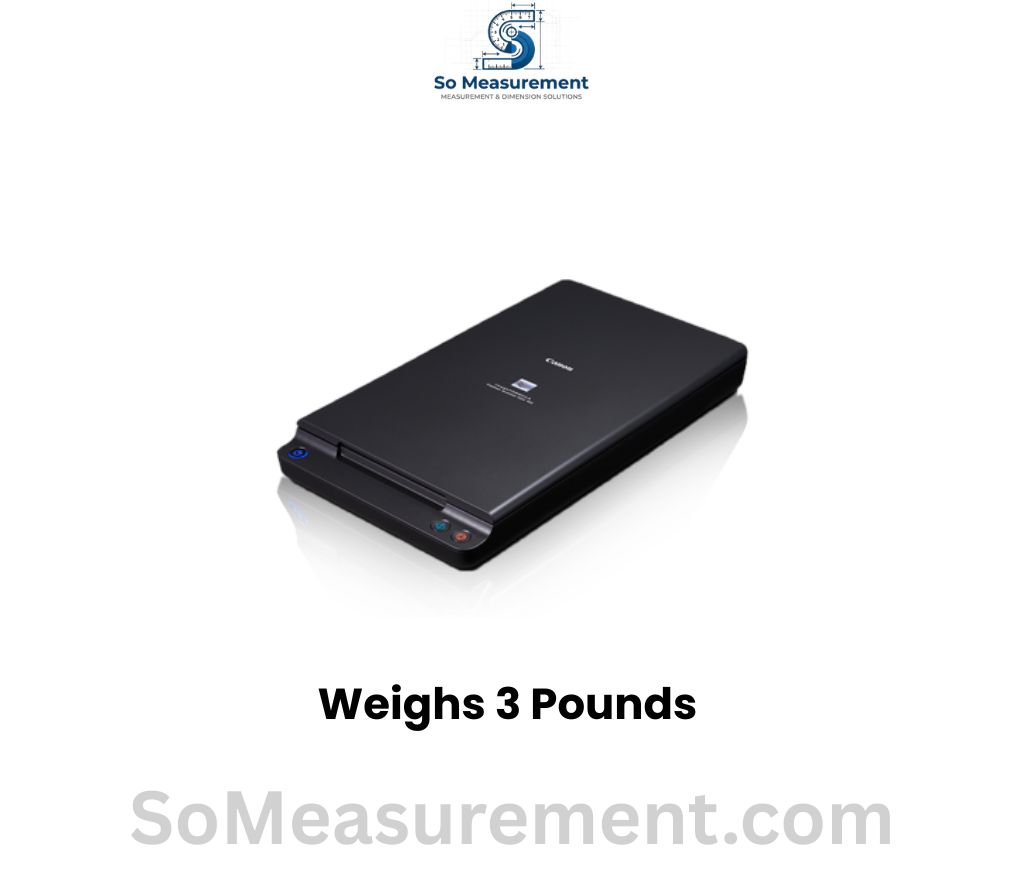
Entry-level USB flatbed scanners — the kind sitting on millions of office desks — typically weigh 2.8 to 3.2 pounds. The weight is spread across a wide, flat plastic shell, so sliding it across a desk feels effortless. Pick it up by the edge and the 3-pound pull becomes obvious immediately.
Most of the mass concentrates in the center of the unit, where the glass scanning bed and the optical mechanism live. The edges feel almost hollow by comparison. It’s one of those objects where the weight surprised people during setup and then gets forgotten completely once it’s in place.
9. A High-Density 36-Inch Yoga Foam Roller
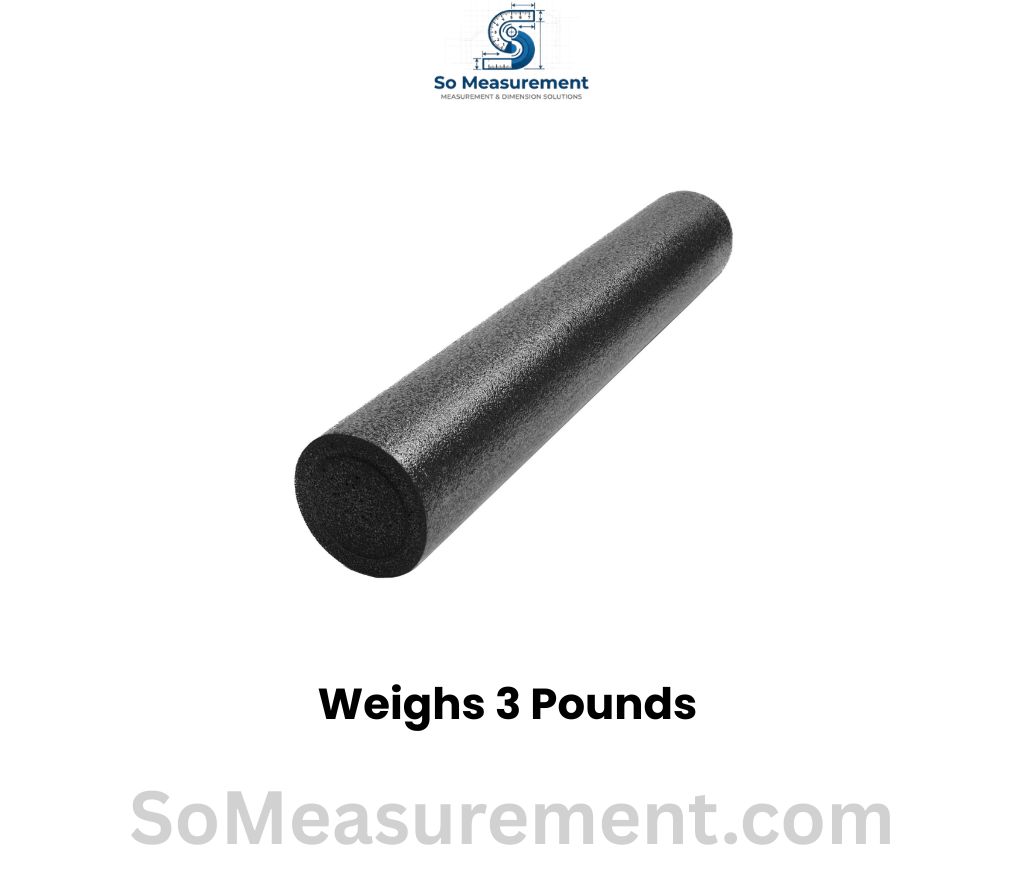
Full-length, high-density foam rollers used in physical therapy and yoga weigh right around 3 pounds. The EVA foam exterior is dense — it doesn’t compress easily under body weight, which is the whole point — and the length means the mass stretches across your entire forearm when you carry it.
This is a fundamentally different experience from holding a compact 3-pound object. The rice bag concentrates weight in a small space. The foam roller distributes the same weight over 36 inches. Your arm handles both differently even though the scale reads identically.
10. A 2-Person Lightweight Backpacking Tent (Packed)
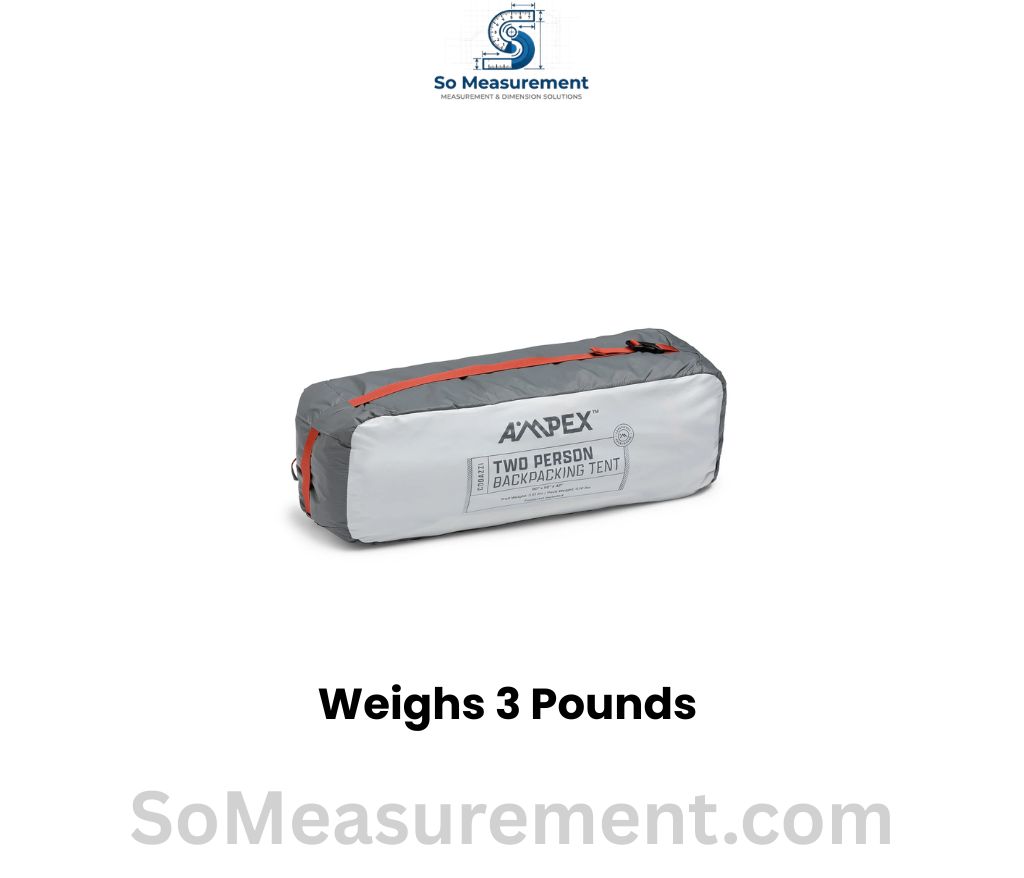
Ultralight 2-person backpacking tents are engineered to hit 3 pounds or under when packed with poles, stakes, and the rain fly included. The bundle packs down to roughly the size of a large Nalgene bottle — surprisingly small, noticeably heavier than one.
Among serious hikers, 3 pounds is a benchmark shelter weight. Light enough to justify the carry on a multi-day route. Heavy enough to feel trustworthy in wind or rain. Tent designers spend real engineering effort trying to shave grams off this number without compromising structure.
11. A Lightweight Folding Aluminum Camping Chair
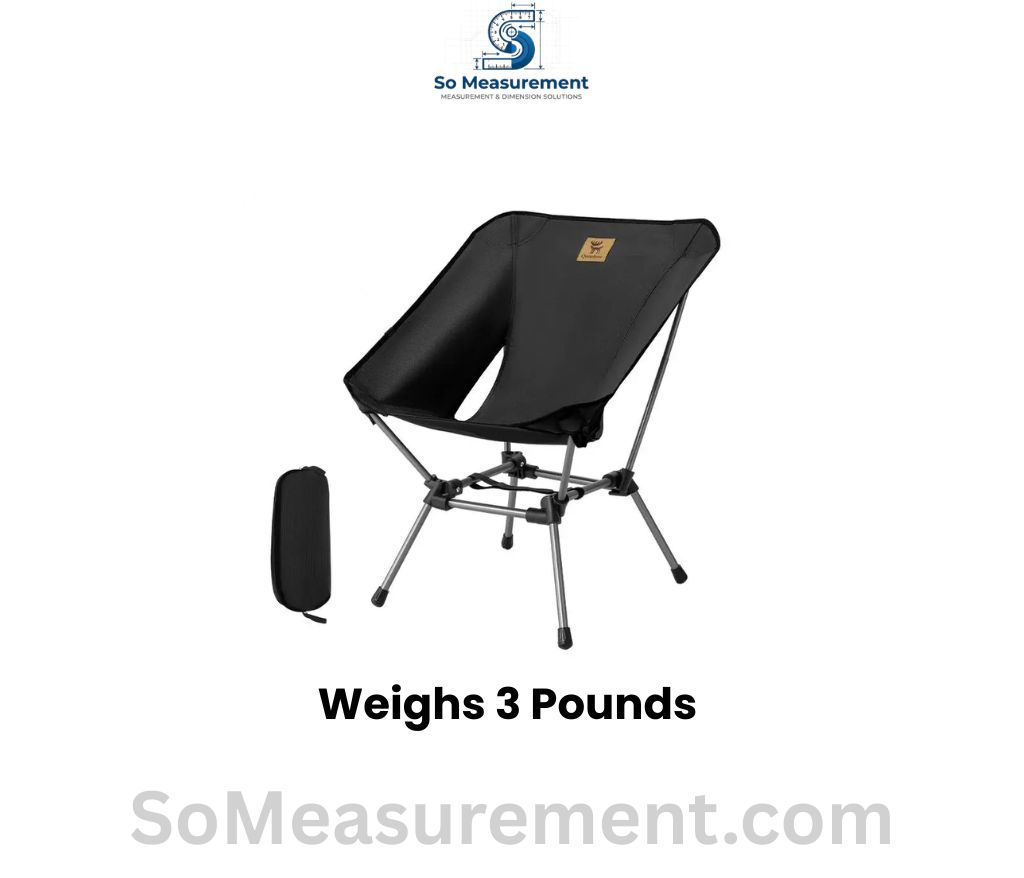
Compact trail chairs — aluminum tube frames with nylon seats, the kind that pack into a shoulder sling — weigh around 3 pounds in their carry bag. The folded bundle is long and narrow, roughly the length of your arm, with weight running along the poles inside.
Sling it over your shoulder and the narrow profile tricks your perception into thinking it’s lighter than it is. Set it on a scale and the number shows up reliably. Campsite regulars know this weight as the price of having a real seat instead of sitting on a log.
How to Estimate 3 Pounds Without a Scale
A full 1.5-liter water bottle weighs approximately 3.3 pounds — the water alone is 1.5 kg, plus the bottle. That’s close enough to use as a calibration reference when no scale is available.
Two full standard coffee mugs (ceramic, filled with water) weigh around 1.4 to 1.5 pounds each. Hold one in each hand simultaneously. The combined load across both arms gives your body a split-reference for 3 pounds total.
A standard hardcover textbook — biology, history, chemistry — typically lands between 2.8 and 3.4 pounds. The range is wide enough that you’d want to verify, but as a rough estimate it works well enough to calibrate your hands before measuring something else.
Two Mistakes People Make With This Weight
Assuming volume equals weight. The oatmeal container and the honey jar both weigh 3 pounds. One takes up four times the space of the other. People consistently guess the larger object is heavier. It isn’t — density is doing all the work, and density is invisible on a shelf.
Trusting the “feels light” instinct. The MacBook Air resting on a desk feels nearly weightless. Hold it by one corner for two minutes and that impression evaporates. How an object distributes weight across your grip — its geometry, not its mass — controls how heavy something feels. The scale doesn’t care about geometry. Your arm does.
Read more: What Weighs 1 Pounds? 14 Everyday Things You Already Know
FAQ’s about 3 Pounds
How can I tell if something weighs about 3 pounds without a scale?
A good reference is a full 1.5-liter water bottle, which weighs slightly more than 3 pounds. Holding one can help you estimate similar weights by feel.
Is 3 pounds considered heavy for daily use?
For most adults, 3 pounds is light enough to carry comfortably. However, holding it with one hand for a long time can cause arm and wrist fatigue.
Why do objects that weigh the same feel different?
Weight is only part of the experience. Size, shape, and how the weight is distributed can make two 3-pound objects feel very different in your hands.
What household items are closest to 3 pounds?
A 3-pound bag of rice, a 3-pound bag of sugar, a large container of oats, and some laptop models are among the most common examples.
Is 3 pounds a useful weight reference for fitness?
Yes. Three-pound dumbbells are often used for beginner workouts, physical therapy exercises, and shoulder-strengthening routines where controlled movement matters more than heavy resistance.
The MacBook Air and the bag of rice sit on the same side of a scale. One cost $999. One cost $2.49. Both will make your wrist work equally hard after a minute.

Lev is passionate about helping readers understand sizes and dimensions of everyday objects. With a focus on clarity and practical examples, Lev shares accurate, trustworthy insights that make measurements relatable, useful, and easy to visualize for everyone.