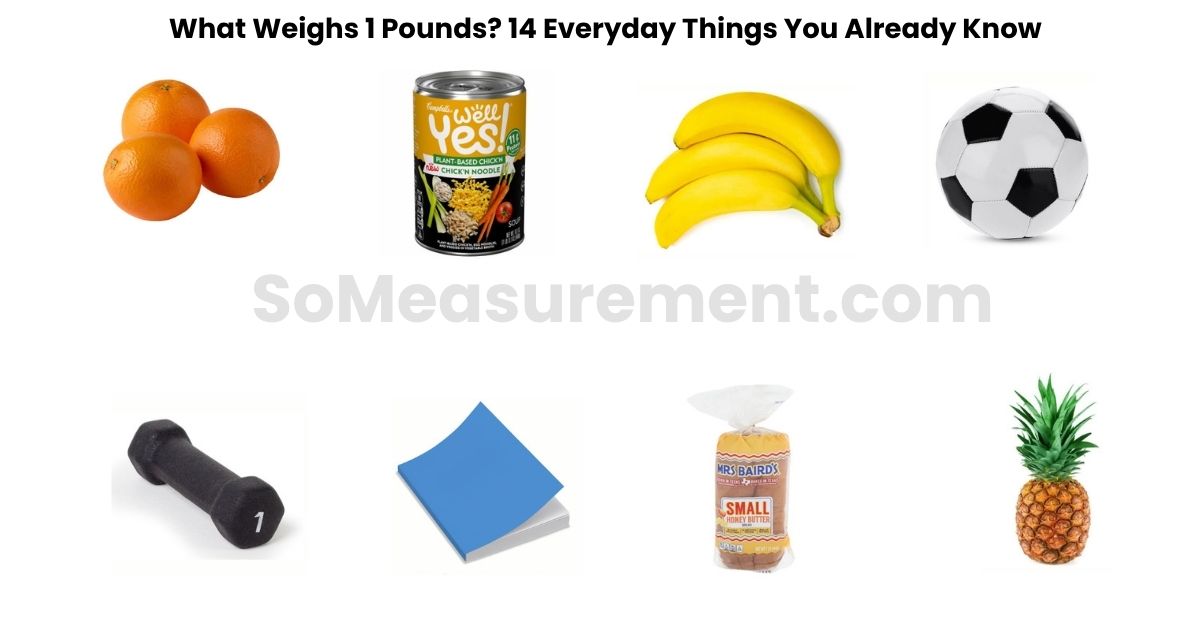
Most people know what a pound is, but not everyone can picture it without a scale. That’s where familiar objects help. Understanding What Weighs 1 Pound gives you a quick way to estimate weight while shopping, packing, cooking, or mailing a package. From a box of butter to a pint of water, everyday items provide simple real-world references that make a pound easier to recognize and remember.
The Fast Reference Box of 1 Pounds
| Unit | Value |
| Pounds | 1 lb |
| Ounces | 16 oz |
| Grams | 453.6 g |
| Kilograms | 0.4536 kg |
Conversions follow the International Yard and Pound Agreement (1959), which standardized the pound across the US, UK, Canada, and Australia.
What One Pound Feels Like in Your Hand
Pick something up. If your wrist doesn’t dip, your arm stays relaxed, and you could hold it for a few minutes without thinking — that’s probably close to a pound. It’s the weight where your brain registers “something’s here” without registering “this is heavy.”
Dense objects fool you. A compact block of butter feels heavier than a fluffy loaf of bread, even when the scale says otherwise. Shape tricks your brain. Weight doesn’t lie.
14 Things That Weigh 1 Pound
| Object | Weight | Category |
| Box of Butter | Exactly 1 lb | Kitchen |
| Can of Soup | 14.5 – 15.5 oz | Kitchen |
| Box of Dry Pasta | Exactly 1 lb | Kitchen |
| Pint of Water | Exactly 1 lb | Kitchen |
| Small Pineapple | ~1 lb | Produce |
| 3 Medium Bananas | ~1 lb | Produce |
| 3–4 Medium Apples | ~1 lb | Produce |
| 3–4 Medium Oranges | ~1 lb | Produce |
| Paperback Novel | ~1 lb | Everyday |
| Hardcover Journal | ~1 lb | Everyday |
| Standard Football | 14–15 oz | Everyday |
| Roll of Quarters (×2) | ~1 lb | Everyday |
| 1 lb Dumbbell | Exactly 1 lb | Fitness |
| Loaf of Bread (small) | ~1 lb | Kitchen |
1. A Box of Butter
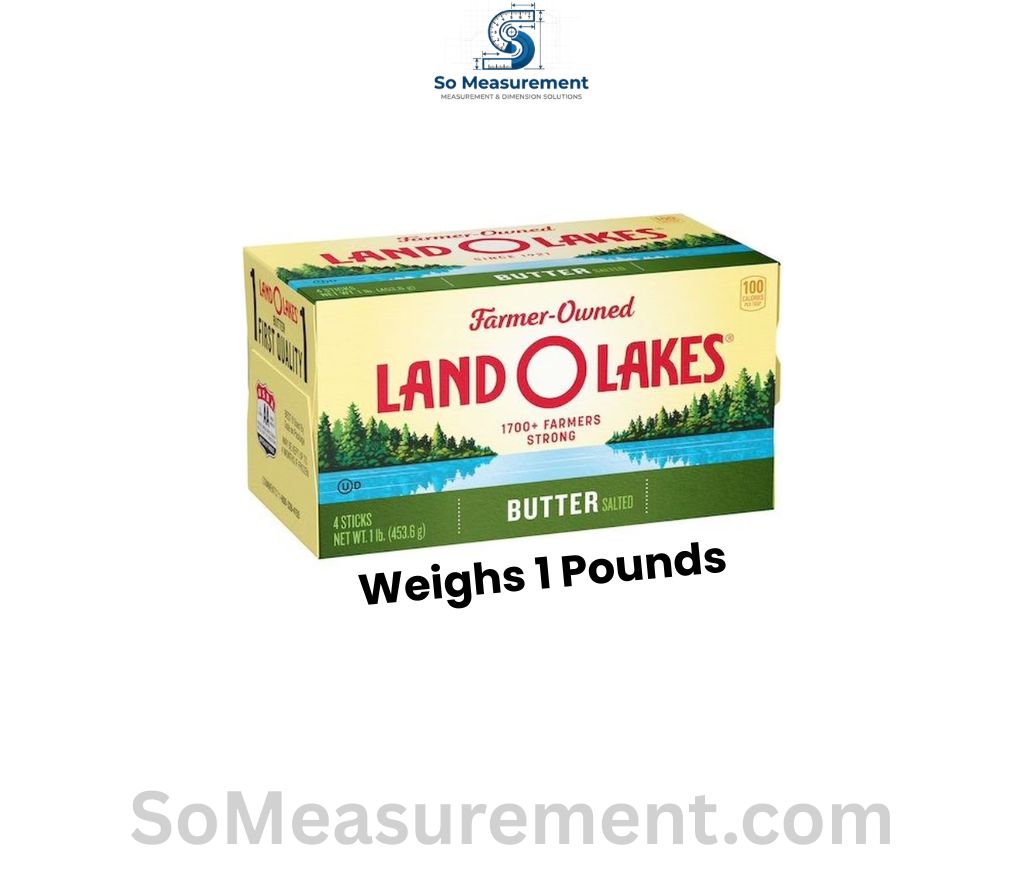
This one is exact — not approximate, not “close enough.” A standard retail box of butter contains four sticks, each weighing 4 ounces. Four times four is sixteen. Sixteen ounces is one pound. Bakers have used this as a built-in kitchen scale for generations, and it still works perfectly.
Hold a butter box and notice how compact it feels. It’s small but dense, with almost no wasted space inside. That density is why it feels heavier than its size suggests. If you ever need to explain a pound to someone, hand them a butter box. Nothing simpler.
2. A Can of Soup
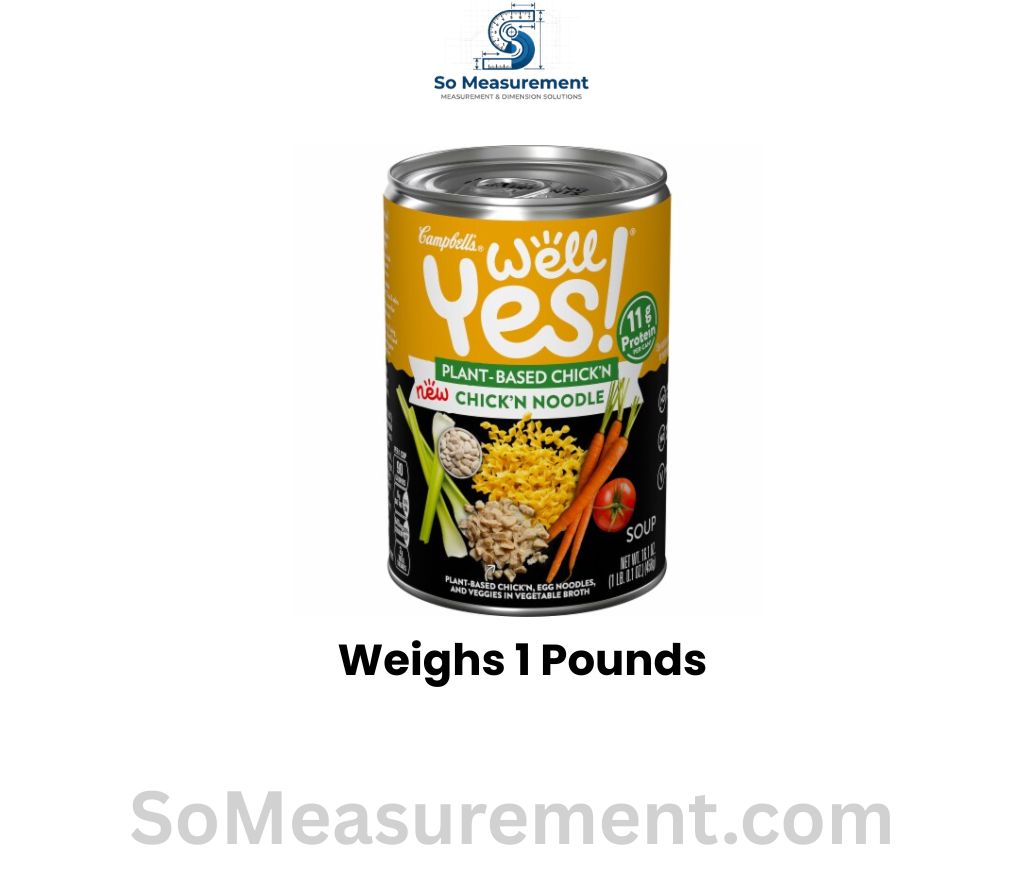
Standard 14.5 to 15.5 oz cans — Campbell’s tomato, any brand of black beans, diced tomatoes — land right at or just under a pound. Close enough for any practical reference. The cylindrical shape puts the weight evenly across your palm, which makes it feel balanced and easy to hold.
Grab one from your pantry right now. Turn it upside down, right side up, toss it lightly between hands. That weight you’re feeling is what shipping companies, postal scales, and recipe measurements all revolve around. It’s one of the most common one-pound objects on the planet, and it’s probably in your kitchen already.
3. A Box of Dry Pasta
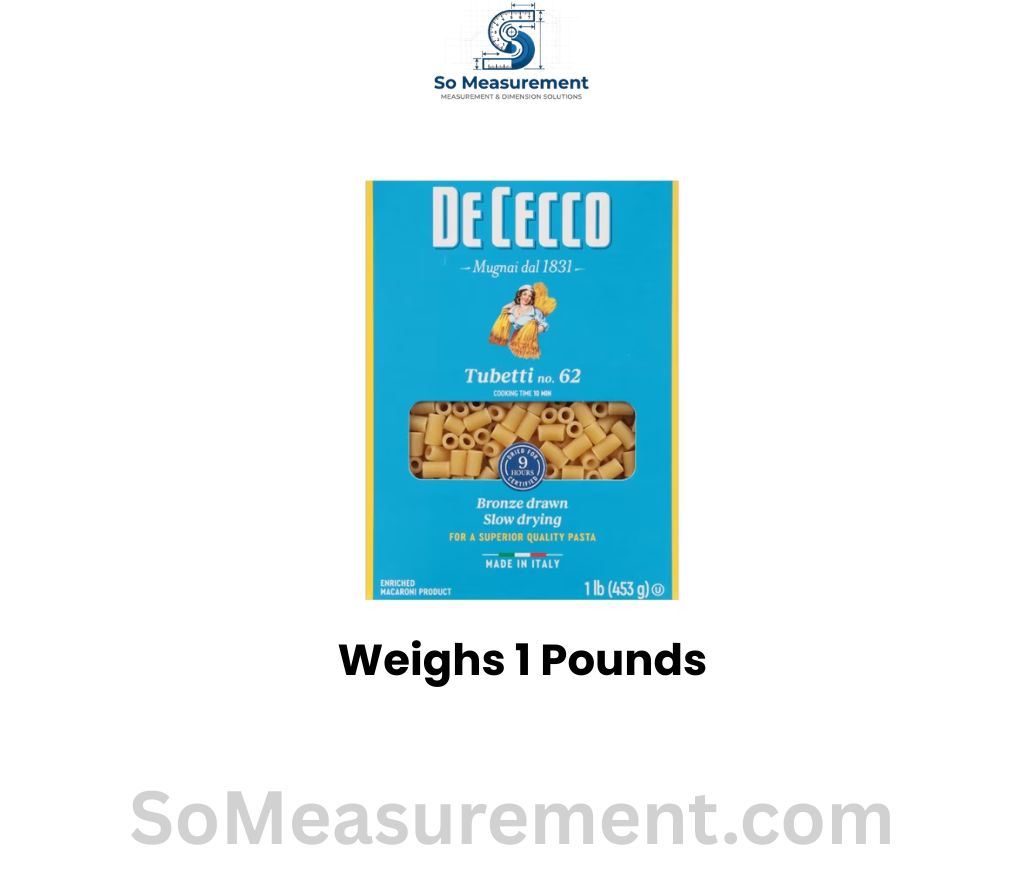
Every standard box of spaghetti, penne, or rotini you buy at a grocery store is labeled one pound. Not approximately — exactly. Pasta manufacturers have used one pound as the standard unit for decades, which makes this the most label-confirmed reference on this entire list.
What’s interesting is how light it feels for its size. A long spaghetti box is mostly air around thin pasta strands. That shape makes your brain underestimate the weight. But put it on a scale and it hits one pound every single time. This is a good reminder that surface area and weight are completely different things.
4. A Pint of Water
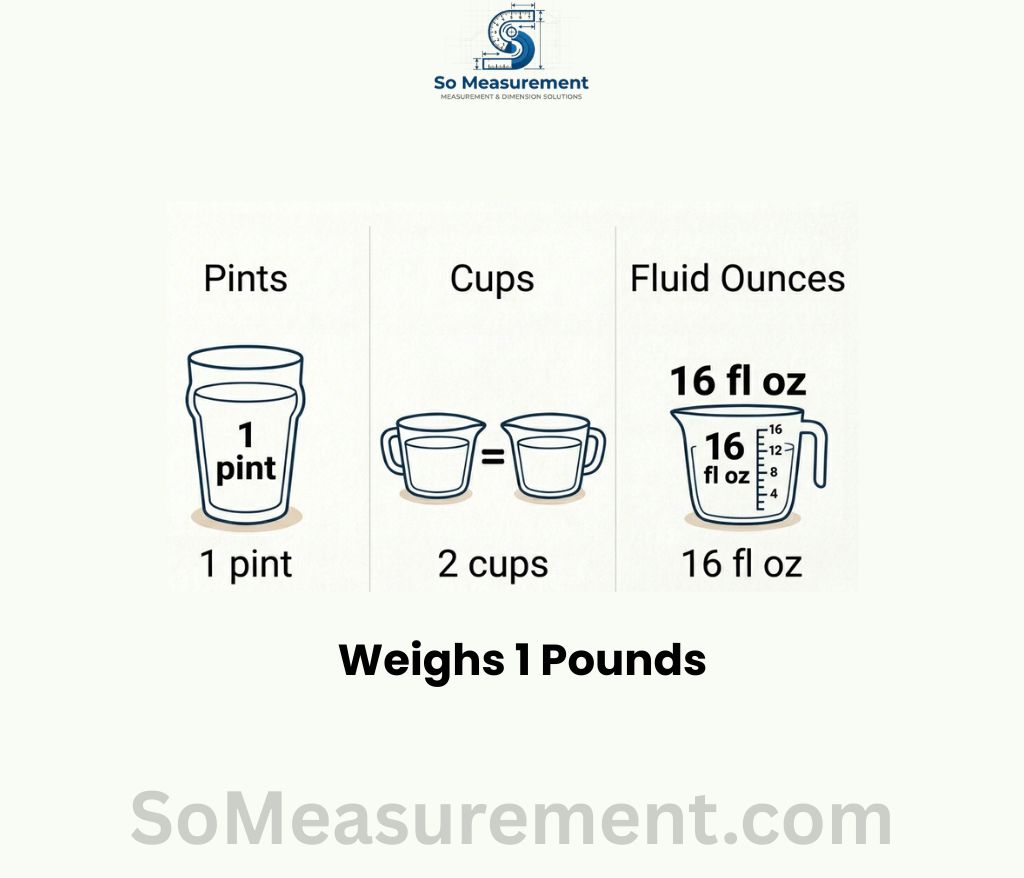
“A pint’s a pound, the world around” — an old folk saying that turns out to be scientifically accurate. One pint of water at room temperature is 16 fluid ounces, and it weighs almost exactly one pound. Water density at room temperature is 1 gram per milliliter, and the math works out cleanly.
Pour 16 oz of water into any container and hold it. The weight sloshes slightly, which makes it feel different from solid objects — but the scale reading is the same. This is also why a half-filled standard 16.9 oz water bottle is such a reliable field reference. Fill it to the halfway point and you’ve got a pound in your hand, no measuring required.
5. A Small Pineapple
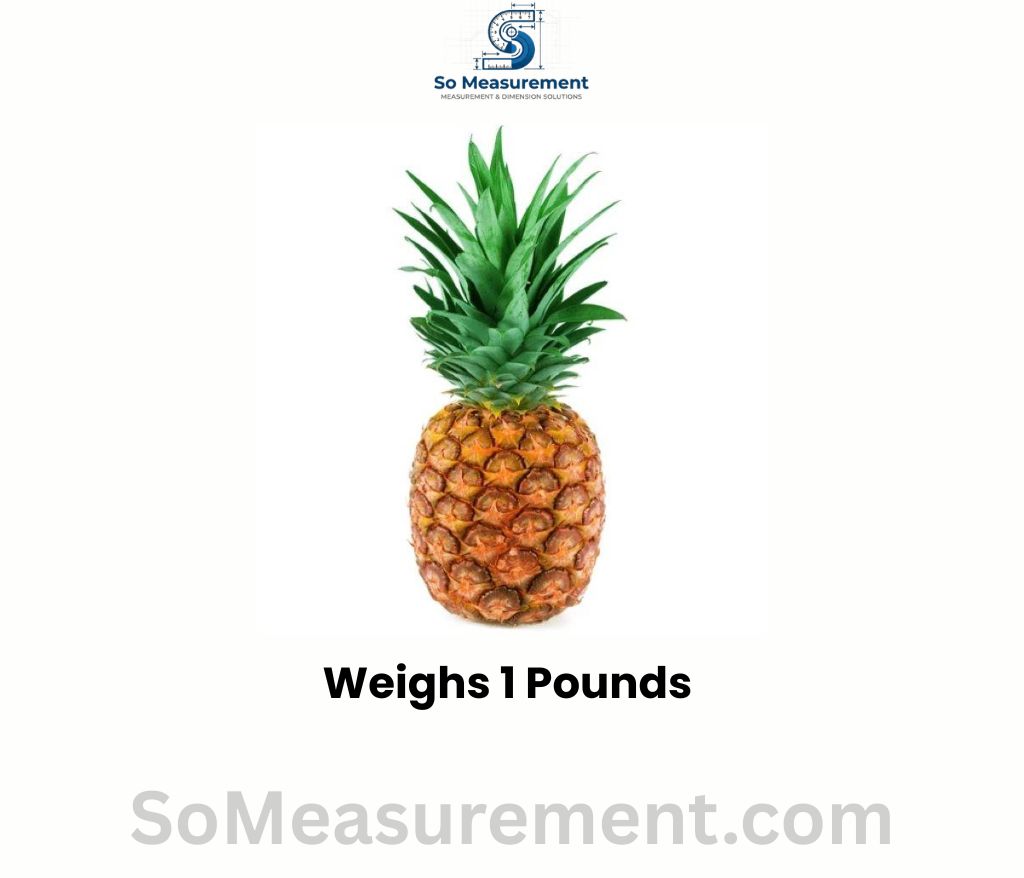
The small “personal-size” pineapples you see near the tropical fruit displays — not the big ones, the short stubby ones — come in right around one pound. They’re sold specifically as single-serving fruit, and their size reflects that.
What makes this a great tactile reference is the texture. The rough, bumpy skin gives you something to grip, and the weight feels slightly bottom-heavy because the fruit flesh is denser at the base. Hold one and it fills your hand naturally, fingers partially wrapped around the lower half. It doesn’t feel like you’re straining to hold it, but it’s clearly not nothing.
6. Three Medium Bananas
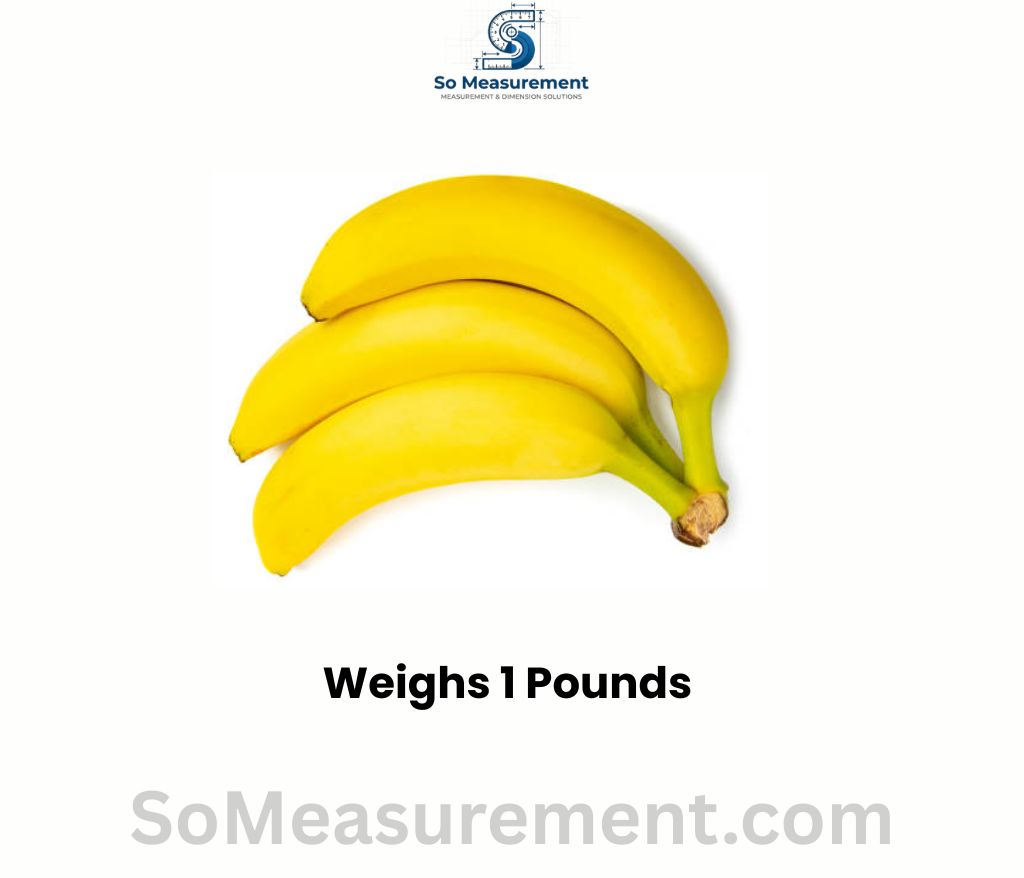
Individual bananas run about 5 to 6 ounces each. Three of them together hit one pound almost exactly. This is one of those comparisons that works well at a produce stand when you’re trying to estimate weight without a scale.
The tricky part is holding all three at once. They don’t stack neatly, so your hand has to work slightly to keep them together. That little bit of awkwardness actually makes it a memorable reference — your hand does more work when the weight is distributed unevenly, even if the total is the same.
7. Three to Four Medium Apples
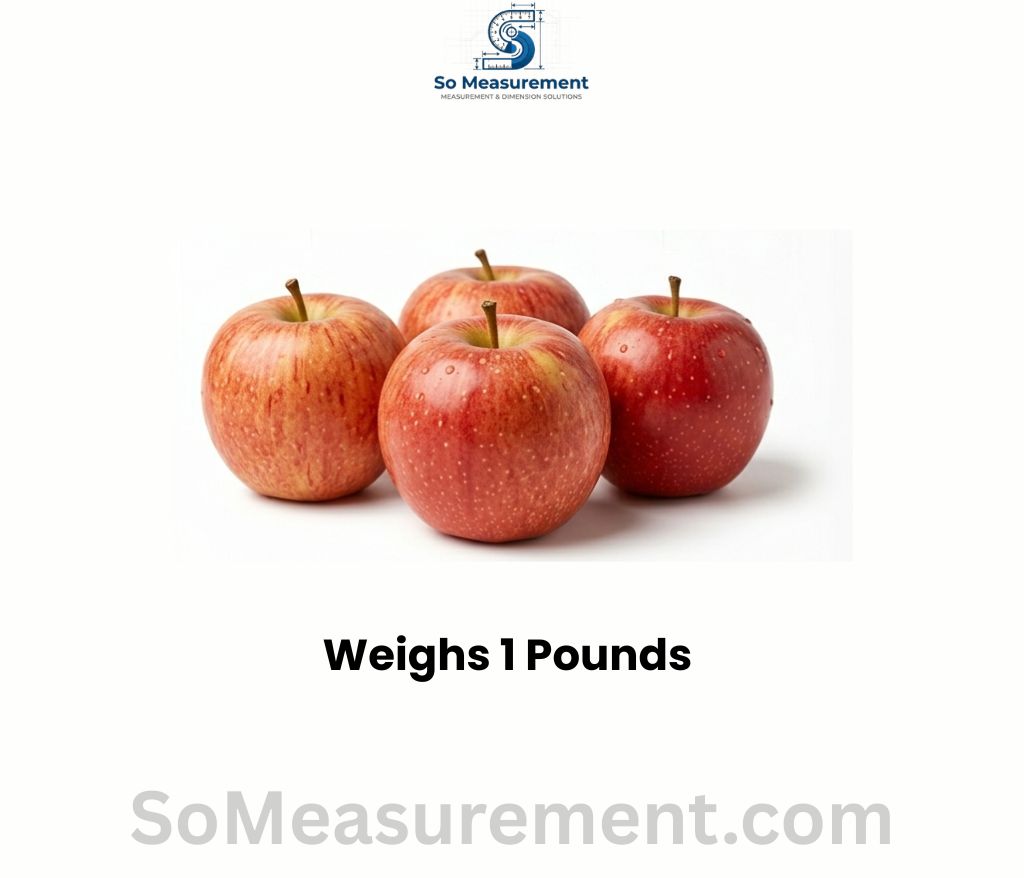
A medium apple — Gala, Fuji, Honeycrisp, most varieties — weighs roughly 4 to 5 oz. Three put you at 12 to 15 oz. Four land you at one pound and a bit over. Either way, you’re right in the range.
This is one of the most practical grocery store references because apples are everywhere, they’re uniform in size within a variety, and you can eyeball three of them quickly. A small plastic bag with three medium apples is a reliable one-pound estimate for anyone who ships packages, follows recipes by weight, or just wants to calibrate their sense of what a pound feels like.
8. A Paperback Novel
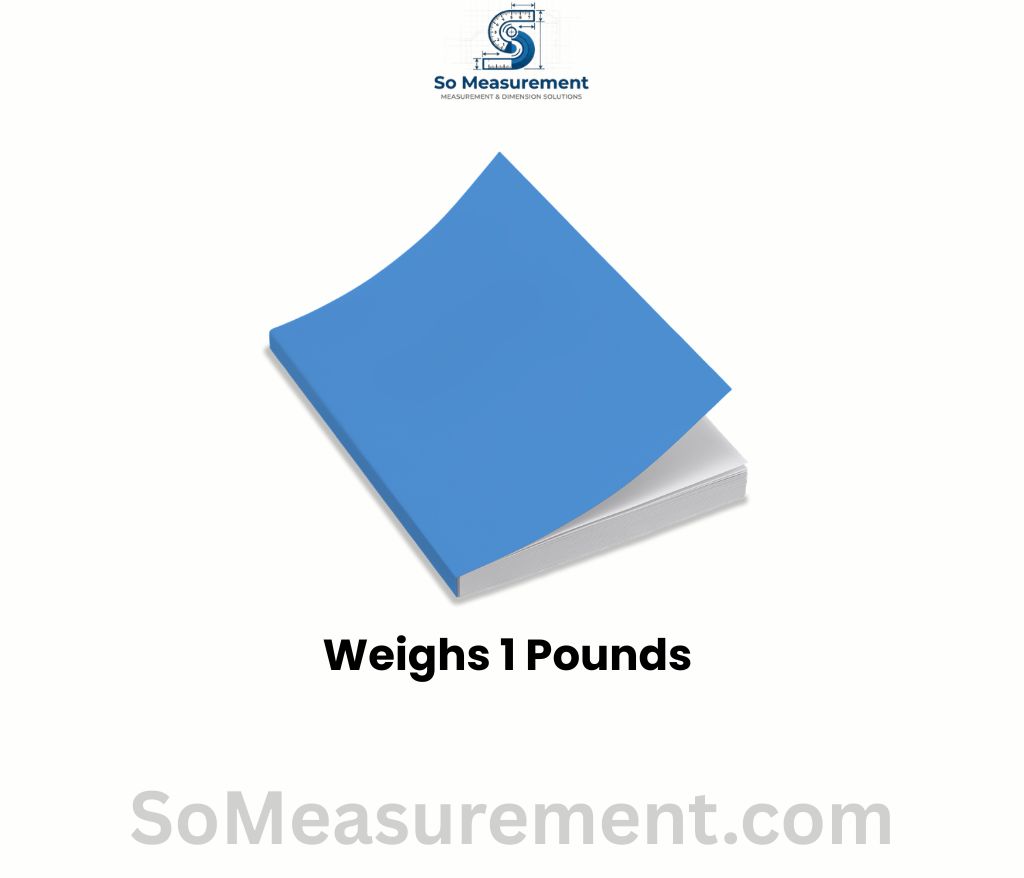
Full-length paperback novels — 300 to 400 pages — land right around one pound. The weight varies a bit by page count and paper thickness, but most standard trade paperbacks hit the mark. Publishers have long designed paperbacks to be held in one hand for extended reading sessions, and one pound is roughly where that comfort zone lives.
Hold one flat in your palm. The weight distributes across your fingers evenly, and you can flip pages with your thumb without shifting your grip. It doesn’t feel like work. That’s intentional. Book designers think about this more than most people realize.
9. A Standard Football
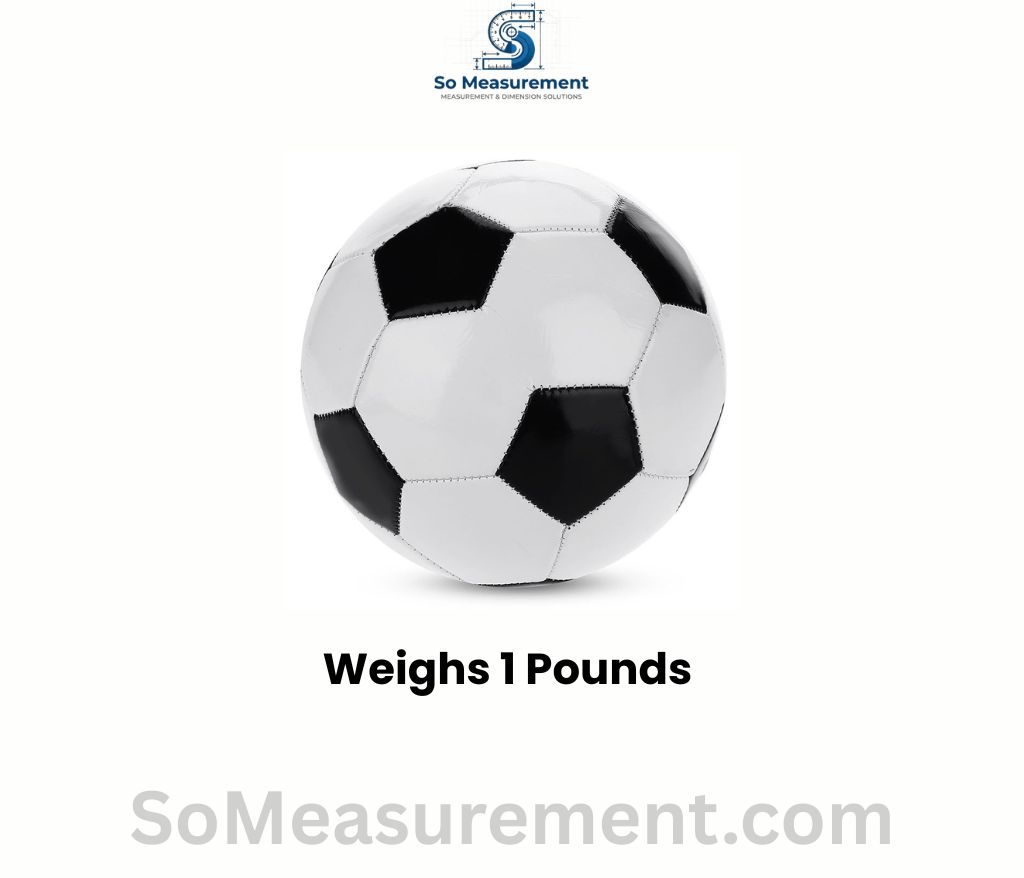
An NFL regulation football weighs 14 to 15 ounces — just under a pound. Youth and practice footballs often hit exactly one pound. When you tuck one under your arm, it disappears into your body. You barely notice it. But hold one straight out in front of you, and after 20 or 30 seconds, that pound starts making itself known.
The leather surface and inflated interior make it feel lighter than a solid object of the same weight. Air takes up space without adding much mass, which means the football is a good example of how size can completely mismatch your weight expectations.
10. A Small Dumbbell
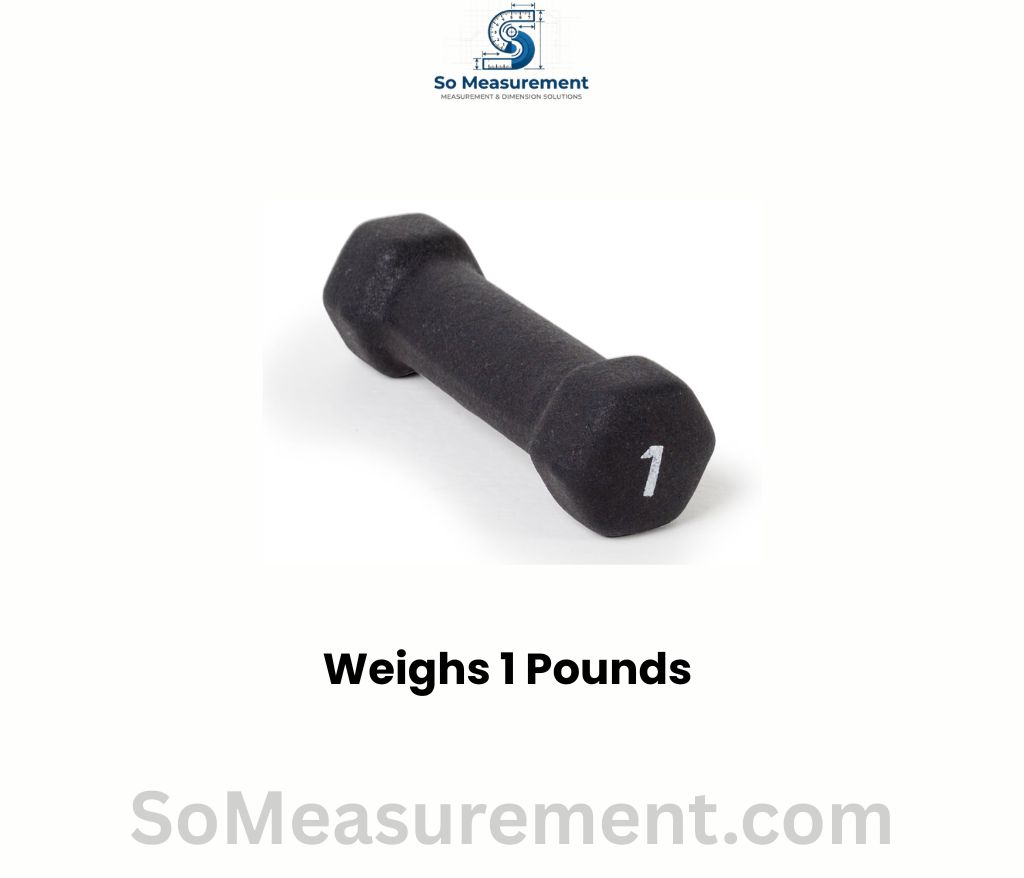
The one-pound dumbbell is the lightest weight on any gym rack. It’s used in physical therapy, senior fitness programs, and wrist rehabilitation. Next to the 10s and 25s beside it, it looks almost like a toy.
But hold one and do 50 slow curls. Your forearm will remind you that a pound is still a pound. The coated rubber handle and compact shape make it feel friendly and non-threatening — which is entirely the point. It’s designed so that someone recovering from an injury doesn’t feel discouraged picking it up.
11. A Roll of Quarters
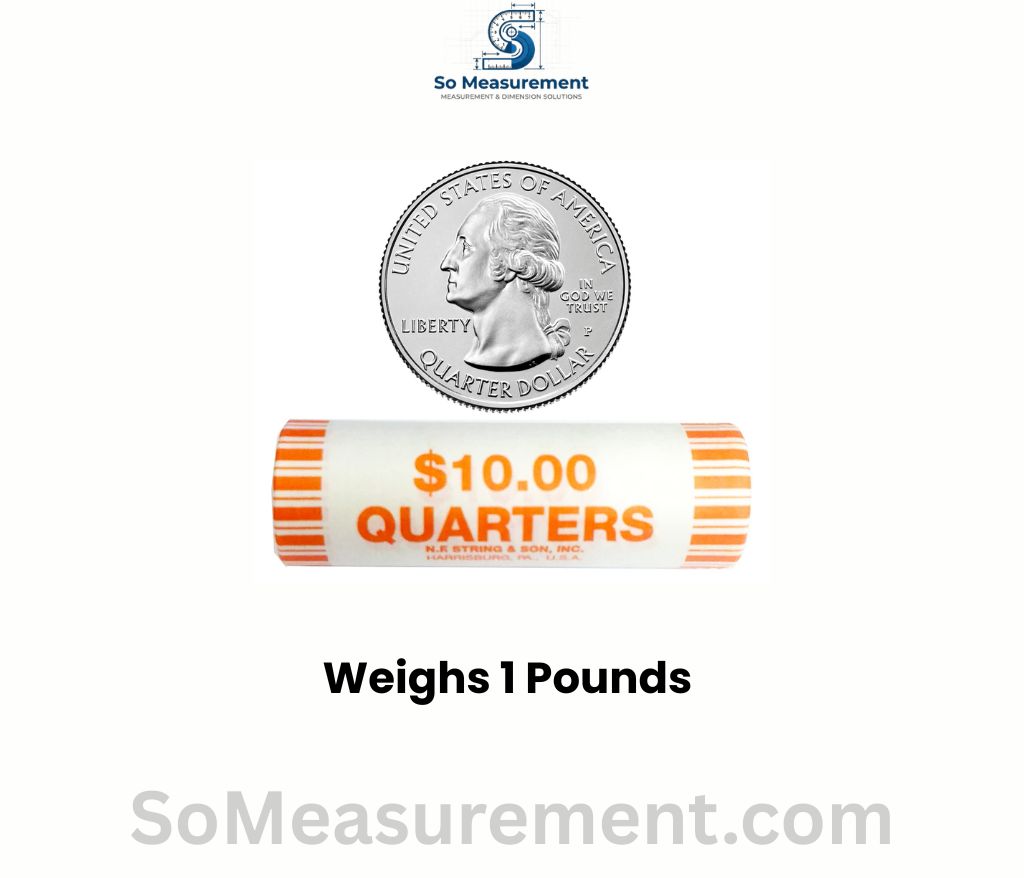
A standard bank-issued quarter roll holds 40 coins and is worth $10. It weighs about 8 ounces — half a pound. So two rolls held together equal exactly one pound.
What’s interesting about quarters is how dense they feel. The metal is heavy for the volume it takes up, so a single roll feels more substantial than a banana even though the banana outweighs it. This is the same density illusion that makes a box of butter feel heavier than a box of pasta. Your brain reads density as weight, even when the numbers disagree.
12. A Loaf of Bread
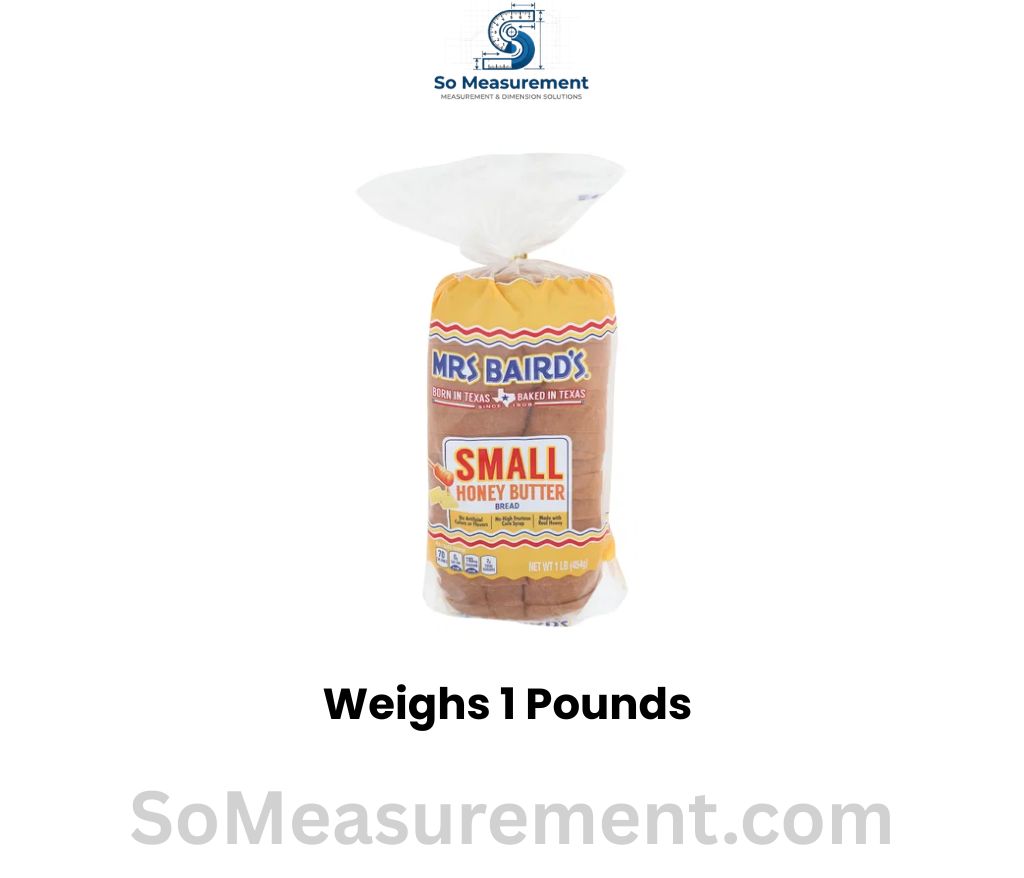
Standard sandwich loaves from the grocery store typically weigh between 20 and 24 ounces — closer to 1.5 pounds than one. But smaller artisan loaves, dinner rolls in a bag, and some specialty bread loaves come in right at one pound. Worth checking the label.
Bread is the ultimate example of volume versus weight confusion. A full loaf is enormous compared to a stick of butter, but it weighs less. The air pockets inside every slice add size without adding mass. Squeeze the bag gently — that soft, pillowy resistance is mostly air. The actual dough and crust beneath it is what the scale is weighing.
13. Three to Four Medium Oranges
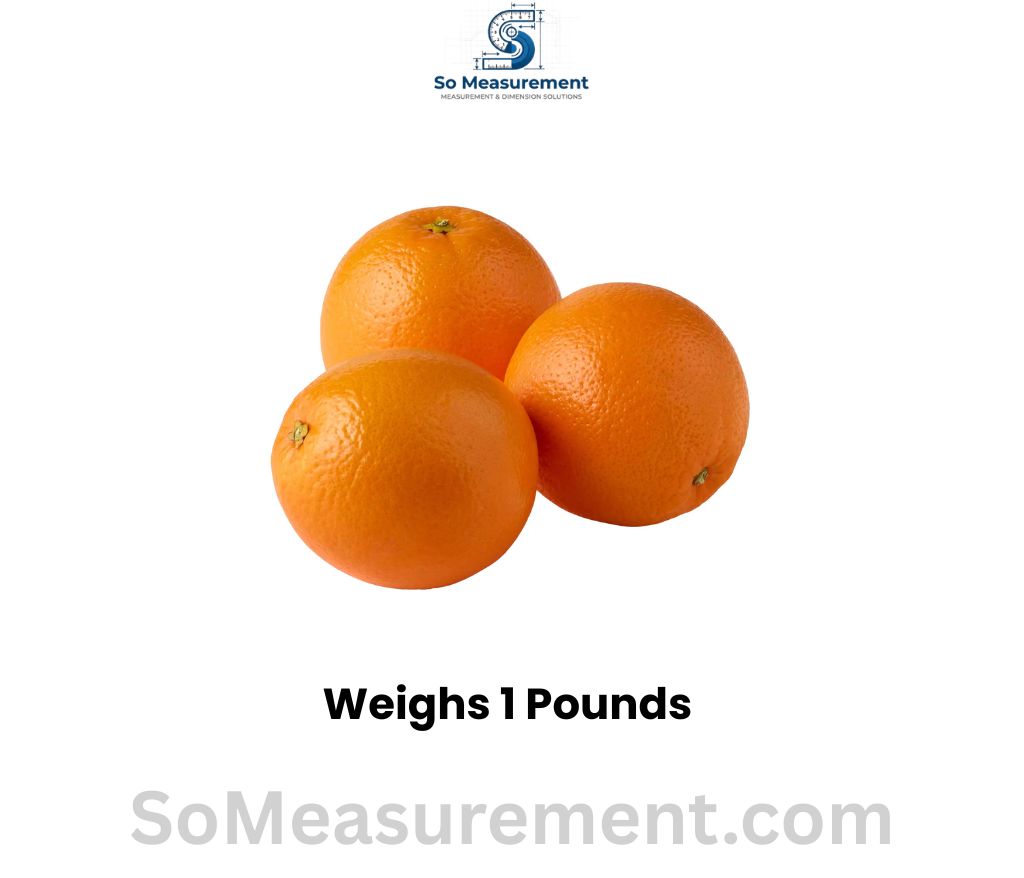
A medium navel orange runs about 4 to 5 ounces. Three to four of them together hit one pound cleanly. This comparison works exactly like the apple reference but with a smoother surface and a slightly more uniform shape.
What’s useful about citrus is that the peel adds weight without adding much size. So an orange feels denser than it looks, which makes it a better tactile reference than something like grapes, where the weight is spread across dozens of small objects. Hold four oranges in a bag and you’ve got about a pound of something that feels solid and real.
14. An Empty Hardcover Book or Journal
Hardcover books — especially journals, planners, and shorter hardcovers — often land at one pound without the contents. The cover boards, binding, and spine hardware add up. A quality blank journal with 200 pages can hit one pound easily.
This one surprises people. We associate hardcovers with being heavy, but the “heavy” feeling mostly comes from the stiff cover, not extra mass. A one-pound hardcover and a one-pound paperback weigh the same — but the hardcover feels more serious in your hand. That’s pure perception.
How to Check for a Pound Without a Scale
Use a butter box. Labeled exactly one pound. Hold your unknown object in one hand, butter box in the other. Same pull on your wrist? Same weight.
Half-fill a 16.9 oz water bottle. Fill it to the halfway line. That’s one pound of liquid, plus the negligible weight of the plastic. Close enough for any practical check.
Hold it for 30 seconds at arm’s length. A pound creates a mild, consistent pull without causing strain. Under half a pound feels like almost nothing. Over two pounds makes itself known quickly.
Common Weight Estimation Mistakes
Judging weight by size. A big bag of chips weighs almost nothing. A small jar of peanut butter might hit a pound and a half. Volume and mass are completely separate things, but your eyes keep pretending they’re connected.
Trusting package labels without reading them carefully. Bread is the classic trap. “Standard loaf” means different things to different brands. Some are 20 oz, some are 24 oz. When precision matters — mailing a package, following a recipe by weight — read the actual number, not the marketing description.
Forgetting that liquid weight is volume-dependent. An empty bottle weighs almost nothing. A full 16.9 oz bottle weighs about 1.1 pounds. The fill level completely changes the reading, and people routinely grab bottles without checking how full they are before using them as a weight reference.
Read more –
14 Everyday Items That Weigh 20 Pounds
15 Everyday Things That Weigh 50 Pounds
FAQ’s about 1 Pounds
How can I quickly estimate one pound without using a scale?
A box of butter is one of the easiest references because it weighs exactly one pound. A pint of water is another reliable option. Comparing unfamiliar objects to these common items can help you make a fairly accurate estimate.
Which everyday item is closest to exactly one pound?
A standard box of butter and a one-pound box of dry pasta are among the most accurate household examples because their weight is measured and labeled by manufacturers.
Why do some one-pound objects feel heavier than others?
Size and shape affect how we perceive weight. Small, dense items often feel heavier than larger objects that weigh the same because our brains expect larger things to be heavier.
Is one pound heavy enough to notice?
Yes. One pound is light enough to hold comfortably for a short time but heavy enough that you can clearly feel its weight. Most people recognize it as a solid, noticeable amount without calling it heavy.
Can these one-pound examples help with shipping packages?
They can help with rough estimates, but an actual scale is best when postage costs depend on exact weight. Even small differences can affect shipping prices.
One pound shows up everywhere — your kitchen, your gym, your grocery bag. Once you anchor it to two or three of these objects, your sense of weight sharpens in ways that actually come in useful. The butter box is probably the fastest shortcut. The pint of water is the most satisfying to verify. Pick whichever one sticks.

Lev is passionate about helping readers understand sizes and dimensions of everyday objects. With a focus on clarity and practical examples, Lev shares accurate, trustworthy insights that make measurements relatable, useful, and easy to visualize for everyone.