You searched “how much is 15 kg” because a number alone means nothing.
Is it heavy? Can you carry it alone? Is it safe to lift?
The honest answer: 15 kg (about 33 pounds) is the weight where most people slow down and think before picking something up. It’s not impossible. But it’s not casual either.
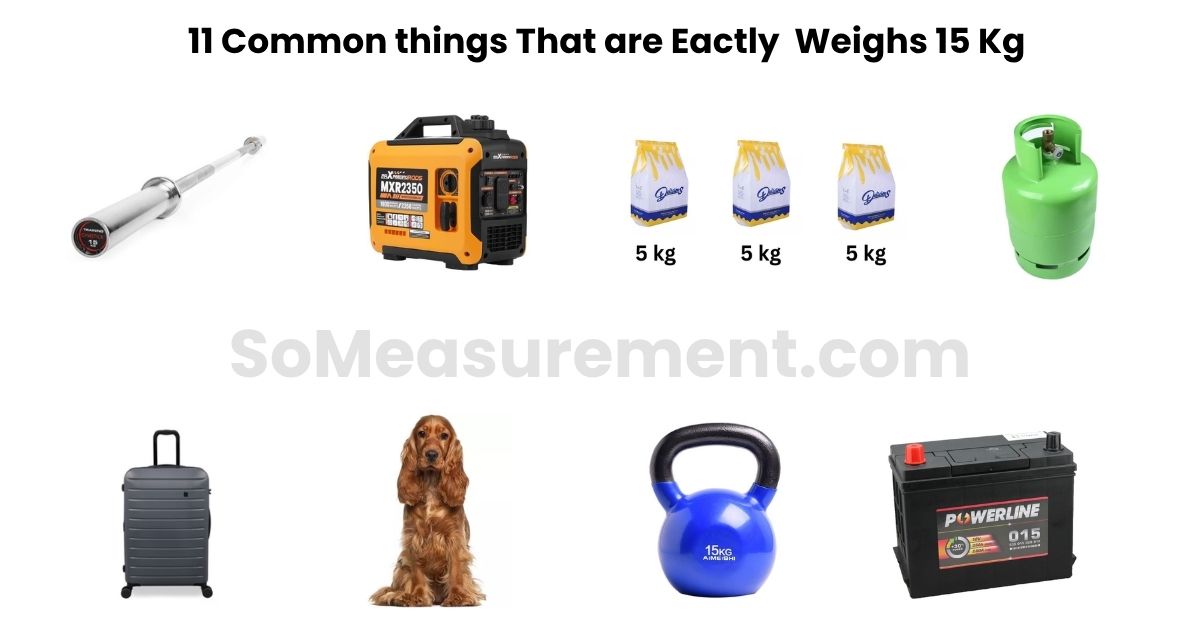
Here are 11 real objects that weigh 15 kg — explained in a way that actually sticks.
First, Let’s Put 15 kg in Perspective
| Unit | Value |
|---|---|
| Kilograms | 15 kg |
| Pounds | 33.07 lbs |
| Grams | 15,000 g |
| Stones | 2.36 st |
Quick mental trick: 15 kg is roughly the weight of a healthy 4-year-old child sitting in your arms. Hold that thought as you read through the list.
The List: 15 Things That Weigh 15 kg
| Object | Category | Weight |
| Car Battery | Home / Auto | ~15 kg |
| Cement Mix Bag | DIY / Build | 15 kg |
| Kettlebell | Gym / Fitness | 15 kg |
| Cocker Spaniel | Daily Life | 13–16 kg |
| Cabin Suitcase | Home / Travel | ~15 kg |
| 3-Year-Old Child | Daily Life | 14–16 kg |
| Propane Cylinder | Home / Camp | 14–16 kg |
| 3× Flour Bags (5 kg) | Food / Kitchen | 15 kg |
| Portable Generator | DIY / Build | ~15 kg |
| 15 kg Rice Sack | Food / Kitchen | 15 kg |
| Training Barbell | Gym / Fitness | 15 kg |
1. A Standard Car Battery
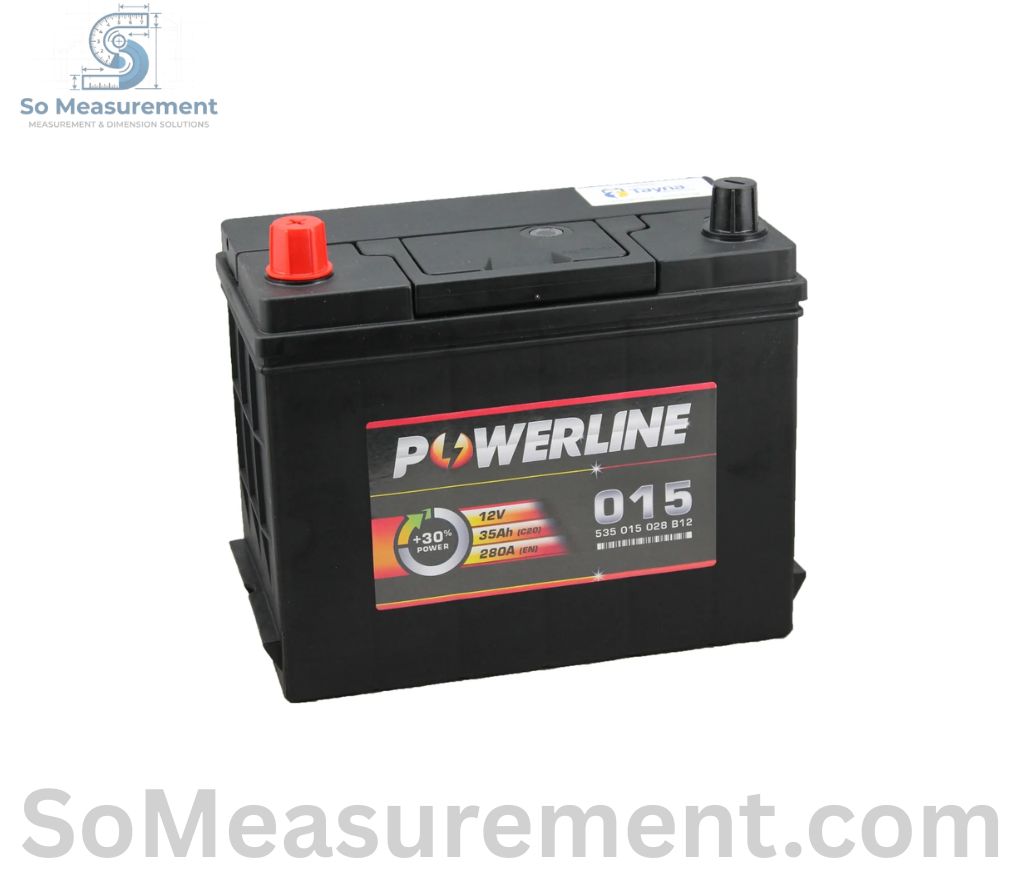
Most standard car batteries weigh between 12 and 18 kg. The average sits right at 15 kg.
They’re compact, dense, and have a small plastic handle that feels completely inadequate for the job. Mechanics swap these regularly, but if you’ve ever replaced one yourself, you know the awkward moment of trying to maneuver it out of the engine bay without resting it on anything metal.
2. A 15 kg Bag of Cement Mix
DIY stores stock these specifically for home users — tile adhesive, patching work, small pours. The bag itself is a standard size, easy to spot on the shelf.
Carrying it is another matter. The material shifts inside as you move, the bag has no real grip points, and the center of gravity keeps changing. Experienced builders lift from the knees for a reason. First-timers usually learn that lesson on the first carry.
3. A 15 kg Kettlebell
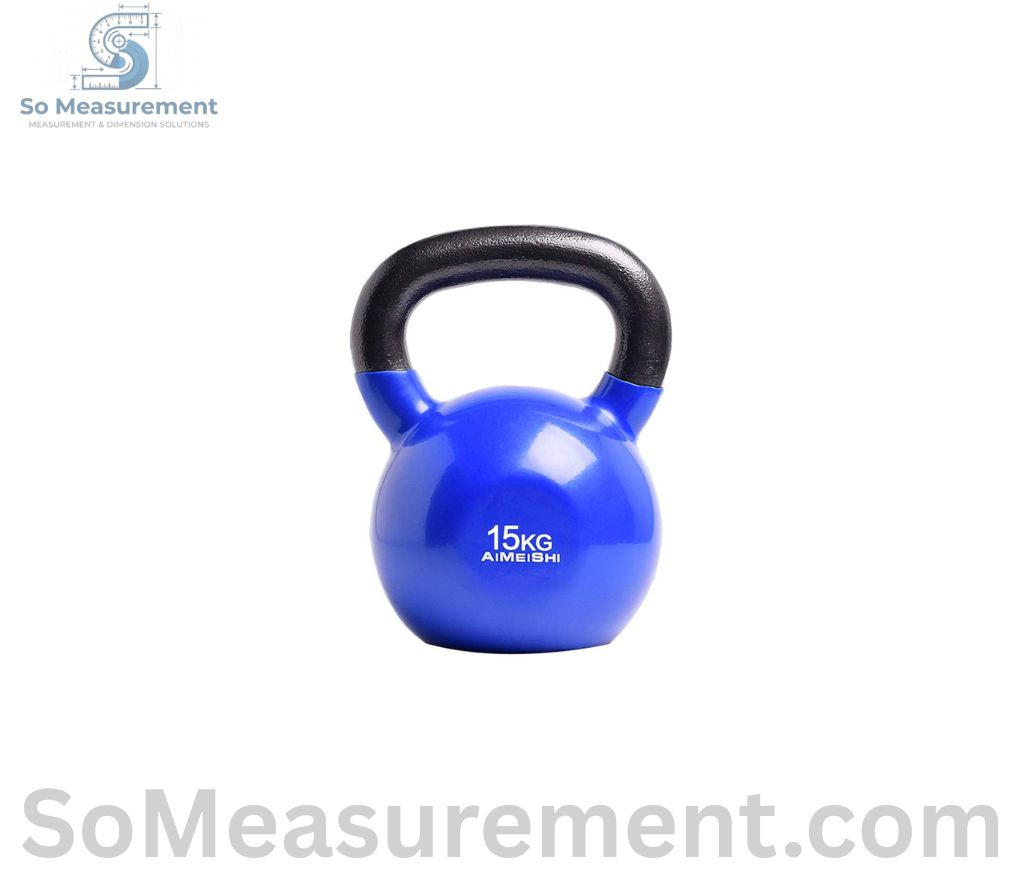
Kettlebells are manufactured to exact kilogram weights, making the 15 kg version a precise reference. In most gyms, this is intermediate — past beginner territory, well before advanced.
Hold it hanging at your side and your forearm tendons feel it within seconds. Swing it and you understand quickly why 15 kg isn’t a casual number. It demands proper form, not just effort.
4. A Medium-Sized Dog

A Beagle, Cocker Spaniel, or Shih Tzu typically weighs between 8 and 16 kg.
If your dog has ever needed to be carried up stairs after surgery, or lifted into the back of an SUV, you’ve handled 15 kg of pure squirm. Unlike a bag of cement, a dog shifts and repositions constantly. Same weight, completely different experience — which is a good reminder that how a weight is distributed matters just as much as the number itself.
5. A Carry-On Suitcase Packed for Two Weeks
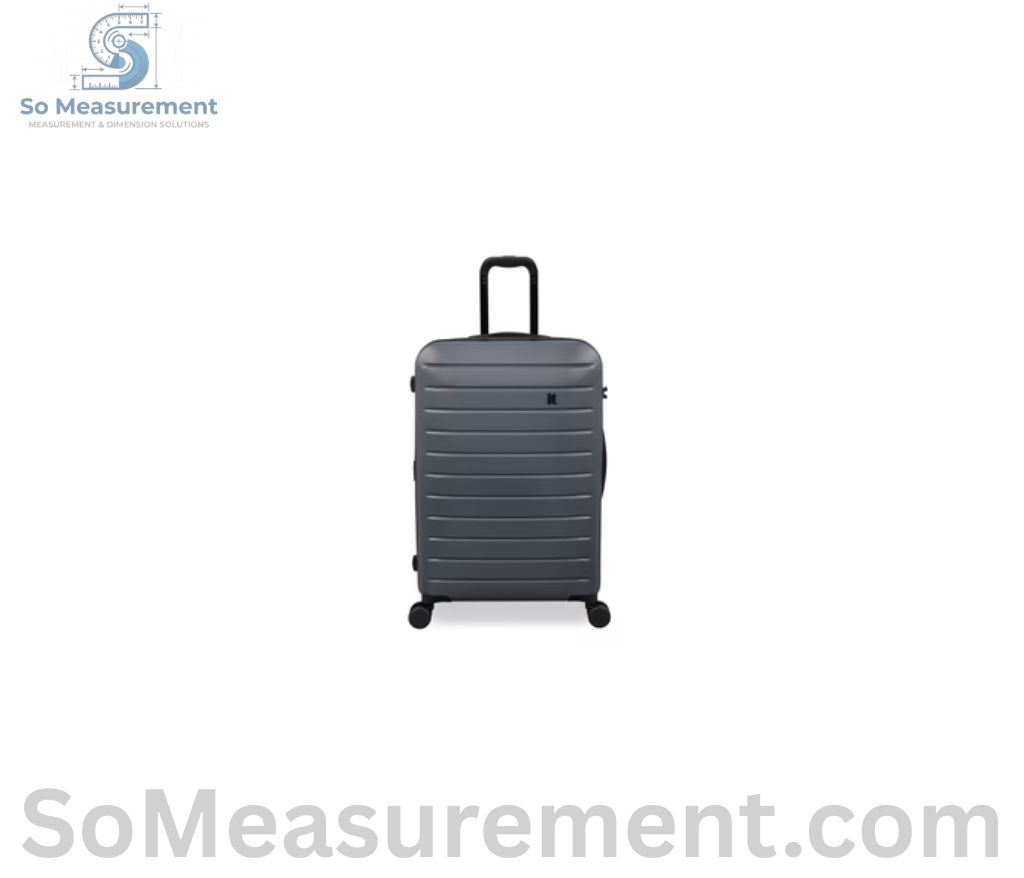
Most airlines allow 7 kg for carry-on bags. But checked luggage? Many international airlines set the economy limit at 15 kg or 20 kg depending on the route.
A properly packed checked bag for a two-week trip lands right around 15 kg. It rolls easily on smooth airport floors. The problem is stairs, overhead bins, and car boots. That’s where the weight makes itself known.
6. A 3-Year-Old Child

The average healthy 3-year-old weighs 14–16 kg. Parents carry this weight dozens of times a day — lifting from floors, loading into car seats, carrying a sleeping child from the car inside.
One lift is nothing. Ten minutes of carrying while navigating a crowd, holding doors, managing bags? That’s where 15 kg builds real functional strength. Parents earn it without ever touching a gym.
7. A Full Medium Propane Cylinder
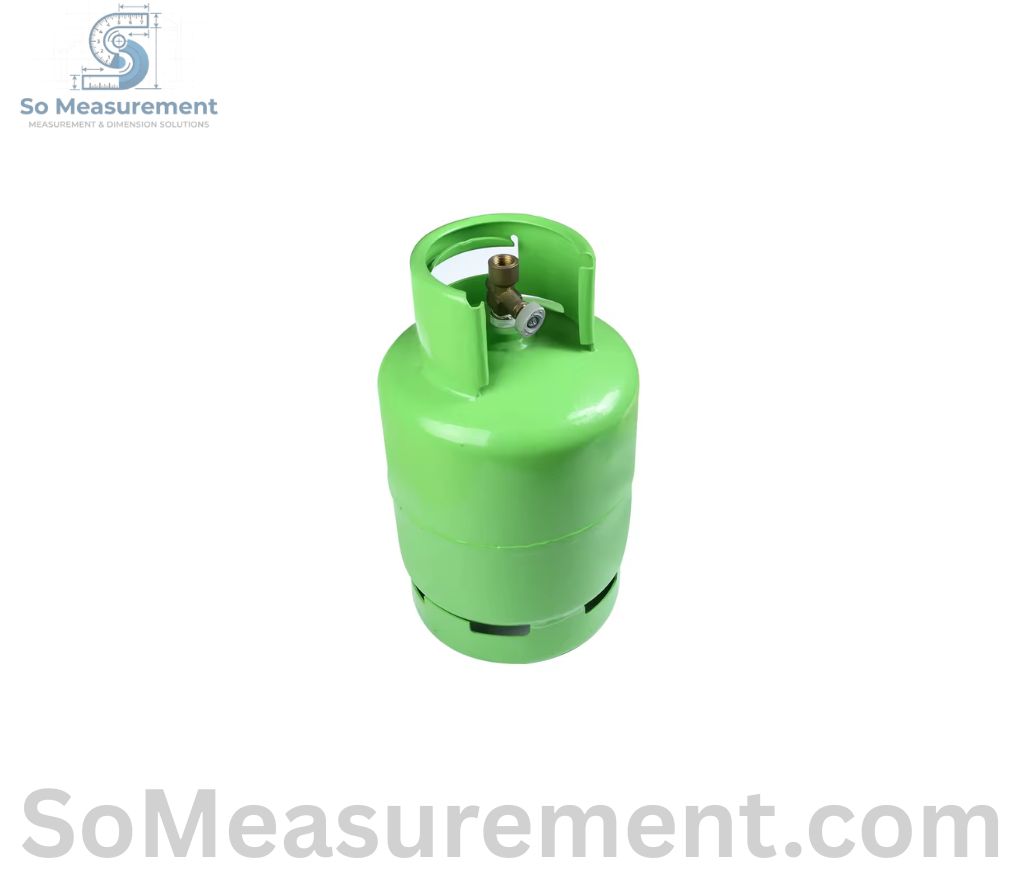
Standard medium propane or butane cylinders for home BBQs and camping stoves commonly weigh 14–16 kg when full — cylinder tare weight plus the gas inside.
What makes this one useful: the weight changes as you use it. Experienced grillers and campers can estimate remaining gas just by lifting. A noticeably lighter cylinder means you’re close to empty. It’s an accidental weight calibration tool.
8. Three 5 kg Bags of Flour
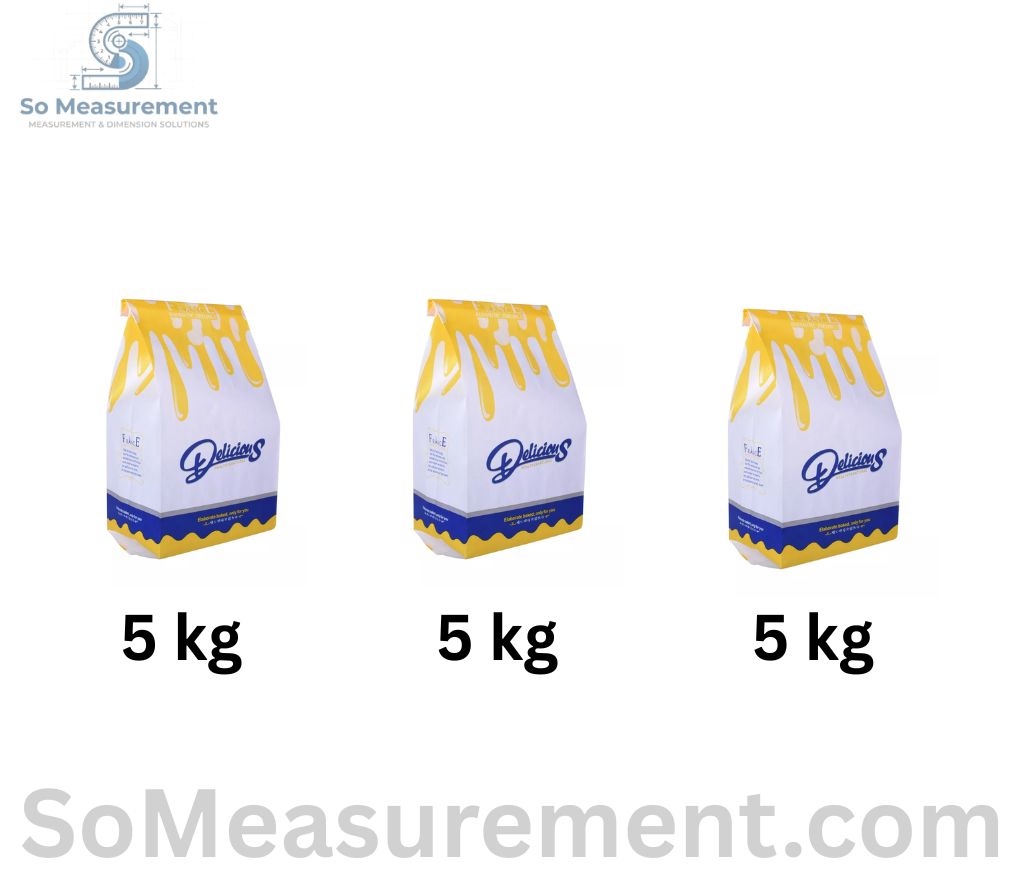
A single 5 kg bag of all-purpose flour is a common grocery item. Stack three together and you have 15 kg with near-perfect accuracy — no scale needed.
Flour bags are dense and soft. They conform to your grip slightly, which makes them feel heavier than a rigid object of the same weight. Bakers who buy in bulk know this weight well, usually by the ache in their wrists after restocking.
Read more: What Weighs 1 Pounds? 14 Everyday Things You Already Know
9. A Small Portable Generator
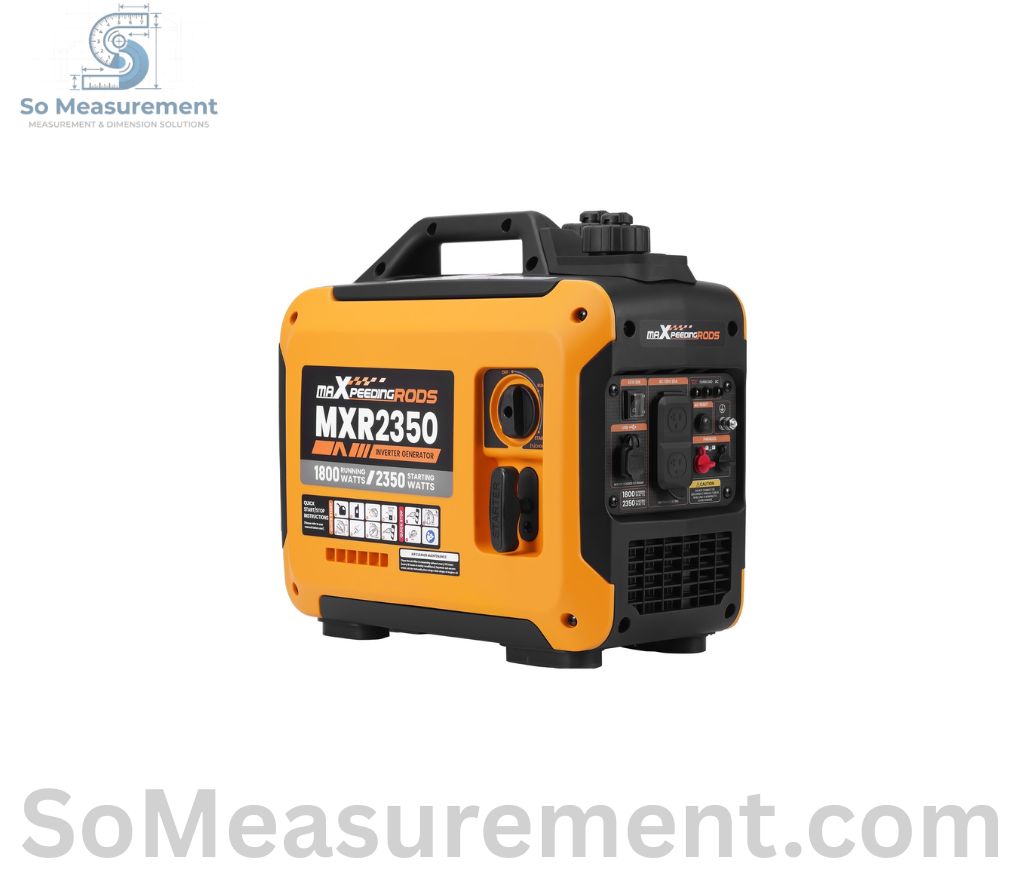
Compact portable generators designed for camping or power outages typically weigh 13 to 17 kg. The popular mid-range models land right at 15 kg.
They usually come with a carry handle, but the weight is bottom-heavy and uneven. Carrying one down to a basement or out to a campsite quickly teaches you why proper lifting technique exists. This is the kind of object that puts real strain on your lower back if you’re not paying attention to your posture.
10. A 15 kg Rice Sack
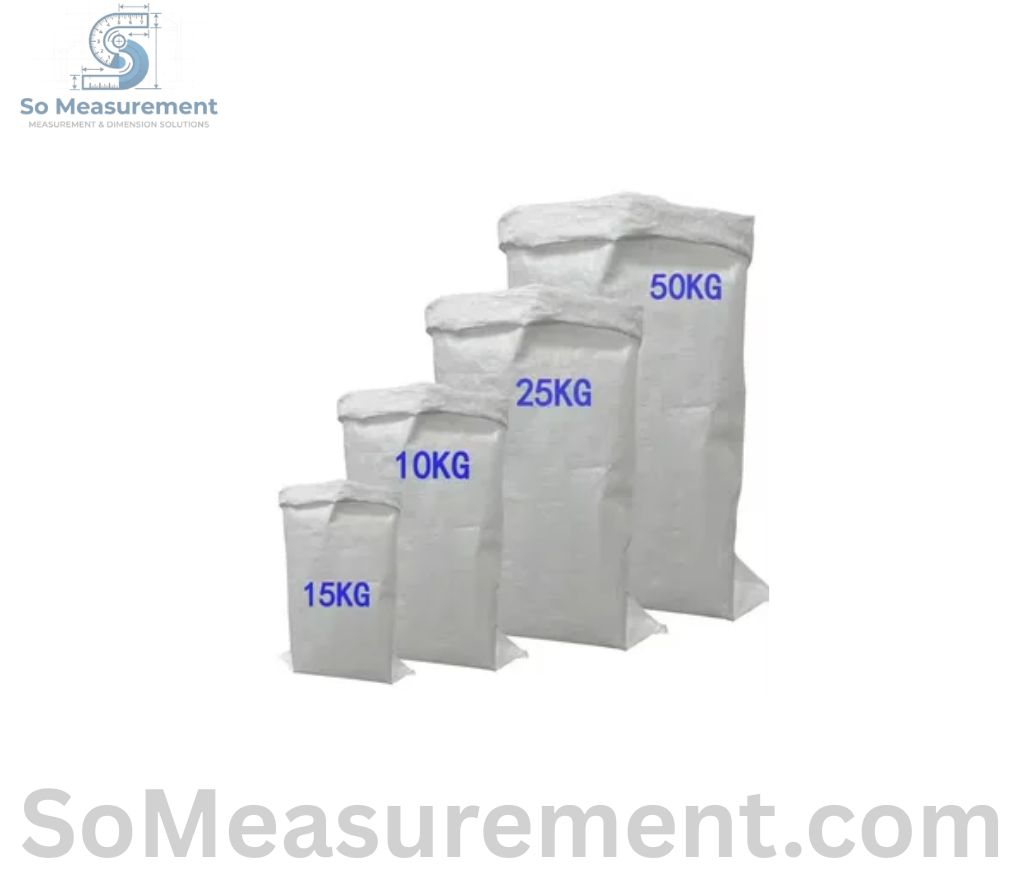
Walk into any South Asian grocery store or wholesale market and you’ll find 15 kg rice bags stacked near the entrance.
This is actually the most common real-world encounter most people have with 15 kg. The bag bends and sags in the middle when you grab it from the top. Most people end up squatting, wrapping both arms underneath, and waddling to the car.
If this sounds familiar, you’ve already lifted 15 kg more times than you’ve counted.
11. A 15 kg Training Barbell
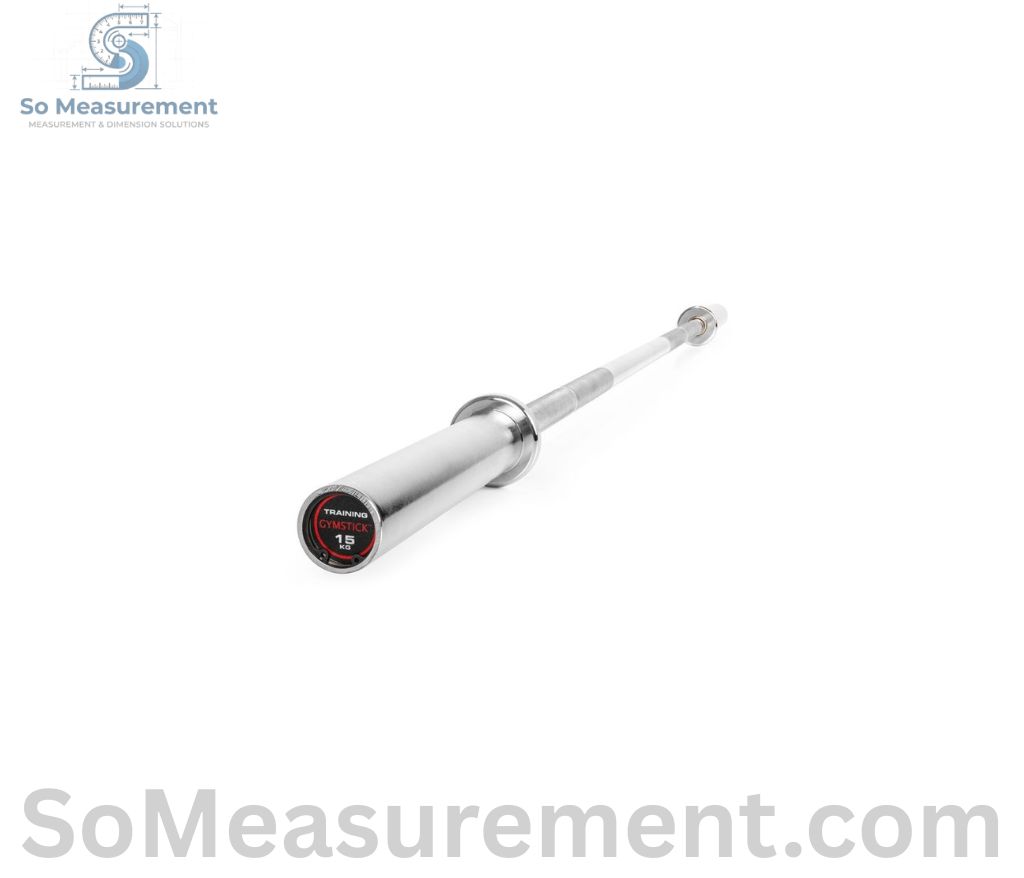
The standard Olympic bar weighs 20 kg. The shorter training version used in home gyms and beginner programs is manufactured at exactly 15 kg — not an estimate, a spec.
It’s 2.2 meters of steel with no weight plates loaded. The length makes it awkward to move through doorways or off a rack. New lifters are regularly surprised that an “empty” bar already asks something real from them.
Is 15 kg Heavy for Most People?
Honestly? It depends on what you’re doing with it.
One lift, good grip, short distance: Most healthy adults can manage this without much trouble.
Carrying it across a parking lot: You’ll feel it. By the time you reach the car, your arms are tired.
Carrying it up stairs: This is where 15 kg stops being casual. Use both hands, take your time, and keep the load close to your body.
Doing it repeatedly: This is where injuries happen. OSHA guidelines recommend avoiding repetitive lifts above 23 kg without help, but even 15 kg done wrong — or done 20 times in a row — causes strain.
How to Safely Lift 15 kg Every Time
No complicated instructions. Just four things that actually matter:
Get close before you lift. Don’t reach out for the object. Walk right up to it, then lift.
Bend your knees, not your back. Your legs are stronger than your spine. Use them.
Keep it against your body. The farther the object is from your centre, the heavier it feels and the more strain it puts on your back.
Never twist while holding it. If you need to turn, move your feet. Don’t rotate your spine with weight in your hands.
Read also:
12 Everyday Things That Weigh 100 Kilograms
11 Daily-Use Items That Weigh 500 Grams
Quick Summary
15 kg shows up in ordinary life more than most people realize — grocery runs, travel, home repairs, garden work. Once you have a mental picture of it (a sleeping 4-year-old, a full rice bag, a car battery), you stop needing to do the math every time.
You just know.

Lev is passionate about helping readers understand sizes and dimensions of everyday objects. With a focus on clarity and practical examples, Lev shares accurate, trustworthy insights that make measurements relatable, useful, and easy to visualize for everyone.