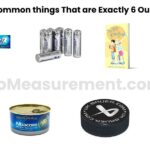
Six ounces is 170.1 grams. Pick up a small can of tuna from your pantry. That’s it. That’s exactly what 6 ounces feels like in your hand.
Now, before going further — there are two completely different “ounces” people mean when they search this. Weight ounces measure mass. Fluid ounces measure volume. A recipe asking for 6 oz of cream cheese means weight. One asking for 6 oz of milk means liquid volume. They are not interchangeable, and mixing them up ruins more recipes than people care to admit.
How Much Is 6 Ounces in Grams, Cups, and ML?
Weight Conversions (Avoirdupois Ounces)
| Unit | Value | Feel |
| Grams | 170.1 g | Small tuna can |
| Kilograms | 0.1701 kg | Much less than a pound |
| Pounds | 0.375 lbs | Three-eighths of a pound |
Fluid Conversions (US Customary)
| Unit | Value |
| Milliliters | 177.4 ml |
| Cups | ¾ cup |
| Tablespoons | 12 tablespoons |
| Liters | 0.177 liters |
Six fluid ounces in grams? For water specifically, it’s about 177 grams. For other liquids, the number shifts based on density. Oil is lighter than water per volume. Honey is heavier. The conversion stays fixed only for water.
Six ounces in cups for dry ingredients is a different situation entirely. Dry ingredients have wildly different densities, so there’s no single cup answer:
- 6 oz of flour is roughly 1⅓ cups
- 6 oz of sugar is about ¾ cup
- 6 oz of rolled oats is close to 2 cups
- 6 oz of uncooked rice is around ¾ to 1 cup
This is exactly why serious bakers weigh dry ingredients rather than scooping them. A cup of flour and a cup of oats look the same in the measuring cup. On a scale, they are completely different weights.
11 Daily-Use Things That Weigh 6 Ounces
This is where the number becomes real. Not abstract. Not just a conversion table sitting on a screen. Here are eleven things you’ve already touched, bought, or used that weigh right around 170 grams.
1. An Official NHL Hockey Puck

The National Hockey League rulebook specifies that game-ready pucks must fall between 5.5 and 6 ounces. Most professional pucks hit the upper limit of exactly 6 oz. That’s intentional. The weight directly affects how the puck travels across ice, how it responds to a slap shot, and how goalies handle the impact.
Pick one up at a sporting goods store and you’ll notice something right away: it feels denser than it looks. The vulcanized rubber is compact, and the weight is concentrated in a small disc. That’s what 170 grams of heavy rubber feels like — solid, authoritative, not going anywhere unless something hits it hard.
2. An Adult Size XL Cotton T-Shirt

A short-sleeve, 100% heavy cotton t-shirt in size extra-large weighs right at 6 ounces when completely dry. You’ll actually see this called out on the label or product page of quality basics from brands like Gildan or Hanes. “6 oz cotton” is a real product specification in the apparel industry, not just a random marketing term.
Thinner t-shirts, the kind that feel silky and lightweight, come in at 4 oz or less. The 6 oz shirt is the kind that holds its shape after dozens of washes, doesn’t cling, and feels substantial when you pull it over your head. It’s the weight of a t-shirt that’s built to last. Dry it flat or hang it and that weight is still exactly 170 grams.
3. 34 New US Nickels
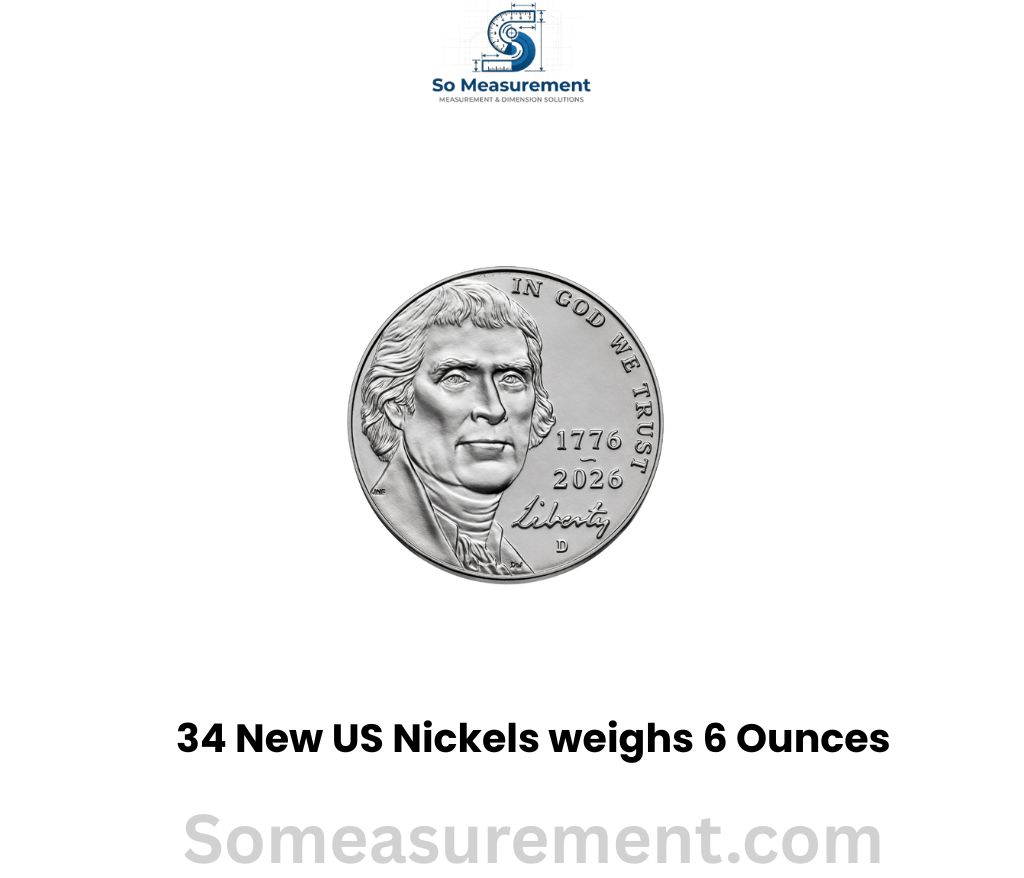
A standard US nickel weighs exactly 5.0 grams. That precision is set by the US Mint and stays consistent across every uncirculated coin produced. Multiply 5.0 by 34 and you get 170 grams — a mathematically clean conversion to 6 ounces with no rounding errors.
Stack 34 nickels in a cylinder and you’ve got yourself a surprisingly useful reference weight. It’s one of the few household items where the math is genuinely perfect. Old, worn nickels lose trace amounts of weight over time from circulation, so new or uncirculated ones give you the most accurate result.
4. 30 New US Quarters

The US Mint publishes that each modern quarter weighs exactly 5.67 grams. Thirty of them comes to 170.1 grams, which is as close to 6 ounces as any comparison in this article. The math is almost suspiciously tidy.
People actually use this in practice. If you need to calibrate a small kitchen or postal scale and you don’t have test weights, 30 quarters is a recognized workaround. It won’t satisfy a laboratory, but it’ll confirm whether your kitchen scale is reading in the right range. Stack them in groups of ten so you don’t lose count.
5. A 6 oz Can of Tomato Paste
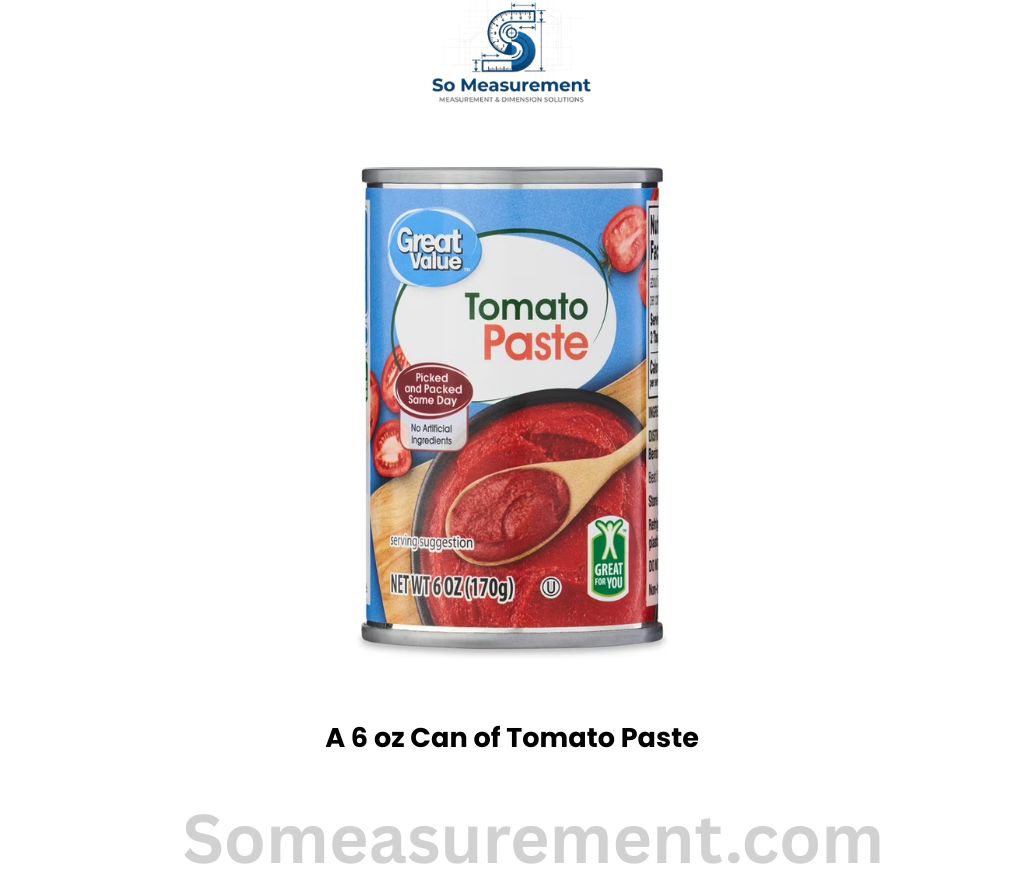
Those short, wide cans of tomato paste sitting on grocery store shelves — the ones you buy for pasta sauce or chili and always have three of in the back of the cabinet — are packaged at exactly 6 ounces of net food weight. Brands like Hunt’s have used this as a standard size for decades.
The can itself weighs more once you factor in the metal. But the product inside, the thick red paste that slides out in one stubborn chunk, is exactly 170 grams. It’s one of the most consistent food industry reference weights you’ll find in an average kitchen. Dense, compact, and instantly recognizable by size.
6. A 6 oz Can of Tuna
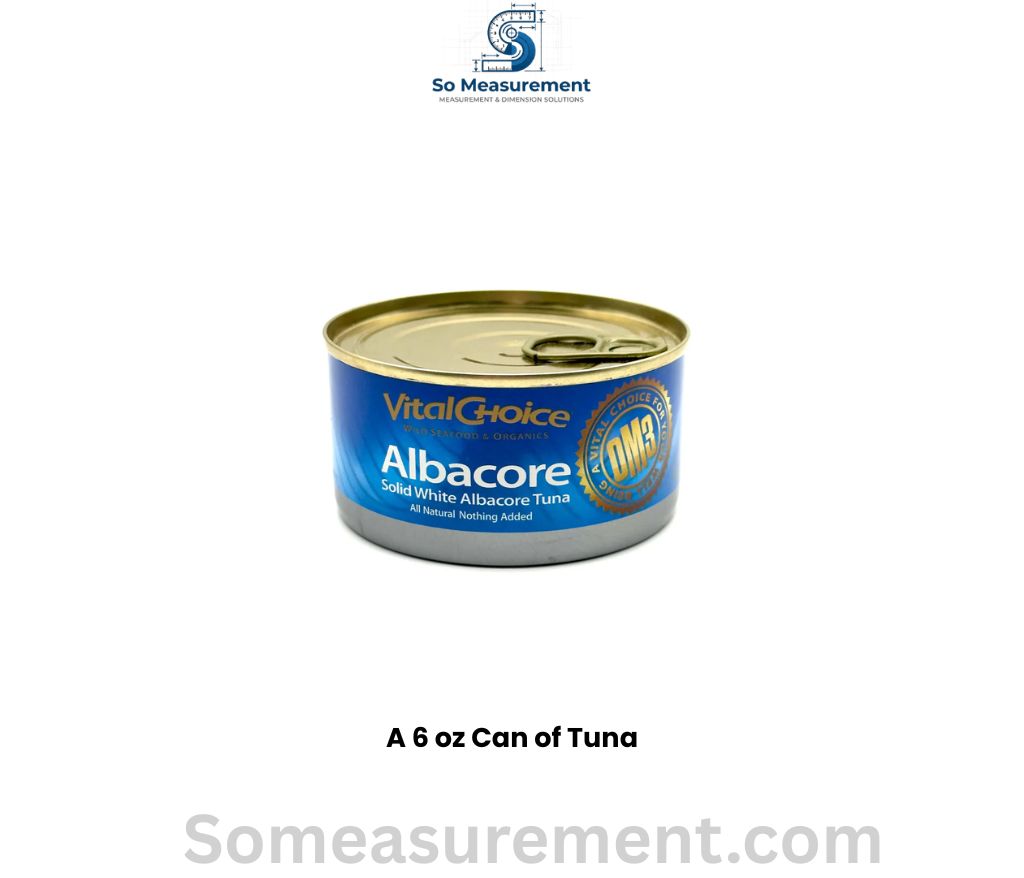
The small, single-serve tuna cans at any supermarket are filled and sealed to hold exactly 6 ounces of product. This size has been a staple of the canned goods industry for a long time. You’ll find it in nearly every grocery store in America, usually stacked in columns near the pasta aisle.
Pop the lid and drain the water or oil. What’s left in the can is your 170-gram reference. It holds comfortably in one hand, fits neatly in a palm, and has just enough density that you notice you’re holding something. For anyone tracking protein intake in grams, one of these cans is a near-perfect portioning tool.
7. A Standard Tube of Toothpaste
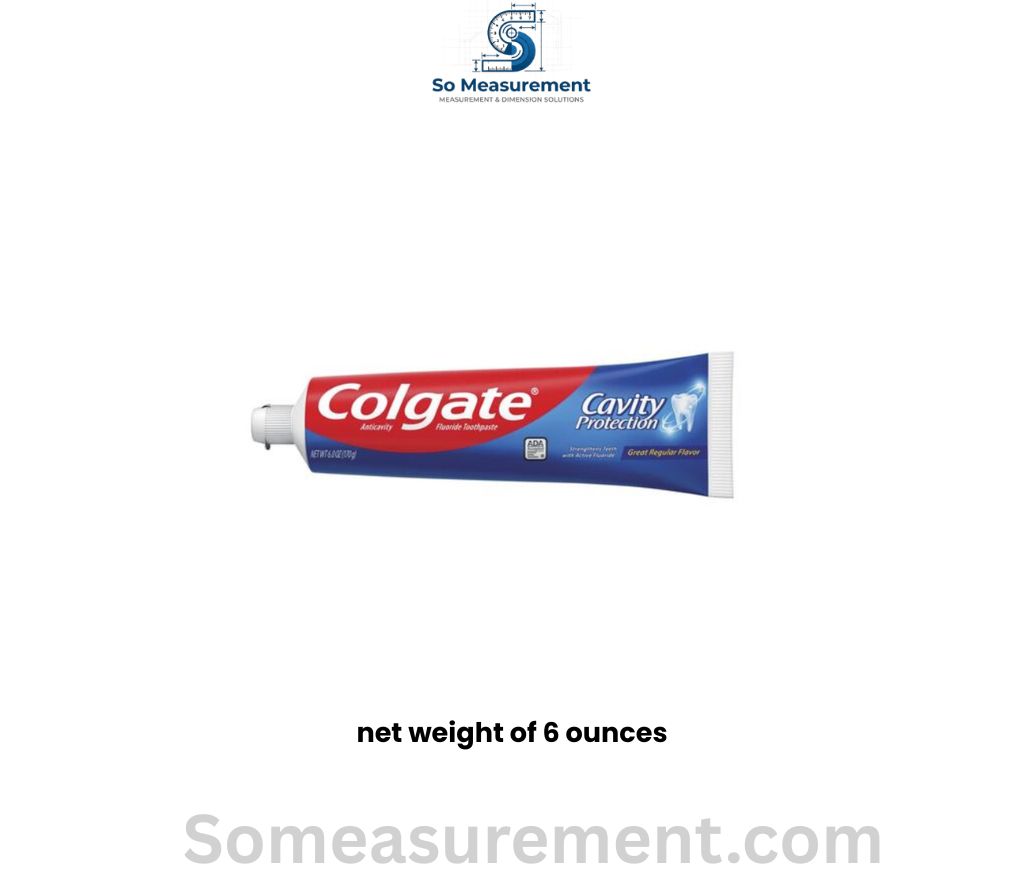
Family-sized retail toothpaste tubes — the ones that last your household several weeks before you’re squeezing from the bottom corners — are machine-filled to a net weight of 6 ounces. Flip over most standard-sized tubes from brands like Colgate or Crest and the back label confirms 170g.
The tube in your bathroom right now might be one of these. It feels firm and slightly heavy when full, flexible and light when nearly empty. A brand-new, unopened tube of toothpaste in this size is one of the most accessible 6-ounce references you can find at home, no specialty items required.
Read also: What Weighs 50 Pounds? 15 Everyday Things That Show You Exactly
8. Eight AA Batteries
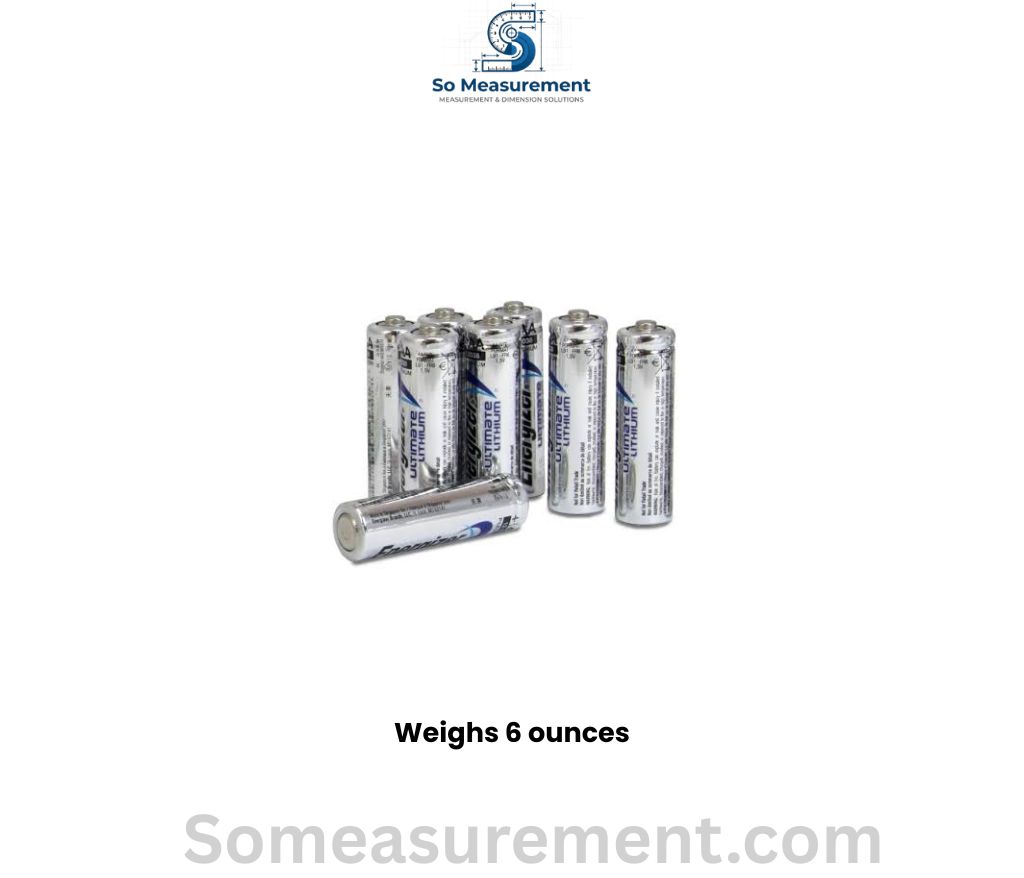
Standard alkaline AA batteries weigh approximately 23 grams each, depending on the brand and chemistry. Eight of them lands at around 184 grams, which puts it slightly above 6 ounces but close enough to use as a rough comparison. Lithium AA batteries run lighter, so a pack of those eight sits nearer to the 170-gram mark.
What makes this comparison interesting is how the weight distributes. Eight batteries in a pack feel heavy for their size because the weight is concentrated in a small footprint. Hold a pack of eight in your fist and you immediately understand why battery-powered devices need solid housing. It’s not quite 6 ounces, but it’s close enough to be a useful visual anchor.
9. A Standard Paperback Novel
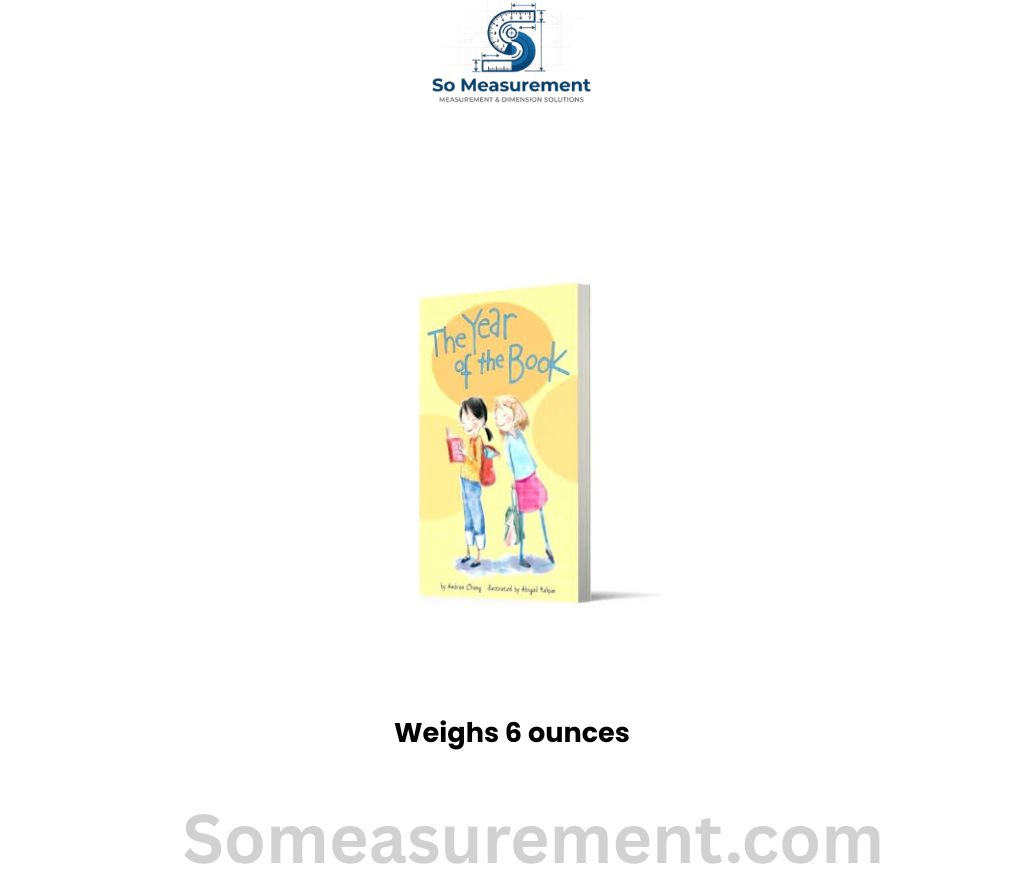
A mass-market paperback with roughly 200 to 250 pages sits right at the 6-ounce mark. Not a thick epic fantasy with 600 pages — a standard pocket-sized novel, the kind that fits in a jacket pocket or a small bag. Think of the books sold in airport shops or grocery store checkout lanes.
The weight varies slightly based on paper stock, cover thickness, and page count, but the 200-to-250-page range consistently hits around 170 grams. It’s light enough that you forget you’re holding it after a few pages, but substantial enough to feel like something real in your hand. A thin volume of short stories, a novella, or a mid-length thriller all tend to land right here.
10. An Official Billiard Cue Ball
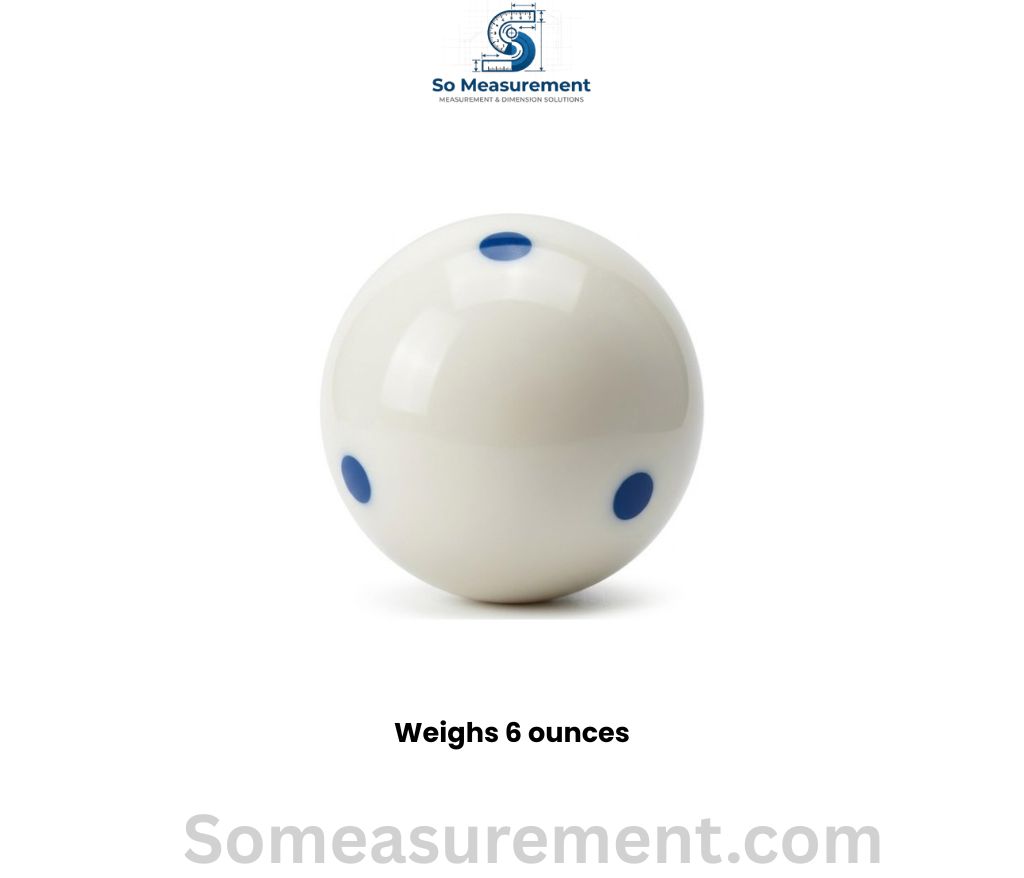
Tournament-grade cue balls used in competitive pocket billiards are engineered to weigh 6 ounces. This is a regulated specification. The ball must roll predictably, respond consistently to impact, and behave the same in every game. Weight is central to that consistency.
What’s fascinating about this comparison is how differently 6 ounces feels in a cue ball versus a t-shirt or a paperback. The same weight packed into a dense phenolic resin sphere about 2.25 inches in diameter feels substantial. Heavy for its size. Pick one up expecting something light and you’ll be surprised. That’s 170 grams of weight concentrated into a very small space, and it changes your perception of the number entirely.
11. A Small Can of Pitted Black Olives
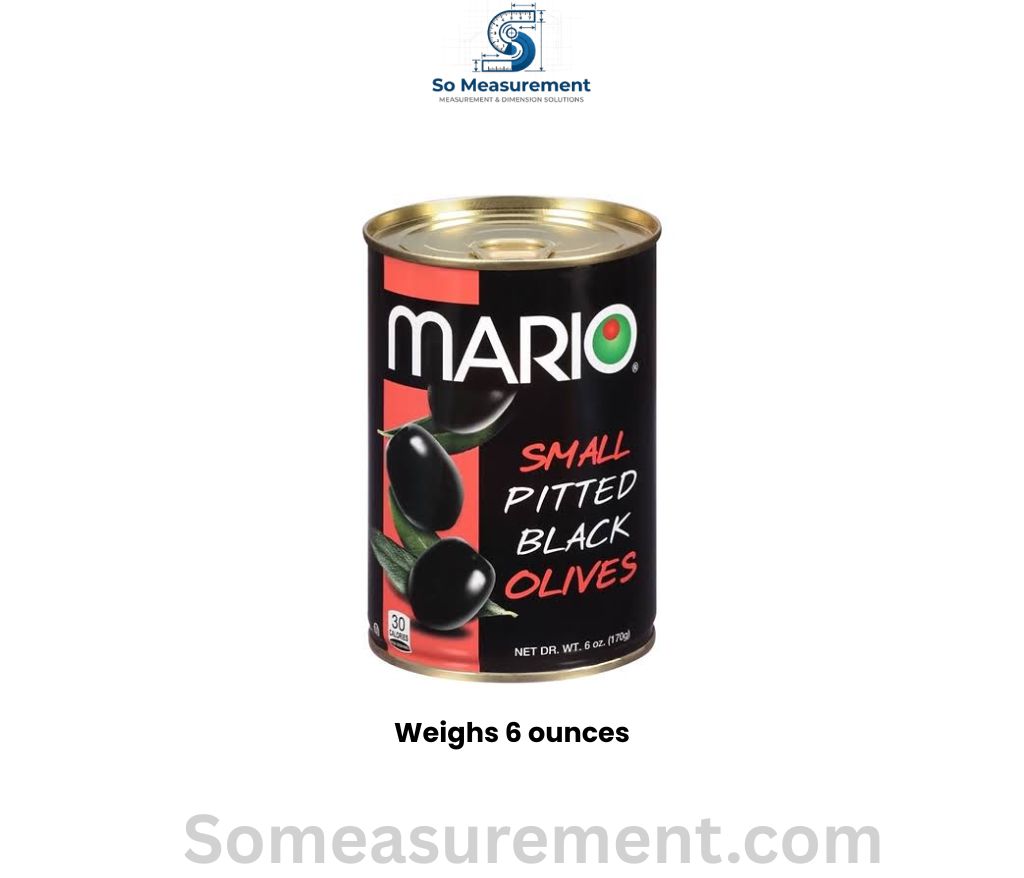
Standard small cans of pitted black olives in grocery stores list a net drained weight of 6 ounces. The “drained weight” matters here. The olives themselves, without the liquid they’re packed in, come to exactly 170 grams. The total can with liquid weighs more, but the olives are your 6-ounce reference.
These small cans are common enough that you’ve probably opened one for a pizza topping or a charcuterie board without ever noticing the label. The olives are soft, oily, and a little slippery — completely different texture than a cue ball or a stack of coins, but exactly the same weight. That’s the thing about 6 ounces: it shows up in wildly different forms all around you.
Read more: 11 Daily-Use Items That Weigh 500 Grams
Measuring 6 Ounces Without a Scale
For liquids, fill a measuring cup to the ¾ line. That’s 6 fluid ounces. No math needed.
For tablespoons, count out 12 level spoonfuls. This works for liquids, sauces, oils, and anything pourable.
For weight comparisons, use 30 US quarters as your reference weight. They total 170.1 grams. Hold your item in one hand and the quarters in the other. If they feel the same, you’re at 6 ounces.
For a rough visual, a small tuna can or tomato paste can in your hand is your fastest real-world anchor. Most households have one or both.
Where People Go Wrong with 6 Ounces
Confusing weight and fluid ounces. This is the most common mistake, and it’s an easy one. “6 oz of sour cream” means weight. “6 oz of lemon juice” almost always means fluid volume. The units look identical but measure completely different things. When a recipe isn’t specific, check whether the ingredient is solid or liquid. That usually tells you which ounce they mean.
Assuming dry cup measurements scale evenly. Six ounces of oats and 6 ounces of sugar occupy completely different volumes. People who measure dry ingredients by cups instead of weight often end up with too much or too little, especially in baking where ratios matter.
Using old coins for weight calibration. Coins lose trace amounts of weight through everyday wear. If you’re using quarters or nickels to calibrate a kitchen scale, use new or uncirculated ones for the most accurate result.
Bottom Line
Whether you’re cooking, shipping, or just trying to make sense of a label, 6 ounces is a remarkably practical number once you know how to read it. The key is knowing which ounce you’re dealing with — weight and fluid ounces look identical on paper but measure entirely different things.
When in doubt, grab a kitchen scale and aim for 170g. Or reach for a standard tuna can, a tube of toothpaste, or 30 quarters — all sitting at exactly that mark. For liquids, ¾ cup gets you there every time.
Six ounces isn’t a complicated measurement. It just needs the right context to make sense.

Lev is passionate about helping readers understand sizes and dimensions of everyday objects. With a focus on clarity and practical examples, Lev shares accurate, trustworthy insights that make measurements relatable, useful, and easy to visualize for everyone.