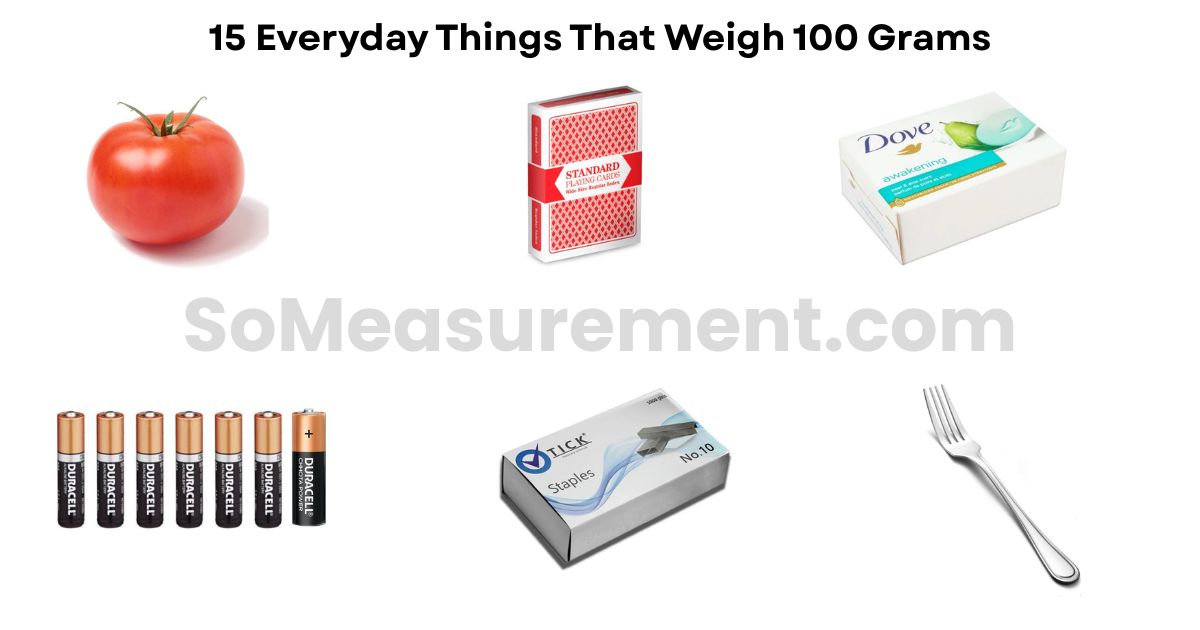
100 grams is not a dramatic weight. It won’t strain your wrist. It won’t make your bag noticeably heavier. But it’s real — solid enough to feel, light enough to ignore. That’s exactly why people struggle to picture it.
Here’s the thing: you’ve already touched 100 grams multiple times today. The soap in your shower, the fruit on your counter, the fork you used at breakfast — these are all sitting right at that mark. You just didn’t know it.
What Weighs 100 Grams?
100 grams is one-tenth of a kilogram. In imperial terms, it’s about 3.53 ounces — slightly less than the weight of a baseball. On nutrition labels, it’s the universal serving size base: when a package says “per 100g,” it means everything is calculated from that single reference point so you can compare products fairly.
It’s not a tiny weight. It’s not a heavy one either. It lives right in that middle zone — the zone your hand recognizes but your brain never bothered to label.
15 Daily-Use Things That Weigh 100 Grams
| Object | Category | Weight |
| Dove Soap Bar | Personal Care | 100g |
| Chocolate Bar | Food | 100g |
| Medium Tomato | Fruit & Vegetables | 100g |
| Deck of Playing Cards | Household | 100g |
| 20 UK 20p Coins | Currency | 100g |
| 100 U.S. Dollar Bills | Currency | 100g |
| 3/4 Cup Flour | Baking Ingredient | 100g |
| 5 Slices of Bread | Food | 100g |
| Large Kiwi Fruit | Fruit | 100g |
| Spice Packet | Kitchen Item | 100g |
| 20 Sheets A4 Paper | Office Supply | 100g |
| 7 AAA Batteries | Electronics | 100g |
| Stainless Steel Fork | Kitchen Utensil | 100g |
| Small Decorative Candle | Home Decor | 100g |
| Small Box of Staples | Office Supply | 100g |
1. A Standard 100g Chocolate Bar
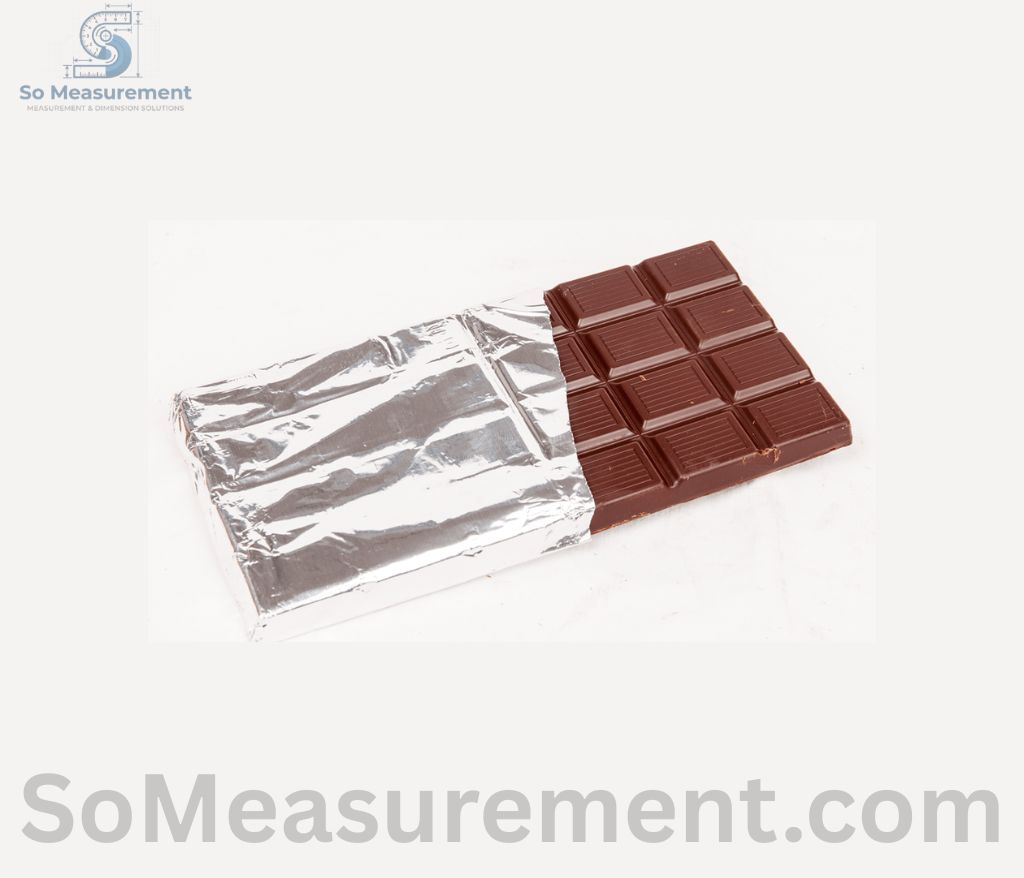
This one barely needs explanation — the weight is printed right on the wrapper. A full-size chocolate bar at 100g is dense and compact. Pick it up and it feels heavier than its small footprint suggests because chocolate is pressed with very little air inside.
It’s also one of the most available food references on the planet. Cadbury, Lindt, Nestlé — almost every major brand sells a 100g bar. If your kitchen scale needs a quick test, this is your easiest checkmark.
2. Twenty UK 20-Pence Coins
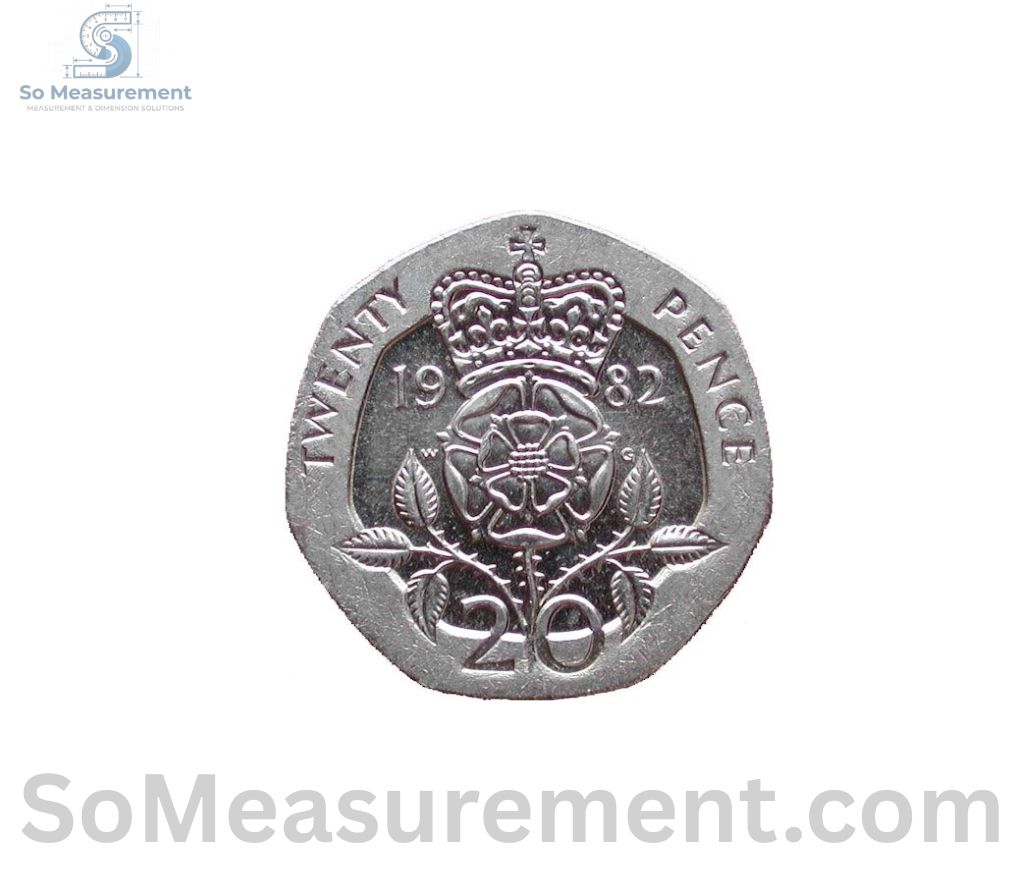
Each British 20p coin weighs exactly 5 grams — a specification held to tight tolerances by the Royal Mint. Twenty of those coins weigh precisely 100 grams, which makes this one of the most accurate non-scale references on this entire list.
The pile of coins feels chunky and irregular because of the heptagonal (seven-sided) shape, but the weight is consistent. UK households can use this to test a kitchen scale for accuracy — if the scale doesn’t read exactly 100g for twenty 20p coins, the scale needs calibration.
3. One Medium Tomato
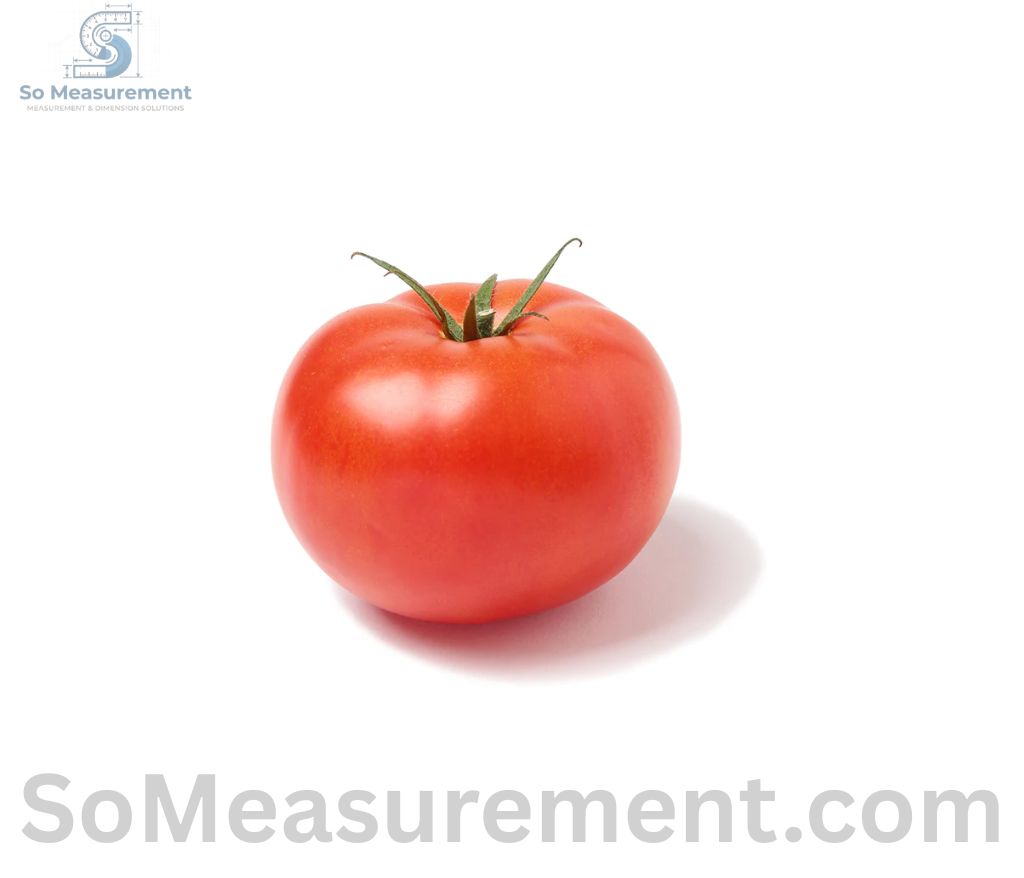
Not the tiny cherry kind. Not the giant beefsteak. The standard slicing tomato you’d cut for a sandwich — that one weighs right around 100 grams. Its skin is taut, flesh is firm, and the weight feels slightly front-heavy when you cup it from below.
This matters for cooking. When a recipe calls for 100g of fresh tomato, you don’t need a scale. Grab one medium tomato and you’re already there. The water content inside (around 95%) is what pushes it to that weight despite looking relatively small.
4. A Deck of Playing Cards
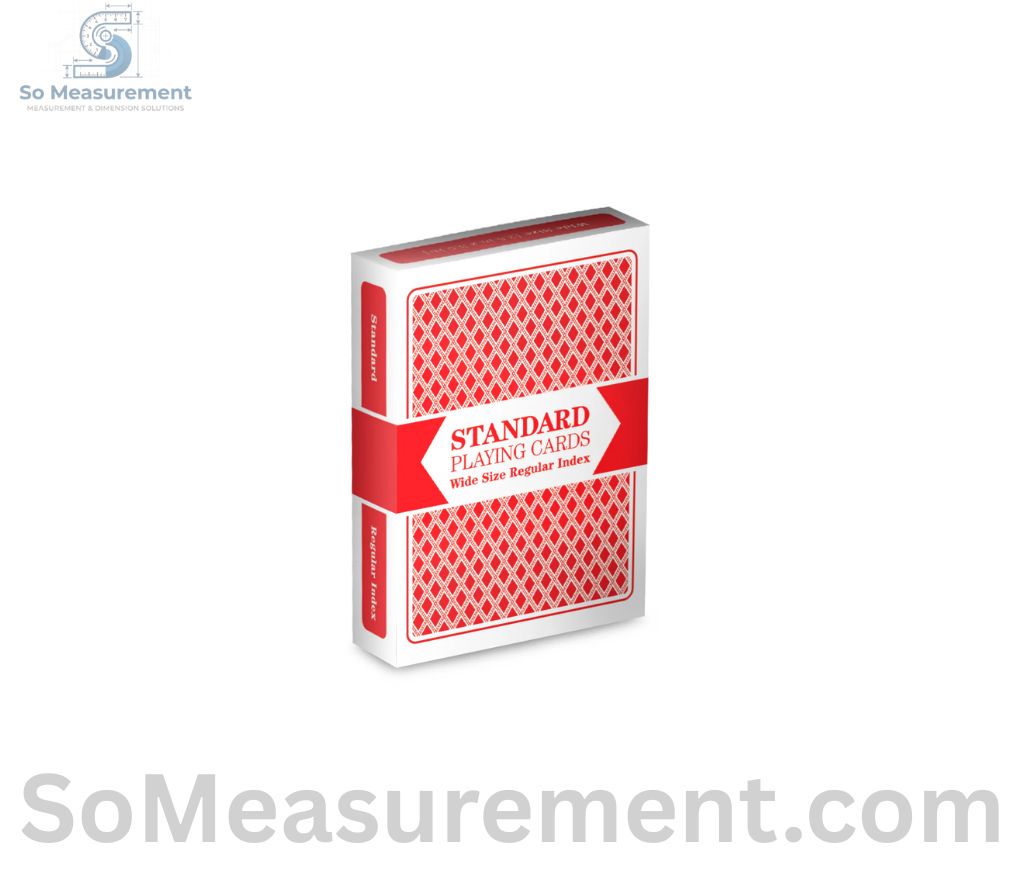
This surprises almost everyone. A full 52-card deck with jokers and box lands close to 100 grams. The box looks thin and lightweight, but coated paper is denser than plain paper — stack 54 of those sheets together and the weight adds up fast.
Hold the deck in your fist and give it a firm squeeze. That tight, compact resistance is 100 grams behaving like a solid object. Card players handle this weight constantly. Magicians know it by muscle memory. Most people just call it “the cards.”
5. A New Bar of Dove Soap
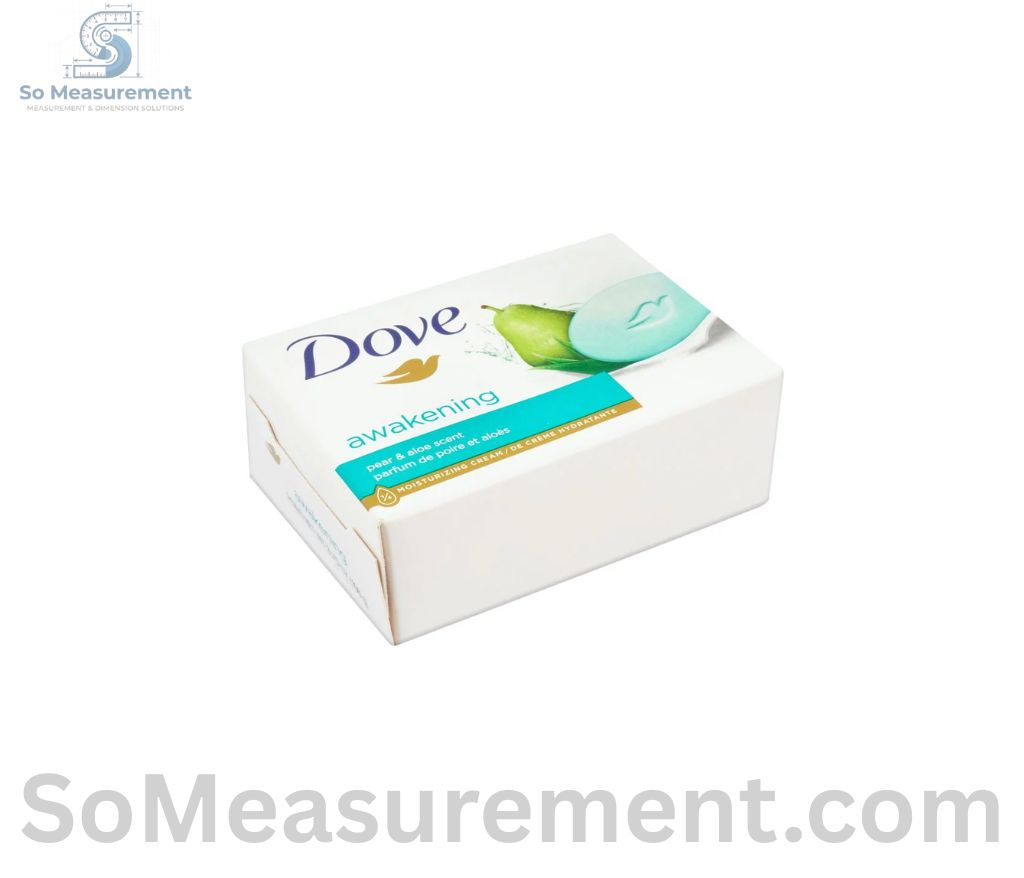
Before it ever touches water, a fresh Dove beauty bar weighs right around 100 grams. Hold one in your palm and you’ll feel exactly what this weight means — it settles without effort, sits flat, and has that satisfying density of something compressed rather than hollow.
The weight comes from the moisturizing cream blended into the soap base. It’s not airy like foam or light like a travel-size product. It’s a full, mature block. Most people grab it daily without a second thought, which makes it one of the most honest weight references in your entire house.
6. 100 U.S. Dollar Bills

Every U.S. banknote weighs exactly 1 gram — this is set by the Bureau of Engraving and Printing and stays consistent across all denominations. One hundred bills, regardless of whether they’re ones or hundreds, weigh exactly 100 grams.
The stack is roughly 1 centimeter thick and feels firm when pressed between the fingers. This is a well-known reference among bank tellers and cash handlers who count by weight rather than by hand for large volumes. It’s precise, repeatable, and requires zero equipment.
7. Three-Quarters Cup of All-Purpose Flour
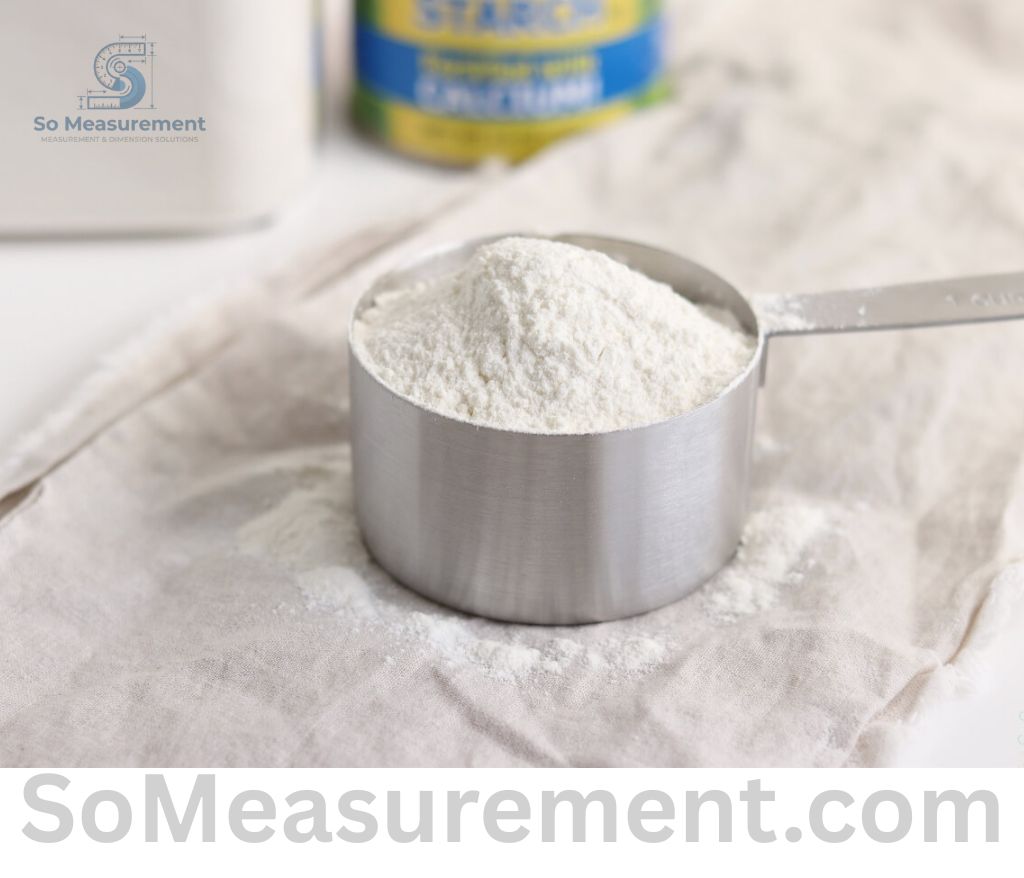
When someone asks how much is 100g in cups — the answer depends entirely on the ingredient. For all-purpose flour, measured using the spoon-and-level method (not scooped directly from the bag), three-quarters of a cup lands right at 100 grams.
Scooping directly compresses the flour and adds 10–20% more weight than intended, which is exactly why baking recipes go wrong. If you don’t have a scale, spoon the flour loosely into your measuring cup and level it flat. That’s your 100g mark.
8. Five Slices of Sandwich Bread
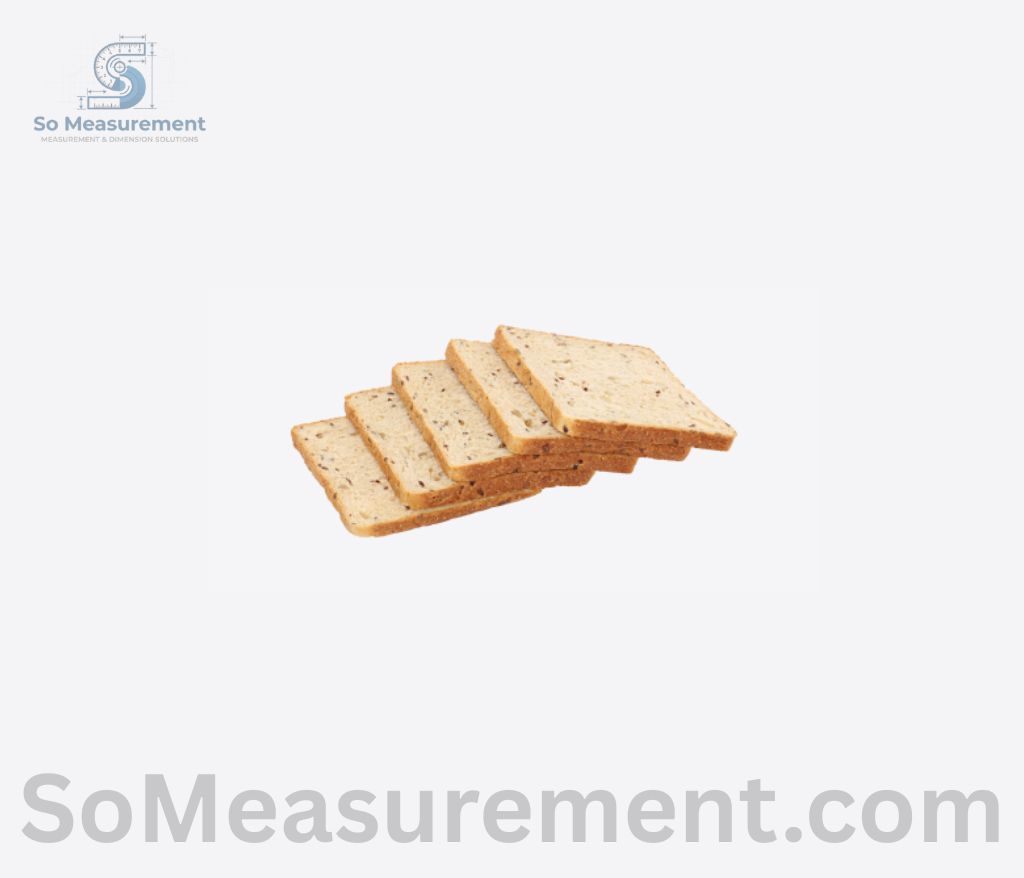
A single slice of standard white sandwich bread weighs around 20 grams. Five slices put you right at 100 grams — and this is where it gets interesting, because five slices of bread feel almost weightless. They’re soft, full of air pockets, and compress easily under fingers.
But put them on a scale and they read true. The deception is all texture. Bread’s low density tricks your hand into underestimating it. This makes it one of the better teaching examples for understanding the difference between volume and mass.
9. A Large Kiwi Fruit
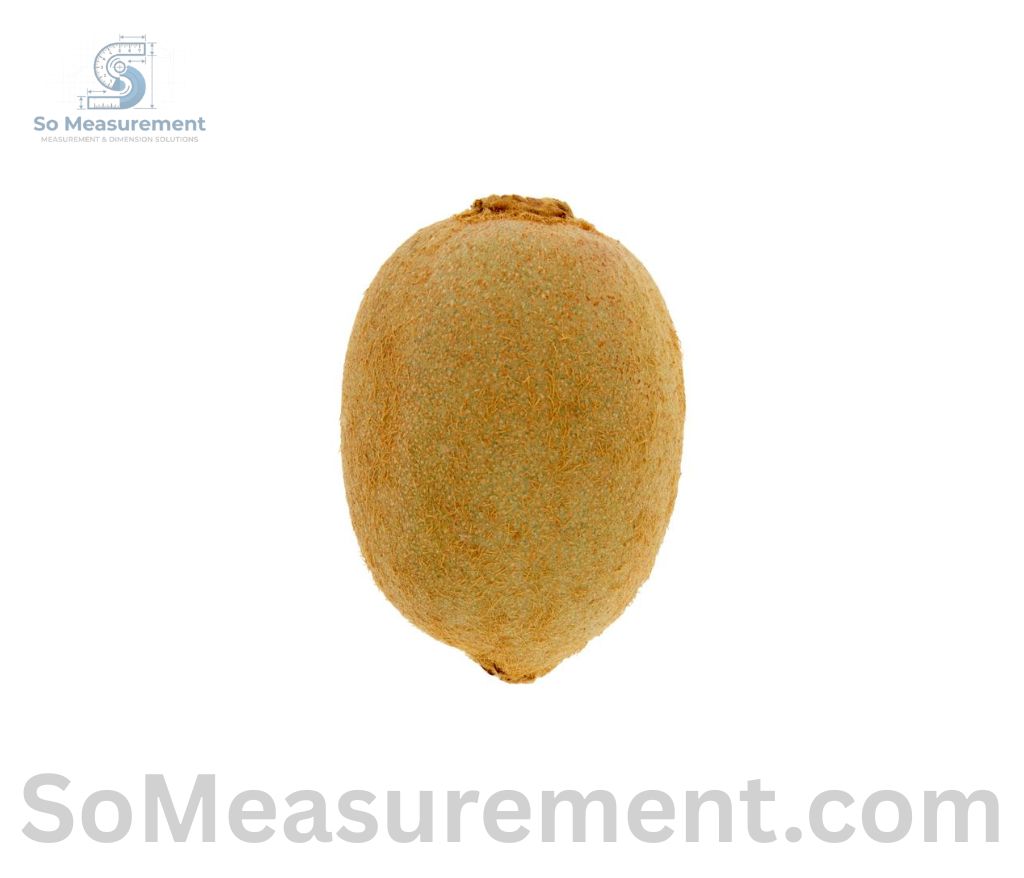
A large kiwifruit sits between 100 and 120 grams. Its rough, fuzzy skin makes it feel like it should weigh less than it does — but kiwi flesh is dense and carries a high water load (roughly 84% water by weight). Cup one from below and you’ll feel the weight settle toward the bottom.
From a nutrition standpoint, 100 grams of kiwi is almost exactly one large fruit — which is why food databases and diet apps use a single kiwi as their default serving size for this fruit. No guessing required.
10. A Small Spice Packet
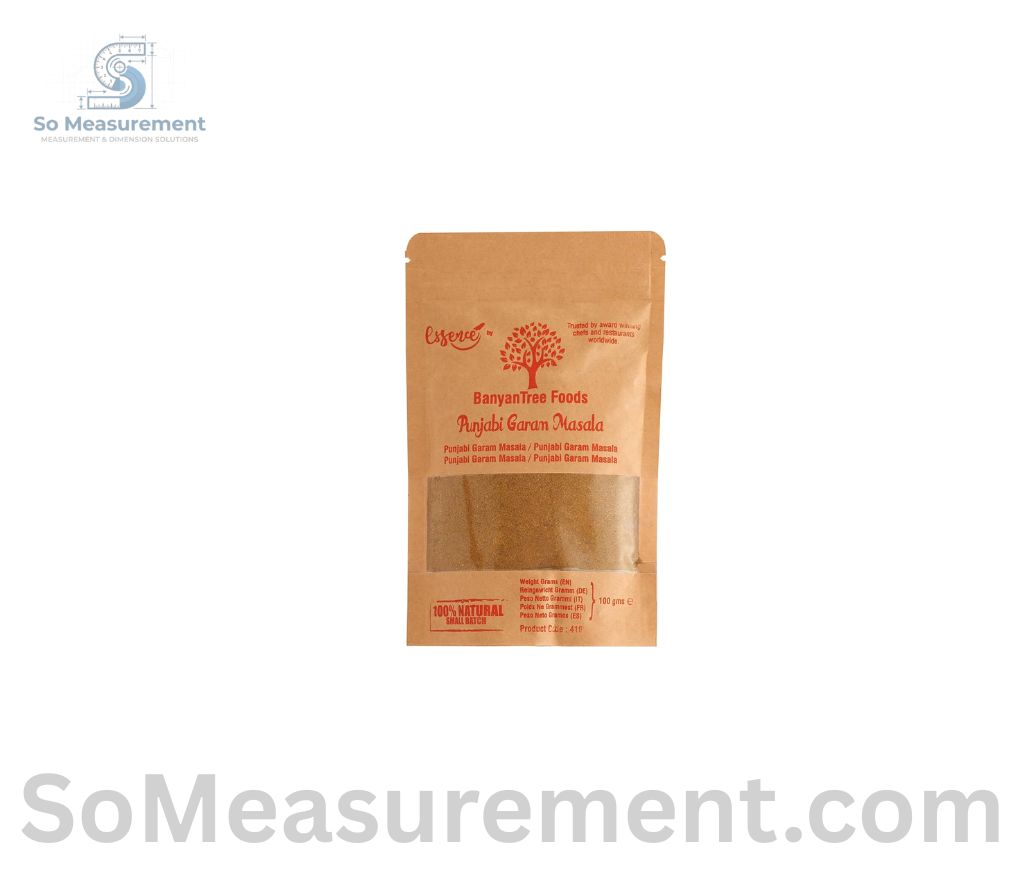
Walk down any spice aisle and check the labels. Paprika, cumin, turmeric, coriander — a large number of these are sold in 100-gram packets. Ground spice feels unexpectedly heavy for its container size because the powder packs tightly with almost no air gap.
Squeeze the packet gently and it resists. The weight is distributed evenly across the flat pack. For cooks who don’t keep a scale on the counter, a sealed 100g spice pack is a reliable weight reference hiding in plain sight inside the kitchen cabinet.
11. Twenty Sheets of A4 Printer Paper
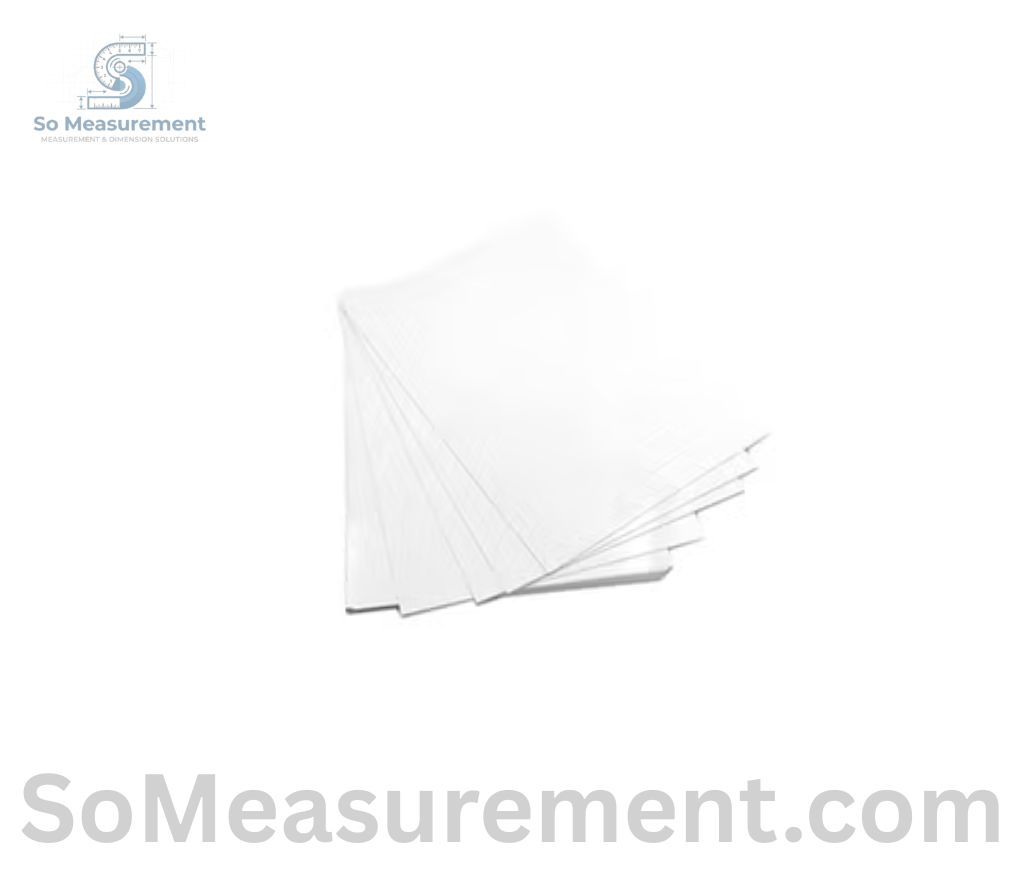
Standard office A4 paper is made at 80 grams per square meter — that’s the “80 gsm” printed on most paper reams. One sheet weighs exactly 5 grams. Twenty sheets hit 100 grams without deviation.
The stack looks almost nothing. Maybe 2mm thick. But pick it up and you feel a clean, flat, oddly satisfying weight — no give, no bounce, just paper doing what paper does. This is one of the most precise natural references on this list because the weight is controlled at the manufacturing level.
12. Seven AAA Batteries
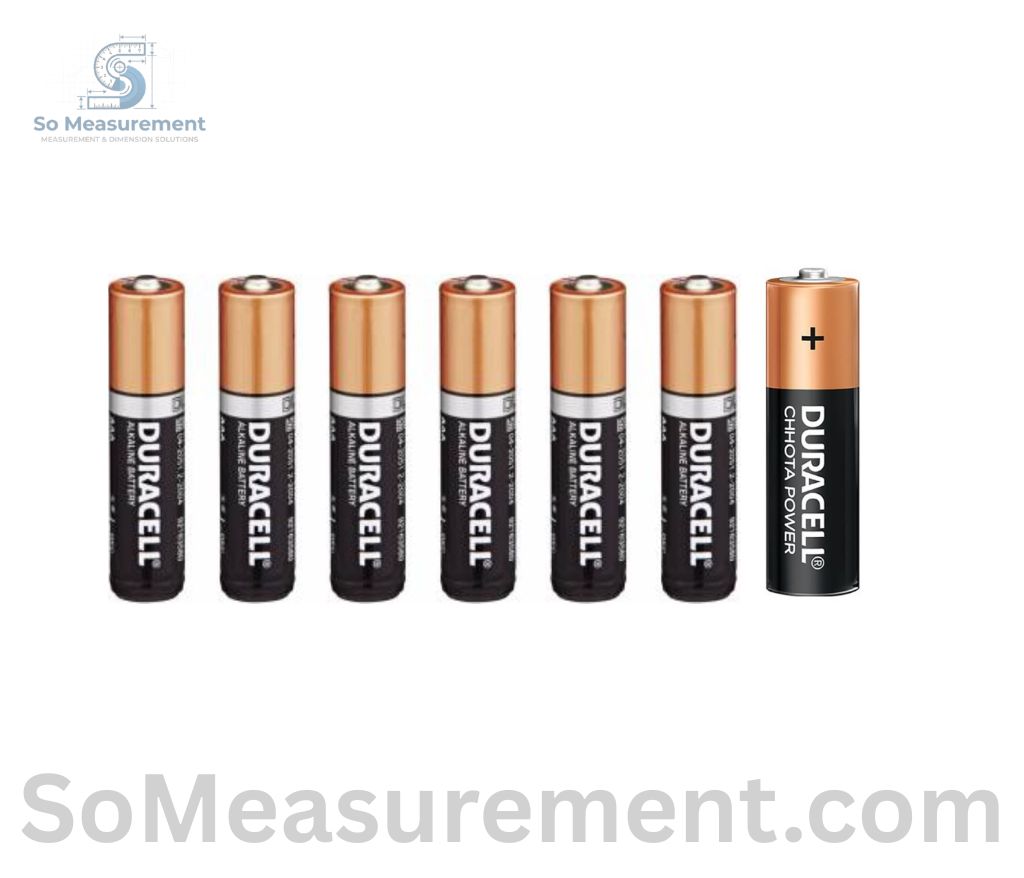
How many AAA batteries weigh 100 grams? Roughly seven. A single AAA battery weighs between 11.5 and 12 grams depending on brand and chemistry (alkaline vs. lithium). Seven batteries sit at 80–84 grams, and eight bring you to 92–96 grams — close enough to use as a practical reference.
Line them up in your hand side by side and they span most of your palm. The metal casing gives them a cool, firm feel with zero flex. Anyone who regularly loads remote controls or wireless devices handles this weight without thinking about it.
13. A Standard Stainless Steel Dinner Fork
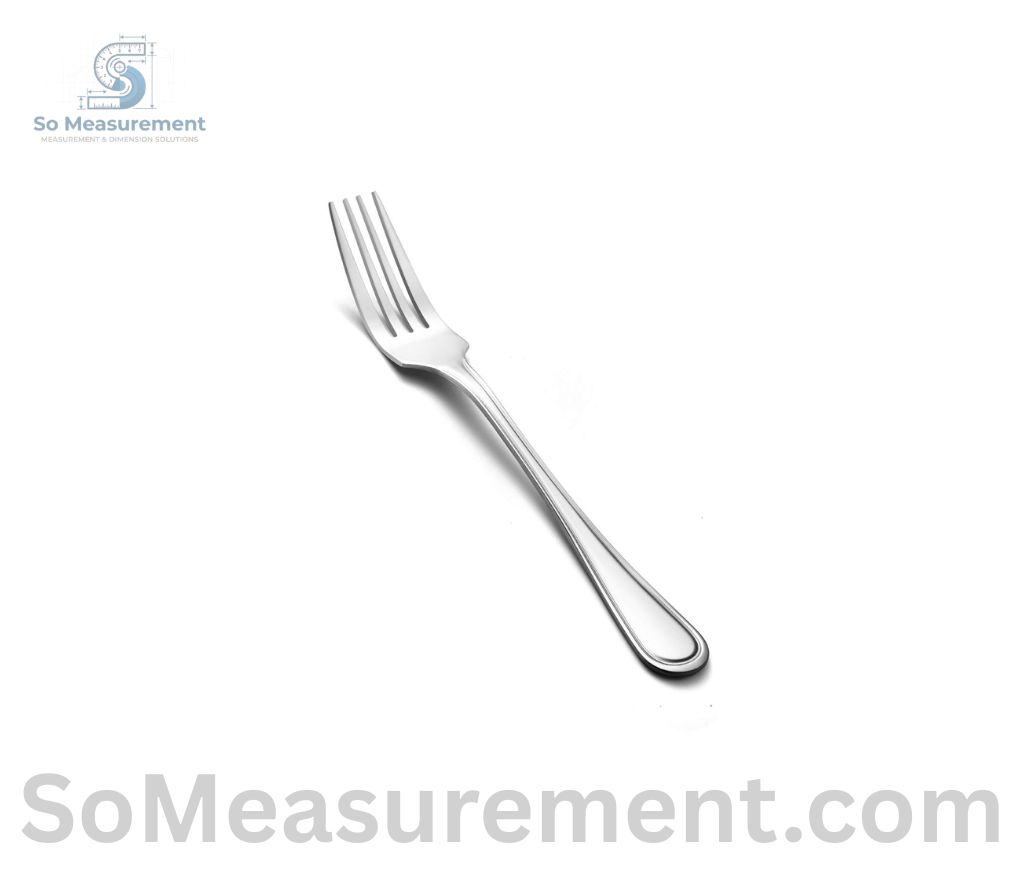
Restaurant-grade stainless steel forks — the heavier kind, not the thin ones from a cheap set — weigh between 85 and 100 grams. The weight sits at the base end of the handle, giving the fork a back-heavy balance when held loosely.
You’ve gripped this weight hundreds of times at dining tables. The difference between a cheap fork and a quality one is often just grams — but those grams are what makes one feel like a tool and the other feel like a toy.
14. A Small Decorative Candle
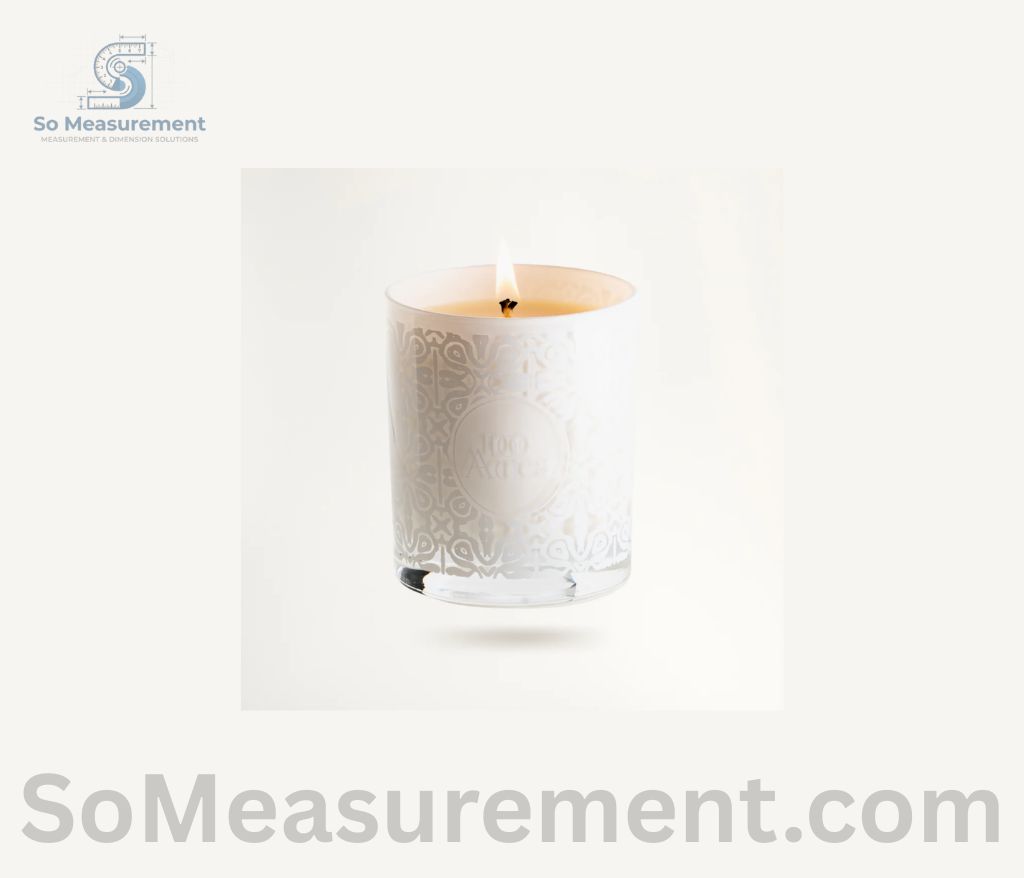
Small pillar candles and travel-size jar candles frequently land near 100 grams. Wax is denser than most people assume — it’s not as heavy as metal, but it’s far heavier than plastic or foam. A 100g candle feels cool, solid, and slightly smooth under your thumb.
Candle makers work in these weight units constantly. When pouring wax, 100 grams is a common starting batch size for testing new scents in small containers. For home buyers, most “mini” or “votive” style candles sold individually fall right in this range.
15. A Small Box of Staples
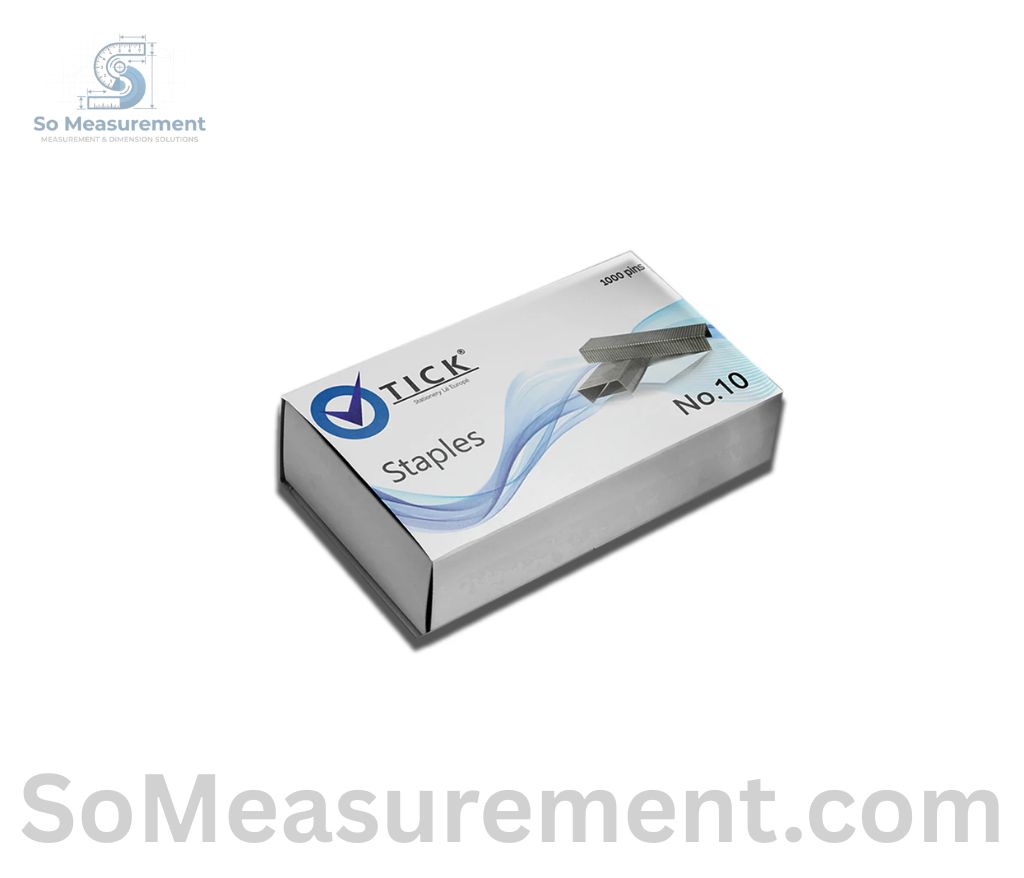
A half-strip or desktop staple refill box — not the large commercial packs — frequently weighs at or near 100 grams. Steel staples are tiny but dense. A few hundred of them packed into a cardboard box add up quickly.
Pick one up and it feels heavier than the box size suggests. The weight is uniform throughout because the staples are tightly arranged with no wasted space inside. Office workers reload staplers with these constantly and never notice the weight, but it’s there every time.
How to Measure 100 Grams Without a Scale
Three methods that actually work:
Water method — 100 milliliters of plain water weighs exactly 100 grams. Pour 100ml into any container using a measuring cup, then feel that weight. This is your most accurate no-scale option.
The chocolate bar check — Any 100g chocolate bar (labeled clearly on the wrapper) gives you a direct physical reference. Hold your ingredient alongside it and compare feel and density.
Spoon method for flour or sugar — For flour, three-quarters of a measuring cup (spoon-and-level method) lands at 100g. For granulated sugar, just under half a cup hits the same mark.
The Density Problem Nobody Mentions
Five bread slices and one large kiwi both weigh around 100 grams. But one feels like air and the other feels like a small stone. That gap between feel and actual weight is density doing its work — and it’s the reason people consistently underestimate foods with high water content and overestimate things like bread, foam, or soft packaging.
Once you understand this, portion estimating by hand gets significantly more accurate. Dense foods — meat, fruit, coins, wax — pack more grams into less space. Light-feeling foods — bread, flour, leafy greens — need more volume to reach the same weight.
Read more:
11 Daily-Use Items That Weigh 500 Grams
15 Daily-Use Things That Measure 13 Inches Long or Big
Frequently Asked Questions
What is the easiest way to picture 100 grams at home?
A fresh bar of soap or a standard 100g chocolate bar is usually the simplest reference. Both are common household items and feel close to the true weight without needing a kitchen scale.
Does 100 grams always feel the same in your hand?
No. Two objects can weigh exactly the same but feel completely different. A kiwi feels heavier because it is dense and full of water, while bread feels lighter because it contains a lot of air.
Can I measure 100 grams without a scale?
Yes. One of the easiest methods is using water. Since 100 milliliters of water weighs exactly 100 grams, you can use a measuring cup for a quick estimate.
Why do food labels use 100g as a standard?
Using 100g makes it easier to compare products fairly. You can quickly check protein, sugar, fat, or calories between foods without calculating different serving sizes.
Are coins reliable for checking weight?
They can be surprisingly accurate. For example, twenty UK 20-pence coins or twenty U.S. nickels weigh close to 100 grams because coins are made with strict manufacturing standards.
Quick test: pick up a fresh bar of soap with one hand and five slices of bread with the other. Both are near 100 grams. One feels like something. The other barely registers. That’s density — and now you’ll notice it everywhere.

Lev is passionate about helping readers understand sizes and dimensions of everyday objects. With a focus on clarity and practical examples, Lev shares accurate, trustworthy insights that make measurements relatable, useful, and easy to visualize for everyone.