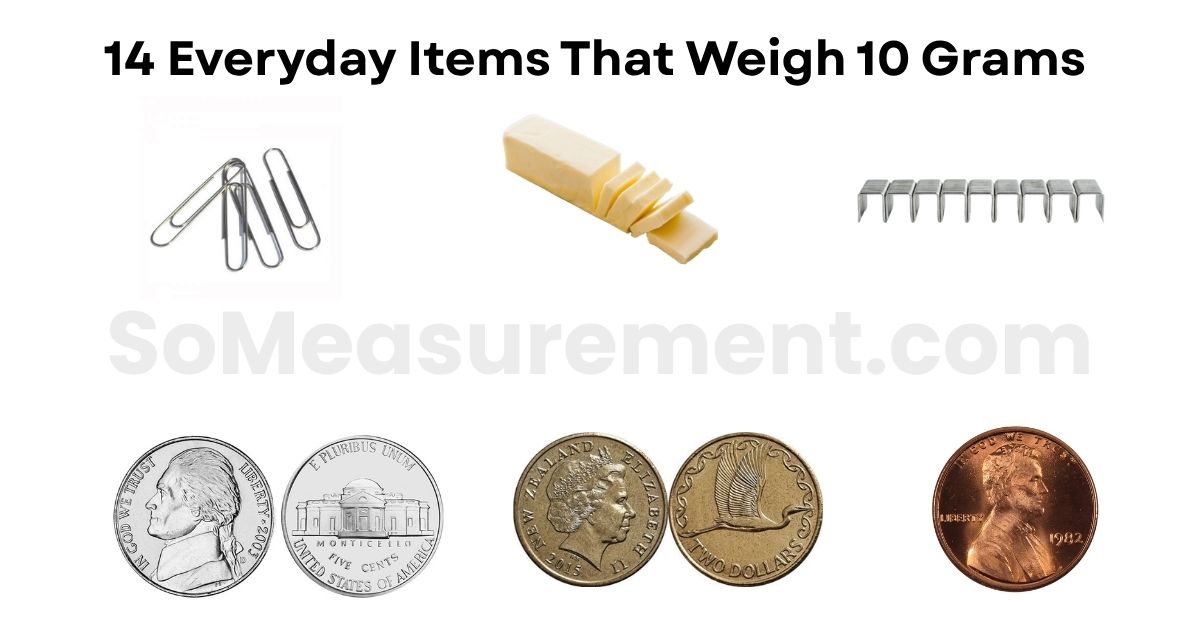
10 grams is small—but not meaningless. It’s the kind of weight you barely notice in your hand, yet it can matter a lot in cooking, gold, or daily use. Understanding 10 grams in real life helps you stop guessing and start seeing it clearly.
How Much Is 10 Grams?
One gram is one-thousandth of a kilogram. So 10 grams = 0.01 kg. Clean, simple math. In ounces, it comes out to about 0.353 oz — well under half an ounce. In pounds, it’s 0.022 lb, which barely registers on a bathroom scale.
For South Asian readers especially: 10 grams equals exactly 1 Tola. This isn’t an approximation. One tola was formally standardized at 11.664 grams under British India, but the modern tola used in gold trading across Pakistan, India, and Bangladesh is pegged at exactly 10 grams. Walk into any jewelry shop and ask for “ek tola” of gold — that’s what you’re getting.
| Unit | Value |
| Kilograms | 0.01 kg |
| Milligrams | 10,000 mg |
| Ounces | 0.353 oz |
| Pounds | 0.022 lb |
| Tola (modern) | 1 Tola |
How many 10-gram portions in 1 kilogram? Exactly 100. A full kilo divided into 10-gram servings gives you a clean hundred. Useful to know if you’re portioning coffee, spices, or protein powder from bulk bags.
What Does 10 Grams Look Like? 14 Real Objects That Prove It
Numbers alone don’t build understanding. These 14 objects do.
| Object | Category | ~Weight |
| Two US Nickels | Coins | 10.0 g (exact) |
| Four Post-1982 Pennies | Coins | 10.0 g (exact) |
| Ten US Dollar Bills | Currency | ~10 g |
| NZ $2 Coin | Coins | 10.0 g (exact) |
| 10 mL of Water | Liquid | 10.0 g (exact) |
| Seven Paper Clips | Office | ~9.8 g |
| Two Tsp of Sugar | Kitchen | ~10 g |
| Two Chocolate Squares | Food | 10.0 g (exact) |
| Ten Medium Raisins | Food | ~10 g |
| Two Birthday Candles | Household | ~10 g |
| Five Rubber Bands | Office | ~10 g |
| Half-Strip of Staples | Office | ~10 g |
| 1 Dekagram Weight | Calibration | 10.0 g (exact) |
| Thin Slice of Butter | Kitchen | ~10 g |
1. Two US Nickels
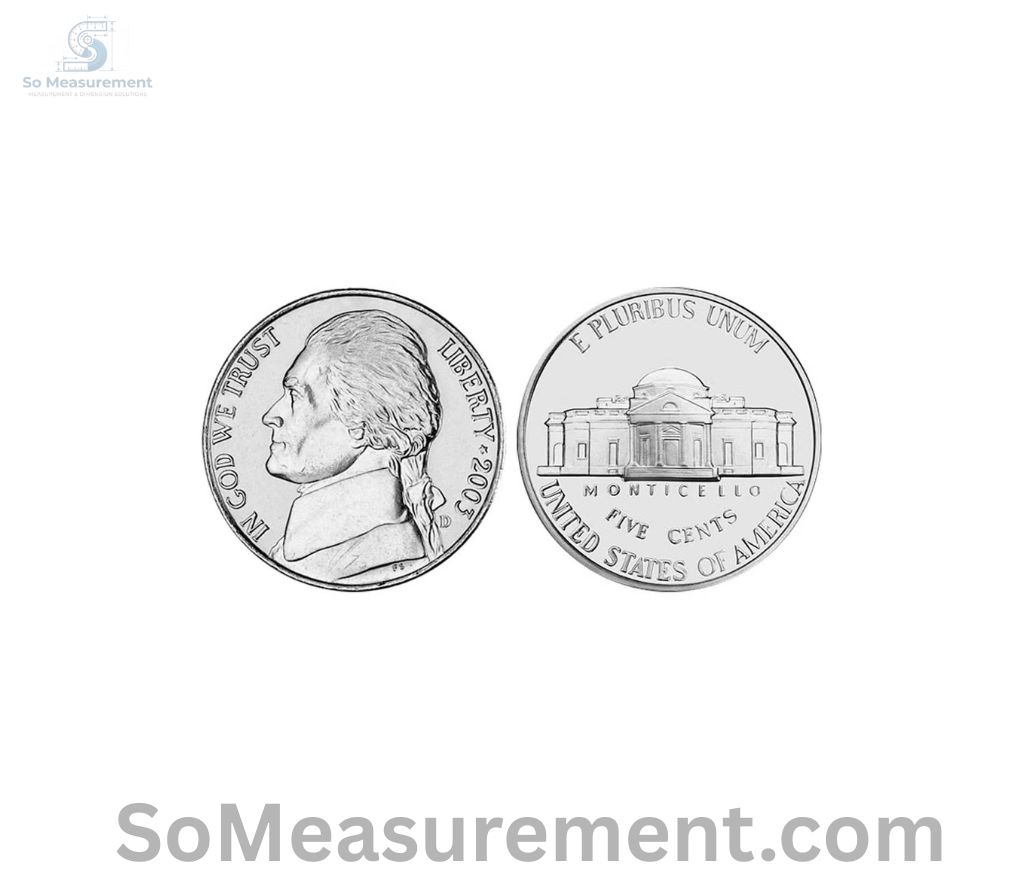
This is the gold standard of 10-gram references — literally government-certified. The US Mint produces every nickel to weigh exactly 5.000 grams, held to tight production tolerances. Stack two of them on your palm and you’re holding a verified, officially documented 10 grams. No estimation involved.
What makes this special is the density. Two nickels feel more substantial than their weight suggests — small, cold, compact. That contrast is exactly what 10 grams feels like when it’s packed into metal versus spread across something larger.
2. Four Post-1982 US Pennies
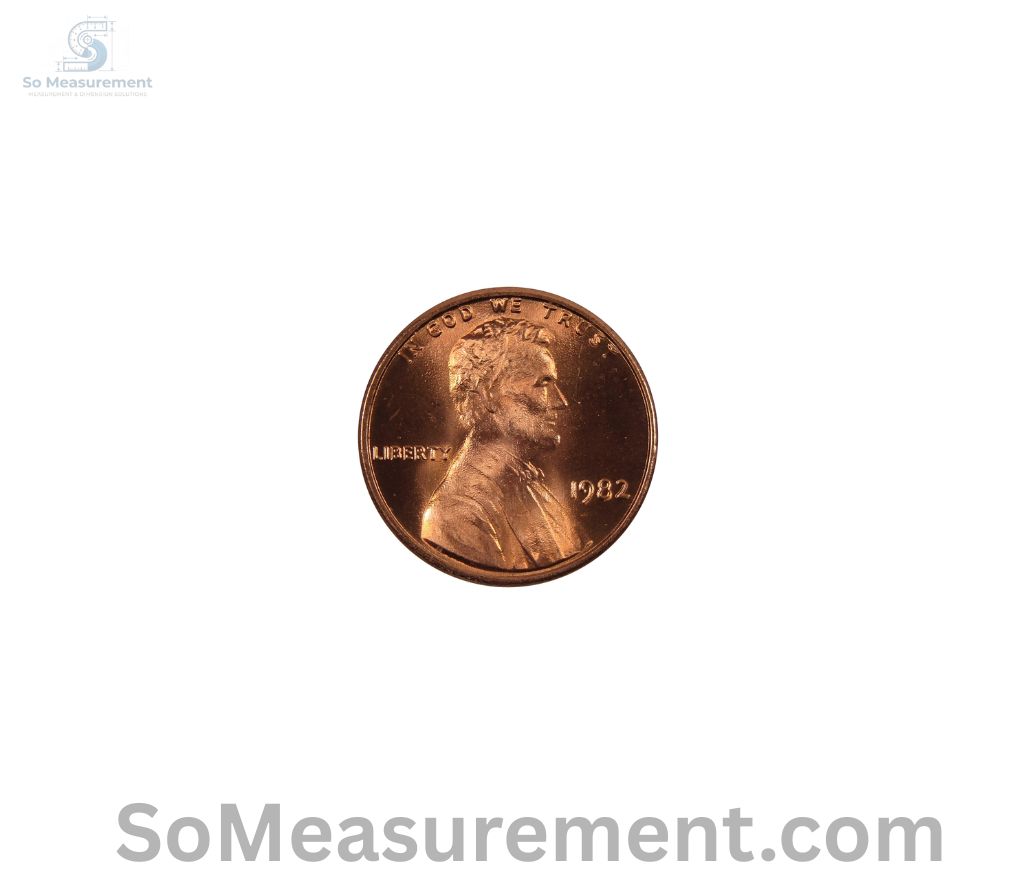
In 1982, the US Mint changed the composition of the penny from 95% copper to copper-plated zinc, which dropped its weight from 3.1 grams to exactly 2.5 grams. Four of these newer pennies land precisely at 10 grams.
This matters more than people realize. If you grab a handful of random pennies and use this method, pre-1982 coins will throw off your count — four of those would give you 12.4 grams instead. Check the year stamped on the face before relying on this as a reference weight.
3. Ten US Dollar Bills
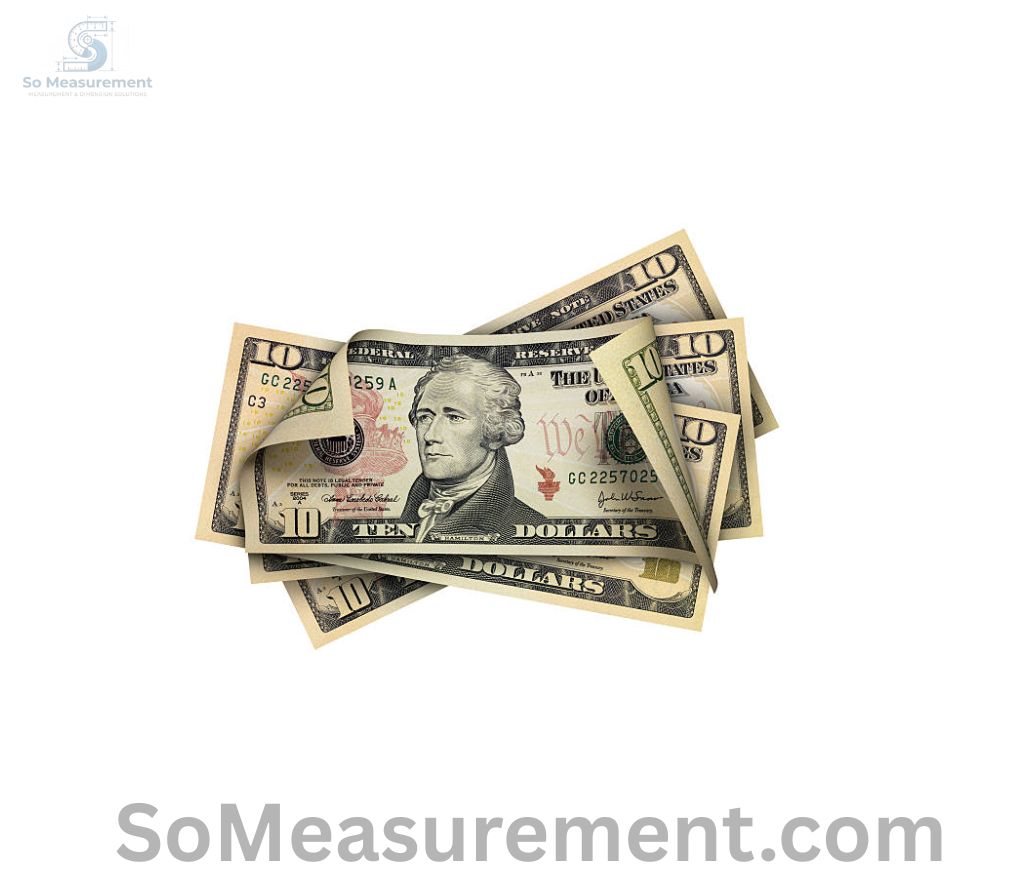
Every US banknote — a single, a twenty, a hundred — weighs approximately 1 gram. The Bureau of Engraving and Printing uses the same paper stock and dimensions across all denominations. Stack ten bills of any denomination and you have roughly 10 grams sitting between your fingers.
The feel here is completely different from coins. Ten bills are wide, flat, and almost weightless-feeling in hand — yet the scale says 10 grams. It’s a good reminder that weight and perceived weight aren’t always the same thing.
4. Two New Zealand $2 Coins
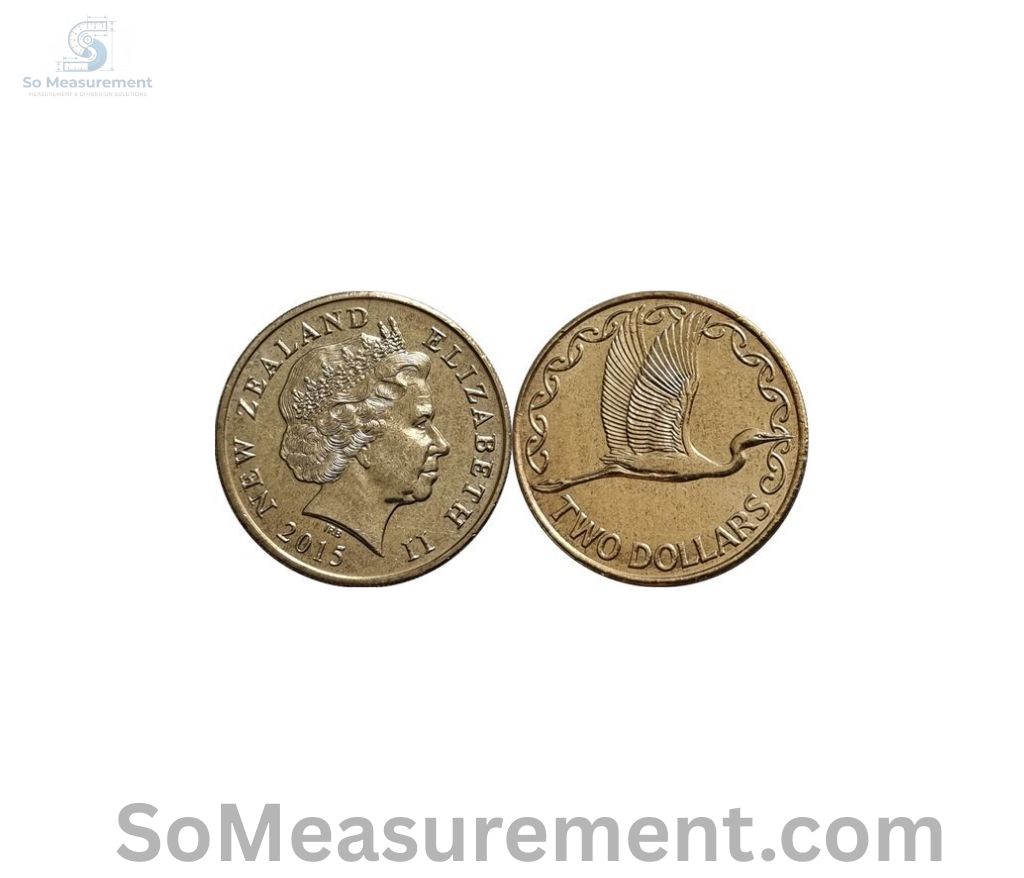
Most people outside New Zealand have never held one of these, but the NZ $2 coin is minted to weigh exactly 10 grams — making a single coin a perfect reference weight on its own. The coin is aluminum bronze, giving it that warm golden color, and its weight is confirmed in Reserve Bank of New Zealand mint specifications.
If you have one, set it on a calibrated kitchen scale. It should read 10.0 g. If your scale is slightly off, this coin tells you by how much.
5. Ten Milliliters of Water
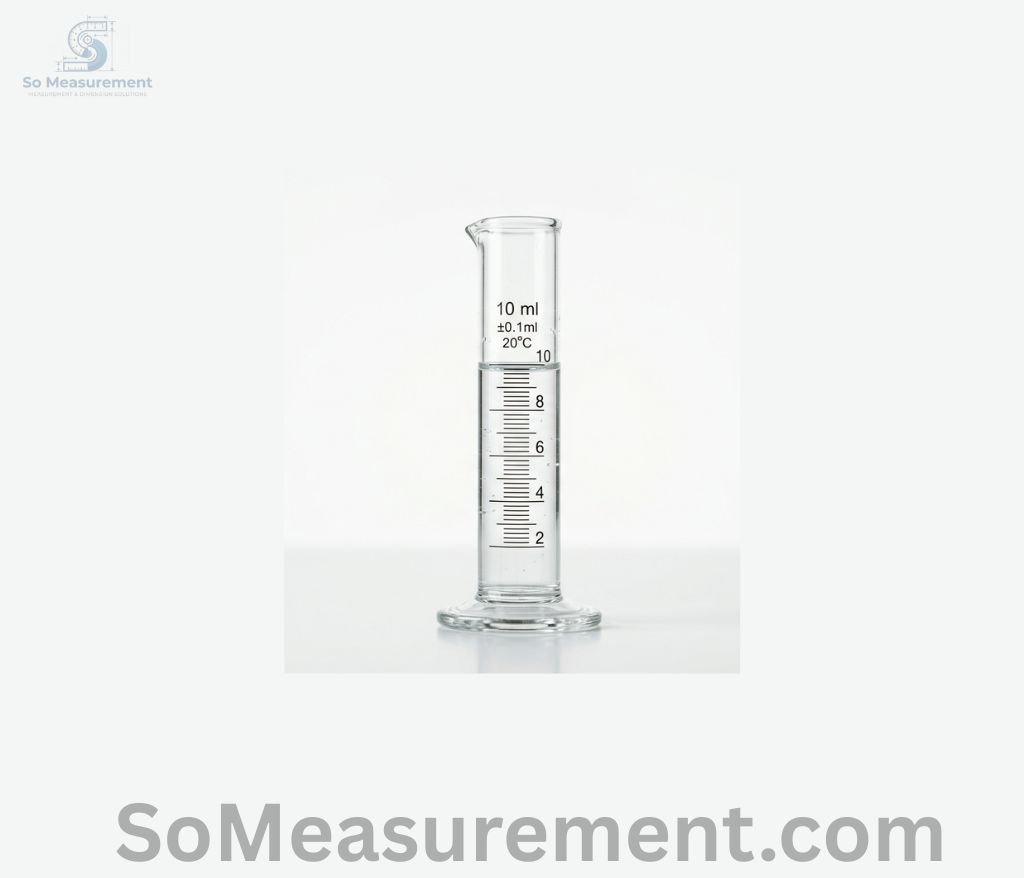
Pure water has a density of 1 gram per milliliter at 4°C. So 10 mL of water = 10 grams. At room temperature (around 20–25°C), the density drops very slightly — but for any practical purpose, 10 mL of tap water still comes in at 9.97 to 10 grams. That’s within rounding distance.
Fill a 10 mL medical syringe or use a small measuring cup. This method is especially useful in cooking and pharmacy contexts where liquid precision matters. It’s also the most scientifically clean reference on this entire list — no estimation, no variability from batch to batch.
6. Seven Standard Paper Clips
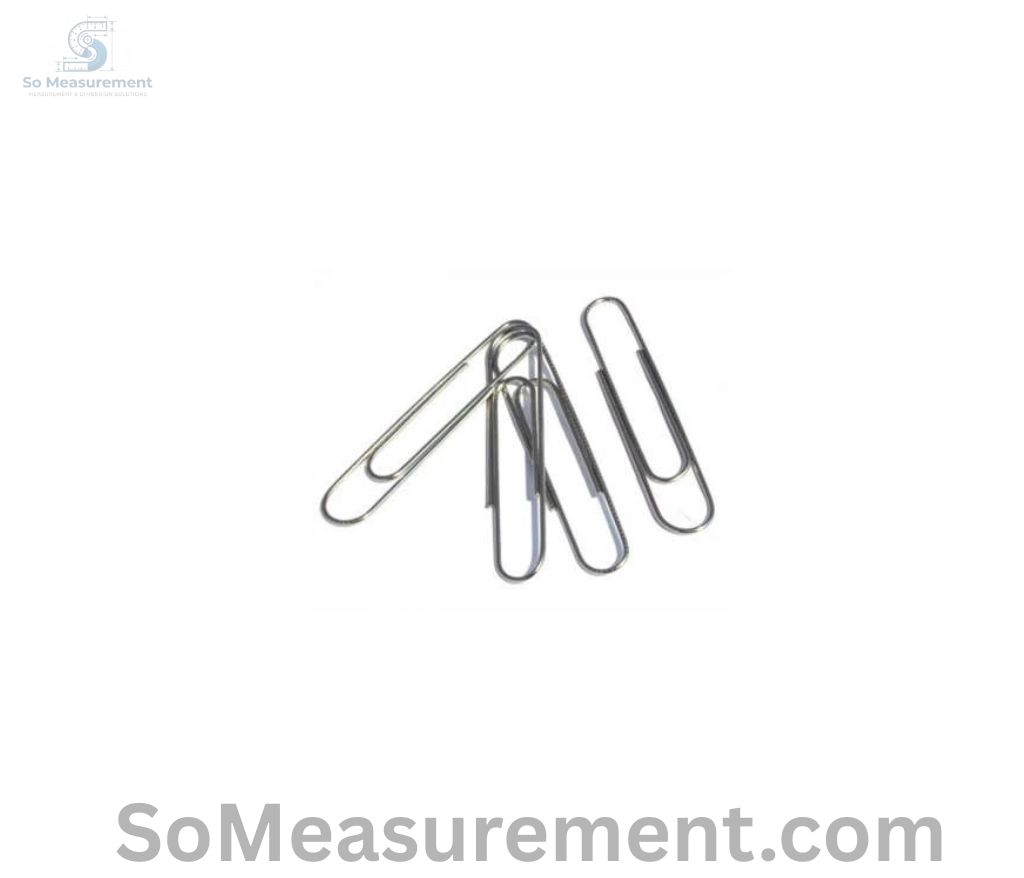
A standard #1 metal paper clip weighs approximately 1.4 grams. Multiply by seven and you get 9.8 grams — close enough to 10 grams for visual purposes, though not exact. The slight shortfall comes from minor manufacturing variation across brands.
Line seven paper clips end to end on a desk and look at the span they cover. Now pick them all up together. That cluster in your hand — light, a bit tangled, nothing dramatic — is your rough 10-gram picture. Most people are surprised at how little they feel.
7. Two Standard Teaspoons of Sugar
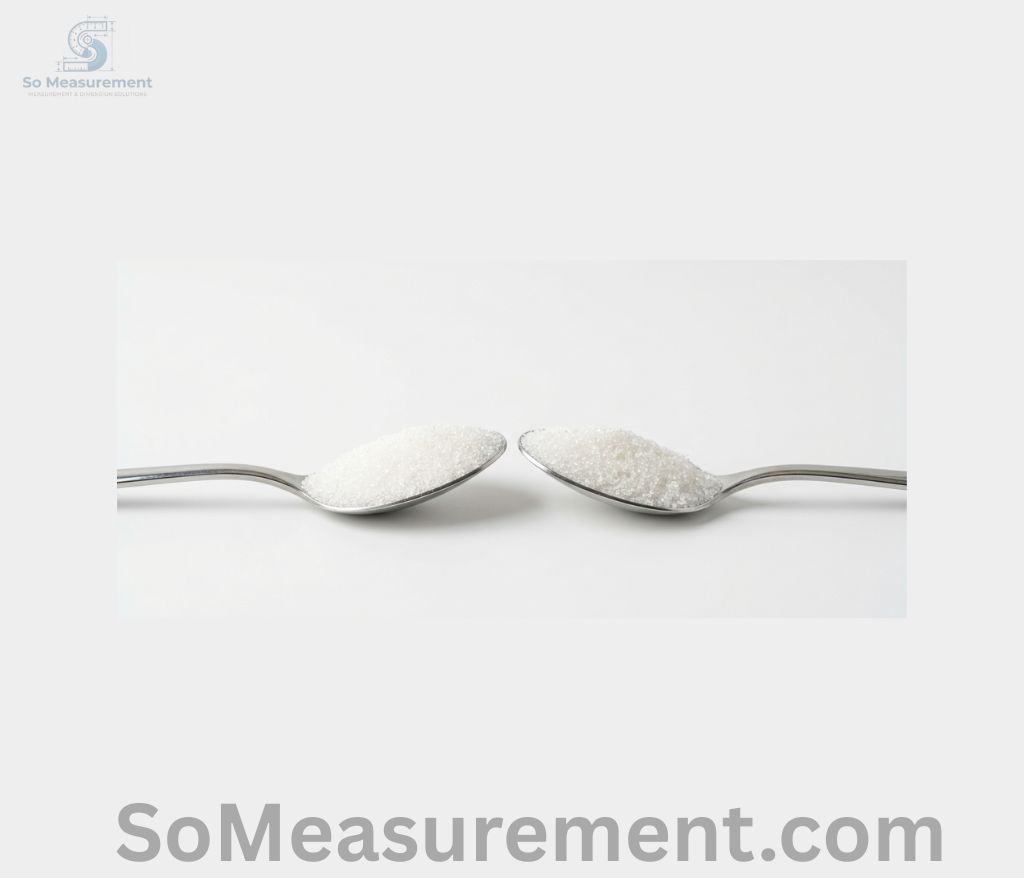
A level measuring teaspoon of granulated white sugar weighs about 4.2 to 5 grams, depending on how tightly it’s packed. Two slightly rounded teaspoons reliably hit the 10-gram mark. This is why so many baking recipes that call for small sugar quantities — think spice rubs or tea blends — specify 10 grams rather than “two teaspoons,” because the spoon method introduces too much variation.
Hold two filled teaspoons over your palm and let the sugar pour in. That small, crystalline pile you’re looking at? That’s 10 grams. It looks like almost nothing.
8. Two Squares of Chocolate (from a 100g Bar)
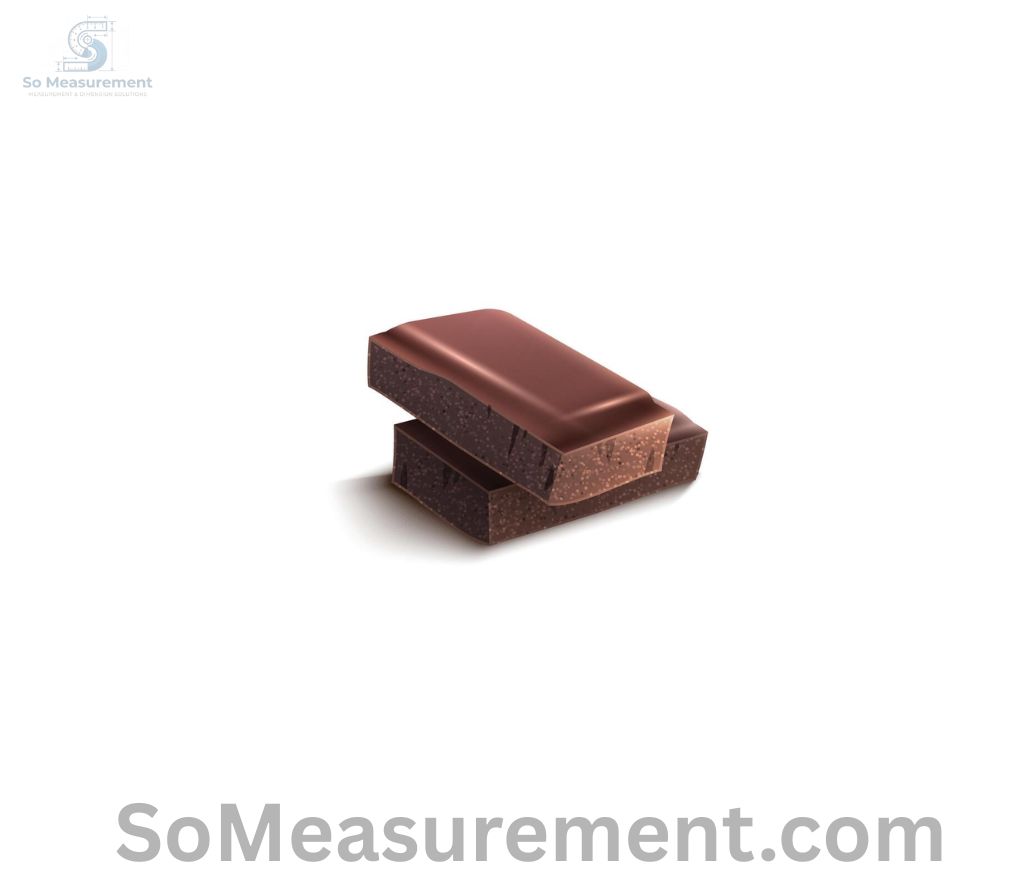
Standard chocolate bars sold at 100 grams are typically divided into 20 equal segments, making each square exactly 5 grams. Break off two squares and you have your 10-gram reference — probably the most enjoyable one on this list.
The size of those two squares also tells you something useful. Each one is roughly the size of a large postage stamp, maybe slightly smaller. Together they fit easily between two fingers. That physical size, combined with the weight, starts to give you a real mental model of what 10 grams occupies in space versus mass.
9. Ten Medium Raisins
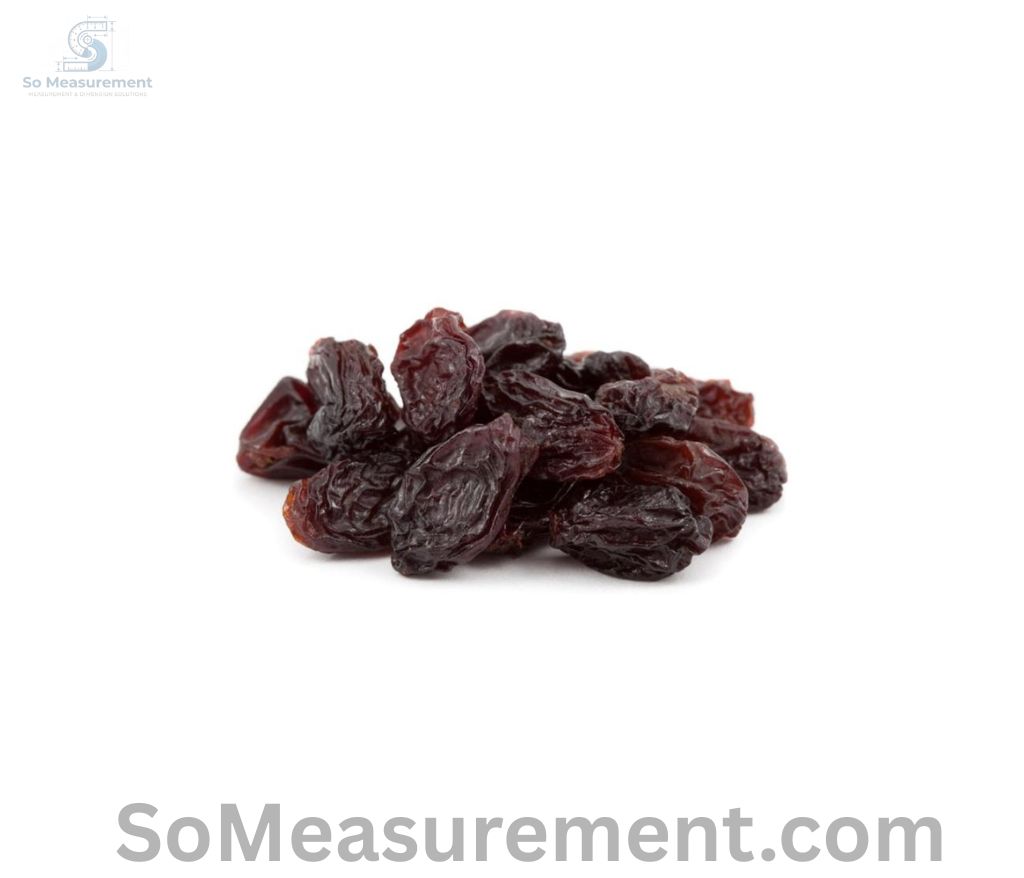
A single medium raisin weighs approximately 1 gram. Count out ten and you have 10 grams — assuming medium-sized raisins, not the jumbo ones sold in some grocery stores. This reference is less precise than coins but more useful as a visual because ten raisins spread across a table cover surprising ground for such a small total weight.
Pick them all up together. They sit in the curve of two fingers. Light, slightly sticky, practically nothing in terms of perceived weight. That’s 10 grams when it’s distributed across ten small objects rather than compressed into dense metal.
10. Two Large Birthday Candles
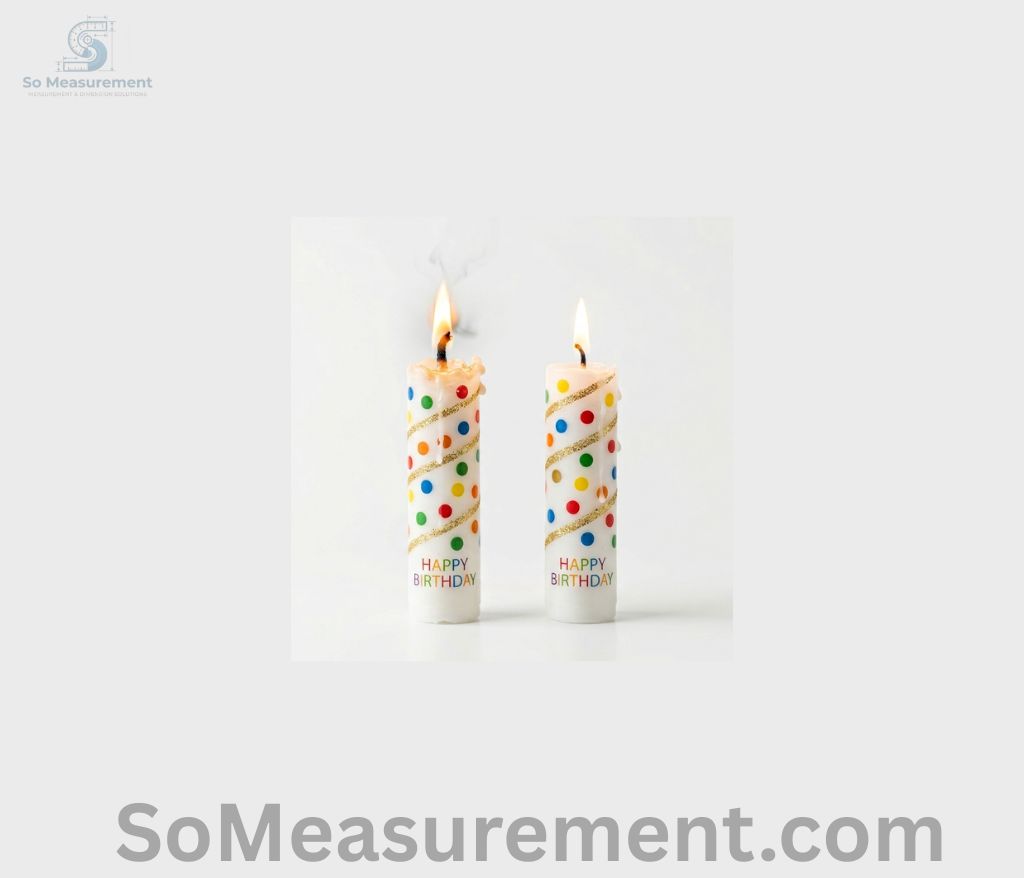
A standard birthday candle — the thin, tapered type sold in grocery stores for cakes — weighs close to 5 grams. Two of them together reach 10 grams. They’re long relative to their weight, which is part of what makes them a useful reference: they’re a good example of how something can be physically large-ish in one dimension while staying feather-light.
Hold two candles loosely in one hand. The length makes them feel like they should be heavier than they are. They aren’t. That disconnect between size and weight is the tactile lesson here.
11. Five Small Rubber Bands
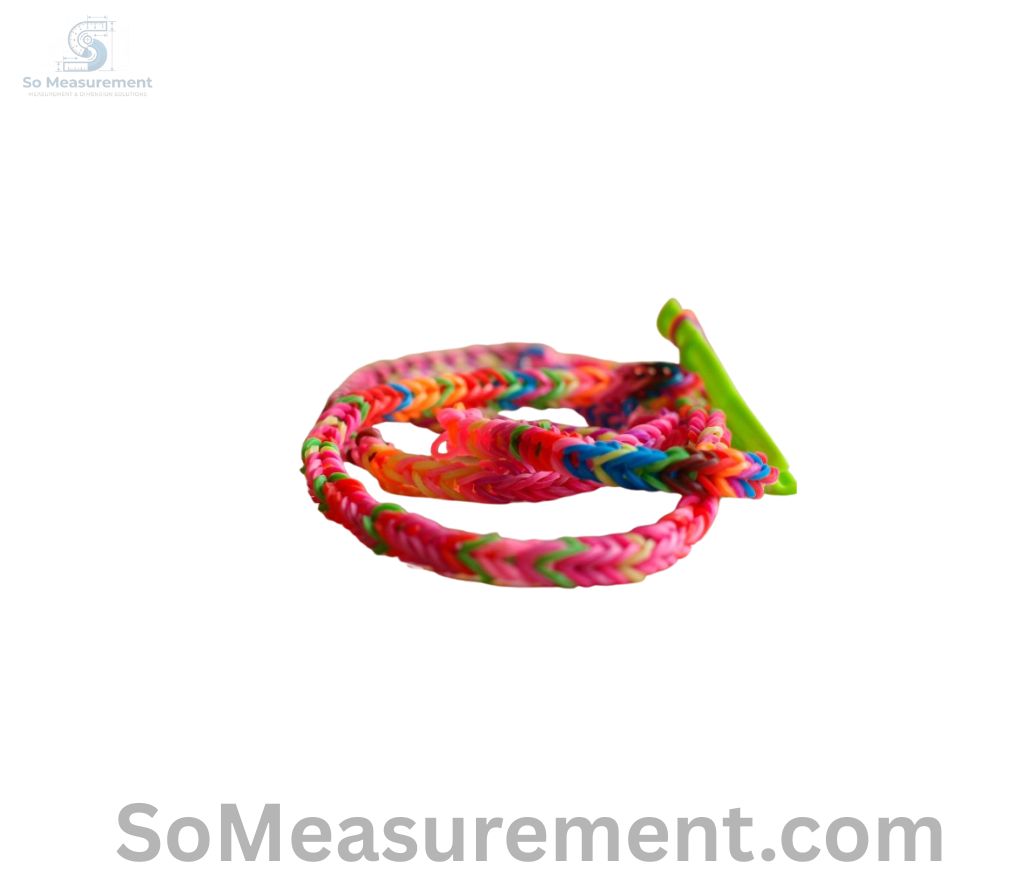
Standard office rubber bands in the #32 size range weigh roughly 2 grams each. Five of them together land around 10 grams. The exact weight varies by brand and thickness, so this is an approximate reference rather than a precise one.
What’s interesting about rubber bands is how volume-to-weight ratio shifts so dramatically from something like coins. Five rubber bands take up a handful of space — you could fill a small cup with them. Two nickels take up almost nothing. Both: 10 grams.
12. Ten Standard Staples (in Strip Form)
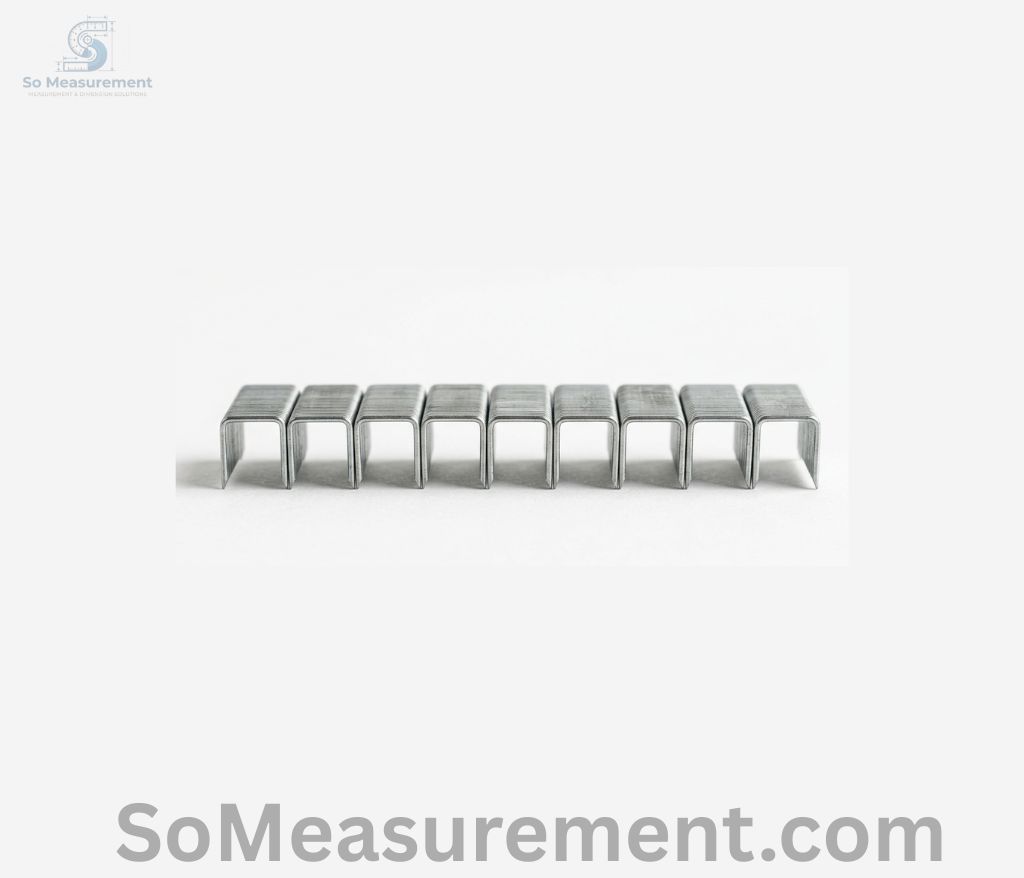
Individual staples are tiny, but weight accumulates fast in strips. A half-strip of standard office staples — the kind loaded into a desktop stapler — often comes close to 10 grams depending on gauge and brand. This isn’t a precision reference, but it’s a useful visualization because most people have a stapler nearby.
Pull out a fresh half-strip and hold it flat in your palm. It’s rigid, metallic, and cool. The weight is barely there. But the scale doesn’t lie — you’re holding close to 10 grams of steel in a package the size of a stick of gum.
13. Ten Medium Raisins vs. One Dekagram Weight — The Contrast That Teaches the Most
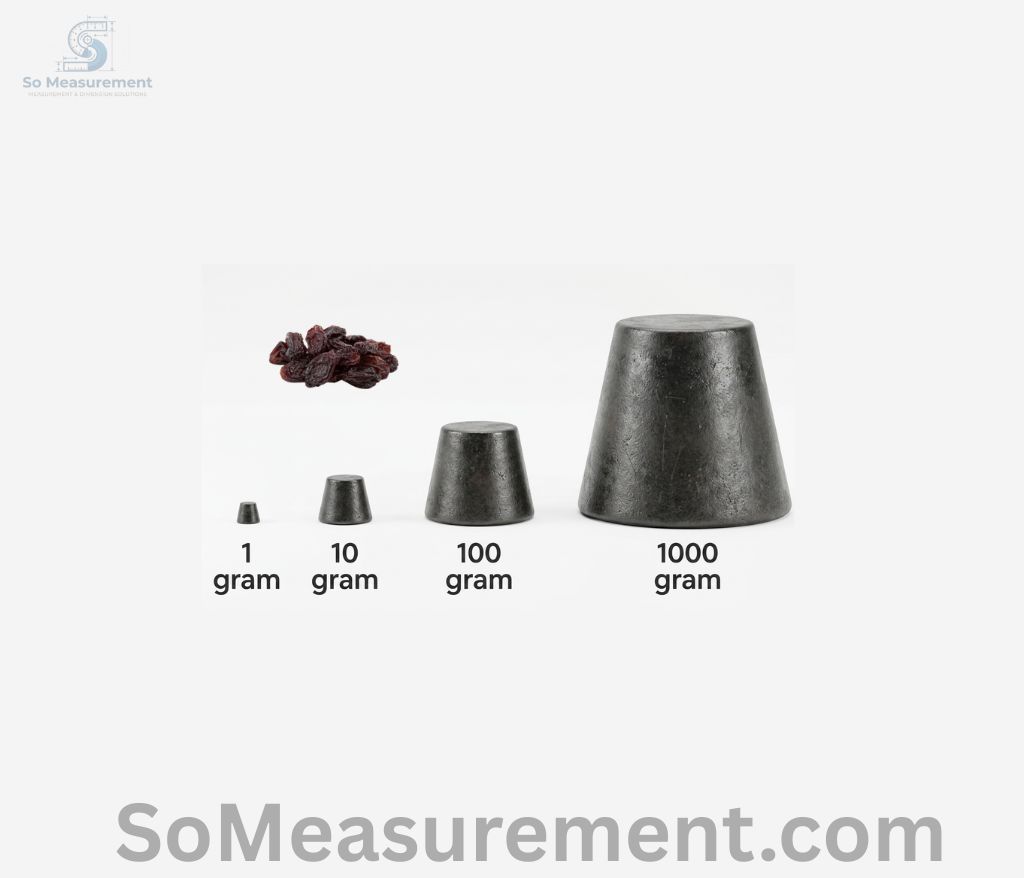
Wait — this entry is intentionally different. A 1 dekagram (dkg) calibration weight is a small metal disc found in precision weight sets. It is, by definition, exactly 10 grams. Set it next to ten raisins that also total 10 grams, and you’re looking at two objects that weigh the same but couldn’t look more different.
The calibration disc is tiny, dense, almost jewel-like. The raisins are scattered, organic, irregular. Same weight. Completely different volume. This contrast is the fastest way to understand that weight is not the same as size — a concept that causes real confusion when people try to measure ingredients by eye.
14. A Thin Slice of Butter (About 1/11th of a Standard Stick)
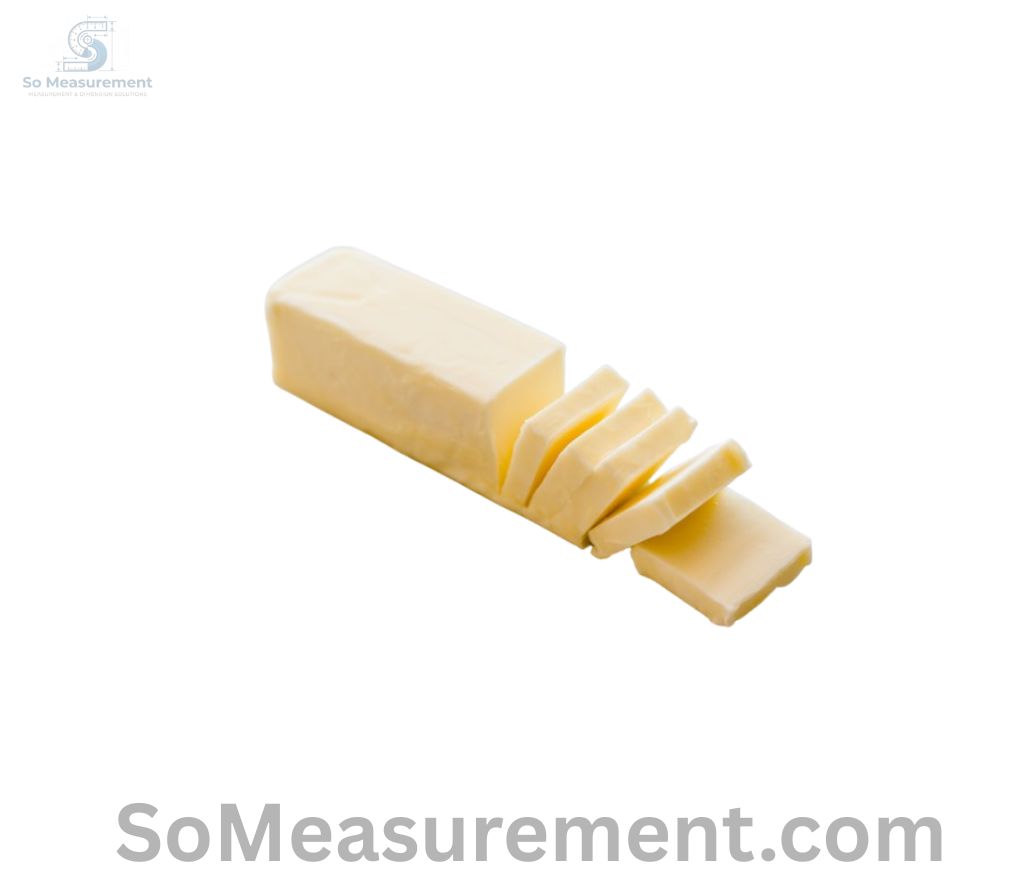
A standard US butter stick weighs 113 grams. To get 10 grams, cut roughly 1/11th of the stick — a thin, almost paper-like slice about 5mm thick. This one is harder to eyeball than coins, but it’s practical because most people cooking or baking already have butter nearby.
The slice looks insignificant. It melts within seconds in a warm pan. But if you’re following a precise pastry recipe that calls for 10 grams of butter, this is what you’re working with. Small things matter in baking.
How to Measure 10 Grams Without a Scale
The Two-Nickel Method
Place two US nickels on any flat surface. Each is exactly 5.000 grams — total: 10 grams. No math, no tools, government-verified accuracy.
The Measuring Spoon Method
For water or thin liquids: 2 teaspoons = approximately 10 grams. For granulated sugar: 2 slightly rounded teaspoons. For table salt: about 1.75 level teaspoons (salt is denser than sugar). For flour: closer to 3.5 teaspoons since it’s lighter by volume.
The Syringe Method
A 10 mL medical syringe filled with water holds very close to 10 grams. These syringes are common in households with young children (used for liquid medicine doses) and are accurate to within 0.2 mL at that volume.
Three Measuring Mistakes People Actually Make
Using random teaspoons from the cutlery drawer. Everyday spoons vary from 3 mL to 7 mL depending on the design. A “teaspoon” from your drawer is not a measuring teaspoon. The difference can push your 10-gram estimate off by 30% or more.
Treating volume and weight as interchangeable. “10 grams of flour” and “10 grams of sugar” look completely different in a cup. Flour is airy and takes up more space. Sugar is dense and settles tight. Switching between them without a scale causes real errors in baking.
Using pre-1982 pennies in the four-penny method. Already mentioned above but worth repeating: coins made before 1982 weigh 3.1 grams, not 2.5 grams. Four of them give you 12.4 grams. Always check the year.
10 Grams in Teaspoons and Cups — The Full Breakdown
This question comes up constantly in cooking and the answer is always: it depends on what you’re measuring.
| Ingredient | 10 Grams Equals |
| Water | 2 tsp / 0.042 cups |
| Granulated sugar | ~2.5 level tsp |
| Table salt | ~1.75 level tsp |
| All-purpose flour | ~3.5 tsp |
| Honey | ~1.5 tsp (honey is dense) |
| Olive oil | ~2.25 tsp |
The cup measurements are small across the board — 10 grams in cups never exceeds about 0.05 cups for any common ingredient. At this scale, a kitchen scale is always going to beat a measuring cup for accuracy.
How We Verified This
Coin weights were cross-referenced with official US Mint and Reserve Bank of New Zealand mint specifications — not estimated. Water density figures follow NIST (National Institute of Standards and Technology) standards. Object weights were tested on a digital kitchen scale calibrated to 0.1-gram precision before writing.
All unit conversions in this article follow the International System of Units (SI) and are consistent with the International Yard and Pound Agreement of 1959, which established the formal relationship between metric and imperial measurement systems.
You may like:
15 Everyday Items That Weigh 1 Gram
Pringles Can Dimensions: Exact Size, Height, Diameter & Volume 2026
FAQs
1. How can I quickly recognize 10 grams without tools?
The easiest way is to use everyday items you trust. Two coins of equal weight, a small pile of sugar, or about 10 mL of water can give you a close feel. The key is consistency—pick one method and stick with it so your brain learns the weight.
2. Why does 10 grams sometimes look bigger or smaller?
Because weight and size are not the same. Dense things like metal look tiny but feel heavier. Light things like flour or cotton spread out and look bigger. Same weight—different space.
3. Is 10 grams enough to matter in cooking?
Yes, especially in baking. A small change like 2–3 grams can affect texture, taste, or rise. For simple cooking, it’s not critical. For baking or precise recipes, it can make a real difference.
4. Can I trust measuring spoons for 10 grams?
Only if they are proper measuring spoons. Regular kitchen spoons vary a lot. Even then, ingredients behave differently—sugar, flour, and salt won’t match perfectly by volume.
5. Why do people use grams instead of teaspoons or cups?
Grams are exact. Cups and spoons depend on how you fill them. Grams remove guesswork, which is why professionals prefer them for accuracy.

Lev is passionate about helping readers understand sizes and dimensions of everyday objects. With a focus on clarity and practical examples, Lev shares accurate, trustworthy insights that make measurements relatable, useful, and easy to visualize for everyone.