You know that moment when you pick something up and think “wait, this is heavier than I expected”?
That’s 20 pounds doing its thing.
It’s not a scary amount of weight. But it’s not nothing either. Most people grab it with one hand, then quietly switch to two. It’s the kind of weight that makes you think about posture, distance, and whether you really need to carry it all in one trip.
This guide helps you picture 20 pounds using things you’ve probably already touched. No gym equipment required.
20 pounds = 9.07 kilograms
Before the List: Why 20 Pounds Feels Different Every Time
Here’s something most weight guides skip over entirely.
Two objects can both weigh exactly 20 pounds and feel completely different in your hands. A compact bag of rice feels lighter than a floppy bag of dog food. A dumbbell feels easier than a watermelon. Same scale reading, different experience.
Three things change how weight actually feels:
Shape — awkward shapes force your muscles to compensate. More effort, more fatigue.
Grip — a handle makes everything easier. No handle? Your whole body works harder.
Balance — weight that shifts around (like a bag of soil) tires you faster than weight that stays still.
Keep this in mind as you go through the list. It explains a lot.
What Weighs 20 lbs? 14 Real Objects That Nail It
1. Thanksgiving Turkey (Large, Whole)
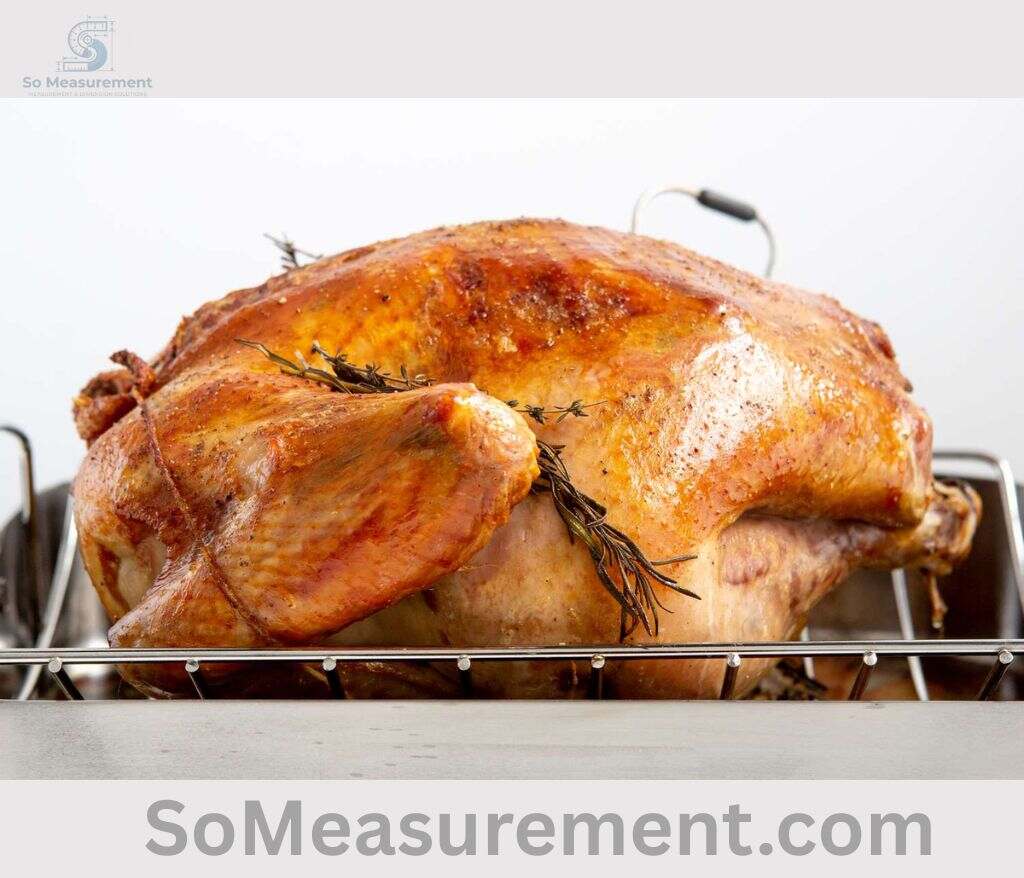
A turkey big enough to feed 12 to 15 people weighs right around 20 pounds. Pull one from a grocery store freezer and your arms feel it immediately. It’s cold, rigid, and dense.
What makes this one memorable: millions of people handle this exact weight every November and never think of it as “exercise.” But lift one from the bottom shelf, walk it to the cart, then load it into the car, and your body knows it worked.
2. Large Watermelon
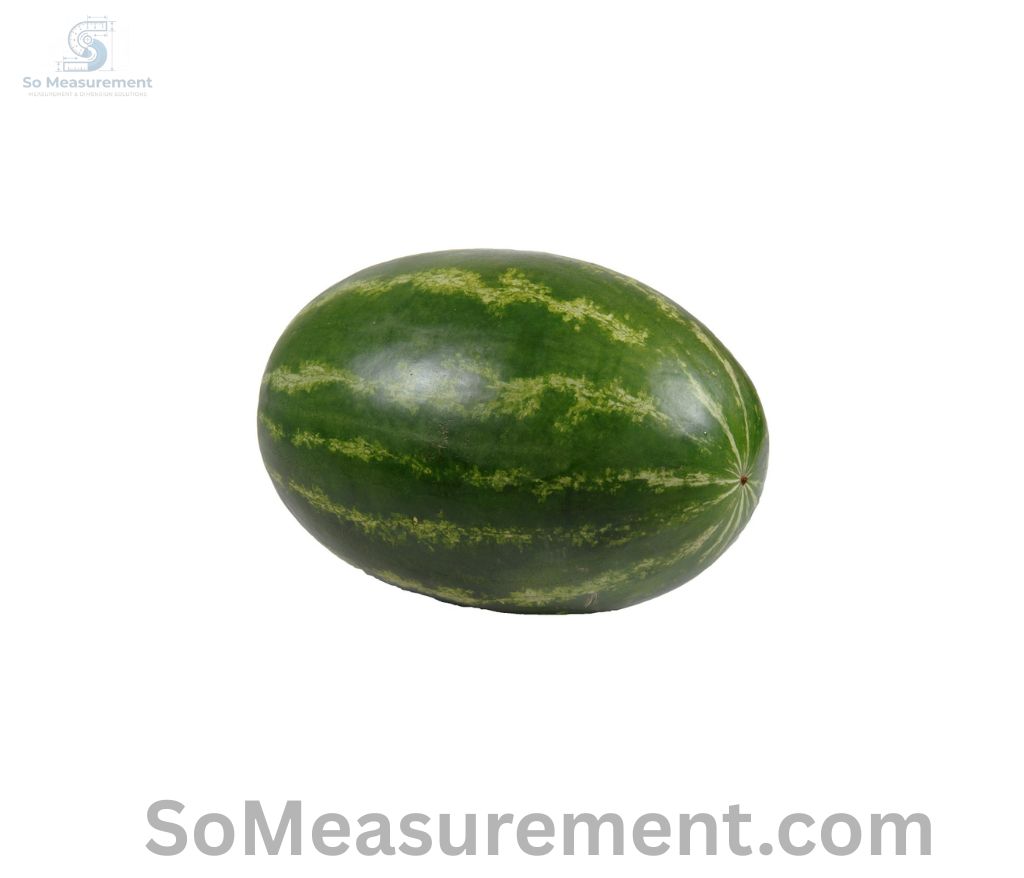
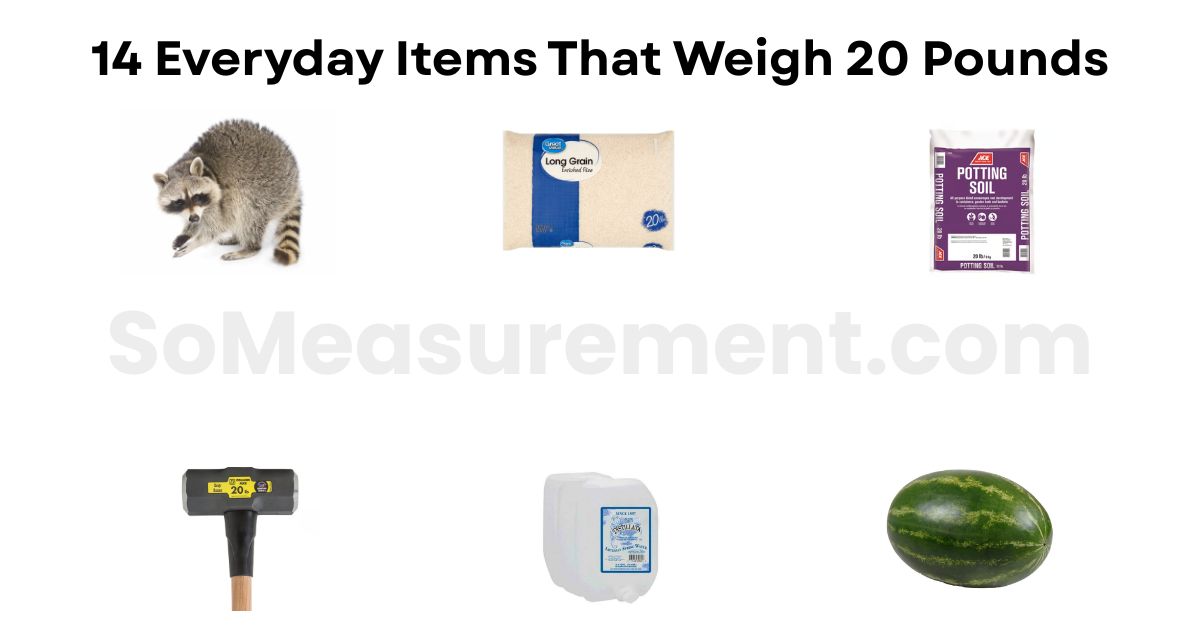
A big watermelon — the kind that barely fits in a grocery bag — typically runs 18 to 22 pounds at peak size. That puts the average squarely around 20 pounds.
The challenge isn’t the weight. It’s the shape. Smooth, waxy, round, with nothing to hold onto. You end up cradling it against your chest with both forearms underneath. That awkward hug recruits way more muscle than a box of the same weight would.
Good reminder: Shape changes everything. This teaches it better than anything else on the list.
3. Stand Mixer (Heavy-Duty)
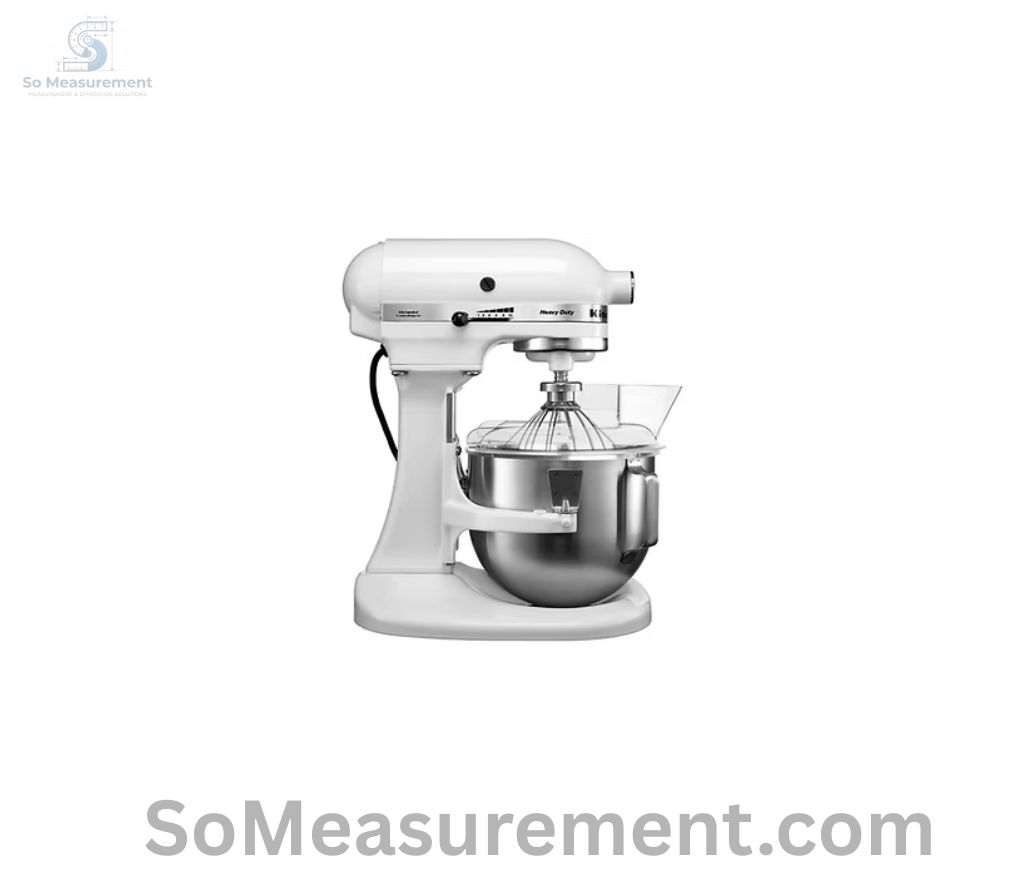
Many professional-grade stand mixers sit right around 20 pounds. That weight isn’t a flaw in the design. It’s the whole point. A heavier base keeps the machine from walking across the counter when it’s kneading stiff bread dough.
Pick one up to move it and you notice something immediately: the footprint is small, but the mass surprises you. Compact and dense is the exact combination that fools people most often.
4. Four Reams of Printer Paper
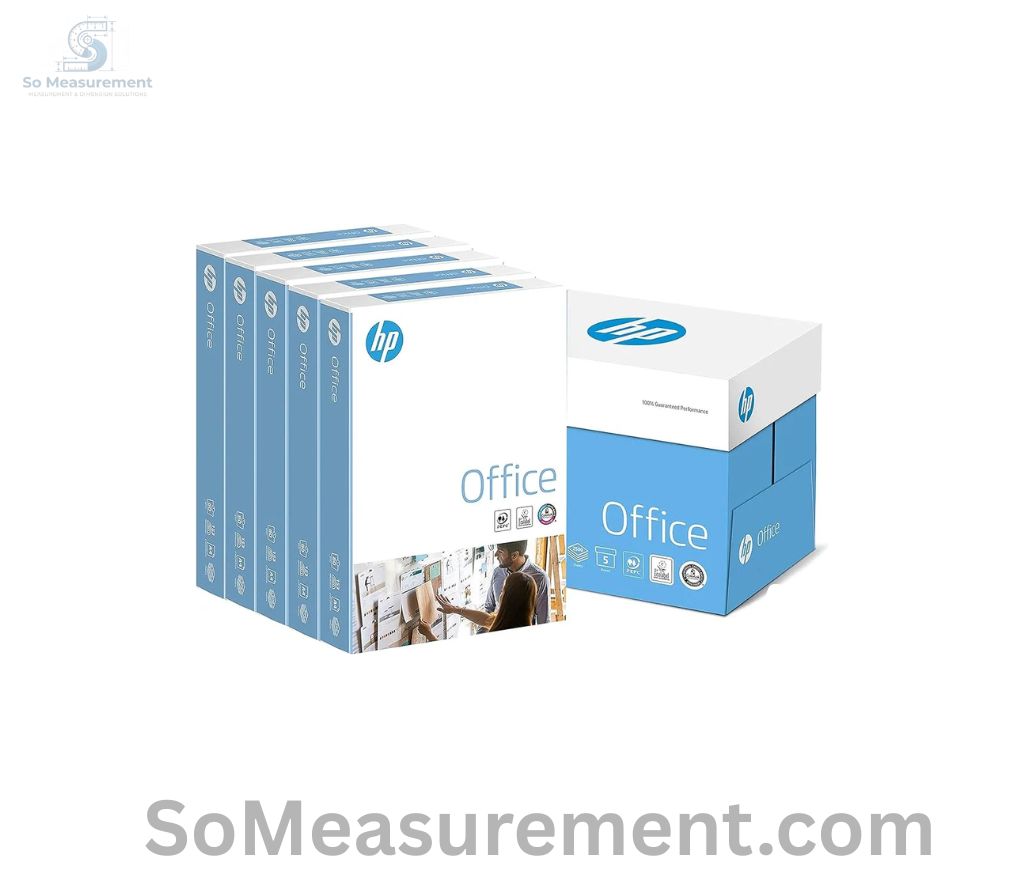
One sealed ream of 500-sheet copy paper weighs almost exactly 5 pounds. Stack four of them and you have a near-perfect 20-pound block you can actually verify yourself.
This is the most testable reference on the list. No estimating, no ranges. The weight is labeled. What catches people off guard is how dense it feels. Paper is heavier than it looks, and four reams form a brick that’s harder to grip than you’d expect.
Try it: Next time you’re near an office supply aisle, lift a single ream. Multiply that feeling by four.
5. Bag of Dog Food (20 lb Retail Size)
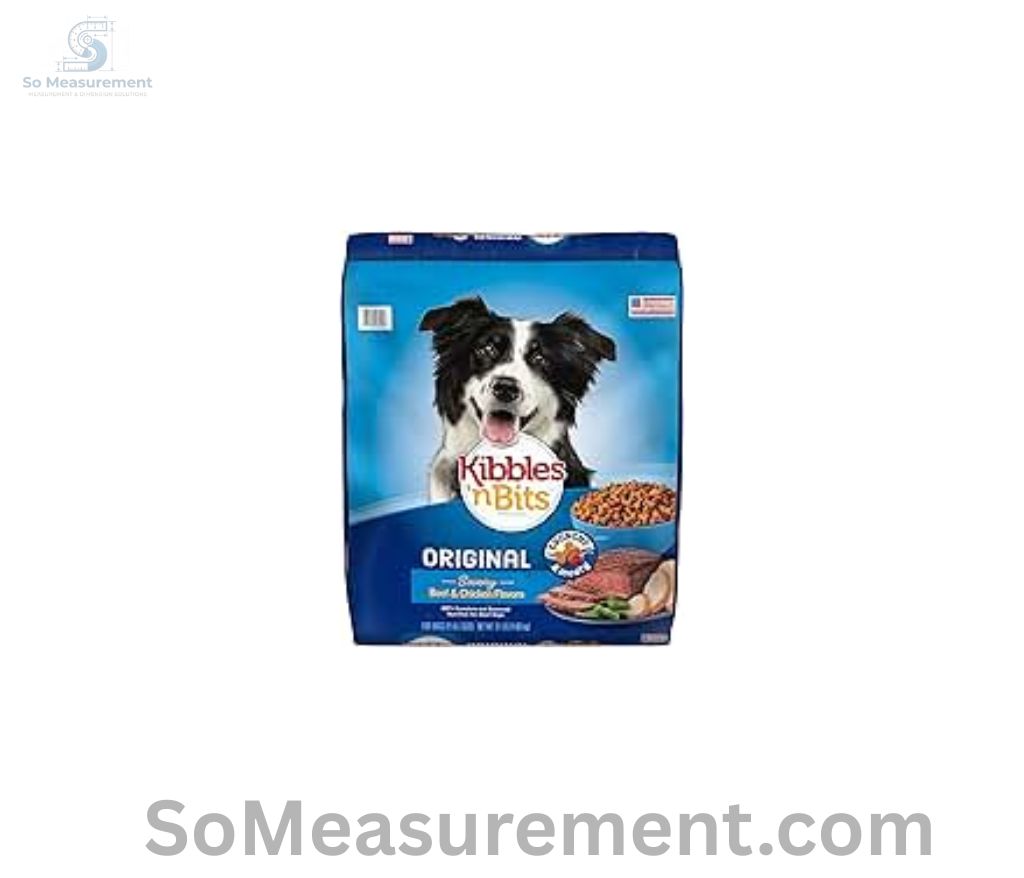
Walk into any pet store and you’ll find this bag front and center. Brands like Purina, Blue Buffalo, and Royal Canin all sell standard 20-pound bags. The weight is printed right on the label, so there’s no guessing.
Here’s what’s interesting: it looks manageable. But the bag is tall, floppy, and shifts as you walk. Most people end up hugging it to their chest or slinging it awkwardly over one shoulder. By the time you reach the car, you feel it.
Best for: Anyone with a dog. You’ve probably already lifted this exact weight.
Read more: 14 Daily Use Things That Are 2 Inches Long
6. Sledgehammer (Heavy-Duty, 20 lb Head)
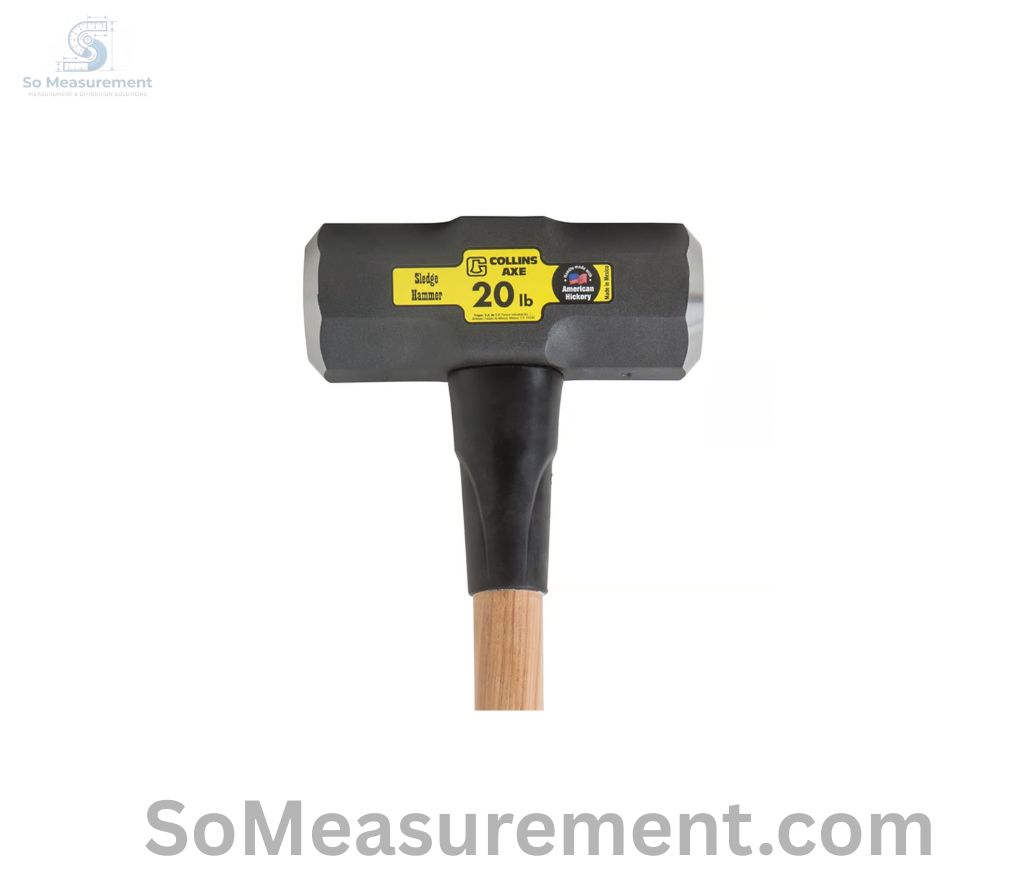
A 20-pound sledgehammer is used for breaking concrete and serious demolition work. Not a framing hammer. Not a small maul. This is the tool you reach for when everything lighter has already failed.
What makes it a unique weight experience: the mass sits at the far end of a long handle. That distance from your body multiplies the effort your muscles need to put in. Twenty pounds held at arm’s length demands far more from you than 20 pounds held close to your chest. Same weight. Completely different physical demand.
7. Passenger Car Tire (No Rim)
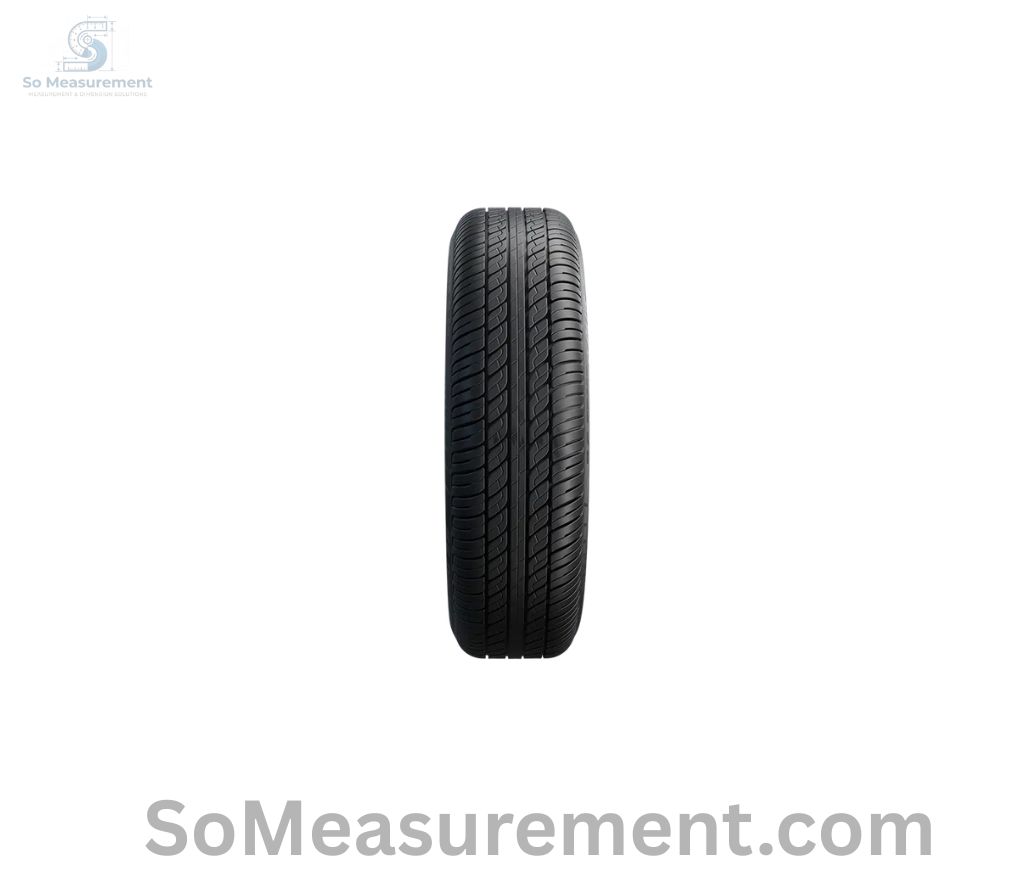
Take a standard sedan tire off the metal wheel and the rubber alone weighs 20 to 22 pounds. Most people discover this while changing a flat on the side of the road. It’s rarely a pleasant discovery.
No handles. No grip points. You carry it like a giant steering wheel against your hip, or you roll it. Either way, your body figures out quickly that this is real weight with zero design help.
8. 2.5 Gallons of Water
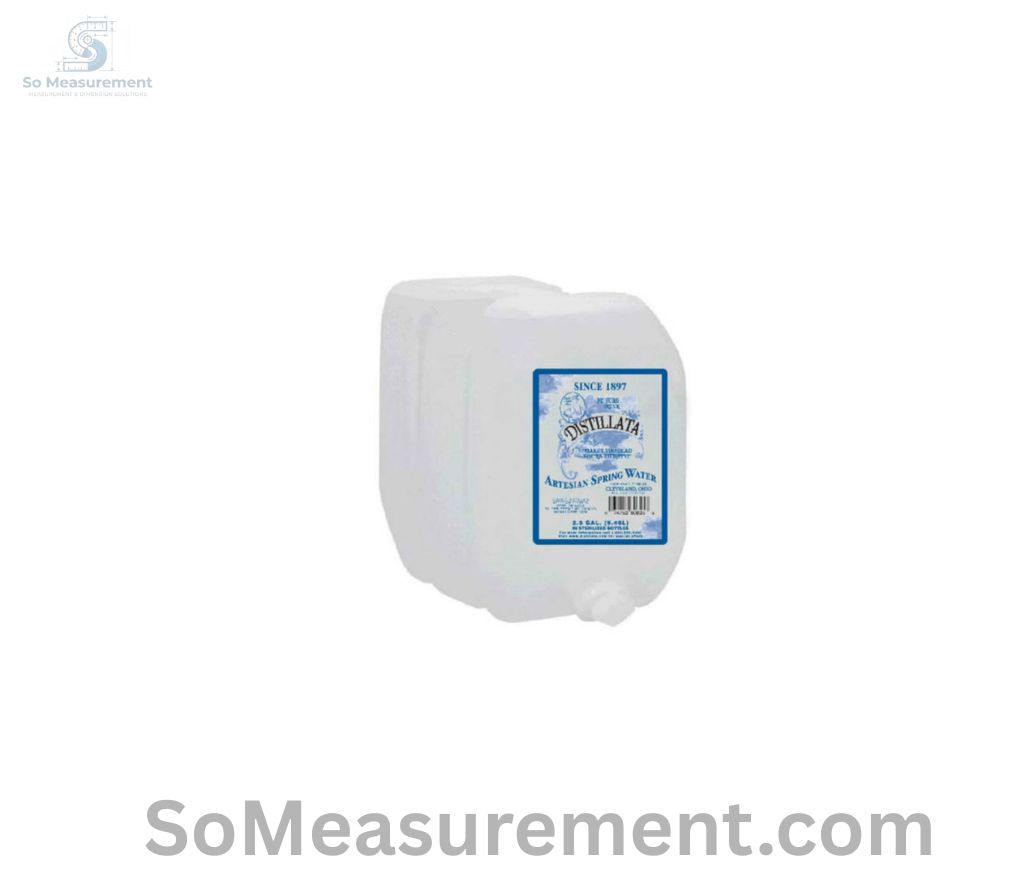
Water weighs 8.34 pounds per gallon. To hit 20 pounds, you need about 2.4 gallons. In practical terms, that’s two full gallon jugs plus one filled about halfway.
Water is the most honest weight on this list. Consistent density, no surprises, no shifting. Fill the containers yourself and you have a free, adjustable weight reference right at home.
Useful trick: This is how a lot of people create makeshift workout weights without any equipment.
9. Two Full Gallons of Latex Paint

One gallon of standard latex paint weighs about 10 pounds. Two cans bring you right to 20.
Painters carry this up ladders and across drop cloths for hours. The cans have handles, which helps. But managing two separate containers means either making two trips or stacking them awkwardly. Anyone who has painted a room knows the quiet forearm burn that builds up over the course of a day.
10. Wholesale Bag of Rice (20 lb)
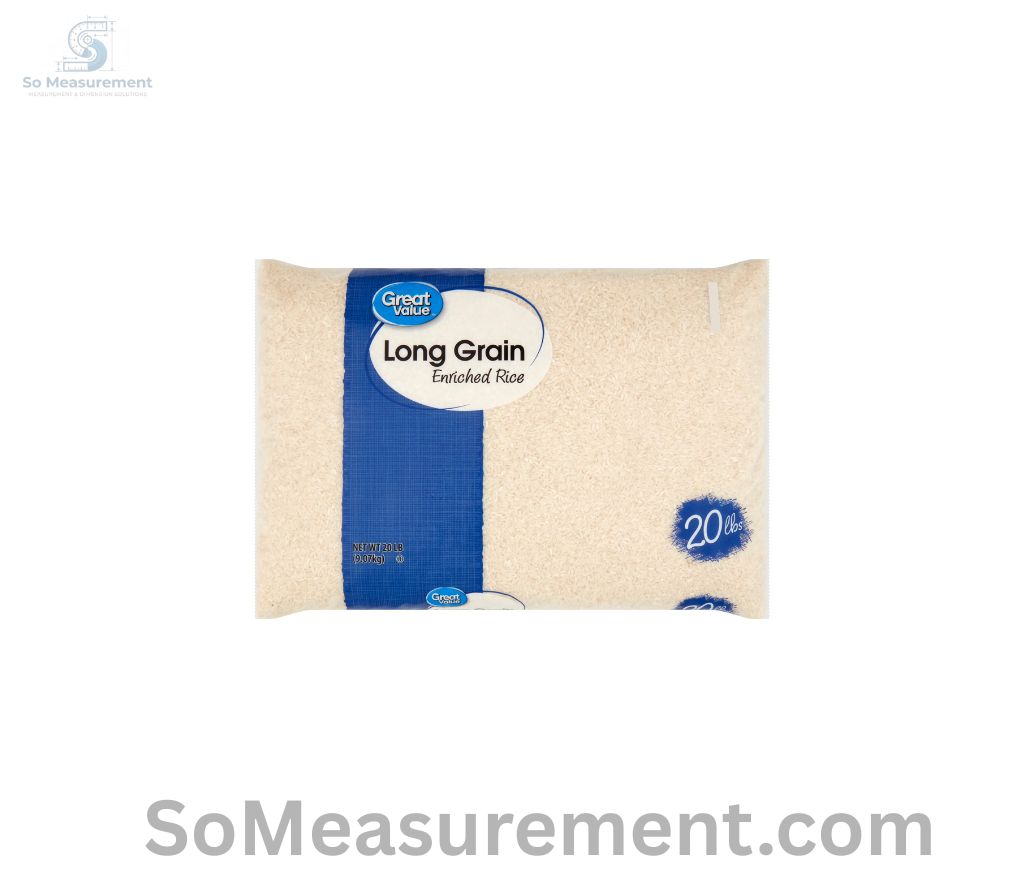
Warehouse stores like Costco sell rice in standard 20-pound bags. Unlike the dog food bag, this one is compact and stable. The weight doesn’t shift around when you carry it.
People always reach for it expecting it to feel lighter than it does. The small size tricks them. Once they have it in both hands, they understand why the 20-pound bag of rice became such a common reference point in fitness and cooking communities.
Read more: What Weighs 50 Pounds? 15 Everyday Things That Show You Exactly
11. Bag of Potting Soil (Dry)
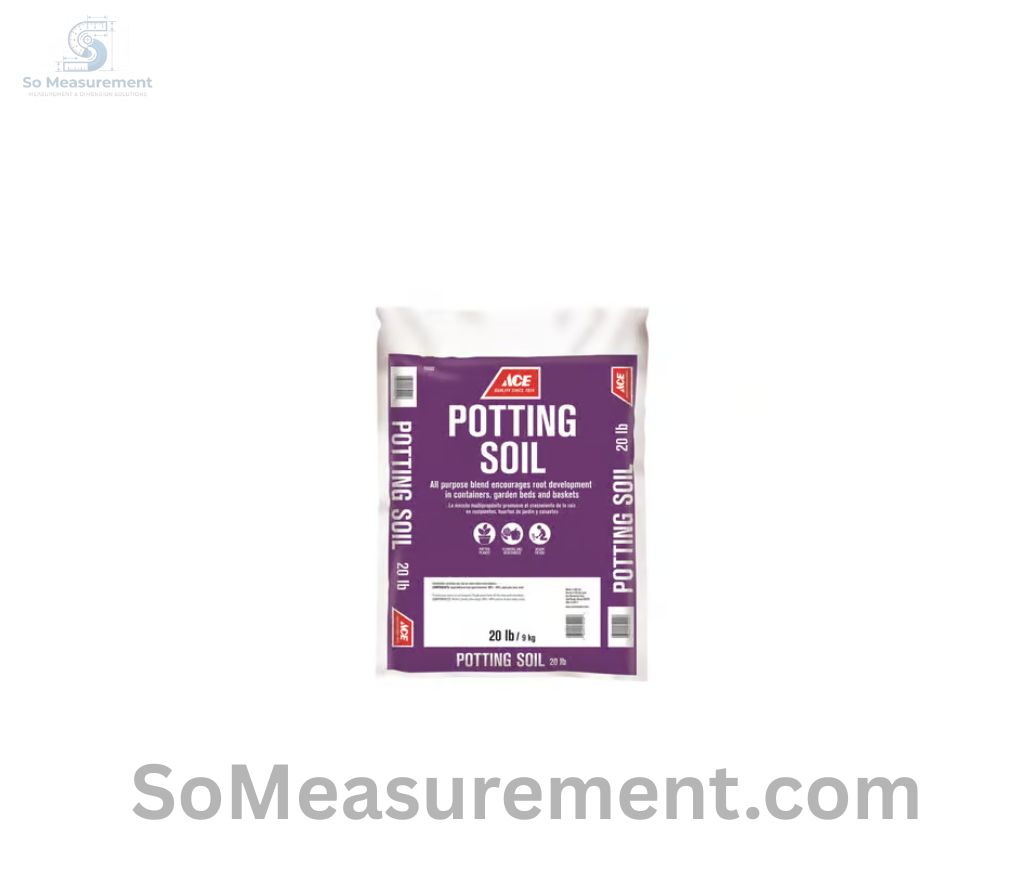
Garden center bags of dry potting soil frequently land near 20 pounds. The keyword is dry — moisture changes the weight significantly, so always check before using this as a reference.
The texture compresses when you grab it. The weight settles toward the bottom as you lift. It’s one of the more physically demanding 20-pound carries on this list, mostly because the shifting mass pulls your lower back into positions it doesn’t love.
Every gardener has made the silent decision to make two trips instead of one. Usually after the second bag.
Read more: 15 Daily-Use Things That Measure 13 Inches Long or Big
12. 20-Pound Dumbbell
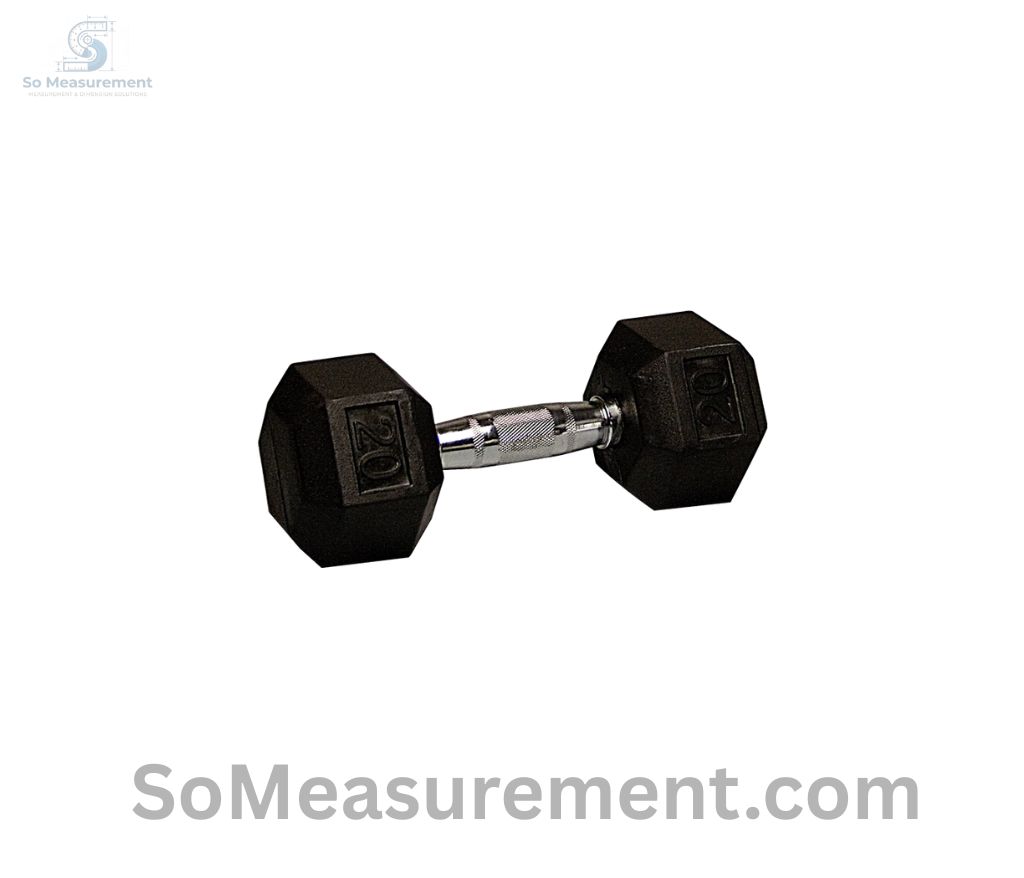
This is the only completely precise reference on the list. A 20-pound dumbbell is manufactured and certified to be exactly that weight. No ranges, no natural variation, no moisture content to account for.
At a gym, it’s a moderate working weight used for rows, goblet squats, and shoulder exercises. The centered grip makes it feel more manageable than most things on this list. That’s not a coincidence — good equipment is designed around how humans naturally hold weight.
Use this as your baseline. Hold it, remember the feeling, then compare everything else against it.
13. Flemish Giant Rabbit
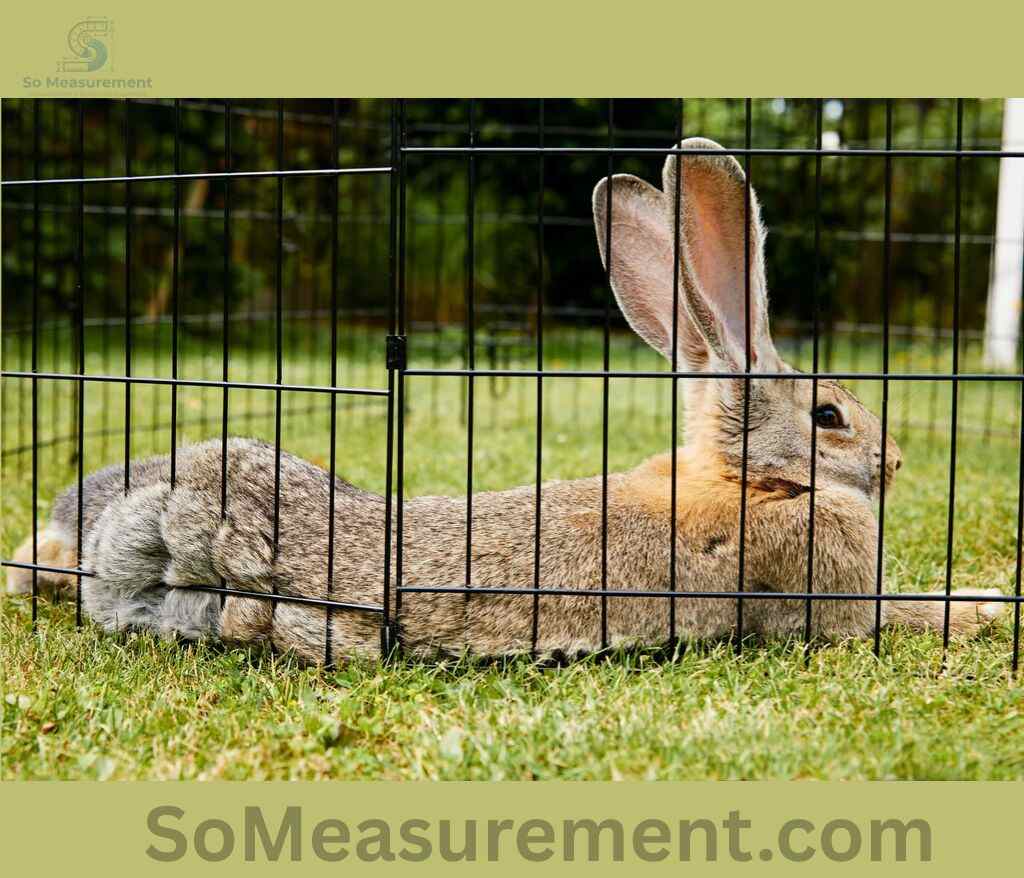
A fully grown Flemish Giant — the largest domestic rabbit breed — reaches about 20 pounds at adult size. That’s comparable to a small dog. People who encounter one for the first time are almost always surprised.
The thick, fluffy coat makes them look much lighter than they are. You need both arms to hold one properly. The gap between how they look and how they feel is exactly what makes this a memorable reference. A bag of rice won’t stick in your memory the same way a giant rabbit will.
14. Adult Raccoon
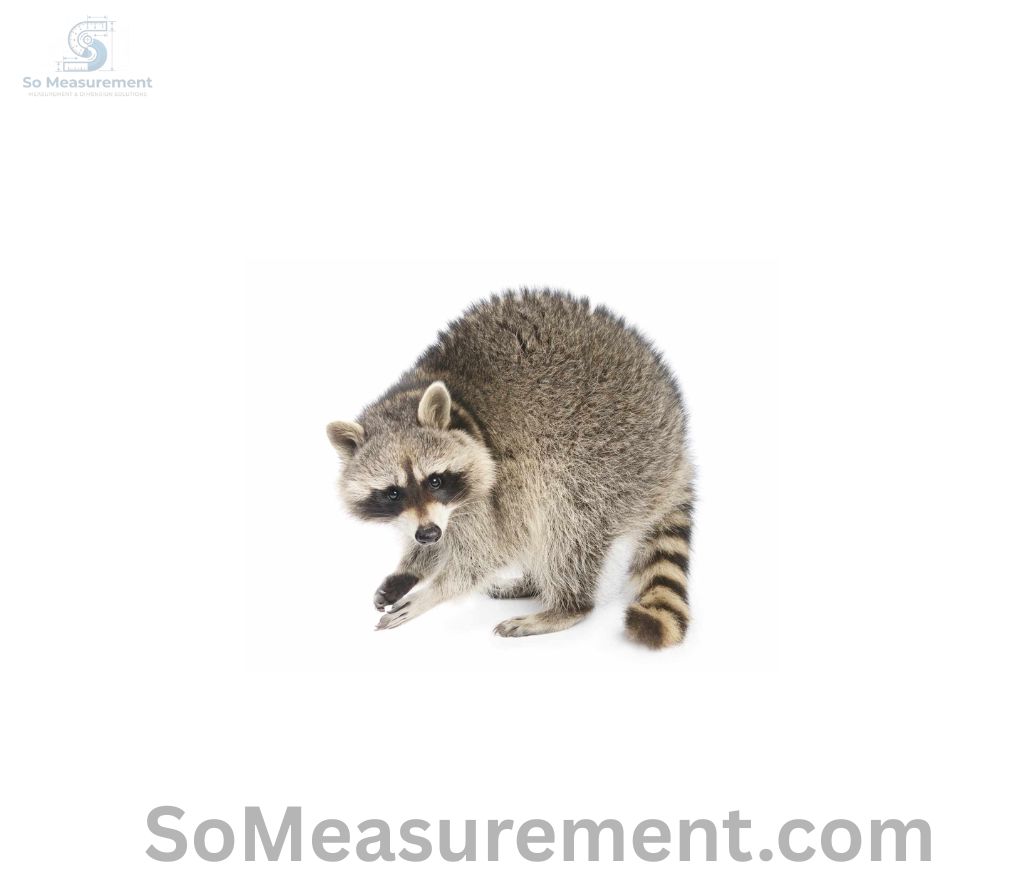
A healthy, well-fed adult raccoon living near suburban areas commonly weighs around 20 pounds. Wildlife workers describe them as surprisingly dense and solid for their visible size.
This one earns its place on the list because it puts the weight in motion. Twenty pounds that climbs, swims, opens latches, and outruns most things chasing it. That context gives the weight meaning that a bag of rice simply can’t.
How to Estimate 20 Pounds Without a Scale
You don’t always have a scale nearby. Here are three methods that actually work.
Stack four reams of paper. Each sealed ream weighs almost exactly 5 pounds. Four of them gets you to 20 pounds and you can verify it yourself off the label.
Fill water containers. Two full gallon jugs plus one about half full brings you to roughly 20 pounds. Water doesn’t lie. Consistent every time.
Compare side by side. Hold something you know weighs 20 pounds, then immediately pick up what you’re trying to estimate. Humans are surprisingly good at detecting small weight differences when switching between two objects quickly. Much better than guessing in isolation.
A Few Things People Get Wrong About This Weight
Judging by size. A big cardboard box can weigh almost nothing. A small bag of lead shot can be crushing. Volume and mass have almost no relationship. Yet almost everyone defaults to size as their mental shortcut.
Thinking it’s safe to be careless. Twenty pounds is light enough to feel fine at first. That’s exactly the problem. It’s heavy enough to strain a lower back with poor mechanics, and people get careless with it because it doesn’t feel dangerous. Bend with your knees. Keep it close to your body. It matters most in this range.
Rounding the conversion. For casual use, 20 pounds is roughly 9 kilos. For professional purposes like shipping or medical dosing, the correct figure is 9.07 kilograms. The difference adds up at scale.
The Real Takeaway
Once you’ve held a few of these objects and compared them, 20 pounds stops being an abstract number. It becomes something you recognize in your hands.
The dumbbell gives you the purest baseline. The watermelon teaches you how shape changes everything. The dog food bag shows you how the same number can feel completely different based on how an object moves.
Together they build a feel for this weight that stays with you. That’s worth more than any number on a chart.

Lev is passionate about helping readers understand sizes and dimensions of everyday objects. With a focus on clarity and practical examples, Lev shares accurate, trustworthy insights that make measurements relatable, useful, and easy to visualize for everyone.