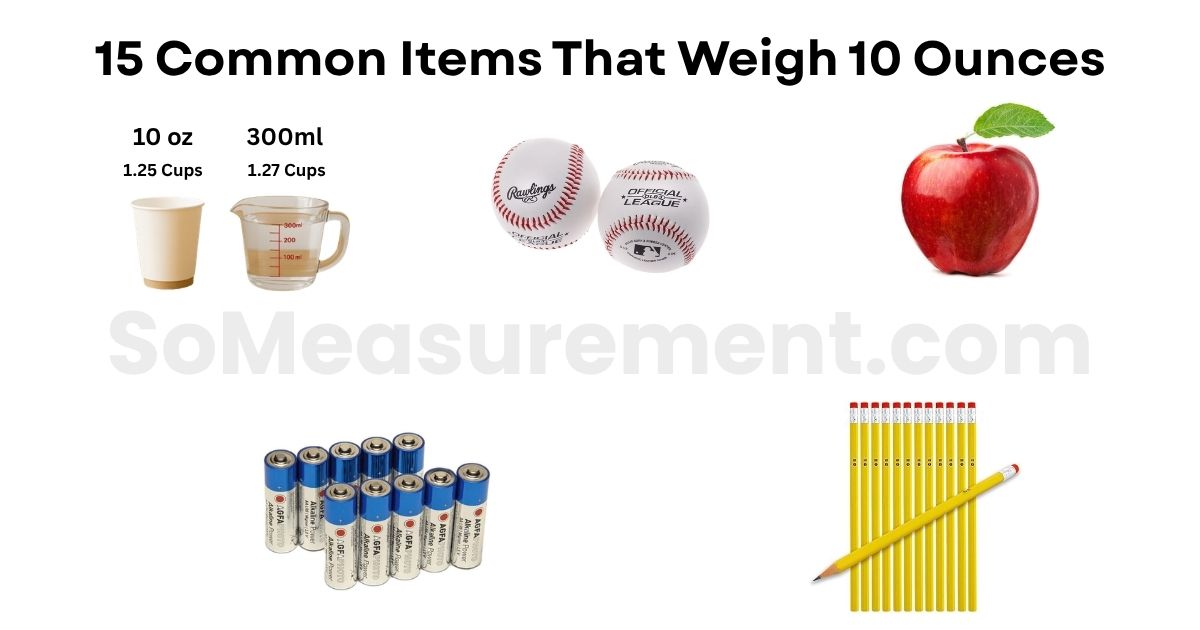
Ten ounces is 283.5 grams, 0.625 pounds, or 296 mL of liquid. Pick up two baseballs at once — that’s your physical anchor. Now you have a real reference, not just a number floating in your head.
“10 oz” shows up on coffee bags, steak menus, drink bottles, recipe cards. And depending on whether you’re measuring liquid or solid, the same number means something completely different. That’s the part worth understanding first.
How Much Is 10 oz?
Two types of ounce exist, and mixing them up causes real problems.
Weight ounce (oz) — measures mass. Meat, flour, butter, coffee beans. Ten = 283.5 grams or 0.625 pounds.
Fluid ounce (fl oz) — measures volume. Water, milk, juice, oil. Ten = 296 mL or 1.25 cups.
For water specifically, they nearly overlap. For everything else, they don’t. A 10 oz block of cream cheese and 10 fl oz of cream cheese are meaningfully different amounts.
10 Ounces Conversions You’ll Actually Use
| Measurement | Value | Practical Note |
| Cups (liquid) | 1.25 cups | 1 full cup + ¼ cup |
| Milliliters | 296 mL | Round to 300 mL casually |
| Liters | 0.296 L | Just under a third of a liter |
| Grams | 283.5 g | Use this on a kitchen scale |
| Pounds | 0.625 lb | Just over half a pound |
| Dry flour | ~2 cups | Airy — takes more space |
| Granulated sugar | ~1⅓ cups | Denser, packs tighter |
| Butter (solid) | ~1¼ cups | 8 oz per cup standard |
Dry cup amounts are never fixed. Flour scooped loosely weighs less than flour packed down. Weigh dry ingredients when precision matters — don’t rely on cups alone.
10 Ounces in Cups, mL, Liters, Grams, Pounds — Briefly
Cups: 10 ÷ 8 = 1.25. One full cup plus a quarter cup. For dry ingredients, the cup amount changes with every ingredient. No single answer exists — weigh it.
Milliliters and liters: 10 fl oz = 296 mL = 0.296 L. Most people round to 300 mL for everyday cooking. Comparing a 10 oz bottle to a 500 mL bottle at the store? The 10 oz one is just under 60% of the size.
Grams and pounds: All conversions follow the International Yard and Pound Agreement of 1959, which fixed one avoirdupois ounce at 28.349 grams. Ten = 283.5 g, or 0.625 lb. At a butcher counter, “just over half a pound” gets you there.
Water specifically: 10 fl oz of water occupies 296 mL and weighs about 296 grams — technically 10.44 oz by weight. Close enough for hydration tracking or drink recipes. For precision baking, use a scale.
15 Real-World Objects That Are Exactly (or Very Close to) 10 Ounces
| Object | Category |
| Specialty Coffee Bag | Food & Drink |
| Two Baseballs | Sports & Recreation |
| Raw Sirloin/Ribeye Steak | Food & Drink |
| Ten Chocolate Squares | Food & Drink |
| Two Adult Hamsters | Nature & Animals |
| One Large Premium Apple | Food & Drink |
| Two Yogurt Containers | Food & Drink |
| UK Imperial Cup of Liquid | Kitchen & Measurement |
| Ten AA Batteries | Tech & Everyday Carry |
| Ten Slices of Sandwich Bread | Food & Drink |
| 1.5 Average Smartphones | Tech & Everyday Carry |
| Ground Beef (⅔ lb) | Food & Drink |
| Small Vegetable Can | Food & Drink |
| Ten Unsharpened Pencils | Office & School |
| 1.25 Cups of Water | Kitchen & Measurement |
1. A 10-Ounce Bag of Specialty Coffee Beans
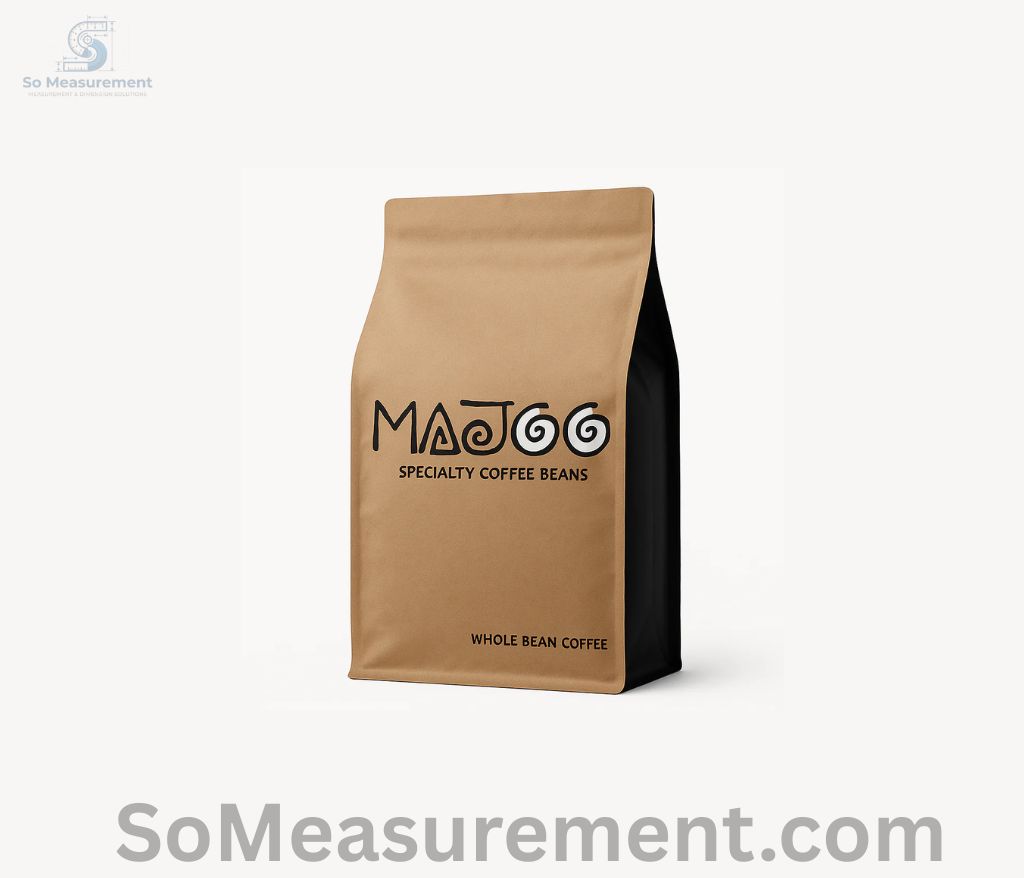
Independent coffee roasters often sell beans in 10 oz bags, not the grocery-store standard of 12 oz. Smaller bags signal freshness — you’re meant to use them before they go stale, not store them for months.
Hold one. It feels lighter than expected. The beans shift inside like a soft, dense pouch. That slightly-underwhelming weight is your 10 oz calibration point.
2. Two Regulation Baseballs
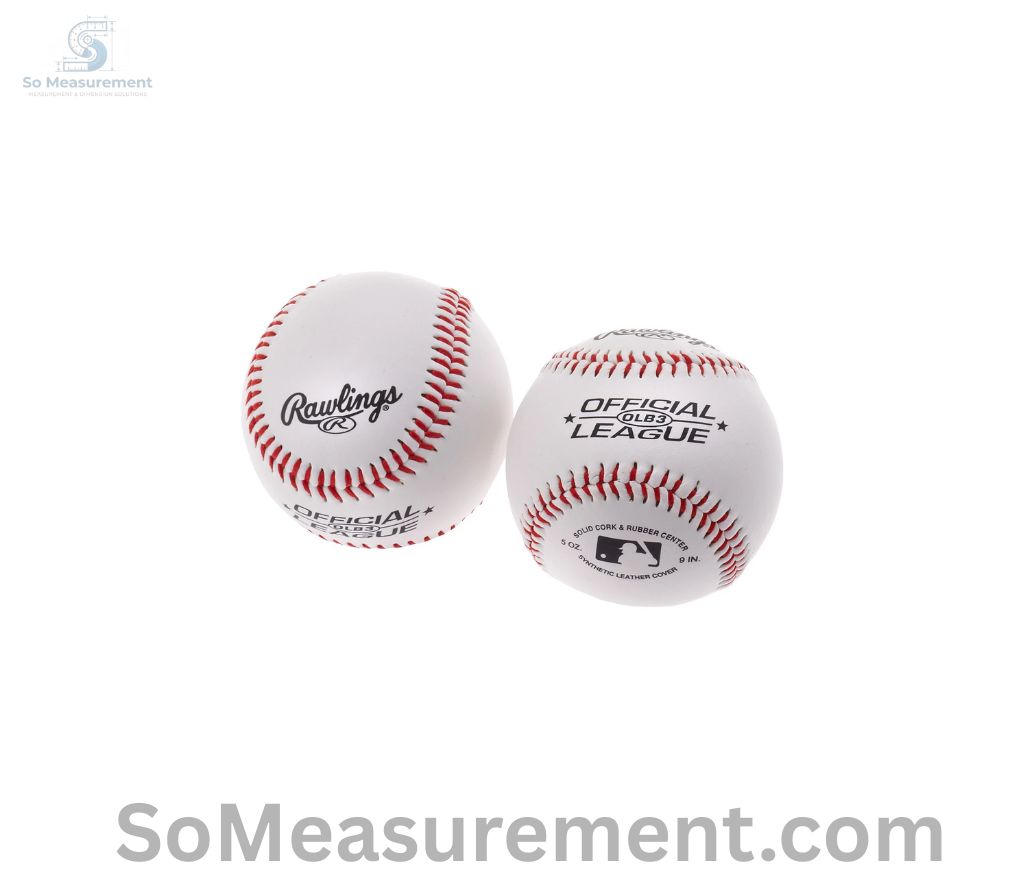
A Major League Baseball must weigh between 5 and 5.25 ounces — one of the tightest specifications in professional sport. Two together land squarely at 10 to 10.5 oz.
Toss one in each hand. Notice the firmness, the weight settling into your palms. That’s a calibrated reference you can find at any sporting goods store, any time.
3. A Restaurant Sirloin Before Cooking
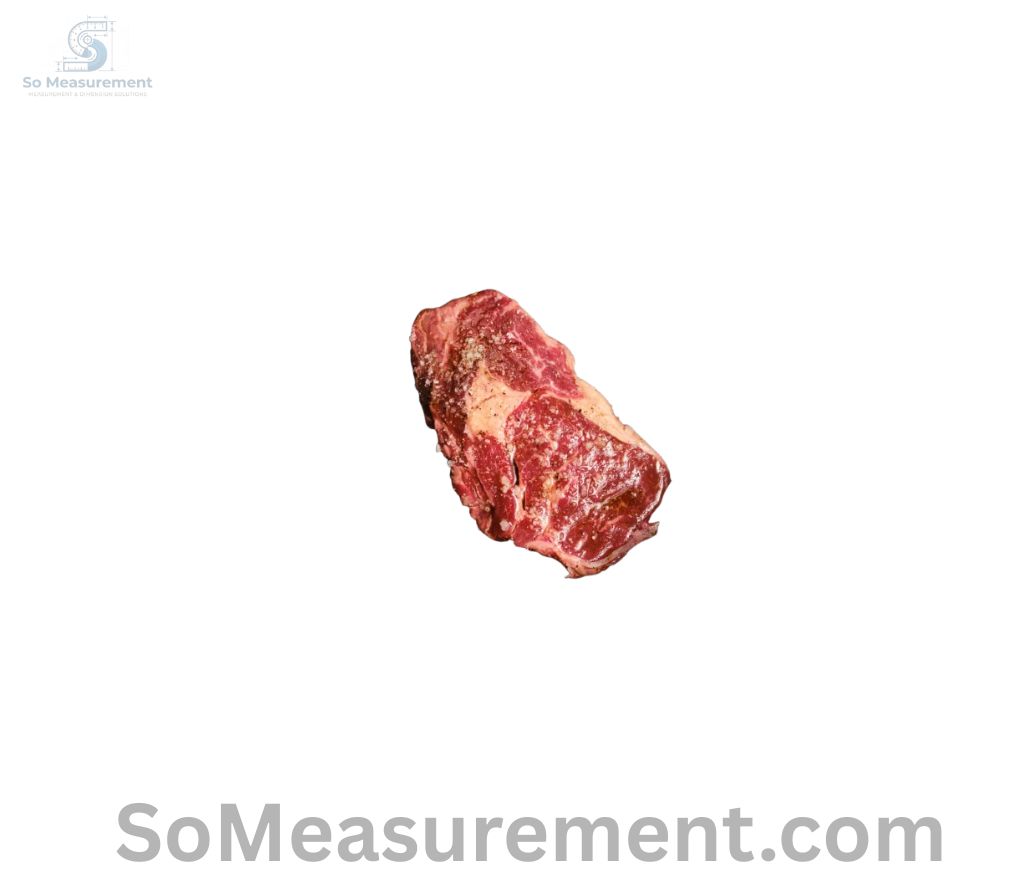
In most sit-down steakhouses, the mid-range cut — sirloin, strip, ribeye — sits at 10 oz raw. It feeds one adult without waste. Big enough to satisfy, not a challenge to finish.
Before the grill, a raw 10 oz steak is roughly palm-sized with a little overhang. Cooking shrinks it 20–25%, so what lands on your plate looks noticeably smaller than what was weighed.
4. Ten Chocolate Squares
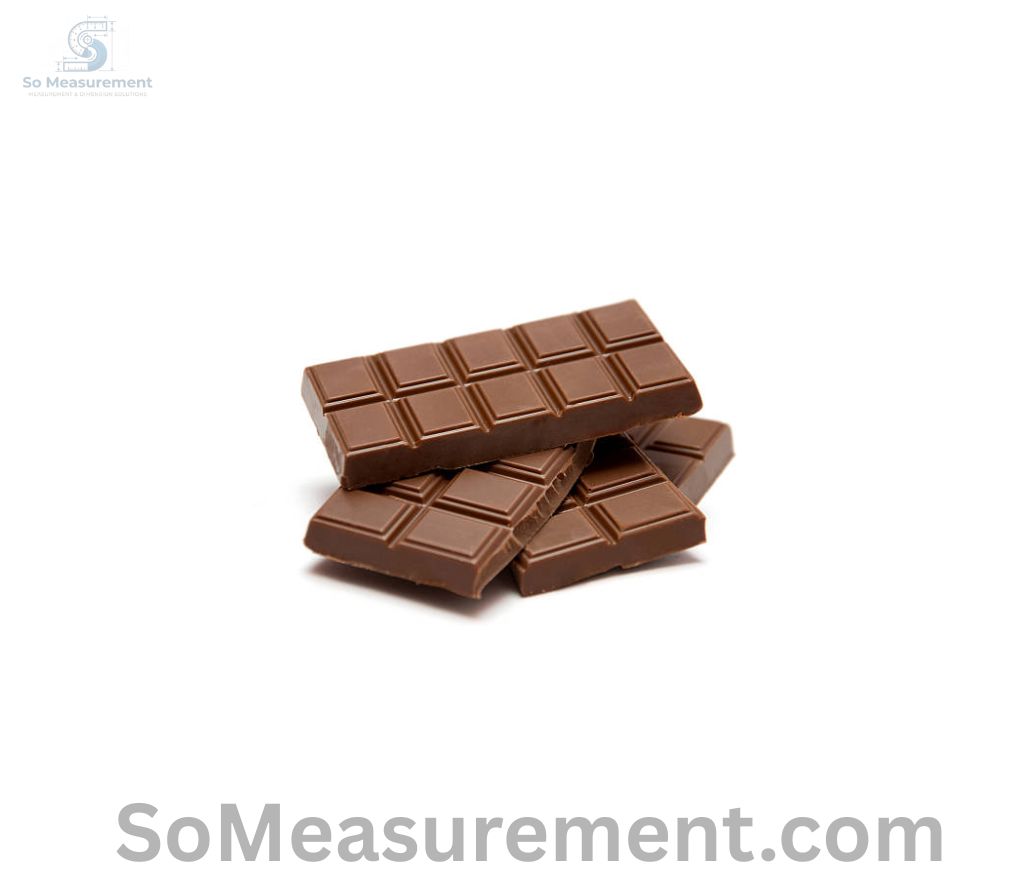
Quality chocolate bars — especially European imports — are often segmented into clearly marked 1 oz squares. Break off ten and you have an exact, edible 10 oz portion.
This is genuinely useful for baking. Many ganache and brownie recipes call for 10 oz of dark chocolate. Count ten squares from a properly portioned bar instead of wrestling with a scale at midnight.
5. Two Well-Fed Adult Hamsters
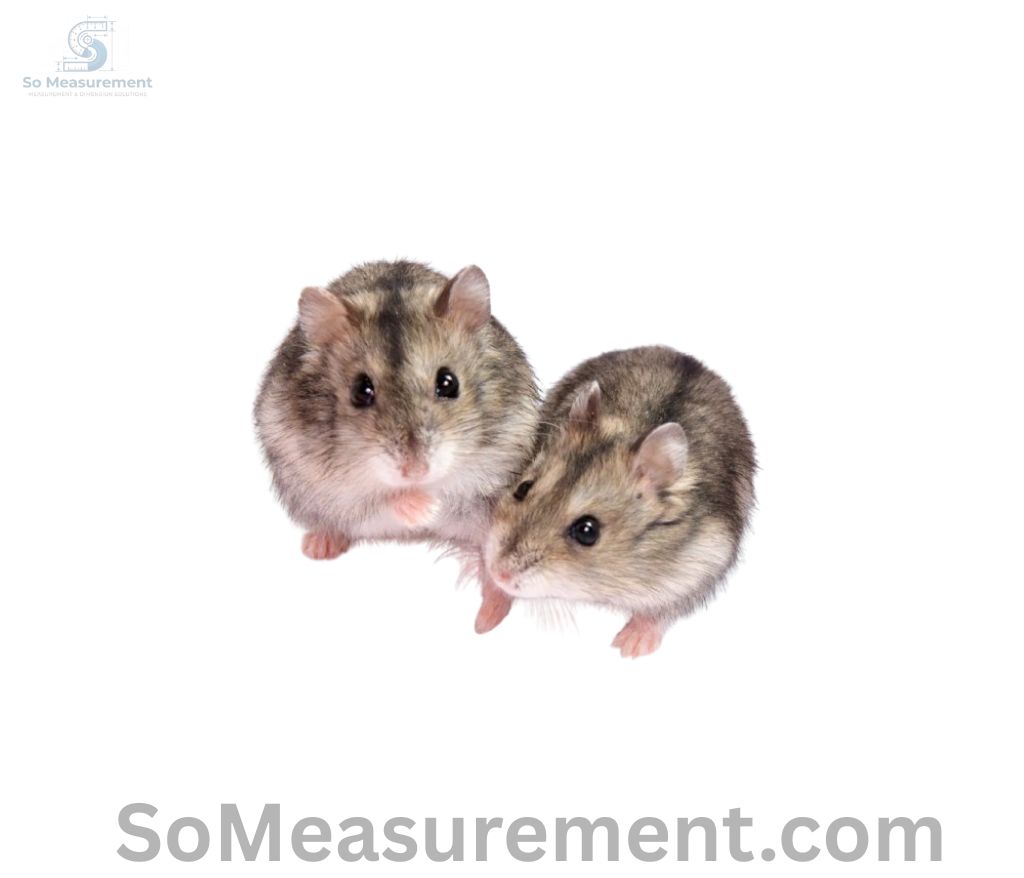
A Syrian hamster — the large, round, solo-living variety — weighs between 4 and 7 ounces fully grown. Two adults together typically total 9 to 10 oz.
This one surprises people, and that’s the point. It reframes 10 oz as genuinely light. Two small living animals. Changes how you hold the number in your head.
6. A Large Premium Apple
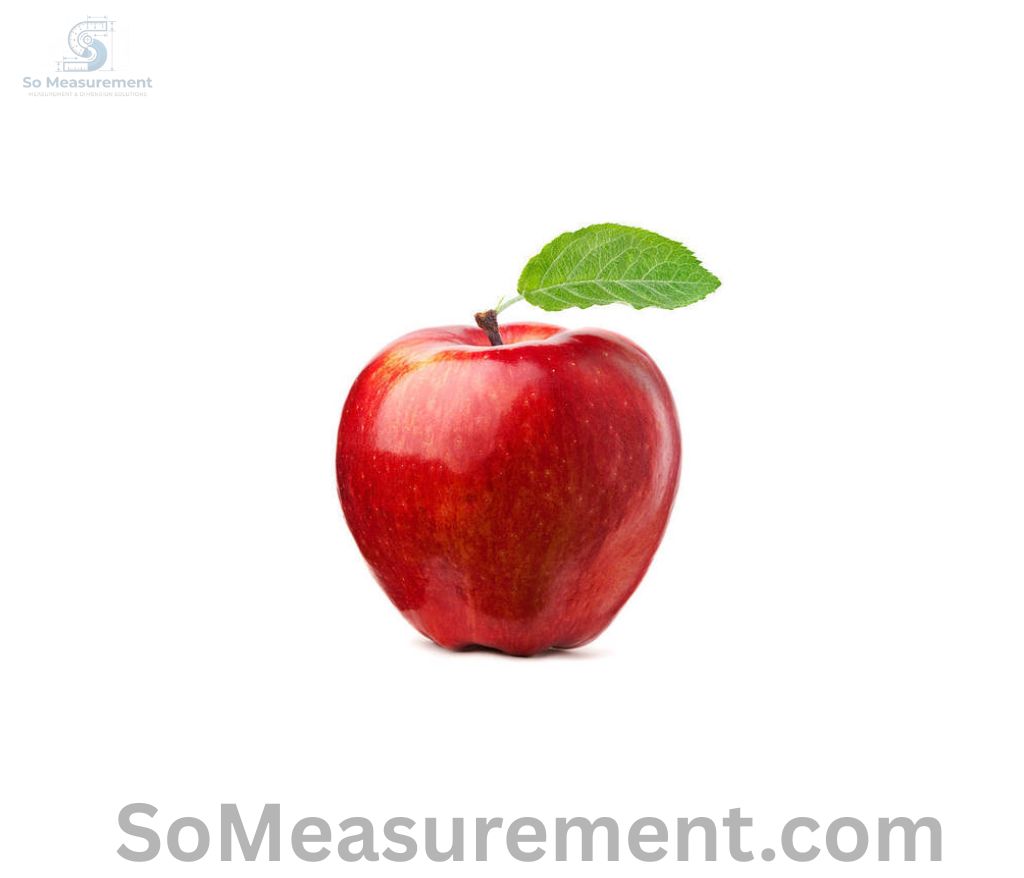
Most medium grocery-bin apples weigh 6 to 8 oz. But those oversized, individually priced apples — wrapped in foam netting or sold in the premium section — often tip the scale at 9 to 10 oz.
Weigh the biggest apple you can find next time you’re near a produce scale. It’s a satisfying way to make the measurement concrete, and you get a snack out of it.
7. Two Individual Yogurt Containers
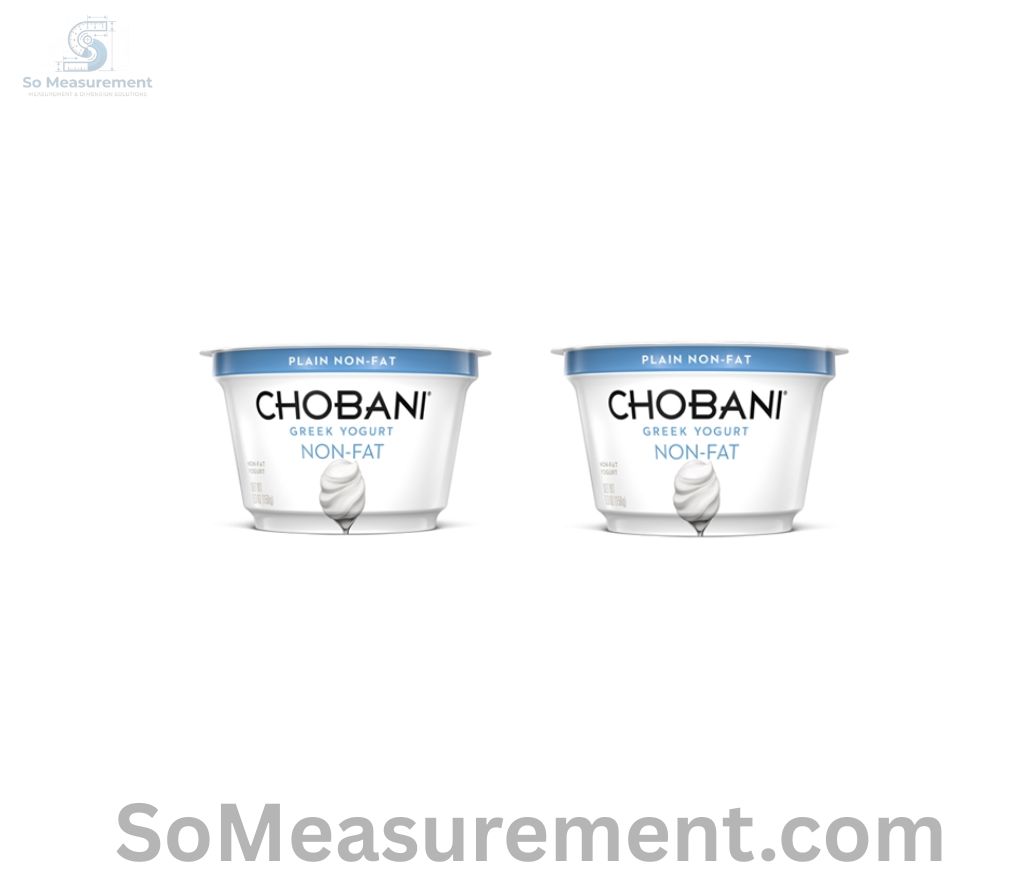
Single-serve yogurt cups in most stores come in 5 oz portions. Two in one hand = 10 oz.
What’s interesting is how light that feels. Almost casual in your palm. That lightness is the reality of 10 oz — it’s not a dramatic weight. It’s an everyday, comfortable amount.
8. A UK Imperial Cup of Liquid
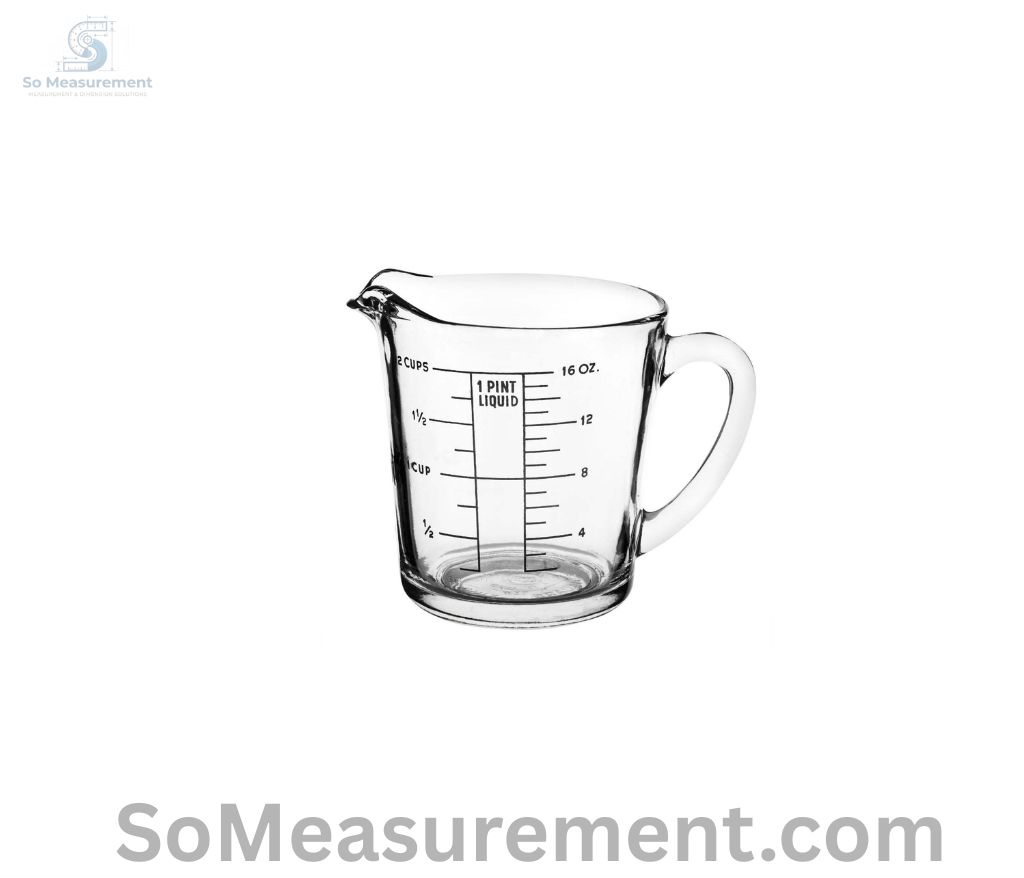
In the United Kingdom, one imperial cup equals exactly 10 imperial fluid ounces. American cups are 8 fl oz.
Follow a British recipe with a U.S. measuring cup and every single measurement is 20% short. The recipe isn’t wrong. The cup is different. This explains a lot of failed attempts at British baking.
9. Ten AA Batteries in a Retail Pack
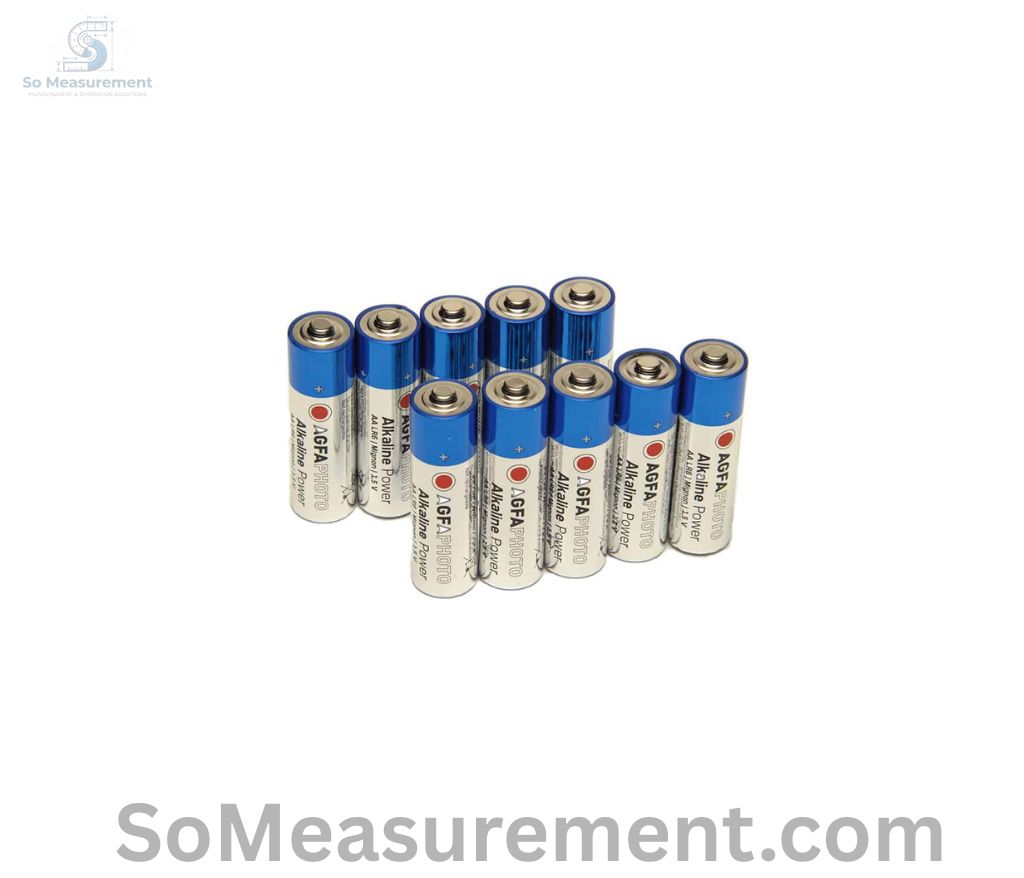
A single AA battery weighs about 23 to 25 grams — right around 1 oz. A 10-pack still in its plastic tray comes in very close to 10 oz total.
You’ve carried this package from a store shelf without thinking about it. Now you have a reason to notice. Consistent, reliable, available at any corner shop.
10. Ten Slices of Sandwich Bread
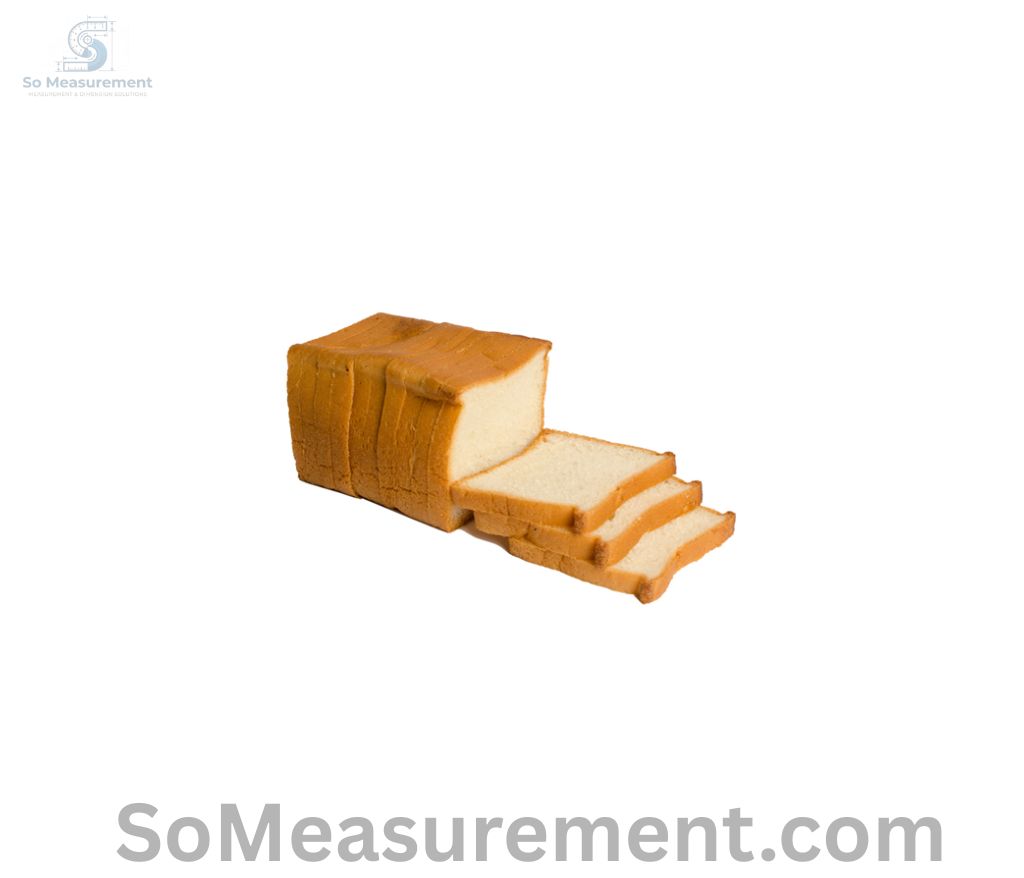
A standard slice of commercial sandwich bread weighs about 1 oz. Ten slices — roughly half a standard loaf — equals 10 oz.
Stacked, those ten slices rise about 3 to 4 inches. It’s a visible, physical stack that makes the weight feel real, especially for anyone tracking food portions during meal prep.
11. One and a Half Smartphones
Modern smartphones weigh between 170 and 200 grams, roughly 6 to 7 oz. One phone plus half the weight of another gets you to approximately 10 oz.
Hold your phone right now. Add half that weight again in your mind. That’s your 10 oz mark. Lighter than most people guess when they first hear the number.
12. Just Under Two-Thirds Pound of Ground Beef
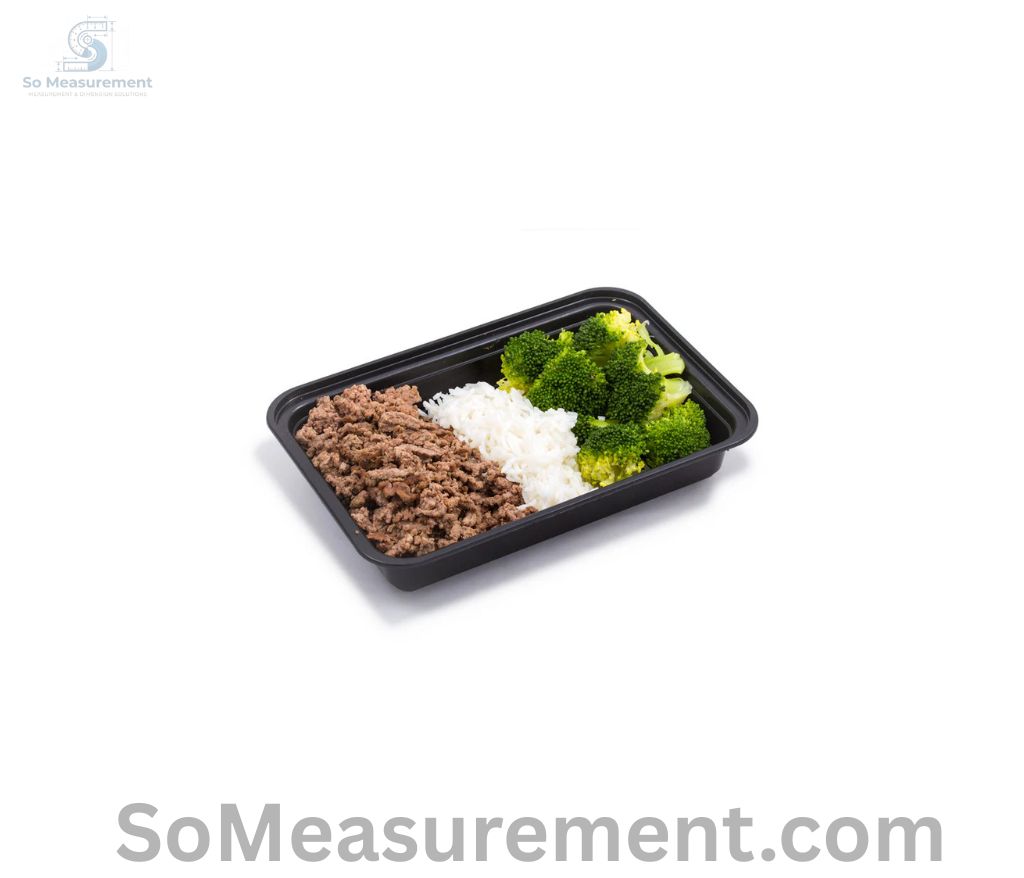
Ten ounces is 0.625 pounds — slightly less than ⅔ lb. At a butcher counter, asking for “just under two-thirds of a pound” lands you right at 10 oz.
That’s enough for two standard burger patties or a solid meat sauce for two pasta portions. A real, usable cooking quantity — not just a math exercise.
13. A Small Can of Vegetables
Personal-size cans of corn, peas, or green beans are commonly sold in 8 to 10 oz sizes. The 10 oz can is a genuine retail standard for small-household portions across the U.S. market.
Pick one up in the canned goods aisle. It sits compact and slightly cold in your hand, denser than it looks. Thin packaging means almost all of that weight is the contents.
14. Ten Unsharpened Pencils
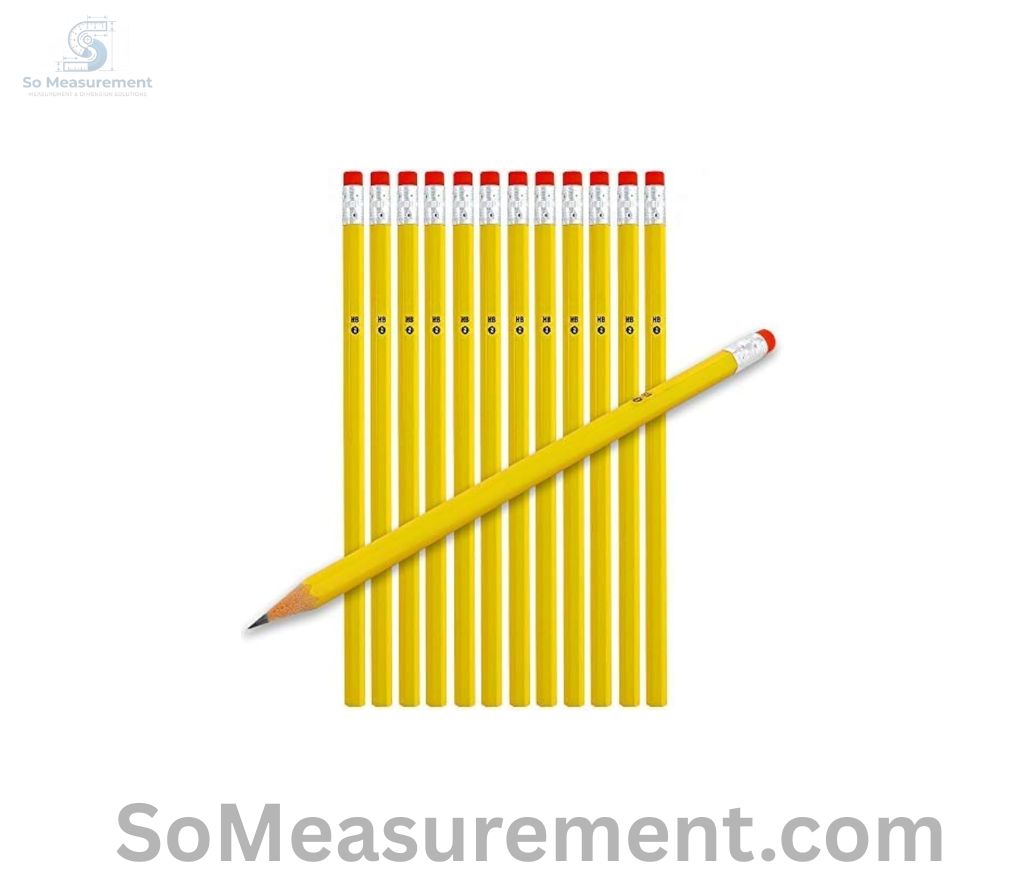
A standard wooden pencil before sharpening weighs close to 1 oz. Ten bundled with a rubber band weigh right at 10 oz — and the bundle is easier to hold than you’d expect.
Teachers, designers, anyone with a pencil cup nearby can grab ten and feel it. Not much weight. That’s the lesson — 10 oz consistently feels lighter in hand than it sounds on paper.
15. 1.25 Cups of Water in a Measuring Cup
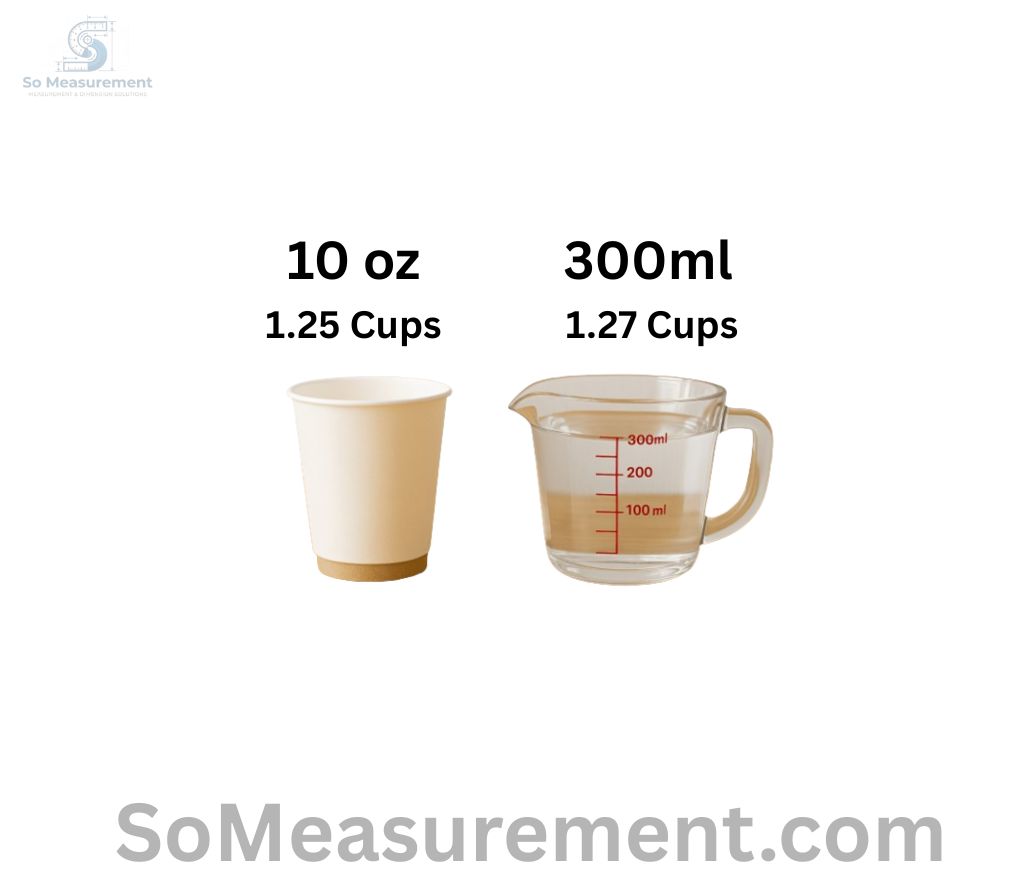
Fill a U.S. measuring cup to the 8 oz line. Add a quarter cup more. That combined amount — sitting right in front of you — is 10 fl oz.
Most direct demonstration available in any kitchen, no scale needed. If a recipe calls for 10 fl oz and you don’t have a 10 oz measure, the 1 cup + ¼ cup split works every time.
Measuring 10 oz Without a Scale
Use a standard mug. Most 10–12 oz coffee mugs are sized close to 10 oz. Fill just under the rim for a reasonable liquid estimate.
Count calibrated objects. Ten AA batteries or two baseballs both equal 10 oz. Use them as comparison weights on a postal or balance scale.
Cupped hand for dry ingredients. A medium adult hand cupped holds roughly 1 to 1.5 oz of small dry items. Ten consistent handfuls gets close — not precise, but workable for flexible recipes.
Two Mistakes Worth Knowing
Swapping fluid ounces for weight ounces. A recipe calling for “10 oz of cream cheese” means weight, not volume. Measuring 10 fl oz of liquid instead gives a different quantity. This specific error wrecks textures in baking more than almost anything else.
Using U.S. cups for British recipes. A UK imperial cup is 10 fl oz. A U.S. cup is 8 fl oz. Every measurement in a British recipe comes out 20% short when measured with an American cup. The numbers look right. The result won’t be.
Related that you may like:
14 Everyday Items That Weigh 10 Grams
15 Everyday Items That Weigh 1 Gram
FAQ’s on 10 Ounces
How can I measure 10 ounces without a scale?
For liquids, use 1¼ cups (1 cup + ¼ cup). For rough weight, compare it to two baseballs or a small bag of coffee beans. It won’t be perfect, but it’s close enough for everyday use.
Is 10 ounces a lot of food?
It depends on what you’re eating. For meat, it’s a solid single portion. For lighter foods like popcorn or leafy greens, it can look like a much larger amount because they take up more space.
Why do recipes use ounces instead of cups sometimes?
Ounces (weight) are more accurate. Cups can change depending on how tightly something is packed. If you want consistent results, especially in baking, weight is more reliable.
Does 10 ounces of liquid equal 10 ounces of weight?
Only for water and liquids very close to it. Most other ingredients differ because of density. Oil, milk, and syrups all weigh different amounts even at the same volume.
Final Words
Getting comfortable with 10 Ounces is less about memorizing numbers and more about building a feel for it. Once you connect it to everyday things — a drink, a portion of food, something you can hold — it becomes practical, not confusing. That small shift makes cooking easier, shopping clearer, and measuring far less stressful.

Lev is passionate about helping readers understand sizes and dimensions of everyday objects. With a focus on clarity and practical examples, Lev shares accurate, trustworthy insights that make measurements relatable, useful, and easy to visualize for everyone.