A gram is easy to define. One thousandth of a kilogram. Great. But that does not help you picture it.
The real question people search for is not the definition. It is: what does 1 gram feel like, and what can I use to check, prove, or explain it without a lab?
This guide answers that. The items below are grouped by what you actually need to do with them, not just listed one after another in the same format.
Why 1 gram is so hard to feel
Your hand does not sense weight the way a scale does. It senses changes in pressure. When something sits still on your open palm, your brain filters that signal out, the same way you stop noticing the feel of your shirt after a few minutes.
One gram sitting flat on your hand is below the threshold most people can detect. It is not that you lack sensitivity. It is that 1 gram produces almost no pressure change at all.
The trick that actually works: Pick the object up and put it down several times quickly. The movement creates a contrast signal your nerves can catch. This is why a paperclip on your desk feels like nothing but you notice it the instant you pick it up.
Keep that in mind as you try the items below. Do not just place them on your palm. Move them around a little.
If you need to check your scale
These are the items to reach for when you need something reliably accurate, not just roughly close.
US dollar bill
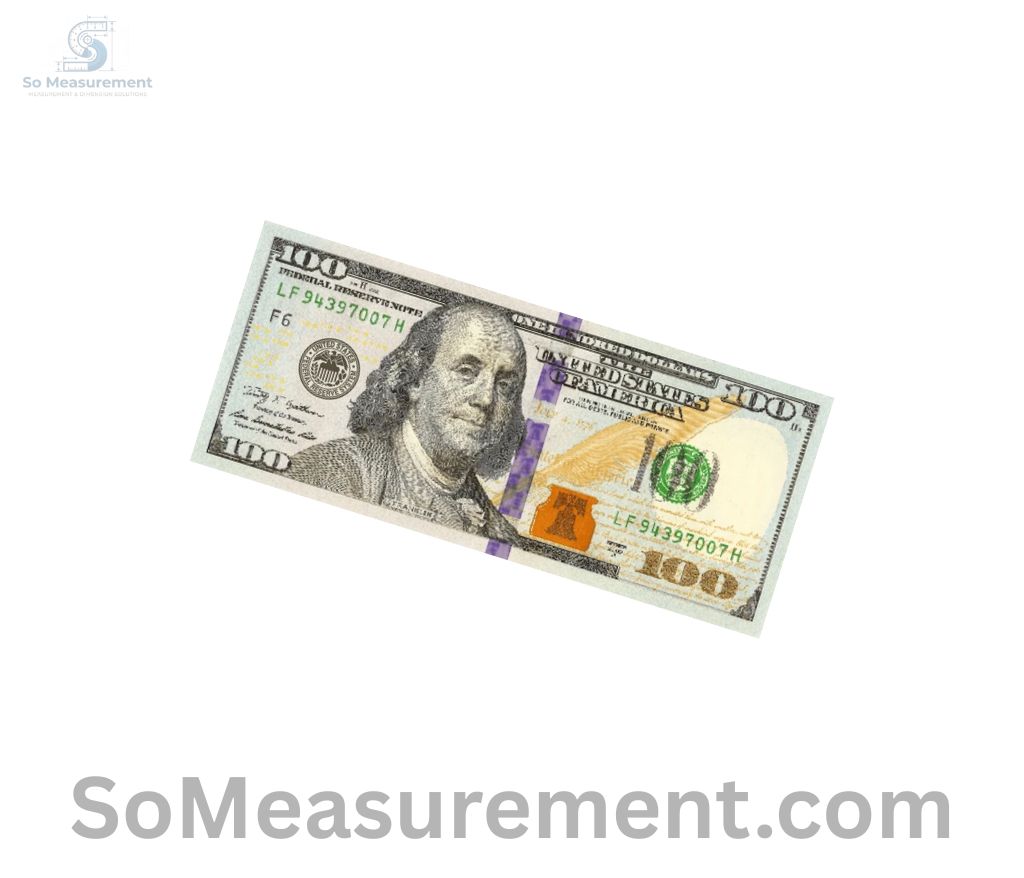
Any denomination. A $1 bill and a $100 bill weigh the same because the Bureau of Engraving and Printing uses the same cotton-linen paper stock for every note, no matter what number is printed on it. Bank machines use this consistency to catch counterfeits, so the tolerance is very tight. Use a clean, flat, dry bill and it will read exactly 1 gram on any decent scale.
Standard #1 metal paperclip
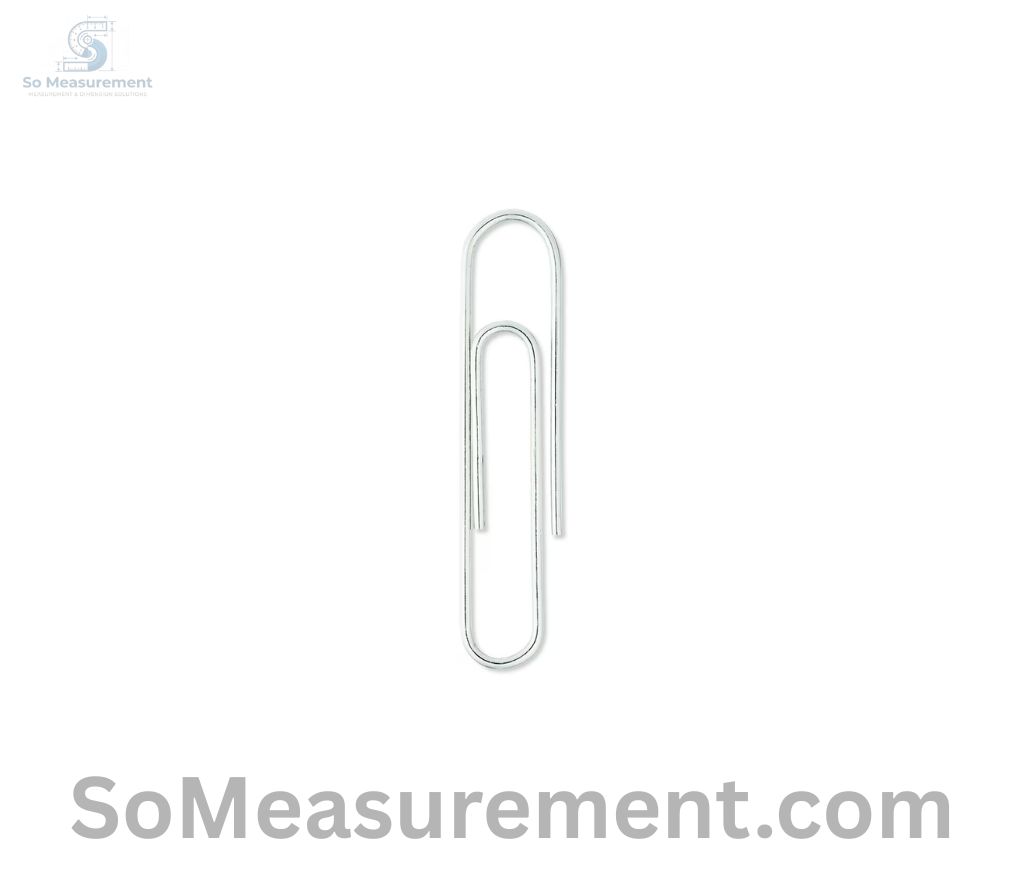
The plain silver ones, not the jumbo size or the colored plastic kind. Manufacturing precision on these is tight enough that they are consistent across thousands of units from any major brand. The best way to use them for calibration: put 10 on the scale together. They should read 10g. Budget kitchen scales are often inaccurate below 5 grams but more reliable in the 10 to 20g range. If 10 paperclips read 10g, each one is 1g.
Japanese 1 yen coin
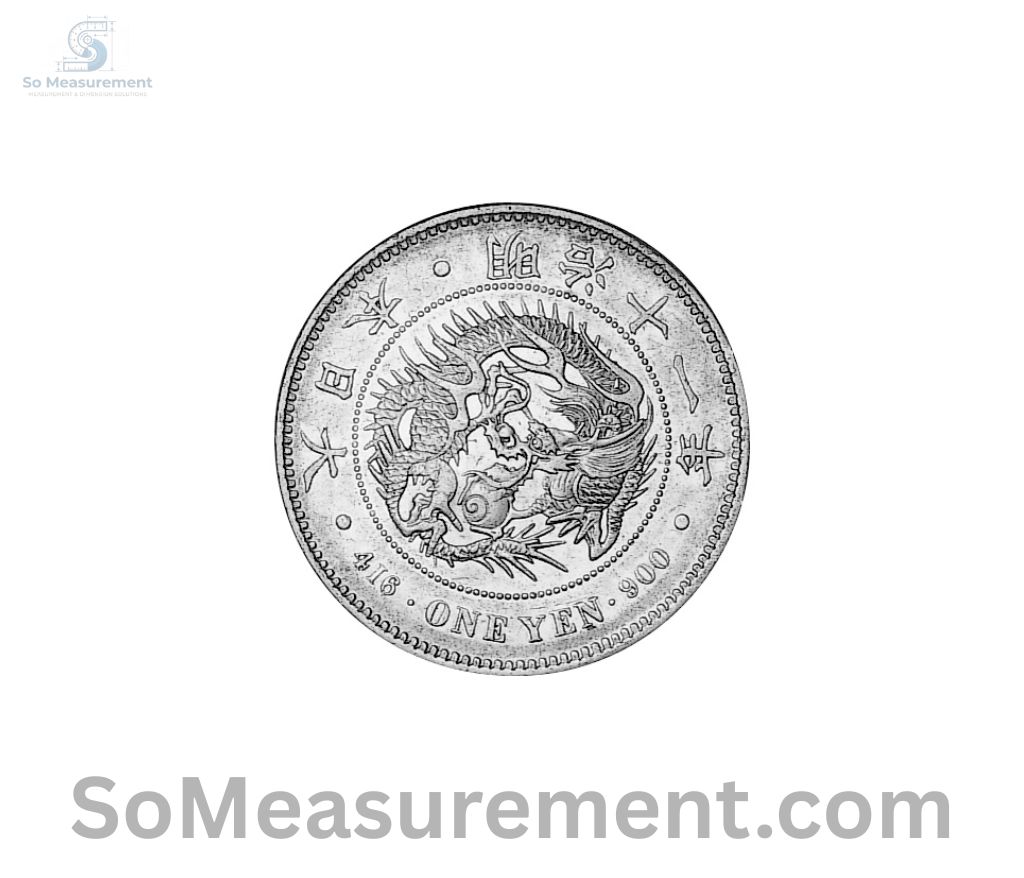
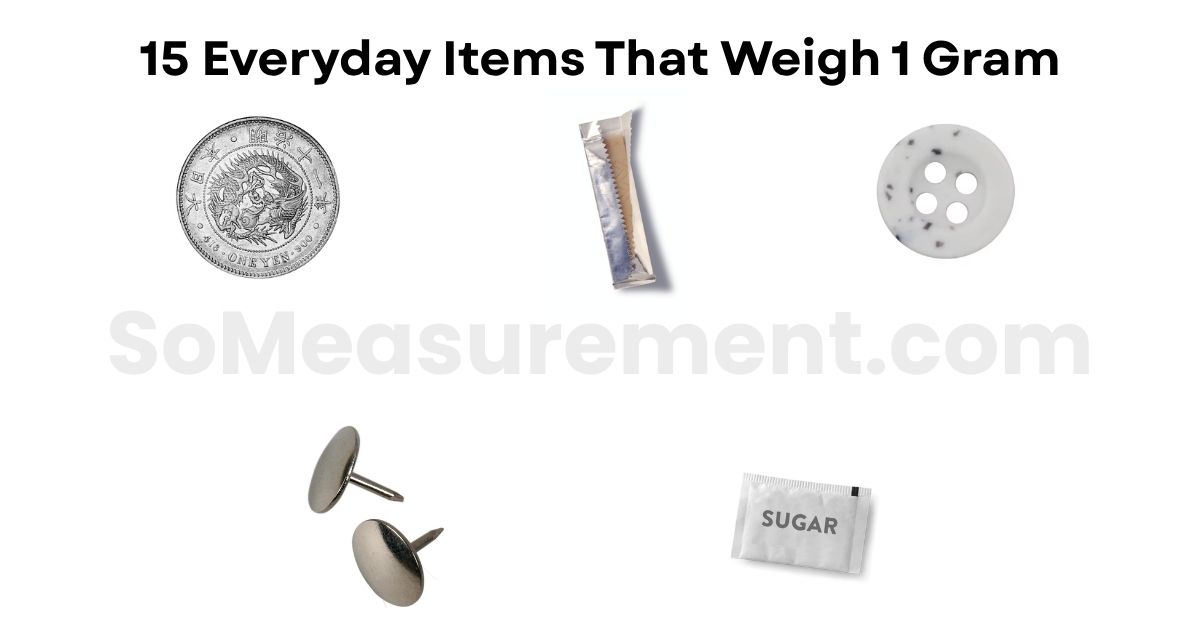
The Japan Mint built this coin to weigh exactly 1 gram. It is written into the official specification. Made from pure aluminum, it is light enough to float on still water if you set it down flat. Japanese teachers have used it as a classroom weight reference for decades. If you happen to have one, it is arguably the most precise everyday 1g reference that exists.
1 mL of water in a medicine dropper
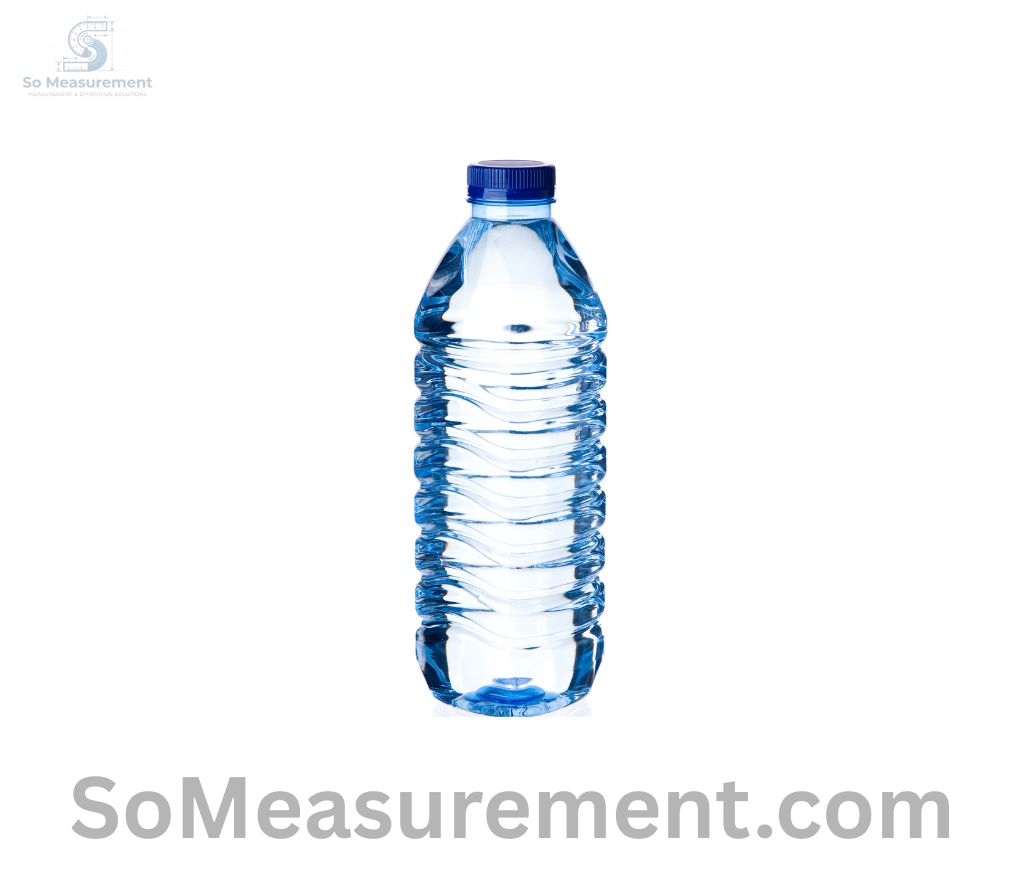
This is not a coincidence. The metric system was designed this way on purpose: 1 milliliter of pure water equals exactly 1 gram. Fill a marked medicine dropper to the 1mL line and that liquid is your gram with zero manufacturing variation. Worth knowing: this only works for water. Honey runs about 1.4g per mL. Olive oil is closer to 0.9g. Volume and mass are only interchangeable for water.
Scale sanity check: Most home kitchen scales have plus or minus 1 to 2 grams of error at low readings. A reading of “1g” on your kitchen scale could honestly be anywhere from 0 to 3 grams. Use the 10-paperclip method above to verify it before trusting it at low weights.
If you want to show someone what a gram is
Teaching a child what a gram feels like is a different problem than calibrating a scale. You want something familiar, something they can hold, and something that creates a bit of an “oh” moment.
A single raisin
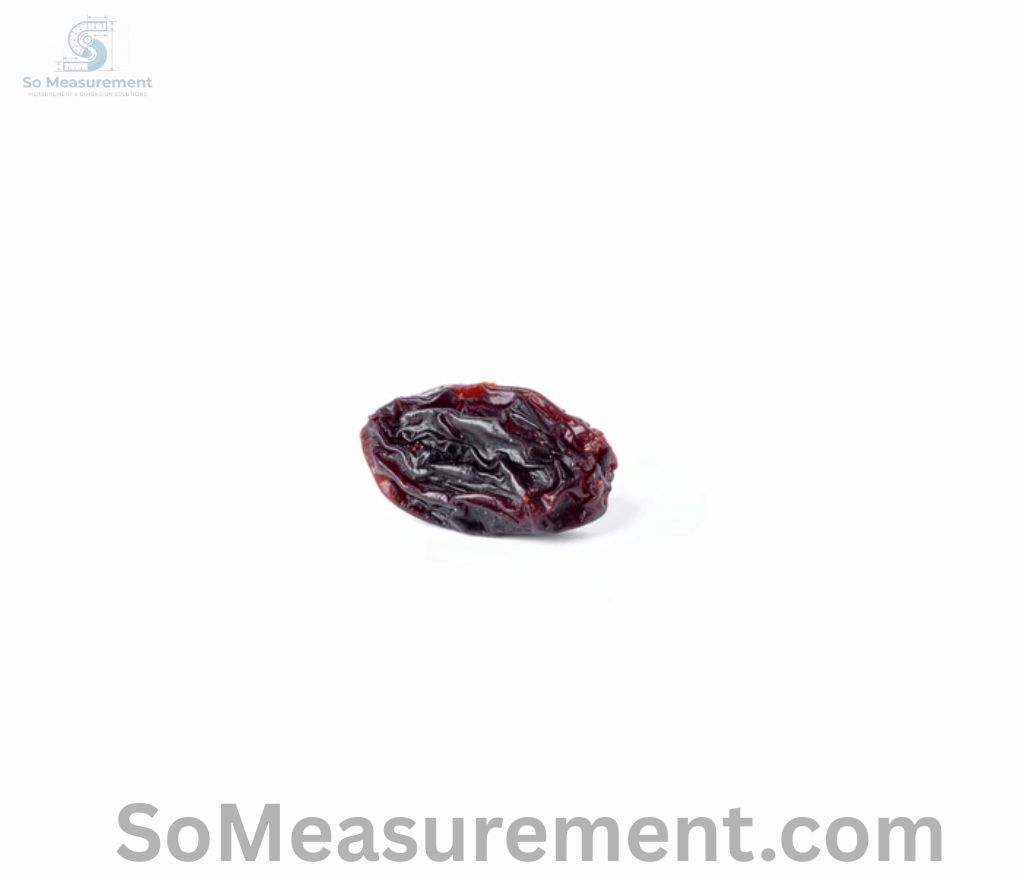
A medium sun-dried raisin from a standard box weighs about 1 gram. It is the best teaching tool on this list because it sits on a fingertip in a way that makes the weight barely perceptible, and kids are not intimidated by it. Try this: hold one raisin on a fingertip, then put ten in your palm. That contrast between “I can barely feel this” and “okay now I feel something” does more to explain grams than any definition.
A birthday candle vs. a paperclip
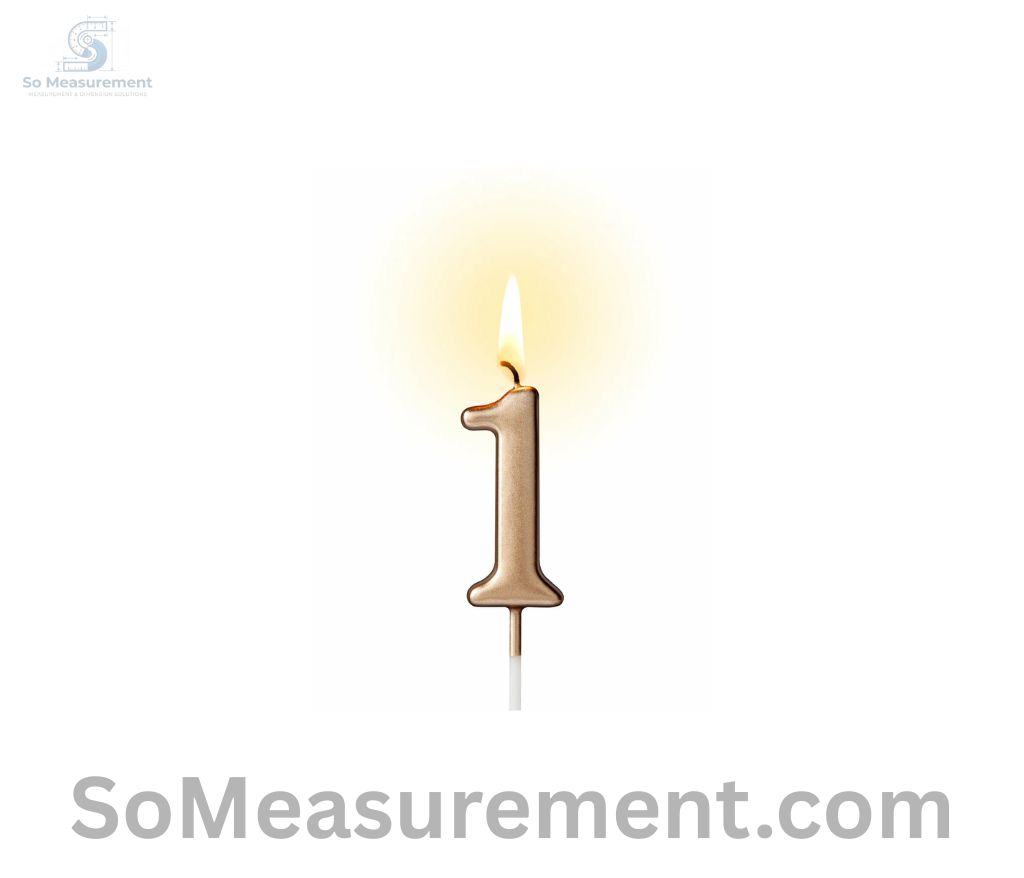
This one is specifically for teaching, not calibration. Hold a 2-inch birthday candle, then hold a small metal paperclip. Same weight. The candle feels lighter because it is bigger and softer. Your brain assumes softness means lightness. The scale disagrees. This comparison alone helps people understand why you cannot trust your hand for small measurements and why a scale matters.
Things you will find in the kitchen Roughly 1 gram each
A single-serve sugar packet
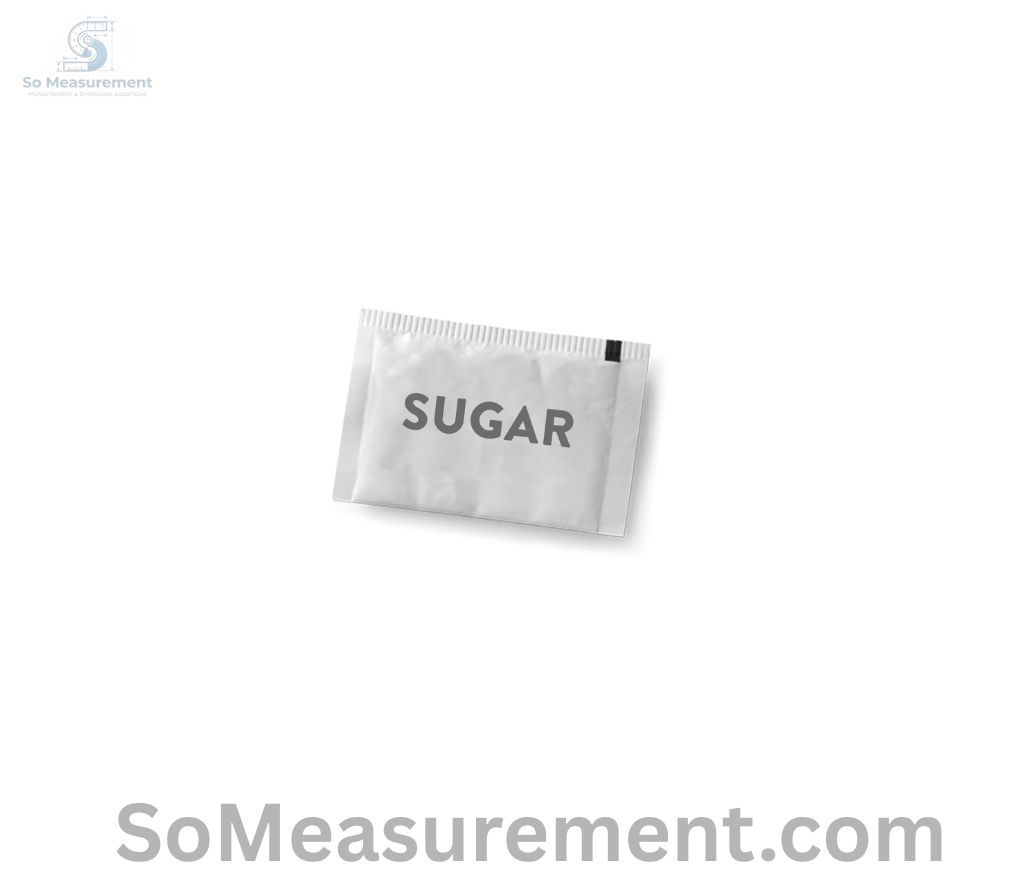
The sugar inside is exactly 1 gram in most commercially produced packets. The paper wrapper adds a small fraction but the label usually says “1g” right on it. Grab one from your next coffee run. It is a pre-labeled reference that costs nothing.
A stick of chewing gum (wrapper removed)
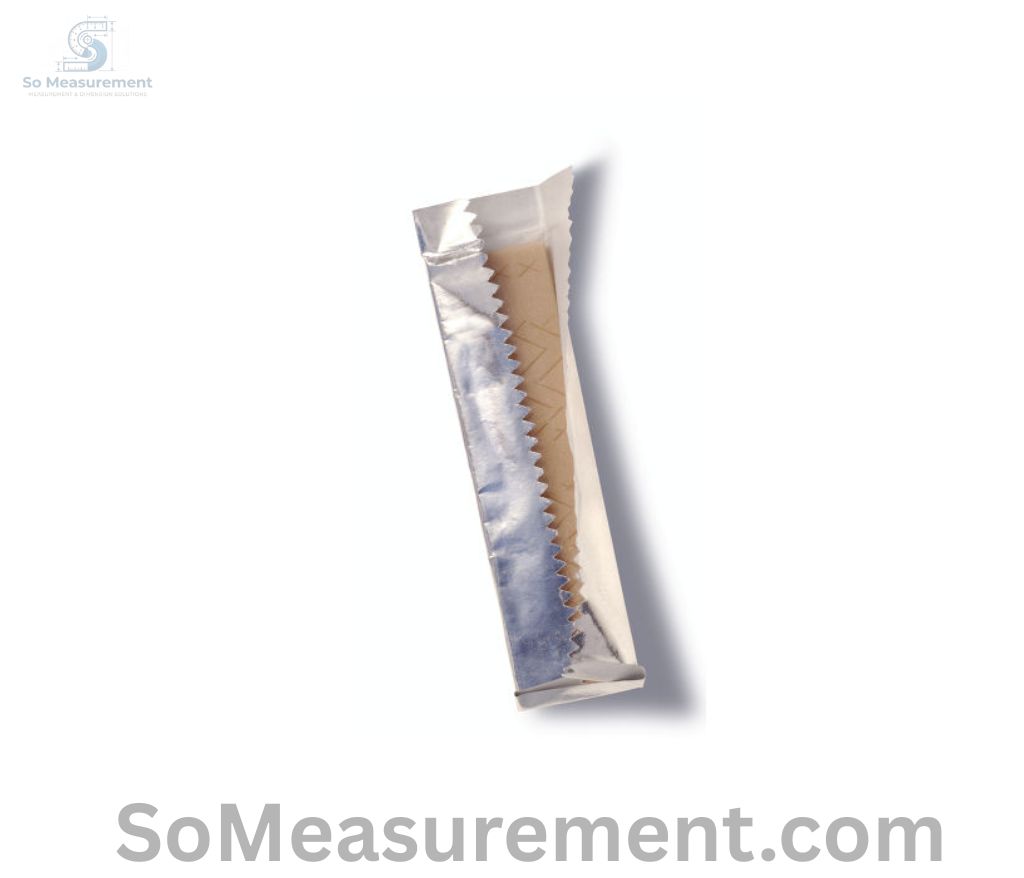
A flat piece of gum like Wrigley’s Spearmint weighs close to 1 gram once the wrapper is off. It is about 7cm long, slightly rubbery, and when you hold it between two fingers it barely presses back. That is what 1 gram feels like when the mass is spread across a flat shape rather than packed into something small and dense.
Ten wooden toothpicks bundled together
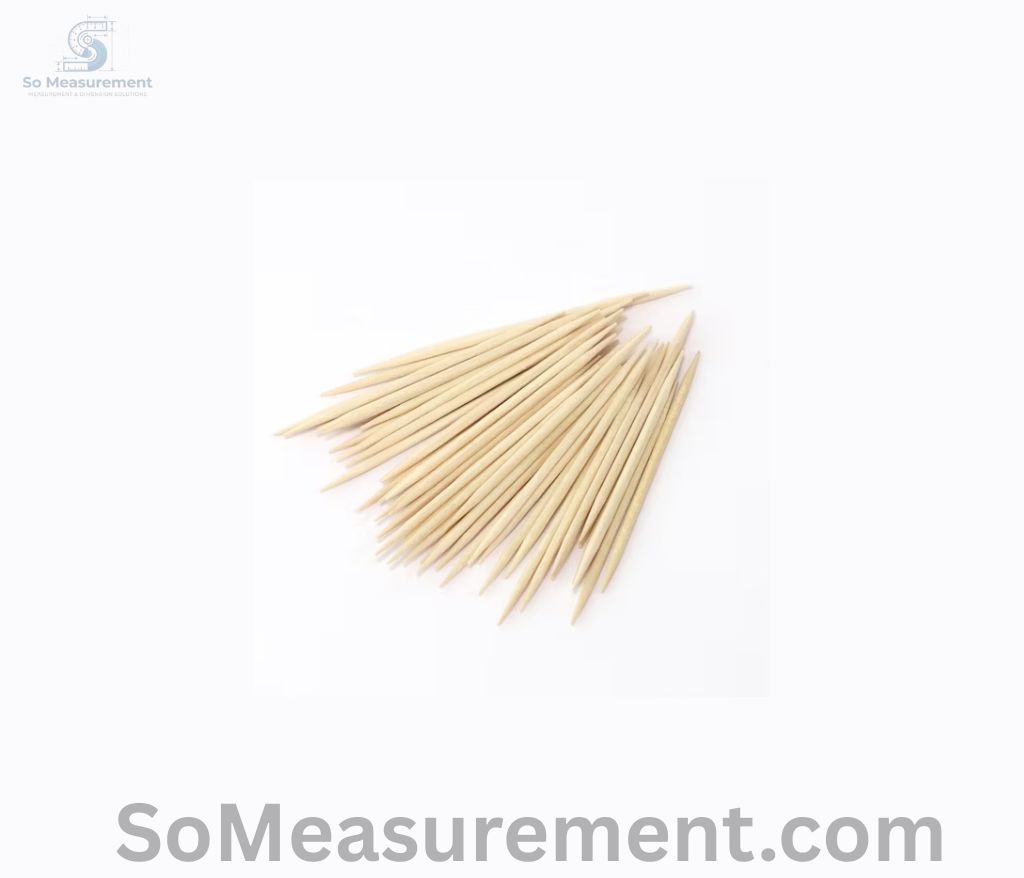
One toothpick weighs about 0.1 grams. You genuinely cannot feel it. Bundle exactly ten standard wooden toothpicks and they add up to roughly 1 gram. The reason this is worth trying: it changes how you think about small measurements. Ten separate objects, each one below your sense of touch, add up to the same weight as a dollar bill. That kind of intuition is useful when you are measuring spices or yeast by the gram.
A small plastic water bottle cap
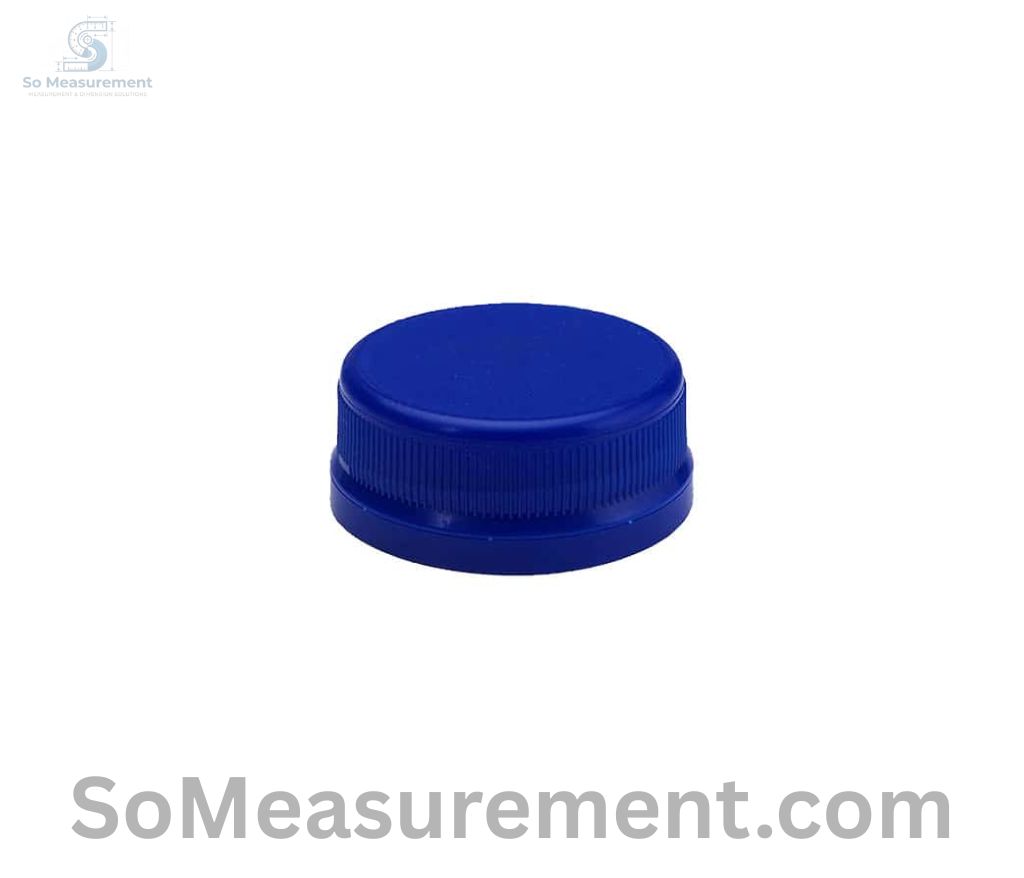
Unscrew the cap from a 500mL water bottle. It weighs about 1 gram. Caps are injection-molded to consistent volumes so they are more uniform across brands than you would expect. Most people assume rigid plastic is heavier than this. When it barely registers on their palm, it resets their idea of how light “light” actually is.
Things on your desk right now
Bic Round Stic pen cap
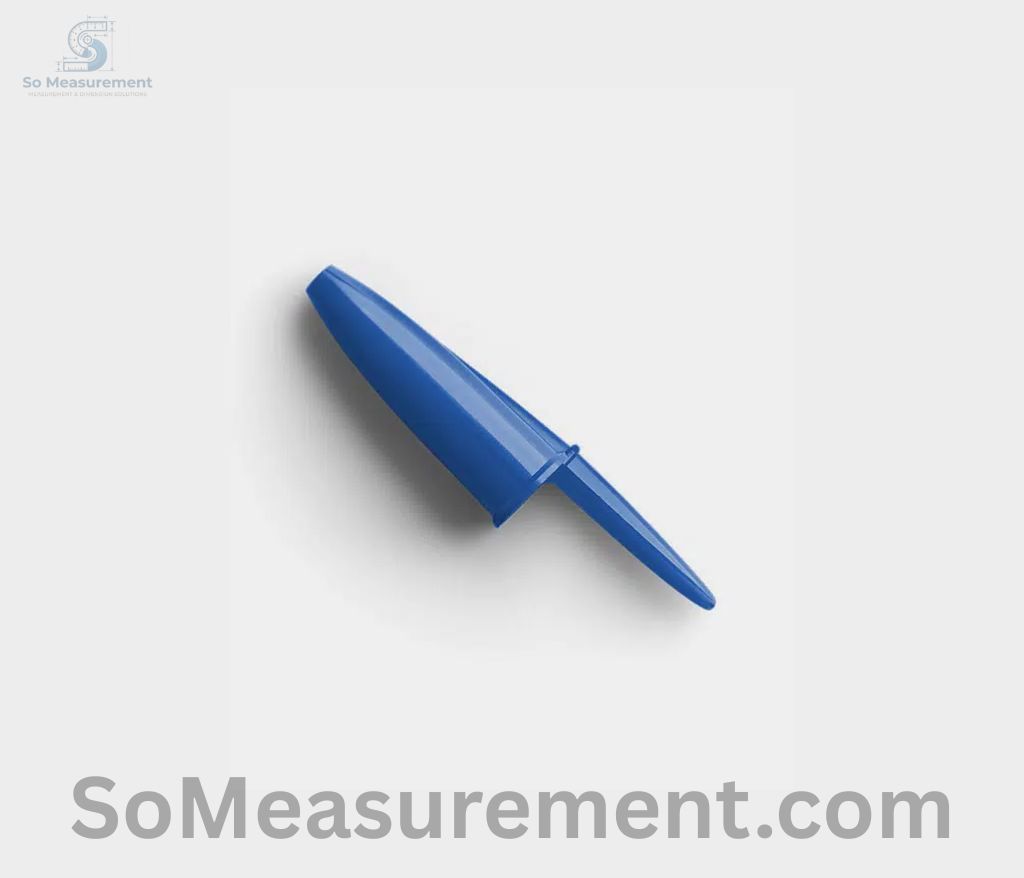
Pull the cap off a standard Bic ballpoint pen. That little hollow tube of plastic weighs about 1 gram. Most people flick pen caps across the room without a second thought. Turns out they have been holding a gram reference the whole time.
A flat-head thumbtack
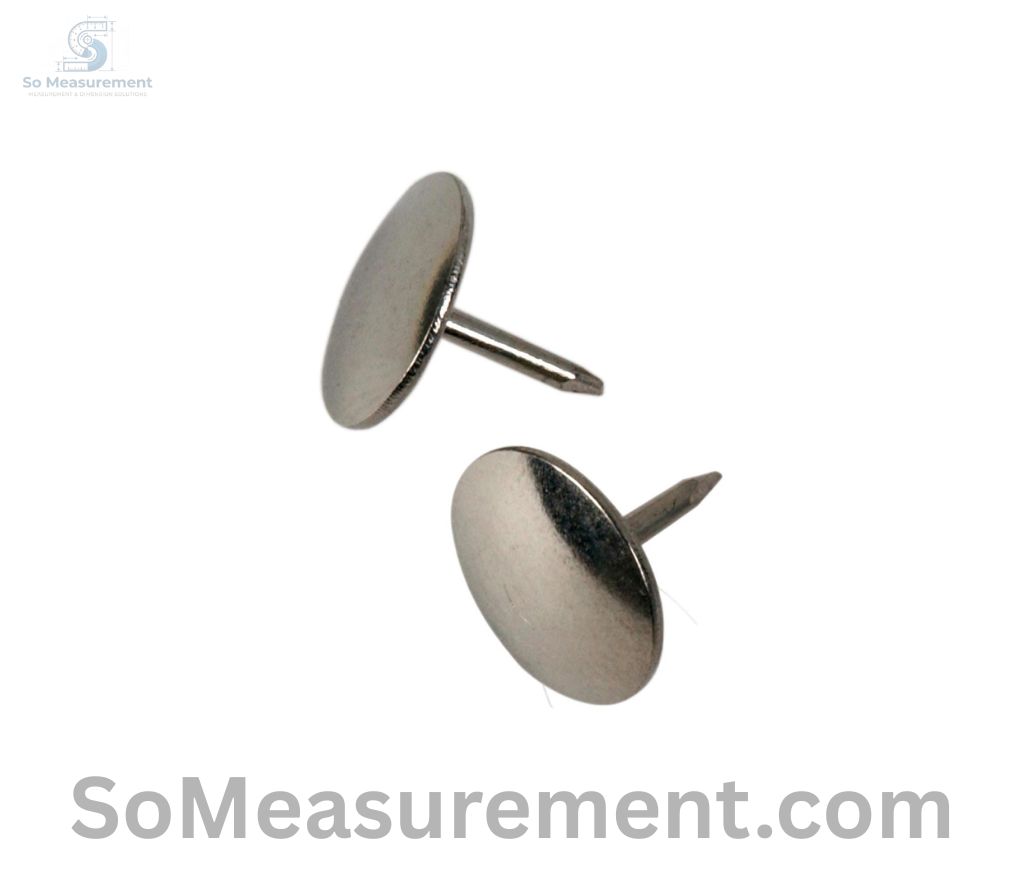
A standard bulletin board thumbtack with a metal head and short pin weighs close to 1 gram. The metal head looks dense and heavy relative to its size, so people expect more. Press the flat side gently against your fingertip and you can just barely feel it. That expectation-versus-reality gap is actually useful: it shows why compact and dense does not always mean heavy.
Small collar shirt button
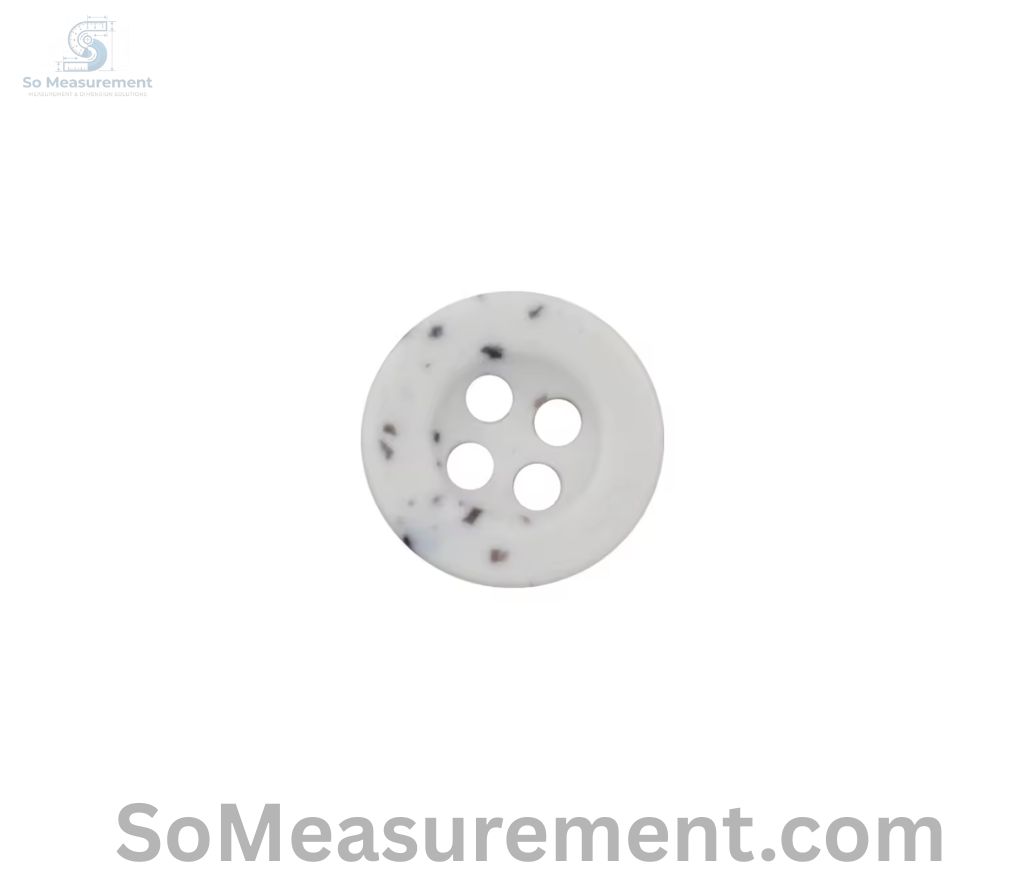
The small flat buttons near the collar of a dress shirt, roughly 1cm across, weigh about 1 gram. Not the larger coat buttons. The thin ones stamped from plastic sheet. Drop one on your palm and it makes almost no sound and almost no impression on your skin.
Coil spring from a wooden clothespin
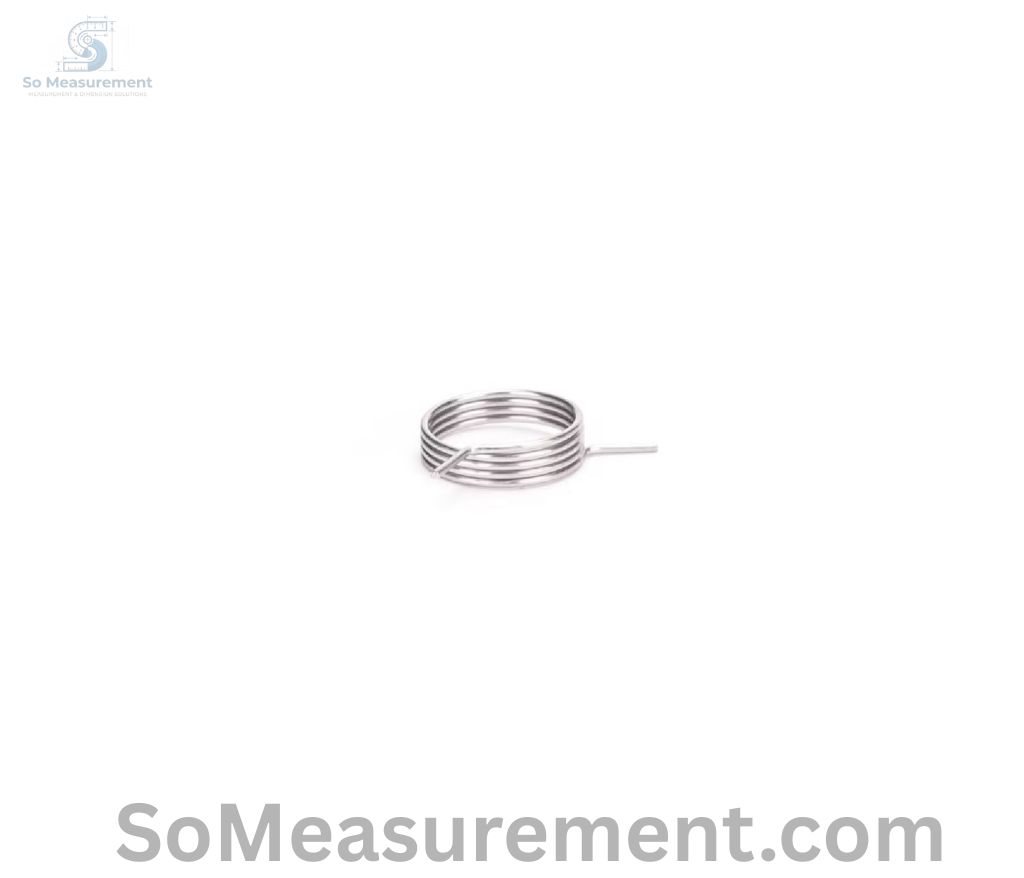
Snap a wooden clothespin apart and pull out the small coiled spring. It weighs about 1 gram. It feels like it should weigh more because of how stiff and tightly wound it is. Stiffness and mass are not the same thing. That is an easy lesson to walk away with.
Dome-top drawing pin
The older style with a round raised dome rather than a flat plate. Same weight as a thumbtack, around 1 gram, but the dome sits differently on your fingertip. The larger contact area makes the pressure slightly more detectable. Of all the items on this list, the dome-top drawing pin is the one most people can actually feel without any tricks.
How to measure 1 gram without a scale
Use a medicine dropper
1 mL of water equals 1 gram, full stop. Any marked medicine dropper from your bathroom cabinet gives you this instantly. No tools, no equipment. Fill to the 1mL line and that liquid is your gram. It does not get simpler than this.
Make a ruler balance
Lay a 30cm ruler flat across a pencil at the 15cm center mark. Place a known 1g item (like a dollar bill) on one end. Put your unknown item on the other end. If the ruler holds level, the masses are roughly equal. It is not lab-grade but it works for quick comparisons.
Cross-check your kitchen scale
Kitchen scales are unreliable at 1g alone. But they are much more accurate at 10 to 20g. Put 10 paperclips on the scale. If it reads 10g, each one is 1g. Now you can use a single paperclip as a trusted reference for that scale. You used the scale’s reliable range to verify its weak range.
For medication, gold, or chemistry: Do not use a kitchen scale. Buy a jeweler’s scale rated to 0.01g resolution. The accuracy difference is significant and the cost is small.
Two mistakes worth knowing about
Treating grams and milliliters as the same thing
They are equal for water. For almost everything else, they are not. One mL of honey weighs about 1.4 grams. One mL of olive oil is around 0.9 grams. A gram of flour and a mL of flour are very different amounts. If a recipe lists grams, weigh it. Do not swap to mL unless you know the specific density of that ingredient.
Trusting a kitchen scale at very low weights
Most home kitchen scales carry plus or minus 1 to 2 grams of error. At low readings, that error is the entire measurement. A reading of “1g” on a cheap kitchen scale could be 0 or it could be 3. Use the 10-unit cross-check method described above before trusting any low-gram reading from a basic kitchen scale.
Quick answers
Why can I not feel 1 gram in my hand?
Your skin detects pressure changes, not steady low-level loads. One gram sitting still falls below the detection threshold for most people. Pick the object up and set it down a few times quickly. The motion creates a contrast your nerves can actually pick up.
Can I use grams and milliliters the same way in cooking?
Only for water-based liquids, and only approximately. For anything else, use whichever unit the recipe specifies. Flour, oil, honey, and butter all have different densities, so the numbers do not match up.
Why do all US dollar bills weigh the same?
The Federal Reserve prints every denomination on the same cotton-linen paper stock. The number on the bill does not change the physical material. Bank machines rely on this consistency to flag fakes, so the tolerance has to be tight.
What is the easiest item on this list to actually feel?
The dome-top drawing pin. Its rounded head covers more of your fingertip, which makes the pressure just slightly more noticeable than a flat object like a paperclip. If your goal is to physically sense 1 gram rather than just know it exists on paper, start there.
Is my kitchen scale accurate enough for 1 gram?
Probably not at that specific reading. Most kitchen scales have 1 to 2 gram error margins. For spices or yeast where a gram or two off will not ruin anything, it is fine. For medication, supplements, or anything where precision matters, use a 0.01g jeweler’s scale.
You may also like:
Pringles Can Dimensions: Exact Size, Height, Diameter & Volume 2026
CELSIUS Can Dimensions: Size, Height & Diameter & Fit Guide 2026

Lev is passionate about helping readers understand sizes and dimensions of everyday objects. With a focus on clarity and practical examples, Lev shares accurate, trustworthy insights that make measurements relatable, useful, and easy to visualize for everyone.